



Genioplasty
Refining Chin Position for Balance, Proportion, and optimized Aesthetics
What Is a Genioplasty?
What Patients Find Most Helpful to Know About the Genioplasty Procedure

Subtle changes can make a big difference
Even a few millimeters of movement can significantly improve facial balance.

Swelling takes time to settle
While early improvements are visible, final refinement continues over several months.

Genioplasty vs. Chin Implants
A genioplasty repositions your own bone for a more precise, natural result. Implants add volume using a synthetic material.

Incisions are hidden
Incisions are typically made inside the mouth with no visible scars, unlike implants, which commonly require a scar beneath the chin.
When Is A Genioplasty Performed?


Improved facial harmony and profile balance

A stronger or softer chin contour

Improved proportions


Greater long-term stability compared to implants.

Enhanced confidence in both frontal and side views

Results that age naturally with your face
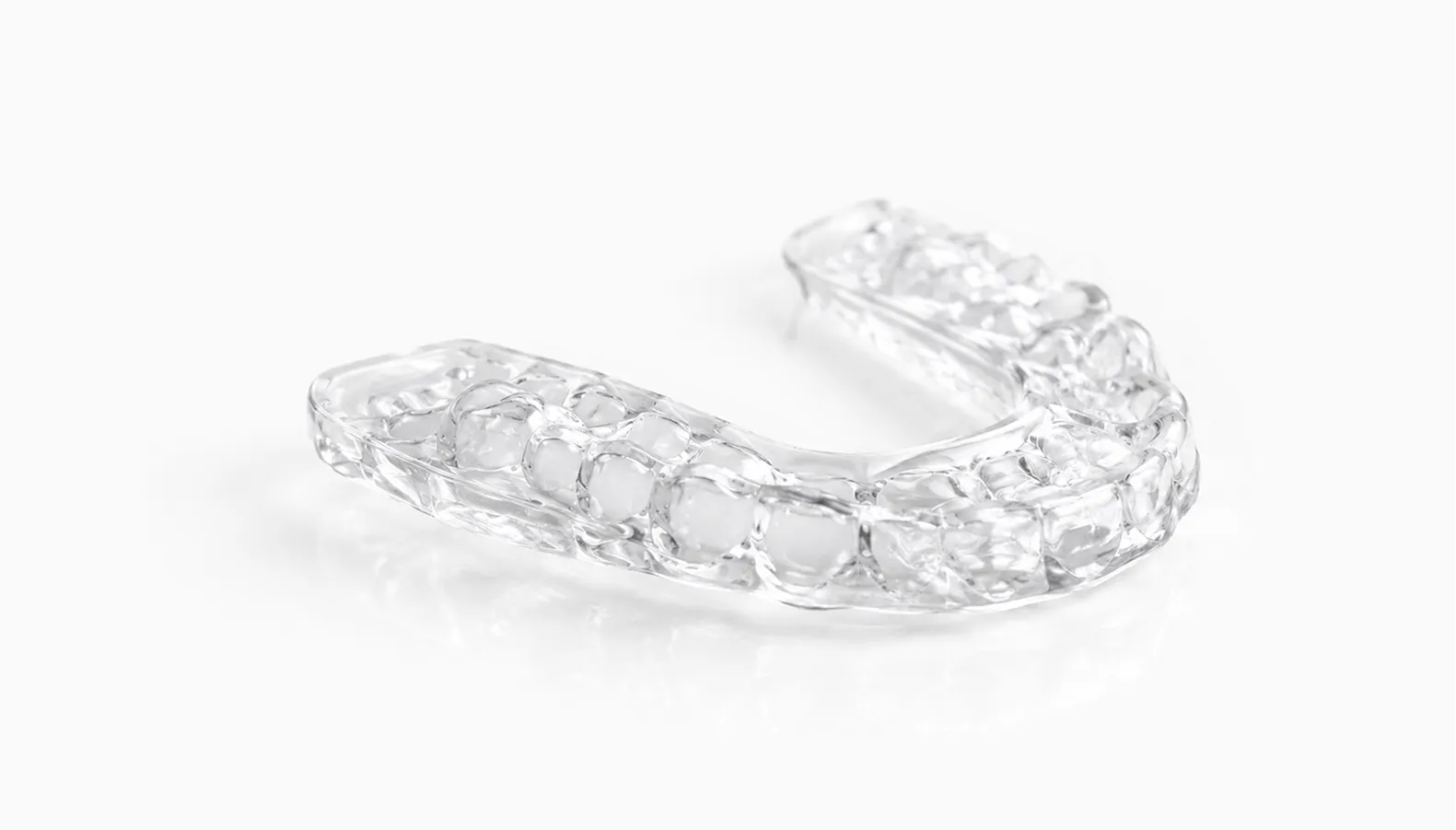
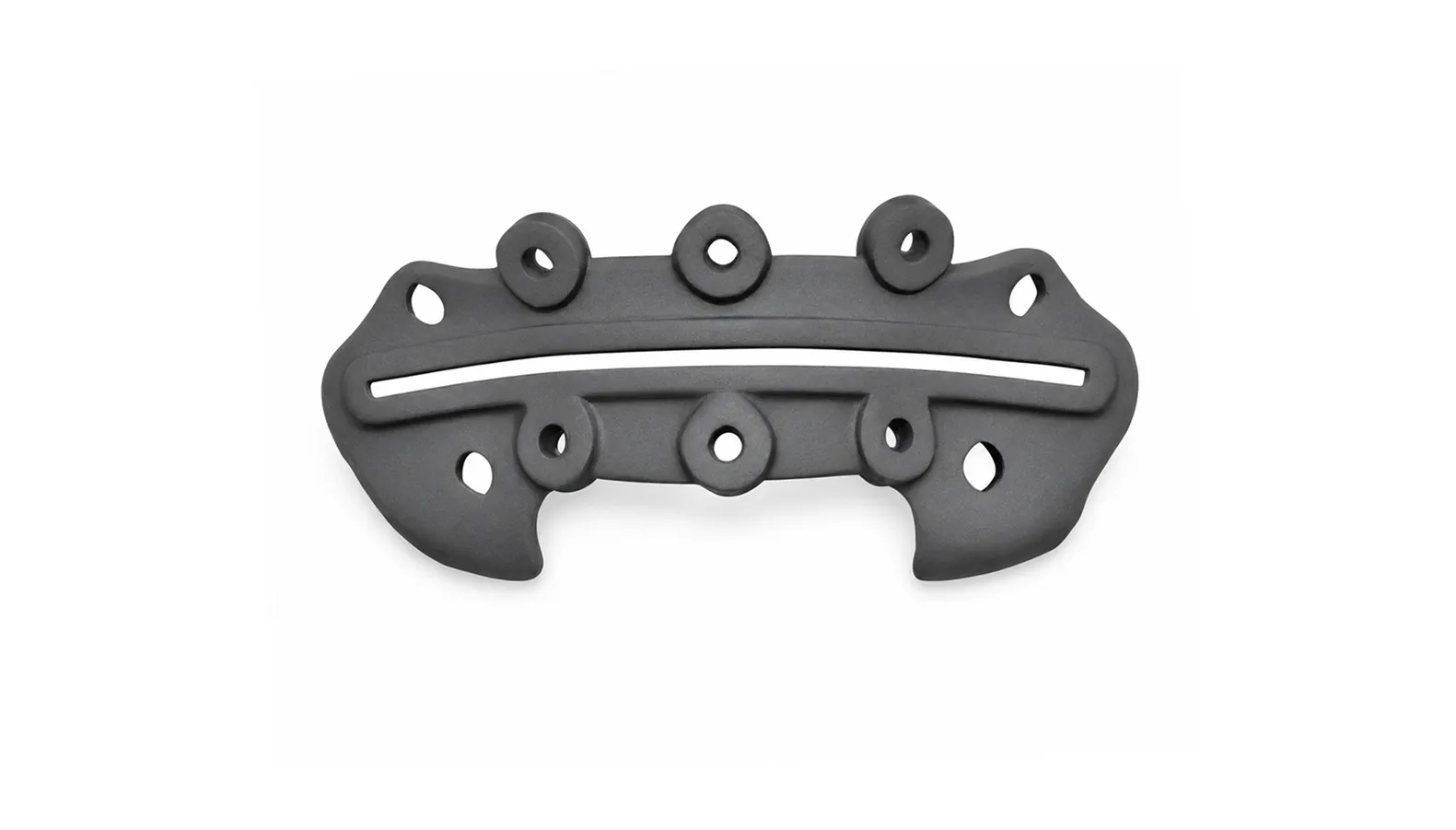
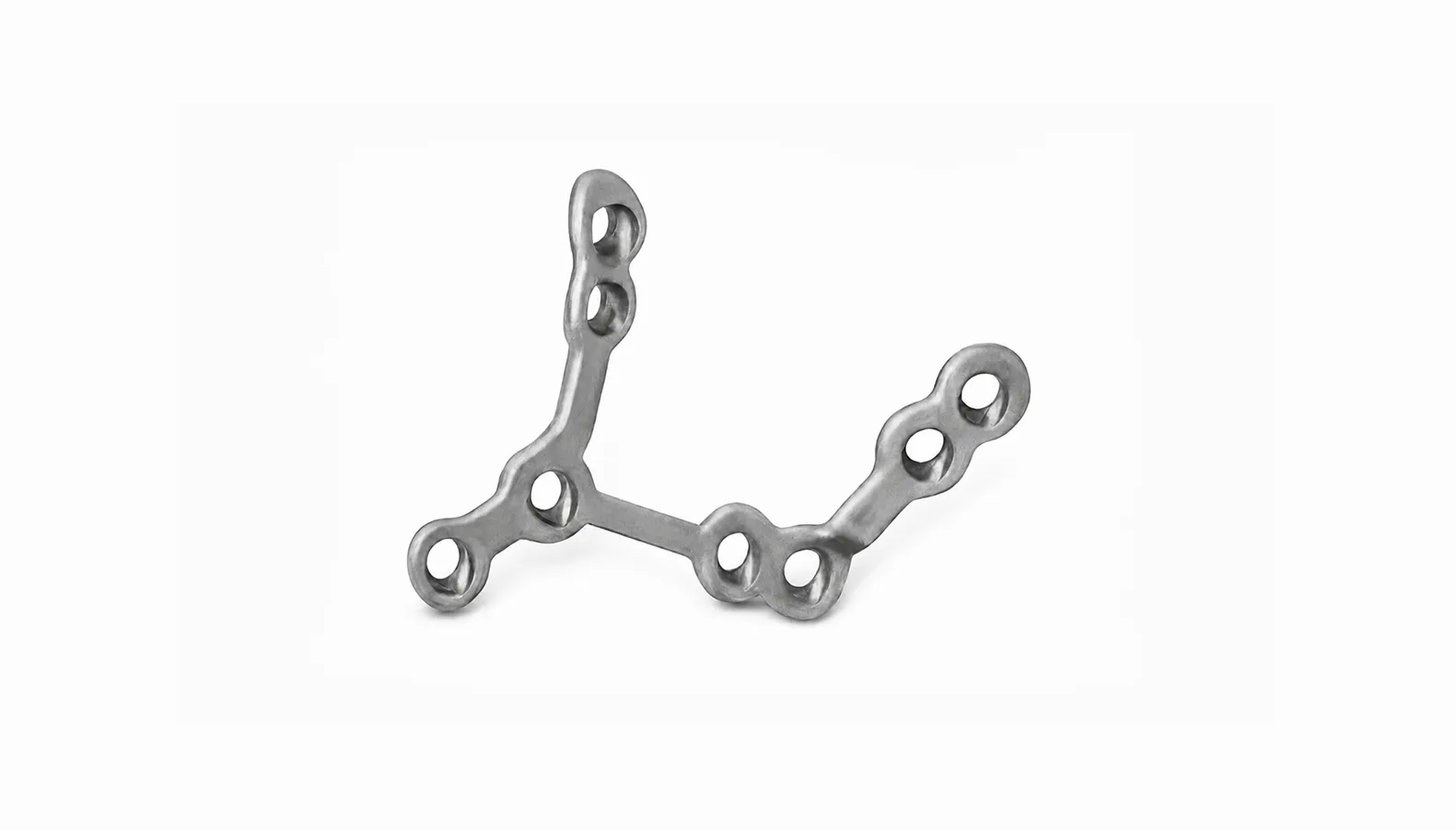

Genioplasty Procedure
Before & After Gallery
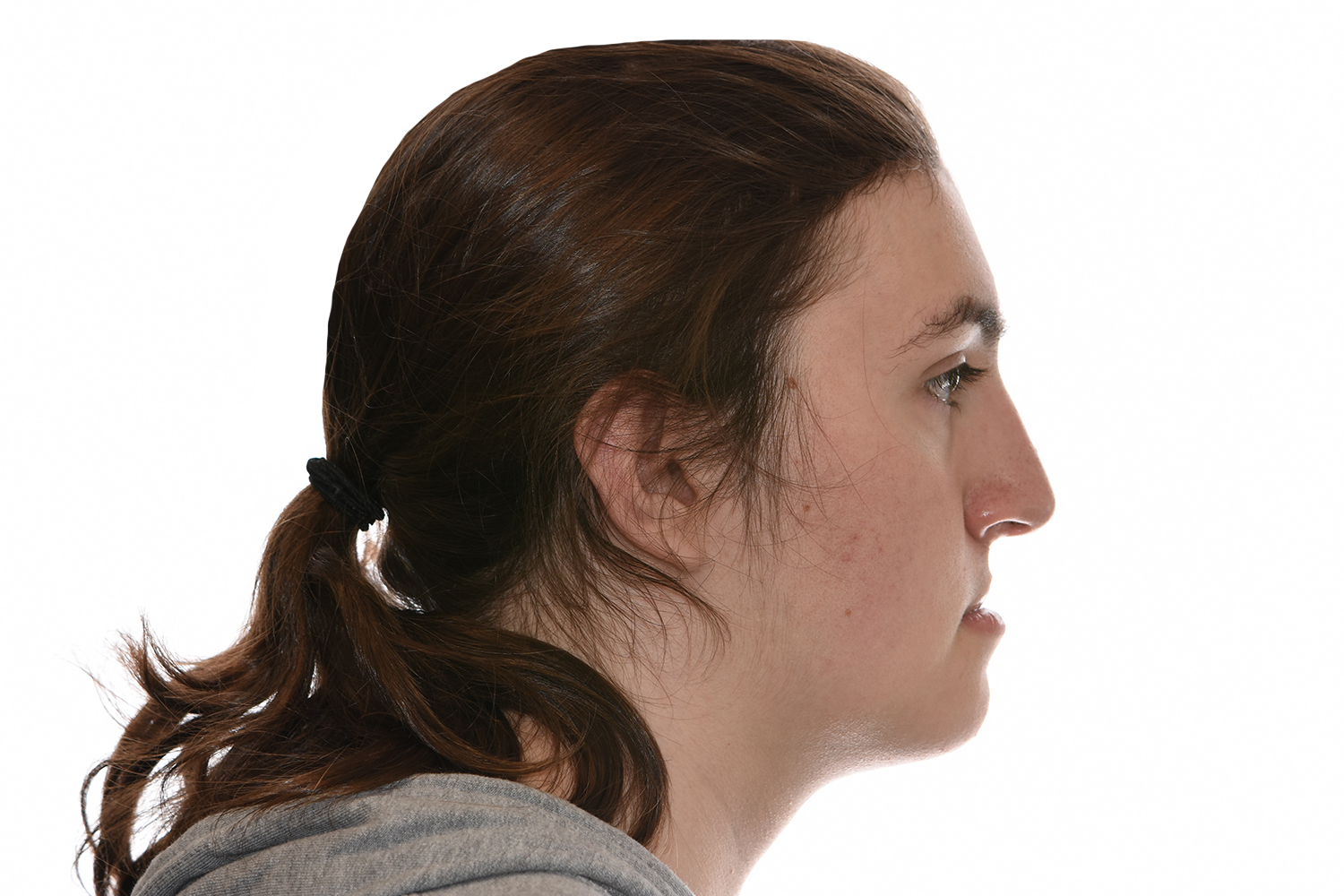
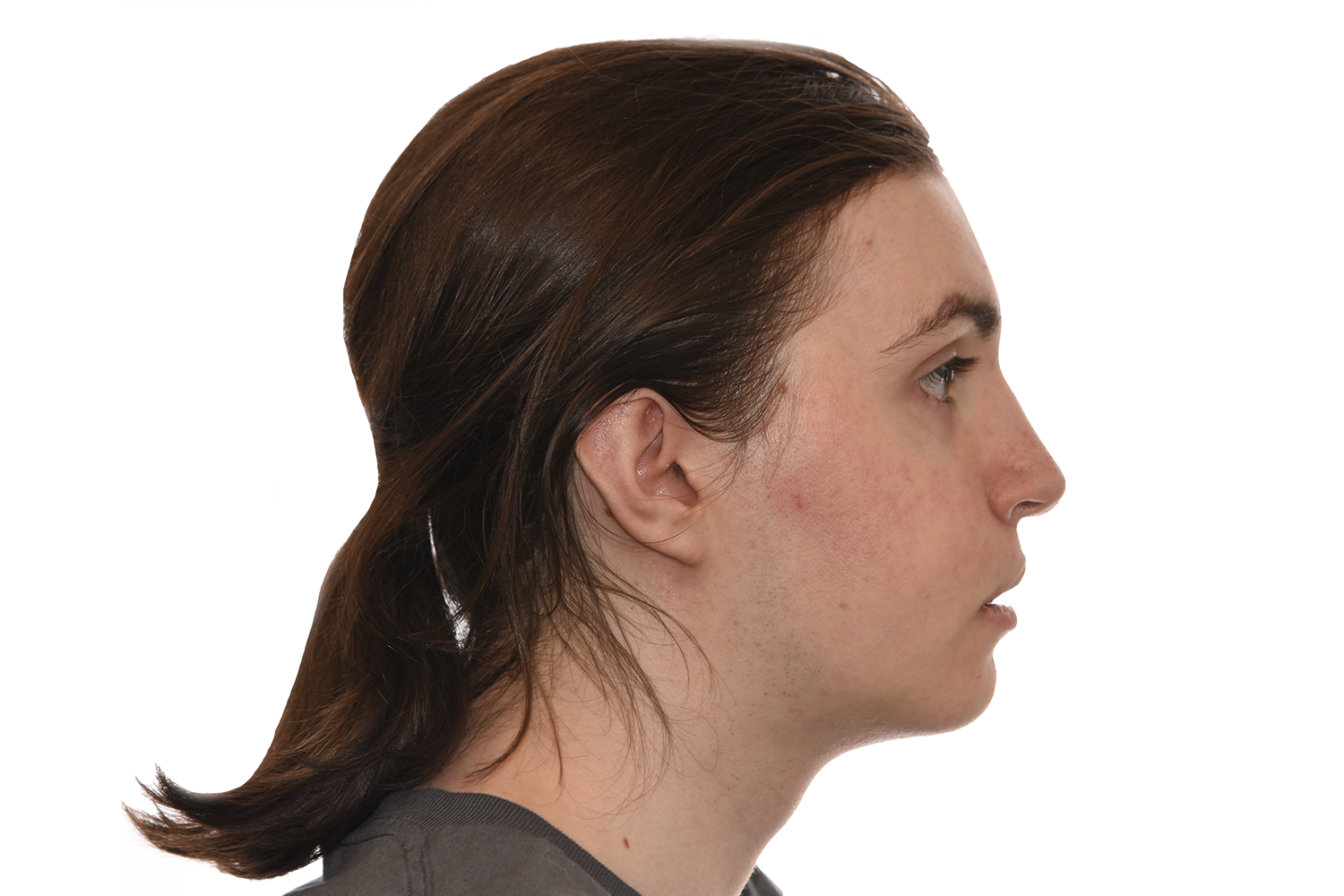
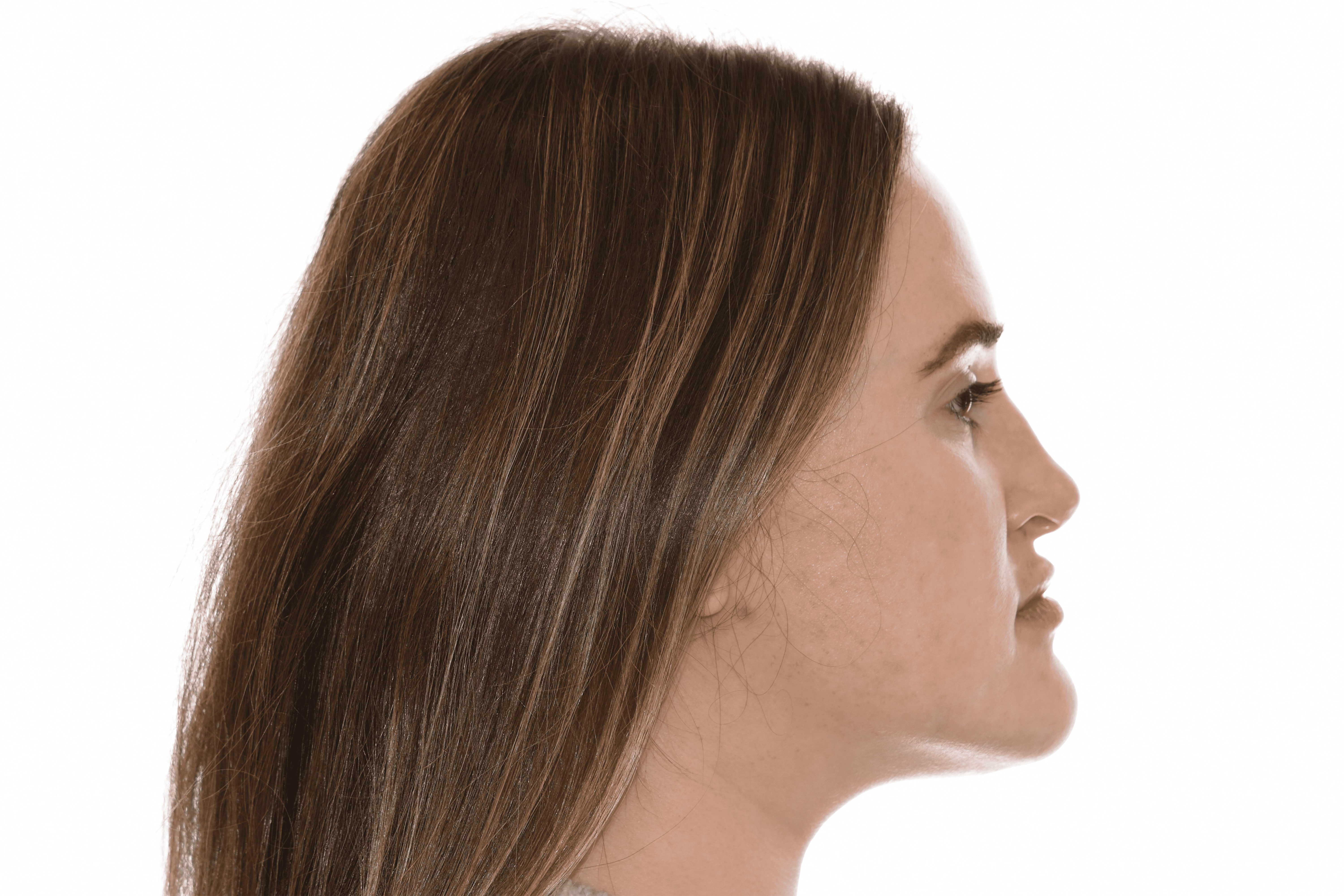
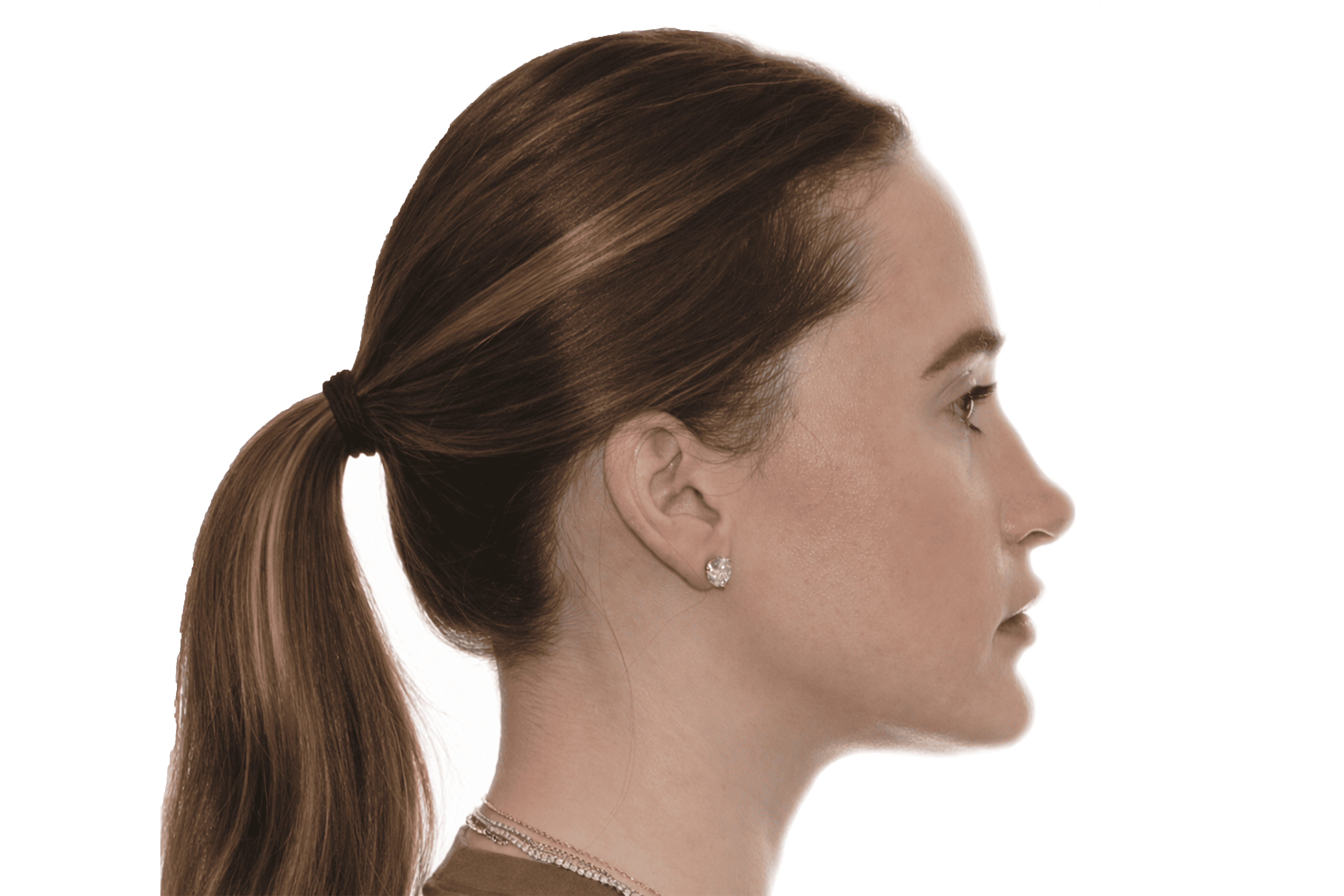
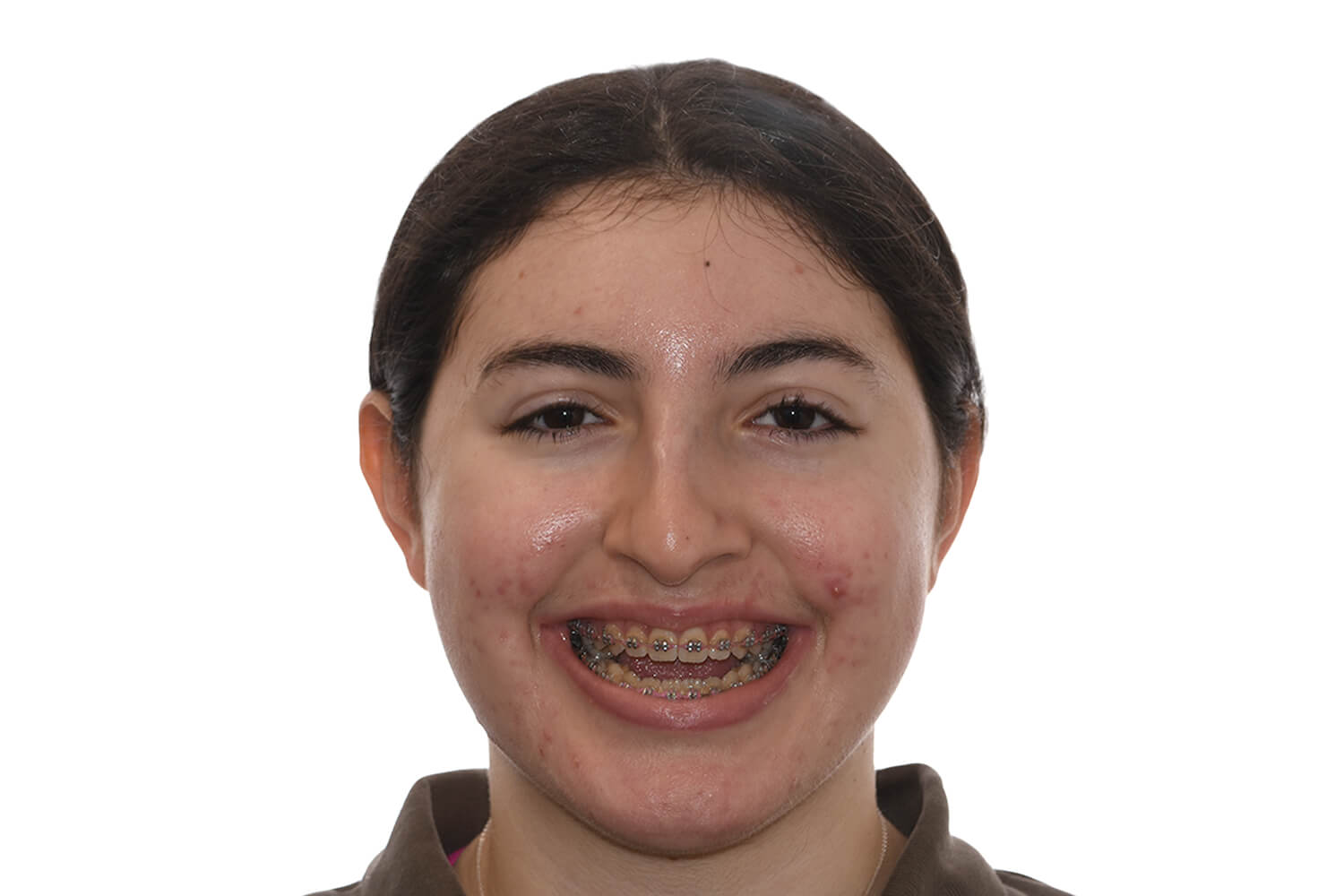

Timeline For Genioplasty
What To Expect After Genioplasty
While early improvements are noticeable, final results emerge gradually as swelling resolves and tissues adapt.

Risks & Possible Complications

An experienced team and close follow-up care help maximize the likelihood of optimal outcomes.
Frequently Asked Questions
Genioplasty requires precise surgical judgment, specialized training, and familiarity with the anatomical and functional nuances of this procedure. Outcomes depend heavily on the surgeon's experience, technique, and ability to anticipate and manage the full range of possible findings. Surgeons who perform this procedure regularly are typically better positioned to achieve consistent, safe results.
In a private practice setting, care is often more streamlined and consistent, with the same surgeon closely involved in evaluation, treatment planning, surgery, and follow-up.
In academic or hospital-based settings, care may involve a larger team that can include residents or fellows participating under supervision. Both models can provide excellent care, but the structure and continuity of treatment may feel different. At our center, your care is delivered directly by your surgeon — not by residents, fellows, or surgeons in training.
It is important to understand who is performing each part of your treatment. In some settings, the attending surgeon performs all critical portions of the procedure, while in others trainees may assist or participate under supervision. This should be discussed clearly in advance. At our center, your surgeon performs all critical portions of the procedure.
Depending on the treatment setting, residents, fellows, or students may be involved in aspects of care. Patients and families should feel comfortable asking about their role and how care is supervised throughout treatment.
At our center, there are no residents or fellows involved in performing surgery.
Post-operative follow-up is an important part of surgical care. At our center, your surgeon personally follows you through recovery and any additional visits required.
At our center, your surgeon is directly involved at every stage — from the initial consultation and treatment planning through surgery, post-operative visits, and long-term follow-up.
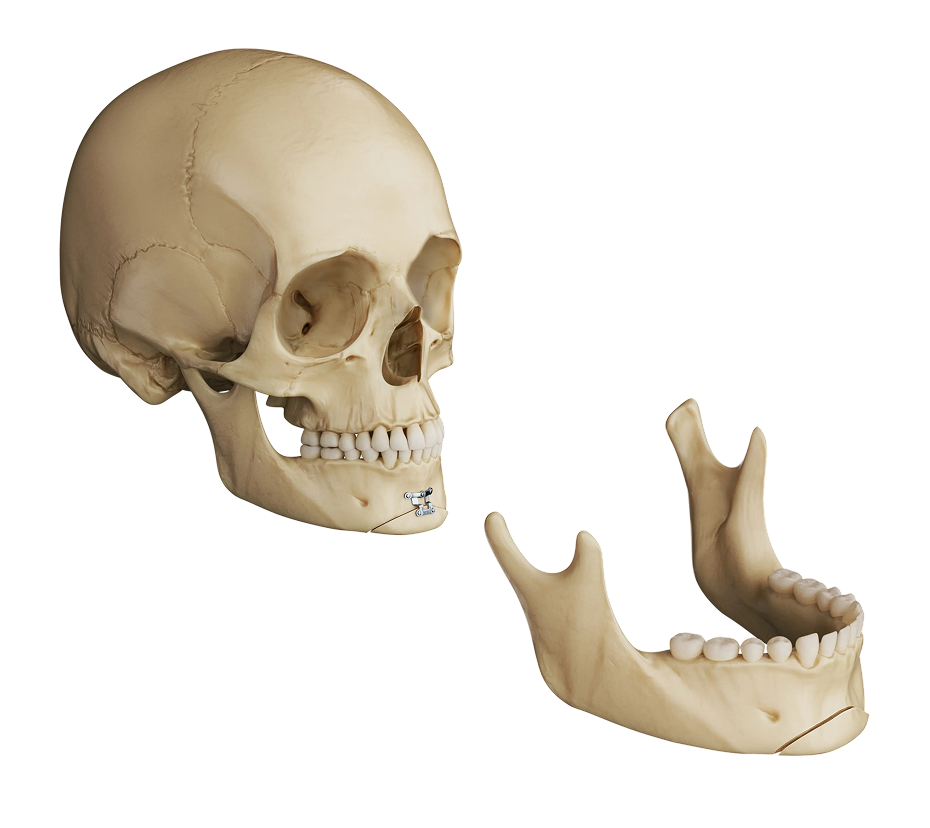
A genioplasty is a surgical procedure that repositions the chin bone to improve facial balance and proportion. The chin may be moved forward, backward, upward, downward, or to the side depending on what the patient's facial anatomy requires. It is performed through an incision inside the mouth, leaving no visible external scars.
A genioplasty moves the patient's own bone, allowing for precise three-dimensional repositioning that cannot be fully replicated with an implant. It is generally preferred when significant movement is needed, when the chin requires vertical adjustment, or when a more durable and anatomically integrated result is the goal. Implants are a separate option that may be appropriate in certain limited circumstances.
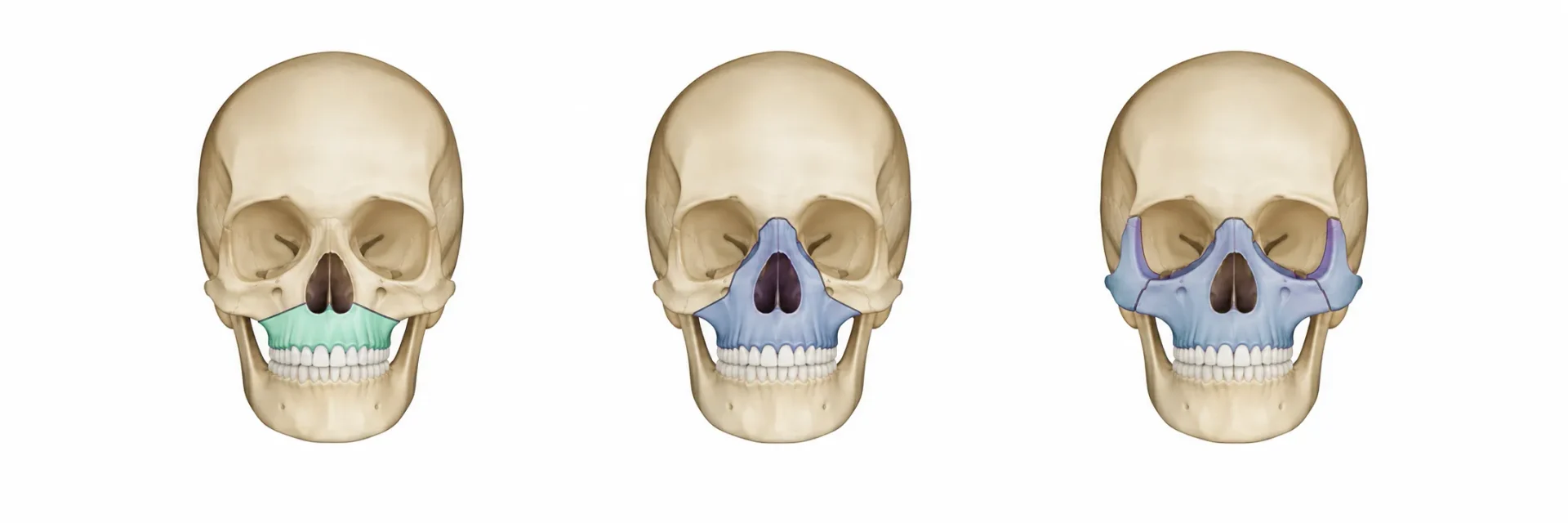
Genioplasty can address a chin that is too small or receded, too prominent, too long or too short vertically, or shifted to one side. It is often performed as part of a broader jaw surgery plan but can also be performed as a standalone procedure when the chin is the primary concern.
Yes. Genioplasty is frequently performed at the same time as upper or lower jaw surgery to refine the overall facial result. In some patients, the chin position cannot be optimally addressed through jaw surgery alone, and a simultaneous genioplasty allows the surgeon to achieve the best possible balance in a single procedure.
The incision for genioplasty is made inside the lower lip, so there is no visible external scar. Internal dissolvable sutures are typically used.
The procedure is performed under general anesthesia. The surgeon makes an incision inside the lower lip, carefully moves the chin bone to the planned position, and secures it with small titanium plates and screws. The incision is then closed with dissolvable sutures. The procedure typically takes one to two hours depending on the complexity of the movement required.
Swelling and some temporary numbness of the chin and lower lip are expected after surgery and improve over weeks to months. Most patients manage discomfort well with prescribed medication and are eating soft foods within a few days. The titanium hardware used to secure the bone is not typically removed unless it causes a problem.
Temporary numbness or altered sensation of the chin and lower lip is common after genioplasty due to proximity to the mental nerve. In the large majority of patients, this resolves over weeks to months. Permanent numbness is uncommon but is a recognized risk that is discussed during the surgical consent process.
In most patients the hardware remains in place permanently without causing any issues. Removal is only considered if a plate or screw causes discomfort, becomes palpable, or is otherwise problematic, which is uncommon.
Genioplasty produces lasting changes to chin position and facial balance. Final results are appreciated once post-operative swelling has fully resolved, which typically takes several months. Most patients are very satisfied with the improvement in facial proportion and profile.
Yes. We regularly care for patients traveling from outside the region for genioplasty.
Most patients undergoing genioplasty are discharged after one overnight stay and are recovering well. Out-of-town patients should plan to remain locally for approximately one week primarily to attend their first post-operative visit, at which the surgeon examines healing, addresses any questions, and clears the patient for travel home. Genioplasty is typically performed as an outpatient procedure, and most patients are discharged the same day.
Ground travel home is generally appropriate shortly after the first post-operative visit, once the surgeon has confirmed healing is on track. Air travel is generally cleared at approximately 5 to 7 days after surgery. Flying is approved somewhat later than driving because cabin pressure changes at altitude are a consideration during early healing. Your surgeon will confirm both clearances at the post-operative visit.
Yes. After returning home, a second follow-up visit will be needed to monitor continued healing and recovery. Depending on what needs to be assessed, this visit may be conducted via telemedicine or may require an in-person return visit. Your surgeon will advise on the format and timing of this follow-up before you travel home.
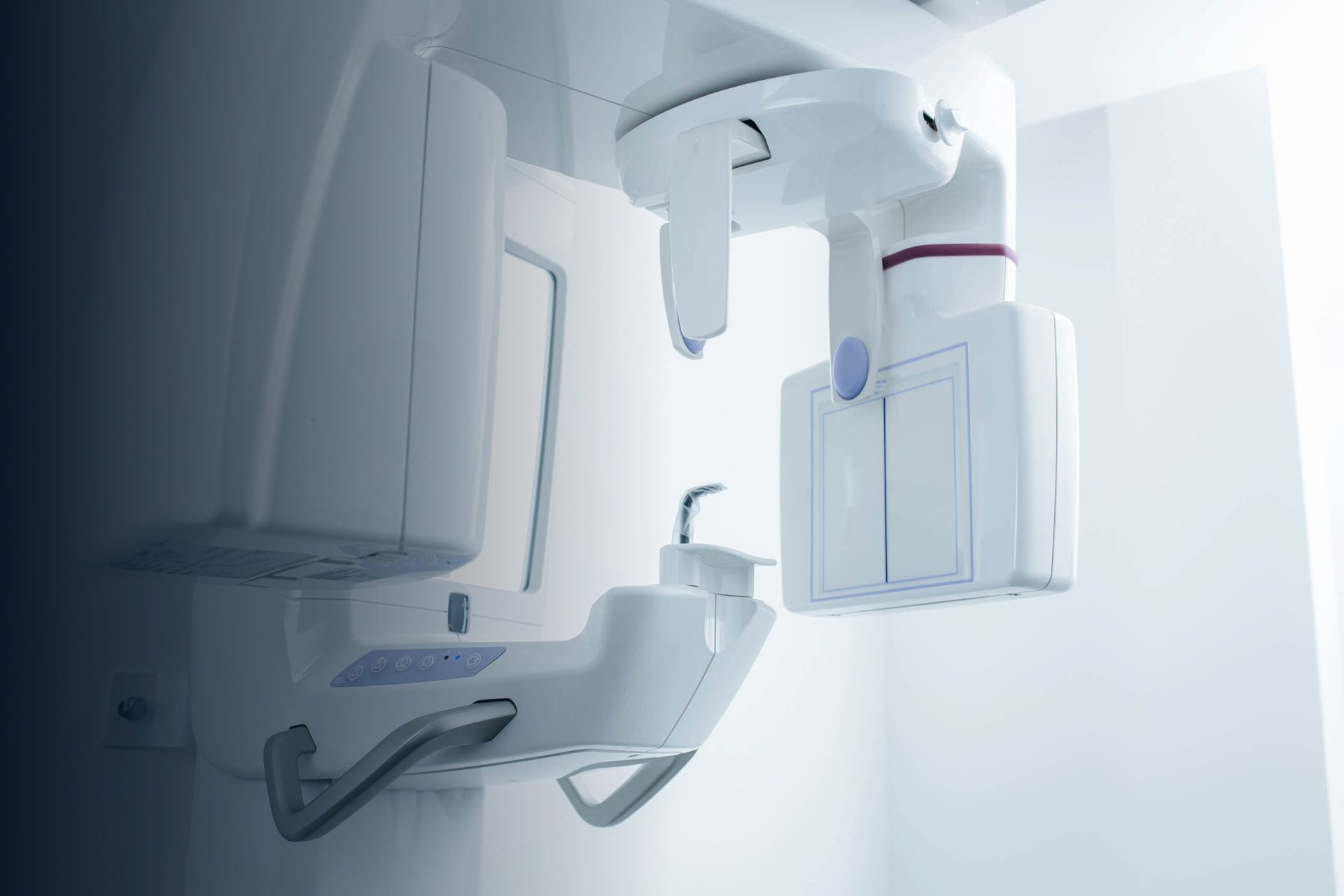
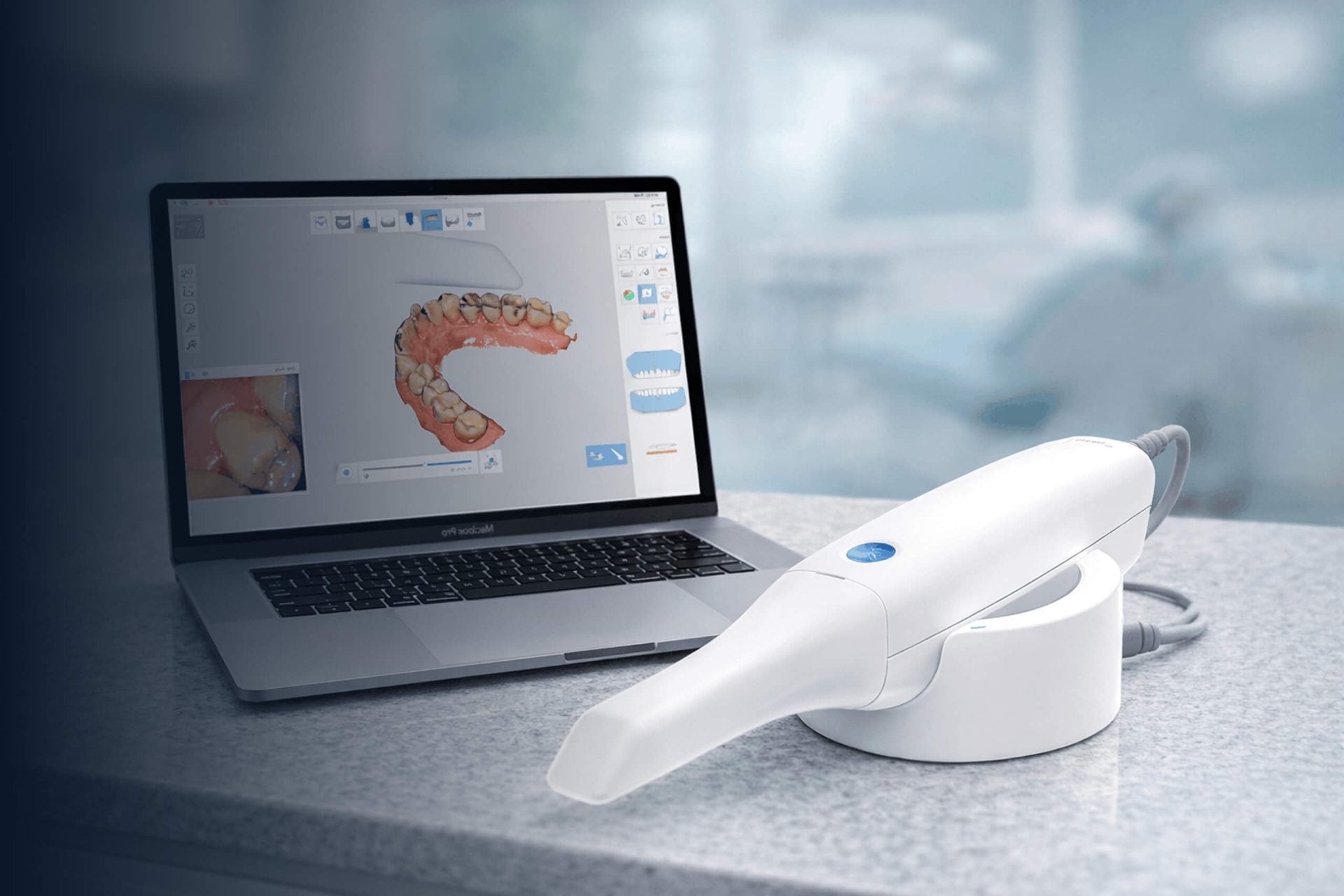
The consultation at our center includes a thorough clinical examination, review of any imaging or prior records, and a detailed discussion of the surgical plan, expected outcomes, recovery timeline, and what follow-up will involve. Patients leave with a clear understanding of the procedure and what to expect before, during, and after surgery.