



Double Jaw Surgery
Rebalancing the upper and lower jaws for optimal alignment and function
What Is Double Jaw Surgery?
What Patients Find Most Helpful to Know About Double Jaw Surgery

Your jaws will not be wired shut
Small plates and screws stabilize the jaws, often with light guiding elastics rather than full immobilization.

Sensation returns slowly over time
Temporary numbness or tingling in lips, cheeks, or tongue is common, usually resolving over time.

The first week is the most challenging
Swelling, tightness, and dietary limitations are most noticeable early on, with steady improvement after the first week.

Recovery is often similar to single-jaw surgery
Even though both jaws are treated, the recovery is typically not much different from single jaw surgery, with a similar overall experience.
When Is Double Jaw Surgery Performed?


Optimized bite and chewing function for both jaws

Improved speech articulation

Improved airway and breathing

Reduced TMJ strain

Balanced facial proportions

Improved lip support and smile aesthetics
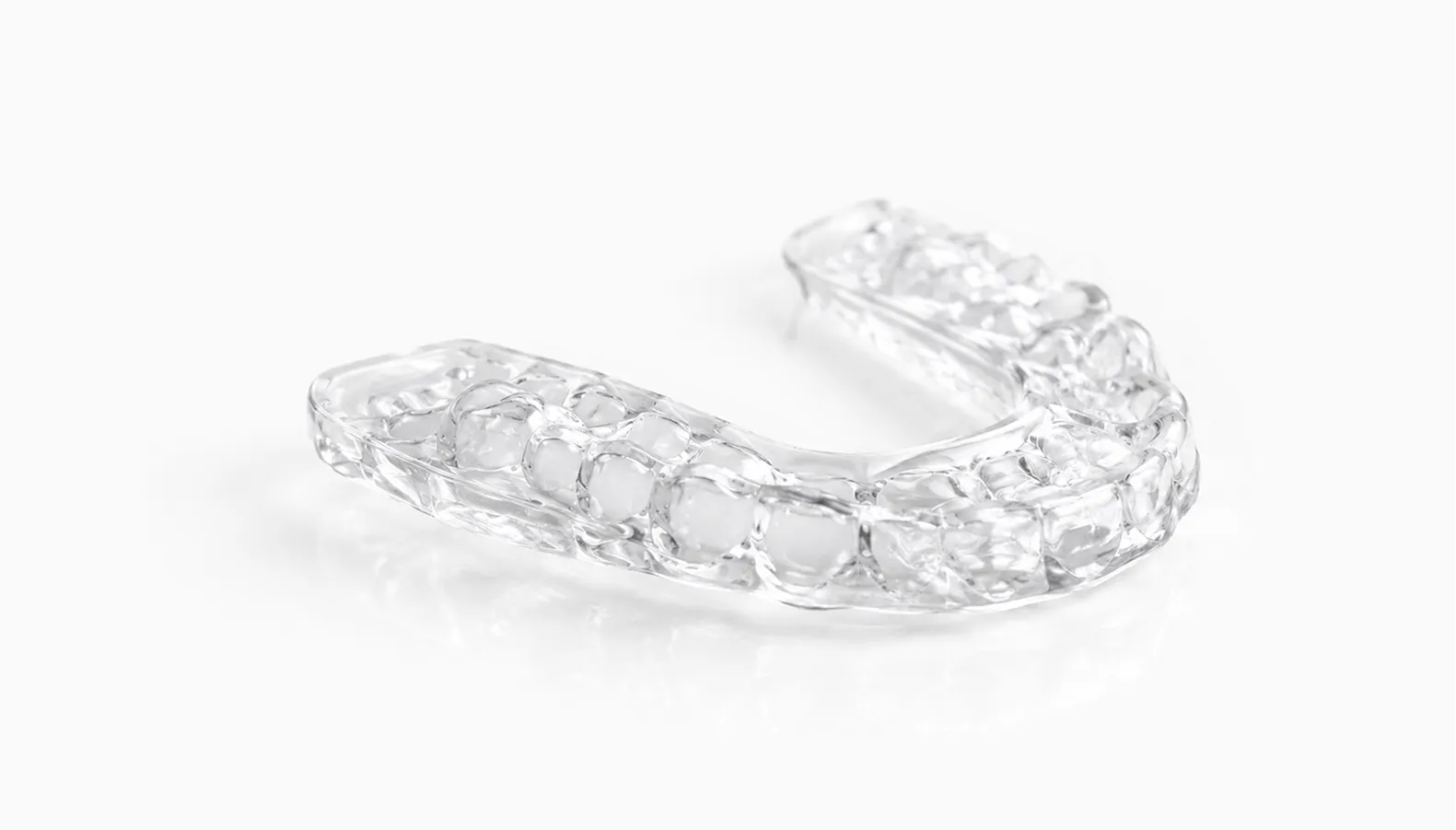
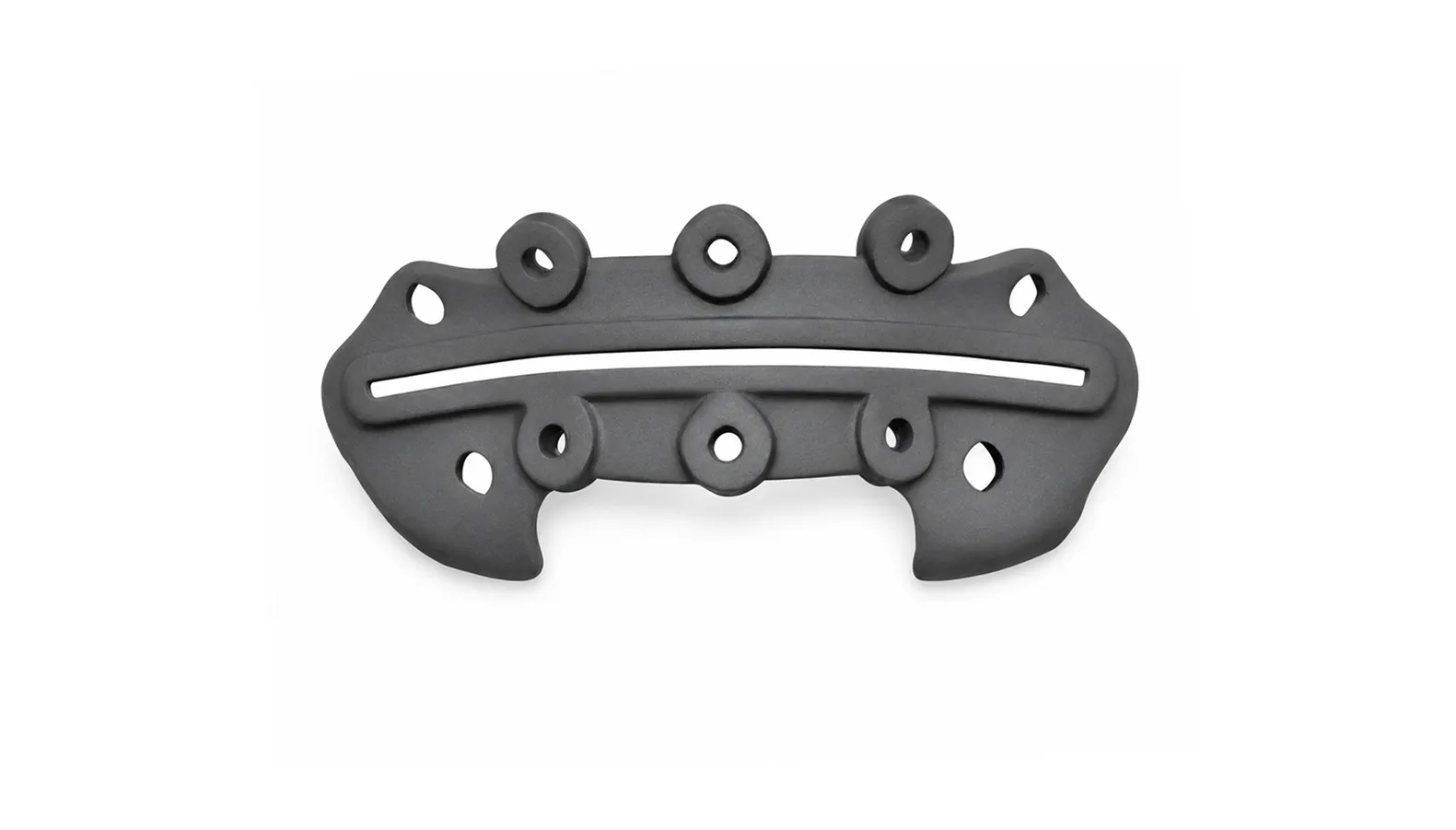
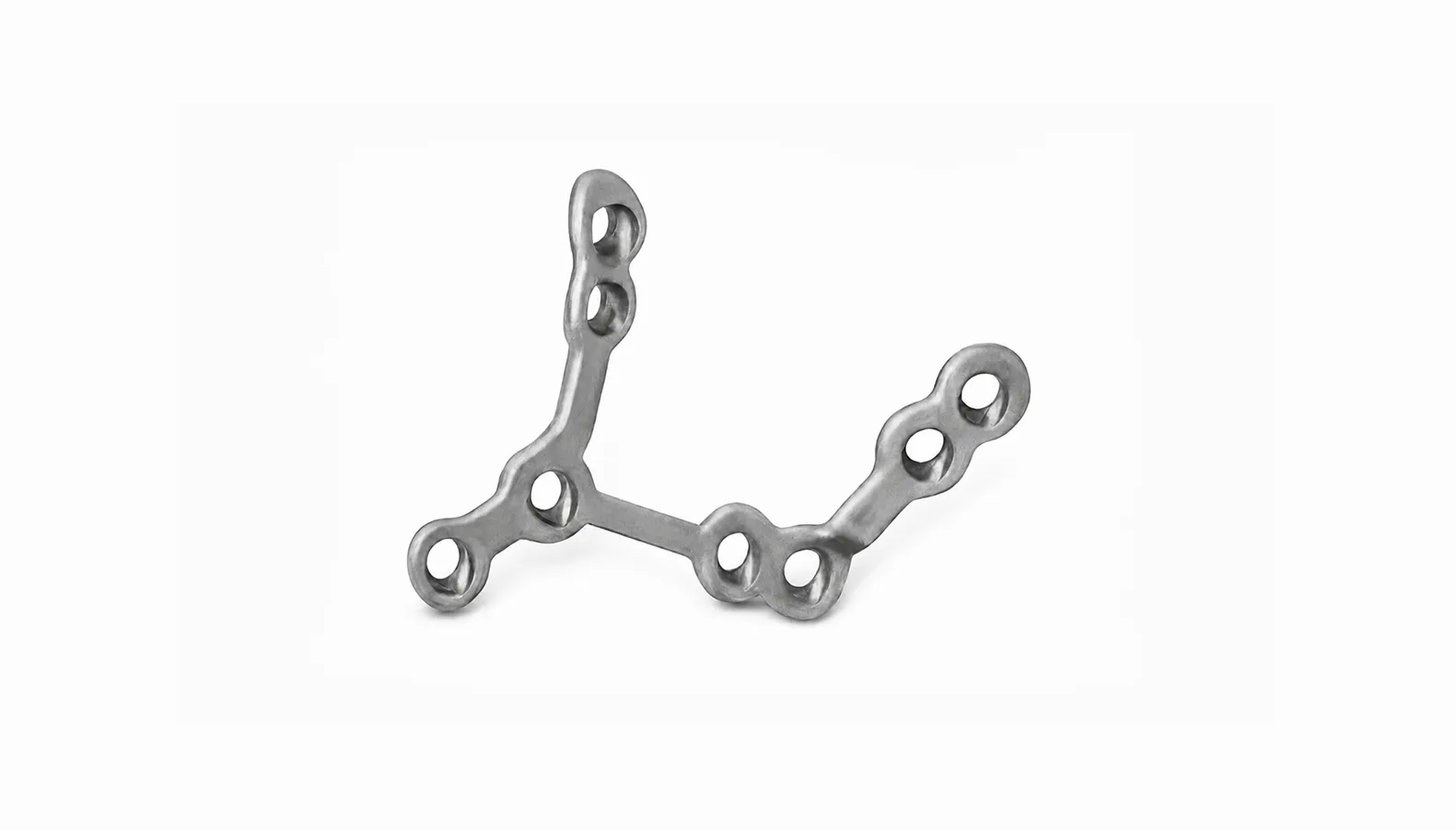

Double Jaw Surgery
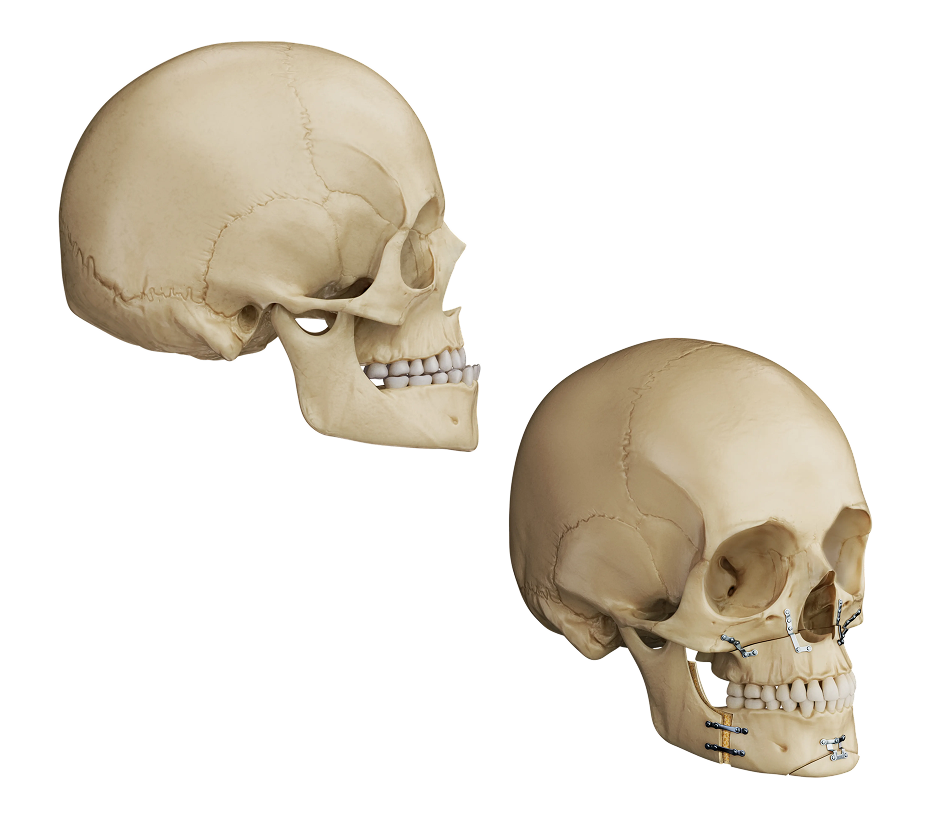
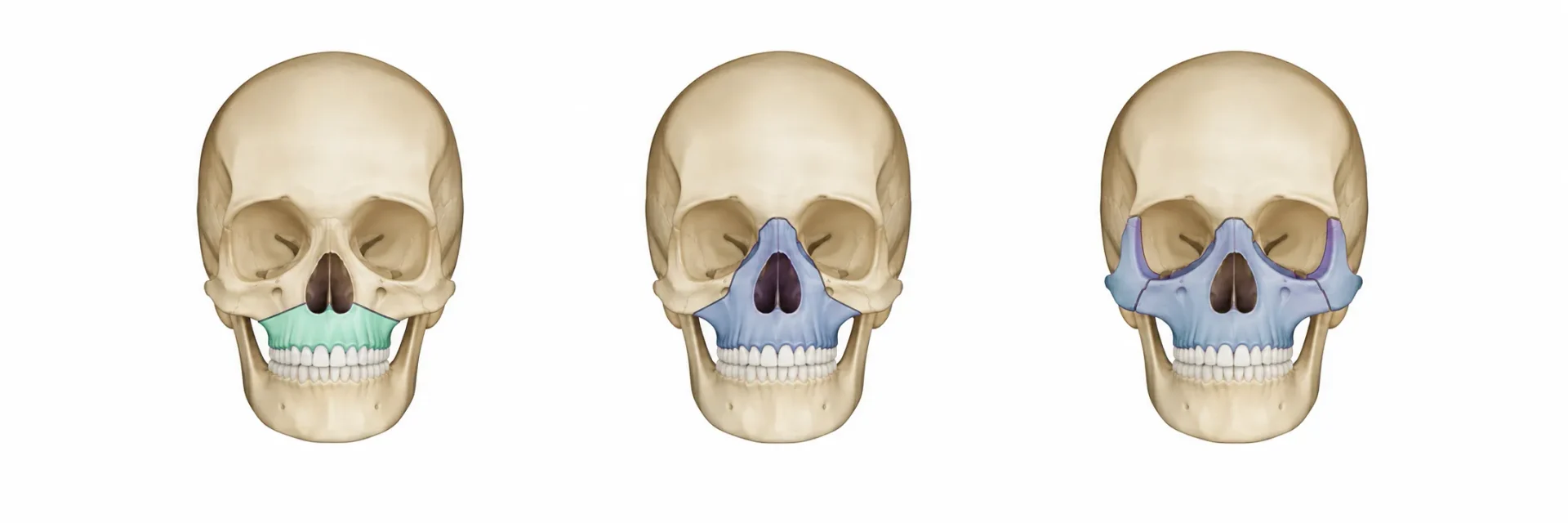
Double jaw surgery, also known as bimaxillary orthognathic surgery, is performed when both the upper and lower jaws need repositioning to achieve proper alignment. During the procedure, the surgeon carefully adjusts the upper and lower jaws to establish the ideal relationship between the teeth, jaws, and facial structures, securing them with small plates and screws for stability. By correcting both jaws at the same time, this surgery improves bite function, chewing comfort, speech clarity, facial balance, and in some cases breathing. With detailed planning and precise surgical technique, double jaw surgery provides a comprehensive correction that restores harmony between the teeth, jaws, and facial profile while supporting long-term function and confidence.
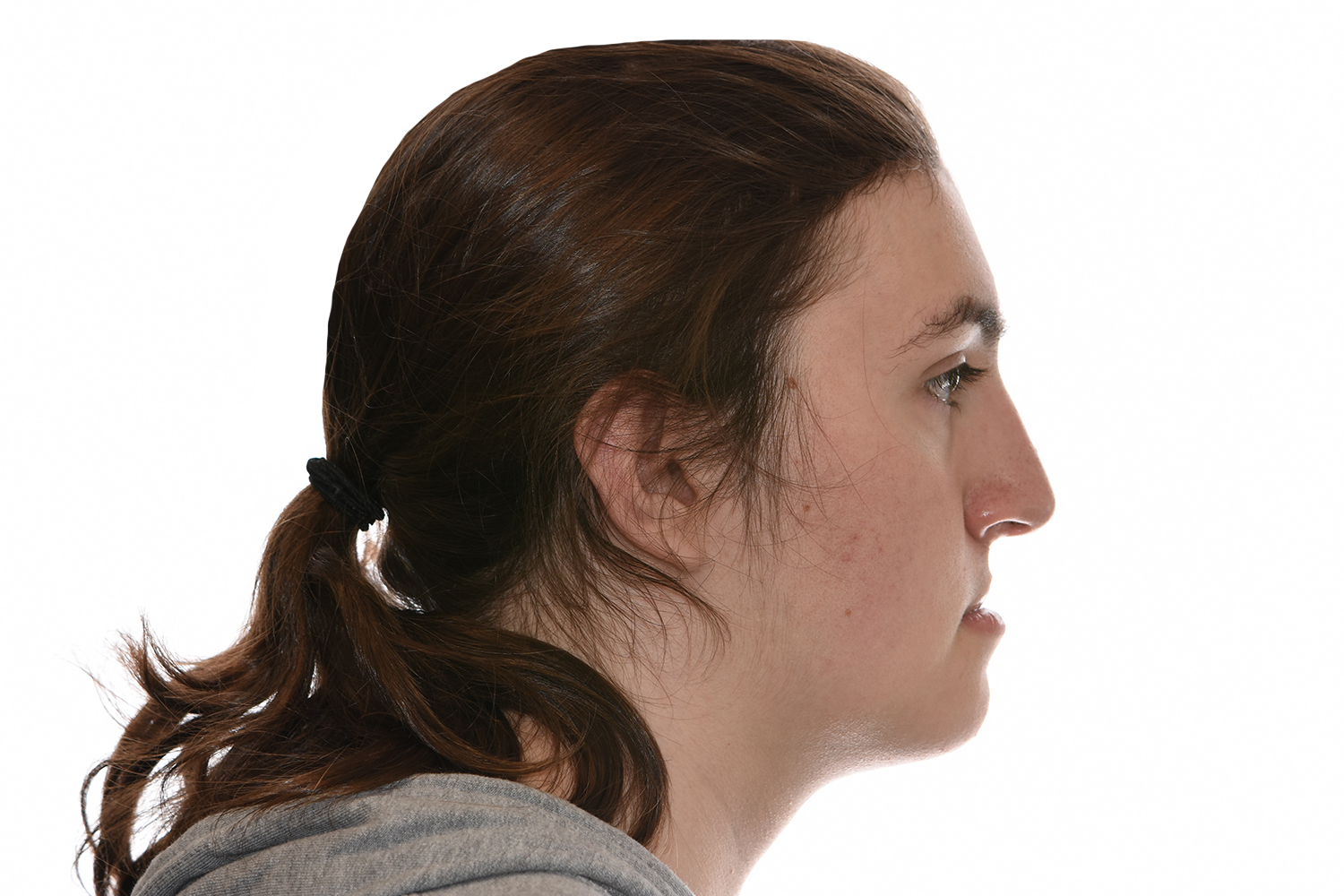
Before & After Gallery
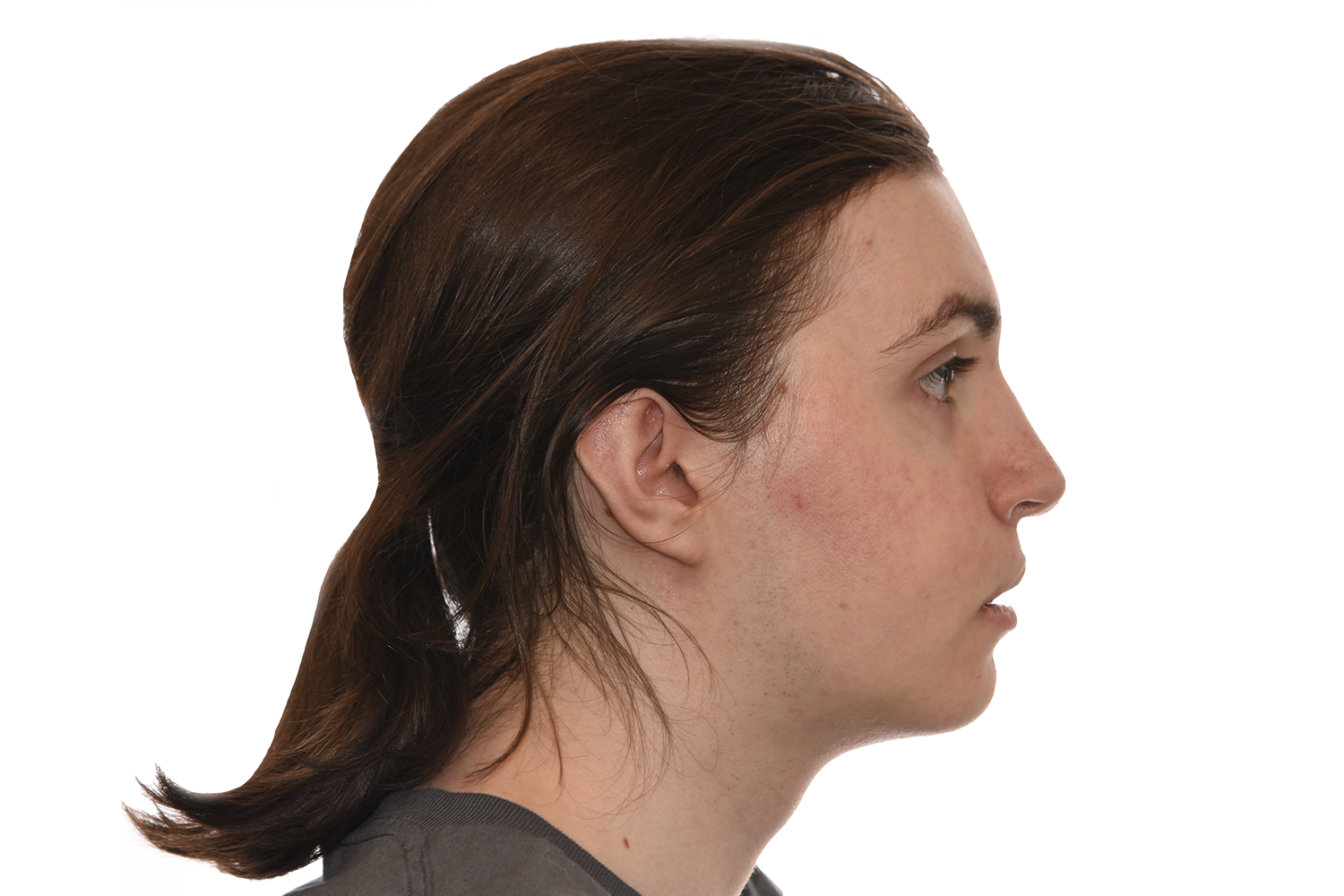
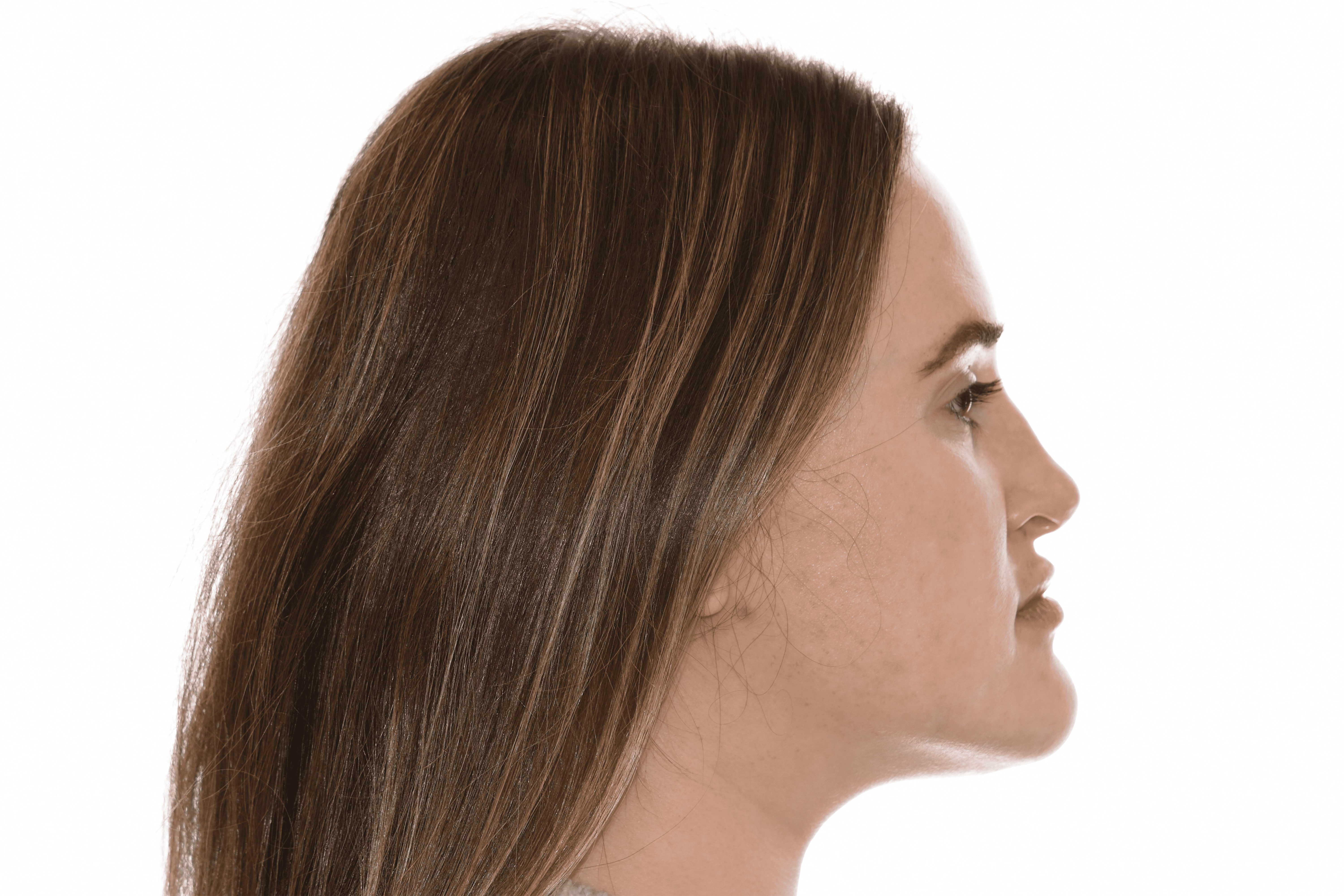
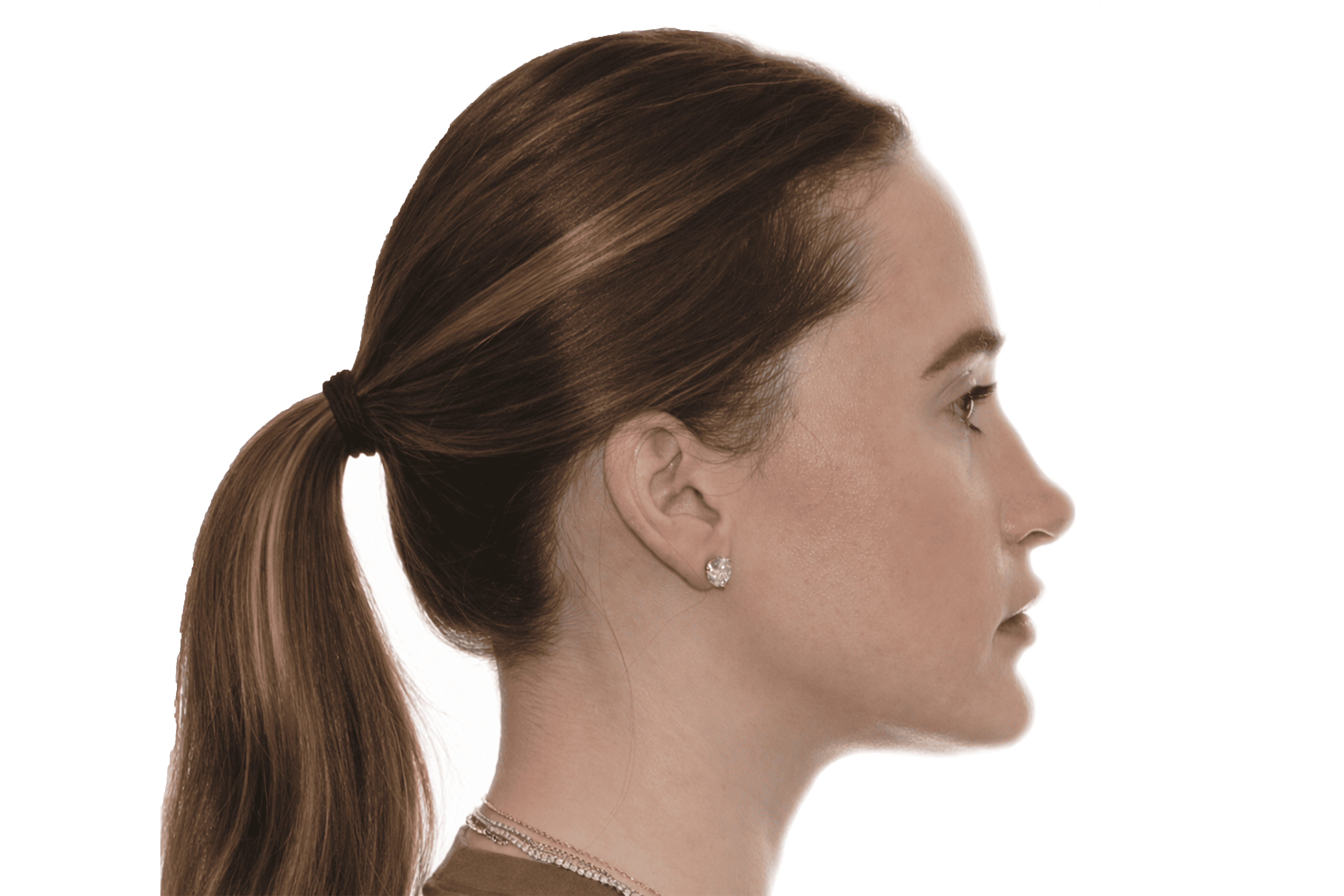
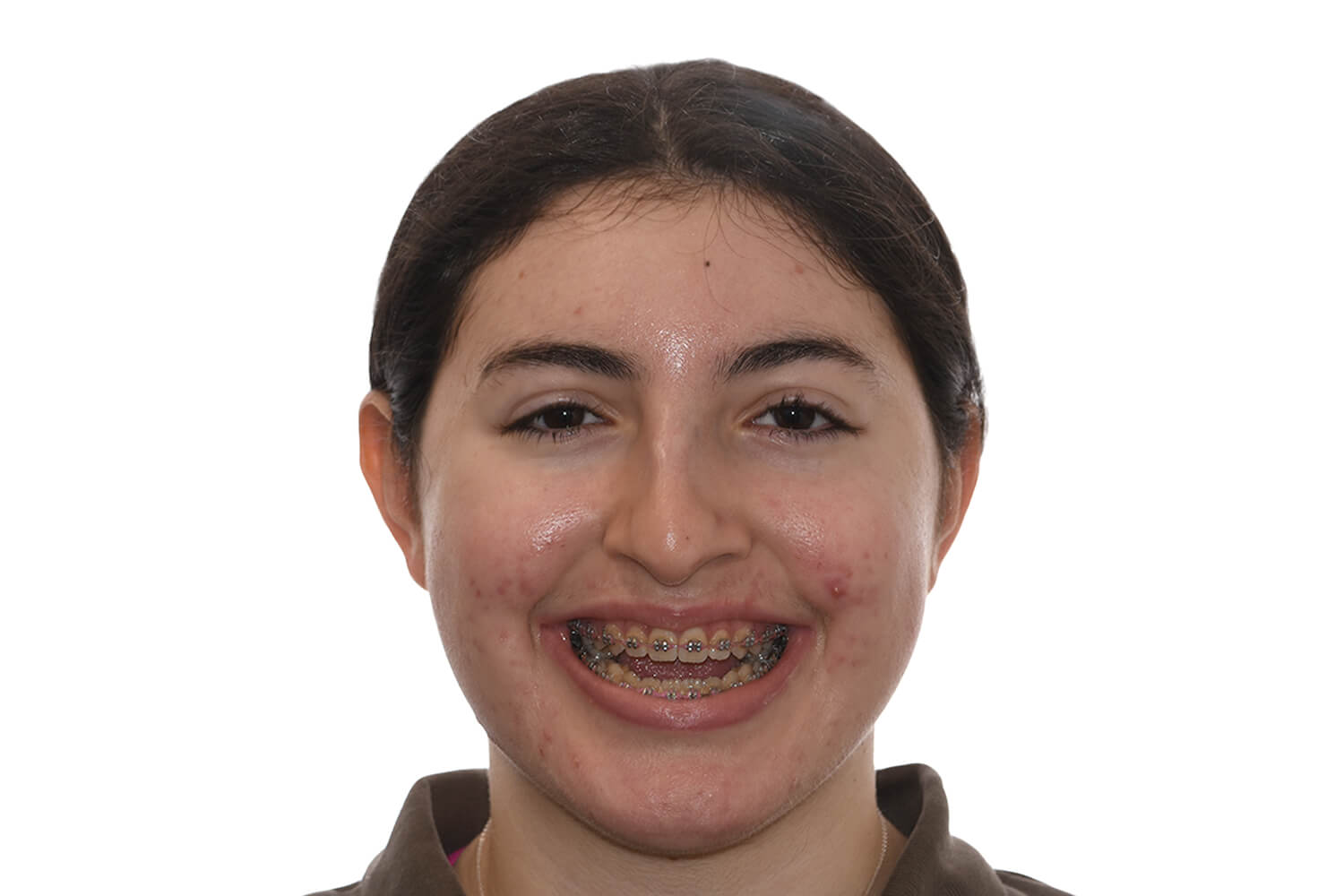

Timeline for Double Jaw Surgery
Recovery
Following corrective jaw surgery, the recovery phase focuses on controlled healing, swelling reduction, and gradual return to normal jaw function while your care team closely monitors comfort, progress, and bite stability.
Week 1
Early Recovery
Week 2–4
Return to Light Activities
Month 1–3
Bite Stabilization
Month 3–12
Final Results
What to Expect After Double Jaw Surgery
Recovery varies for each individual, but most patients notice significant improvements in comfort and function within the first week. Complete healing of the upper jaw and surrounding tissues can take several months, with follow-up orthodontic adjustments helping to perfect bite and facial balance.

Risks & Possible Complications

An experienced team and close follow-up care help maximize the likelihood of optimal outcomes.
Double Jaw Orthognathic Surgery requires precise surgical judgment, specialized training, and familiarity with the anatomical and functional nuances of this procedure. Outcomes depend heavily on the surgeon's experience, technique, and ability to anticipate and manage the full range of possible findings. Surgeons who perform this procedure regularly are typically better positioned to achieve consistent, safe results.
In a private practice setting, care is often more streamlined and consistent, with the same surgeon closely involved in evaluation, treatment planning, surgery, and follow-up.
In academic or hospital-based settings, care may involve a larger team that can include residents or fellows participating under supervision. Both models can provide excellent care, but the structure and continuity of treatment may feel different. At our center, your care is delivered directly by your surgeon — not by residents, fellows, or surgeons in training.
It is important to understand who is performing each part of your procedure. In some settings, the attending surgeon performs all critical portions, while in others trainees may assist or participate under supervision. This should be discussed clearly in advance. At our center, your surgeon performs all critical portions of the procedure.
Depending on the treatment setting, residents, fellows, or students may be involved in aspects of care. Patients should feel comfortable asking about their role and how care is supervised.
At our center, there are no residents or fellows involved in performing surgery.
Post-operative follow-up is an important part of surgical care. At our center, your surgeon personally follows you through recovery and any additional visits required.
At our center, your surgeon is directly involved at every stage — from the initial consultation and treatment planning through surgery, post-operative visits, and long-term follow-up.
Double jaw orthognathic surgery, also called bimaxillary surgery, is a procedure in which both the upper jaw and the lower jaw are surgically repositioned in the same operation. It combines a Le Fort I osteotomy of the upper jaw with a bilateral sagittal split osteotomy of the lower jaw, and may also include a genioplasty to refine chin position.
Many jaw discrepancies involve contributions from both the upper and lower jaw. Correcting only one jaw may improve the bite but leave the facial profile less than optimal, or may require an unrealistic amount of movement in a single jaw. Operating on both jaws simultaneously allows the surgeon to distribute the necessary movements, achieve a more natural facial result, and correct the bite with greater precision and stability.
Double jaw surgery is used to correct significant overbites, underbites, open bites, and facial profile imbalances that involve both jaws. It is also the most commonly used surgical approach for treating obstructive sleep apnea through maxillomandibular advancement, and is used in patients with cleft lip and palate, jaw asymmetry, and various syndromic conditions.
Pre-surgical orthodontic treatment aligns the teeth within each jaw before surgery. After surgery, orthodontic treatment continues to finalize the bite. The orthodontist and surgeon work together closely throughout the process, and the surgical plan is developed jointly based on the patient's facial and dental goals.
Yes, in terms of operative time and the number of structures involved. However, in the hands of an experienced surgeon it is a well-established procedure with a strong track record of safety and effective outcomes. The additional complexity is offset by the more complete correction it allows.
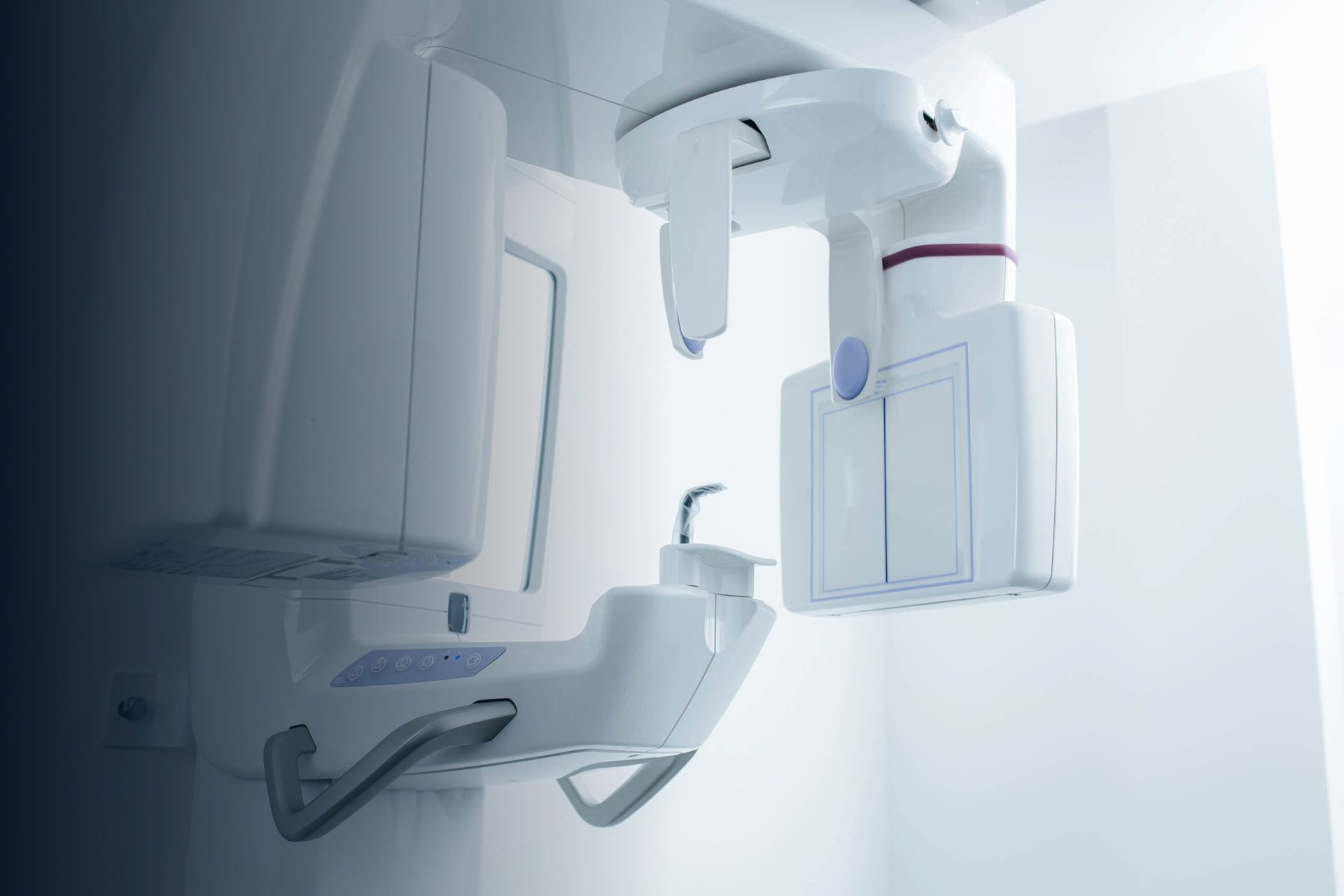
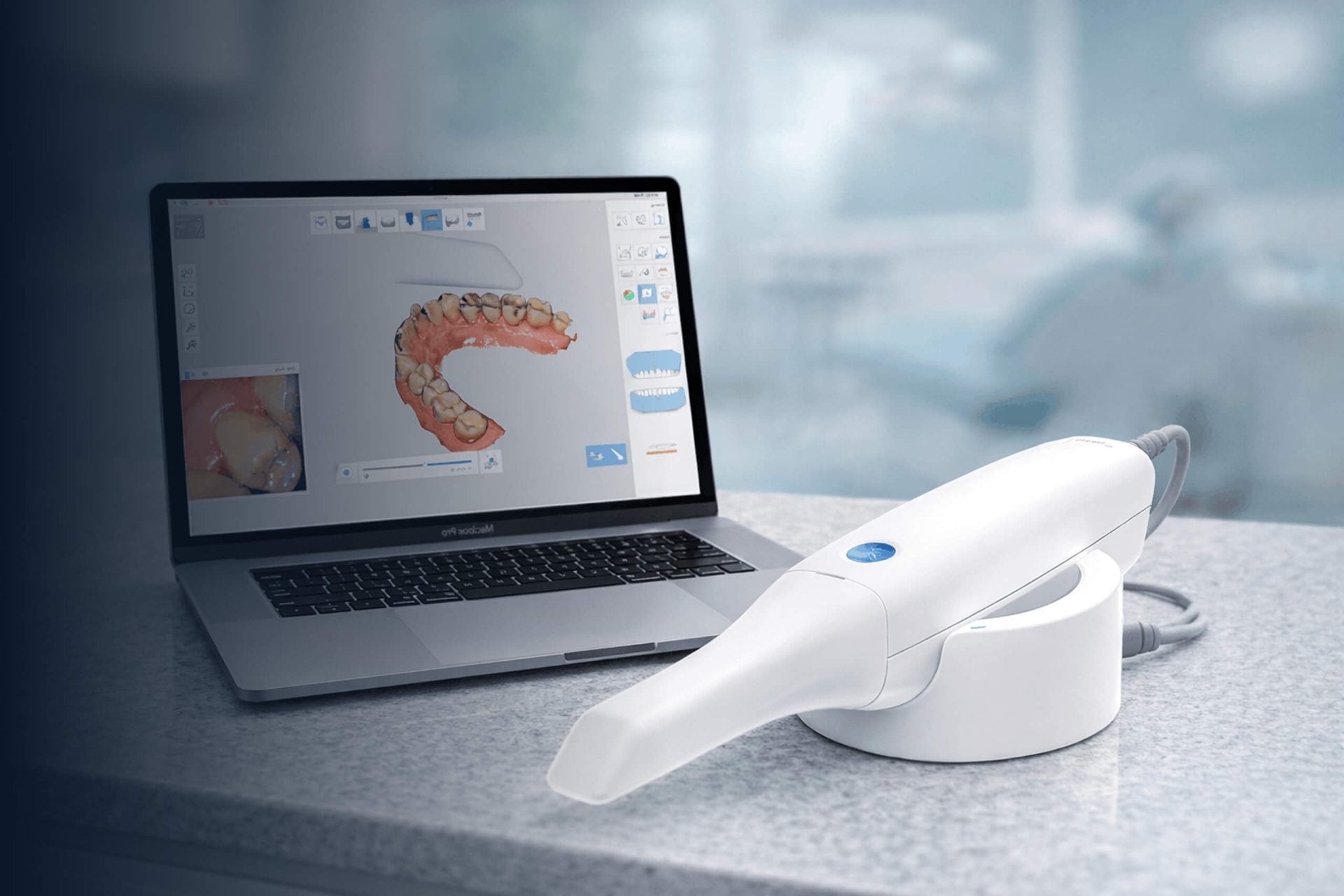
The procedure is performed under general anesthesia through incisions inside the mouth. The upper jaw is separated from the facial skeleton and repositioned, and the lower jaw is cut and moved on both sides. Both jaws are secured with titanium plates and screws. Surgical guides prepared in advance are used to position the jaws precisely. The procedure typically takes three to five hours depending on complexity.
Significant facial swelling is expected and peaks in the first several days before resolving gradually over weeks to months. A soft diet is required during healing. Numbness of the lips, chin, and teeth is common and typically resolves over time. Most patients manage discomfort well and begin returning to normal activities within a few weeks, though complete bone healing takes several months.
Most patients are not wired shut. Rigid fixation with titanium plates allows controlled jaw movement from the day of surgery. Light elastic bands on the braces guide the bite during recovery without the restriction of wiring.
Double jaw surgery produces lasting improvement in bite function, facial balance, and profile. For sleep apnea patients, improvement in breathing is a primary goal. Full results are appreciated once swelling has resolved over several months. With proper planning and healing, outcomes are highly stable.
Yes. We regularly care for patients traveling from outside the region for double jaw orthognathic surgery.
Most patients undergoing double jaw orthognathic surgery are discharged after one overnight stay and are recovering well. Out-of-town patients should plan to remain locally for approximately one week primarily to attend their first post-operative visit, at which the surgeon examines healing, addresses any questions, and clears the patient for travel home.
Ground travel home is generally appropriate shortly after the first post-operative visit, once the surgeon has confirmed healing is on track. Air travel is generally cleared at approximately 10 to 14 days after surgery. Flying is approved somewhat later than driving because cabin pressure changes at altitude are a consideration during early healing. Your surgeon will confirm both clearances at the post-operative visit.
Yes. After returning home, a second follow-up visit will be needed to monitor continued healing and recovery. Depending on what needs to be assessed, this visit may be conducted via telemedicine or may require an in-person return visit. Your surgeon will advise on the format and timing of this follow-up before you travel home.
The consultation at our center includes a thorough clinical examination, review of any imaging or prior records, and a detailed discussion of the surgical plan, expected outcomes, recovery timeline, and what follow-up will involve. Patients leave with a clear understanding of the procedure and what to expect before, during, and after surgery.