



Unilateral Cleft Lip
A cleft affecting one side of the lip, treated effectively with highly coordinated, specialized care.
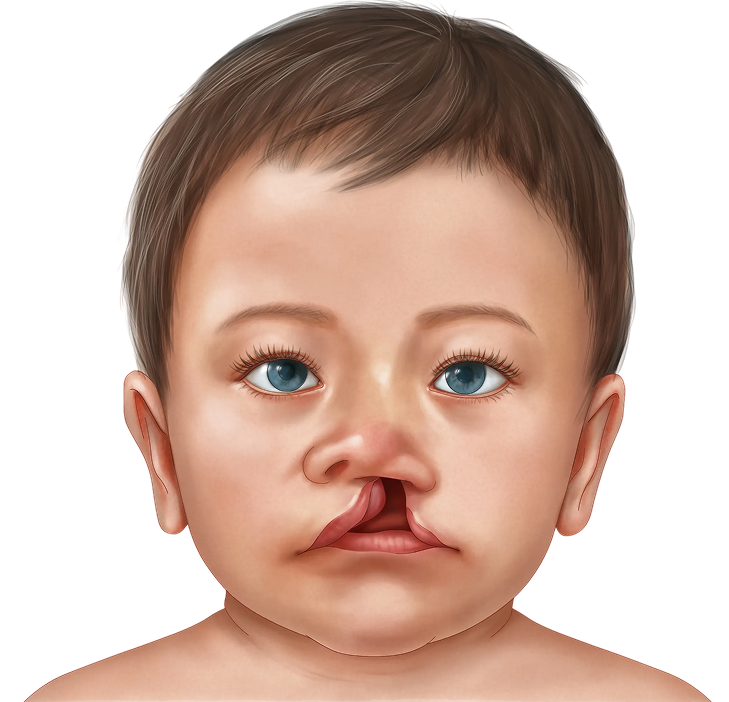
What Is Unilateral Cleft Lip?
Treatment & Care Pathway

Diagnostic Evaluation & Feeding Guidance
Early evaluation and feeding support help infants feed effectively and prepare for future surgical care.

Cleft Lip & Palate Surgery
Cleft lip repair is commonly performed at around 3 months of age, with cleft palate repair around 9 to 12 months if present.

Speech & Dental Interventions
Most children require no additional treatment beyond routine follow-up, although some may benefit from speech, orthodontic, or dental care.

Corrective Jaw & Nasal Surgery
Some patients may later benefit from jaw or nasal surgery depending on growth, symmetry, and prior repairs.
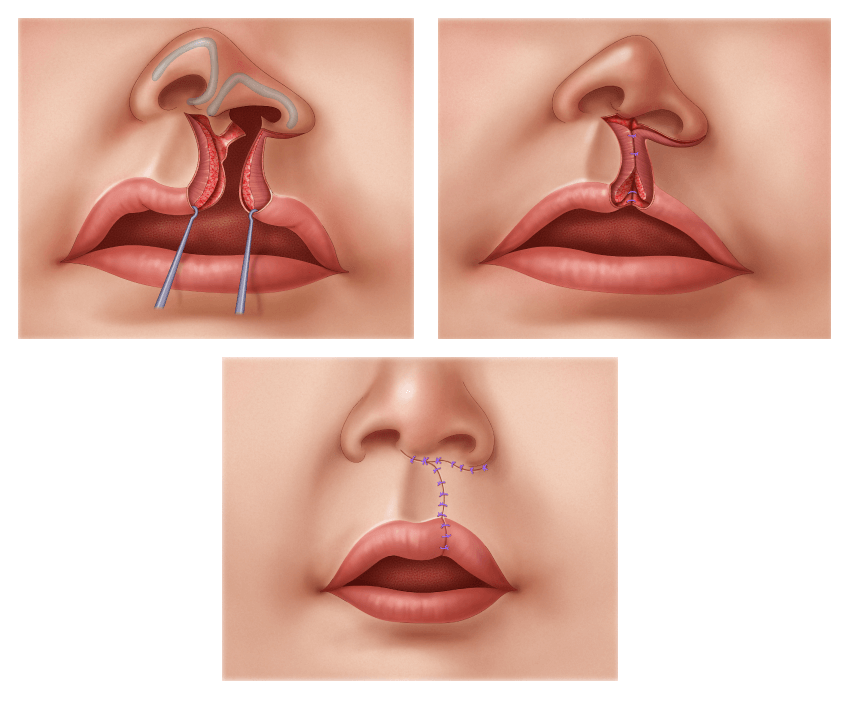
Surgical Treatment Options
Treatment Timeline
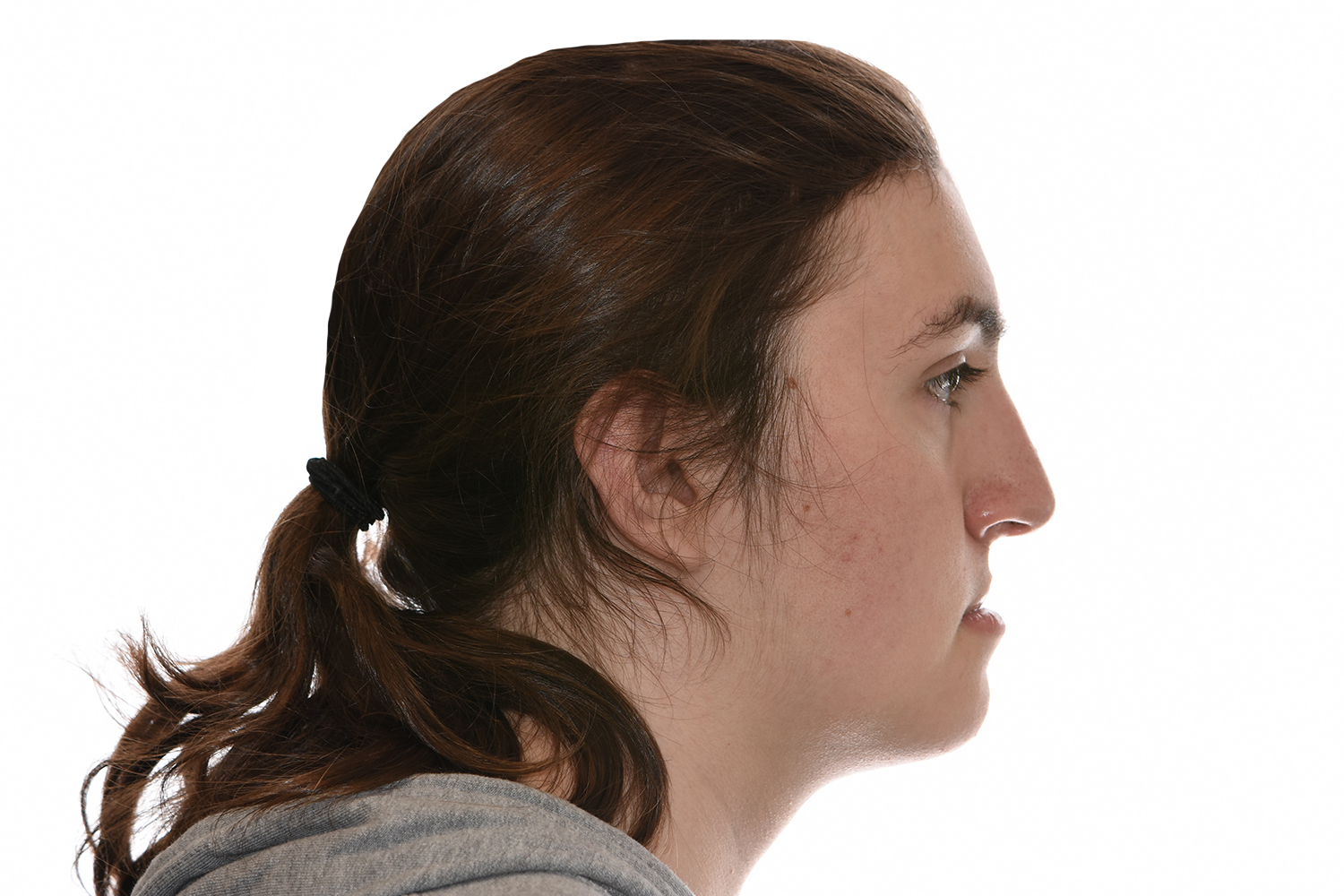
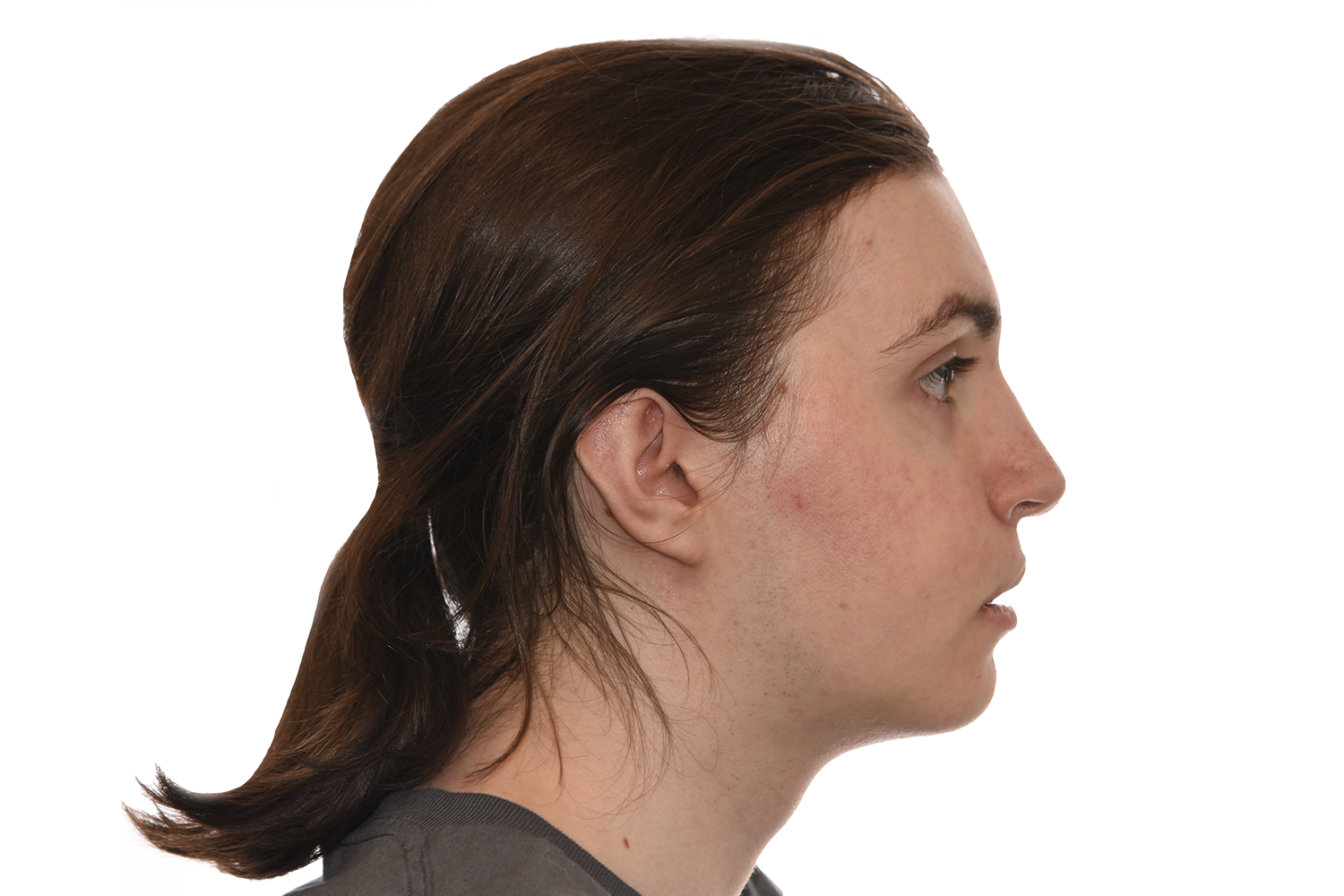
Before & After Gallery
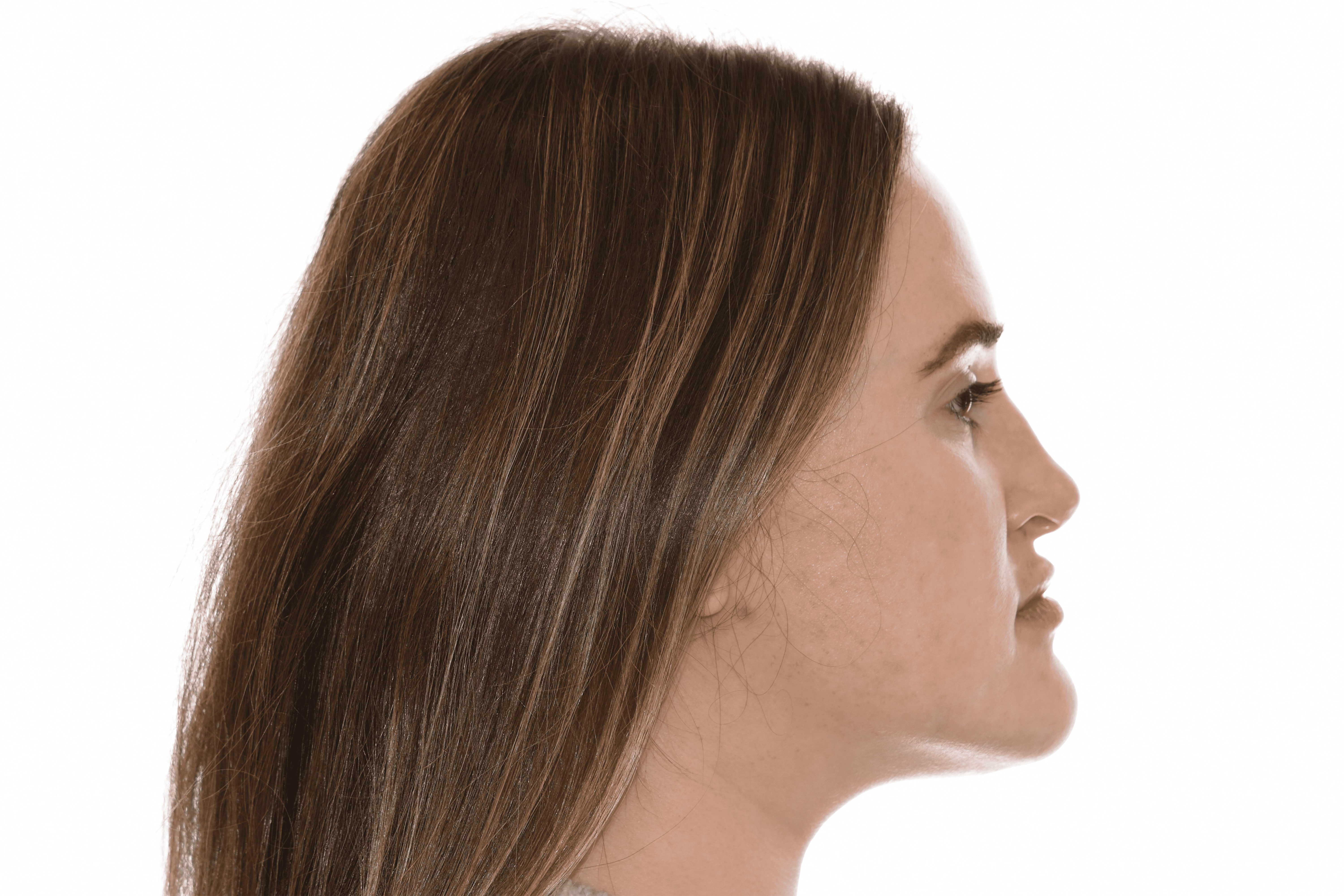
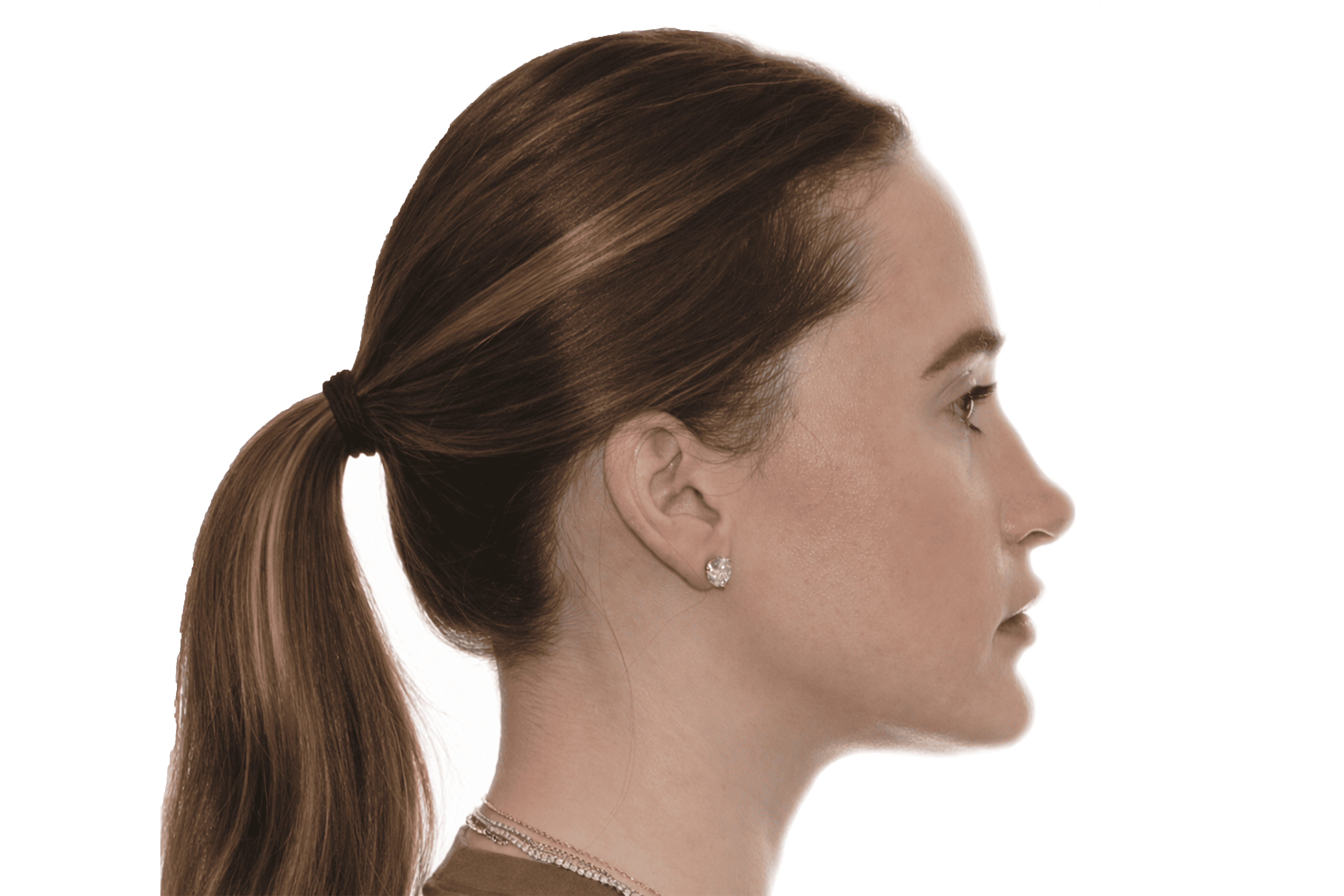
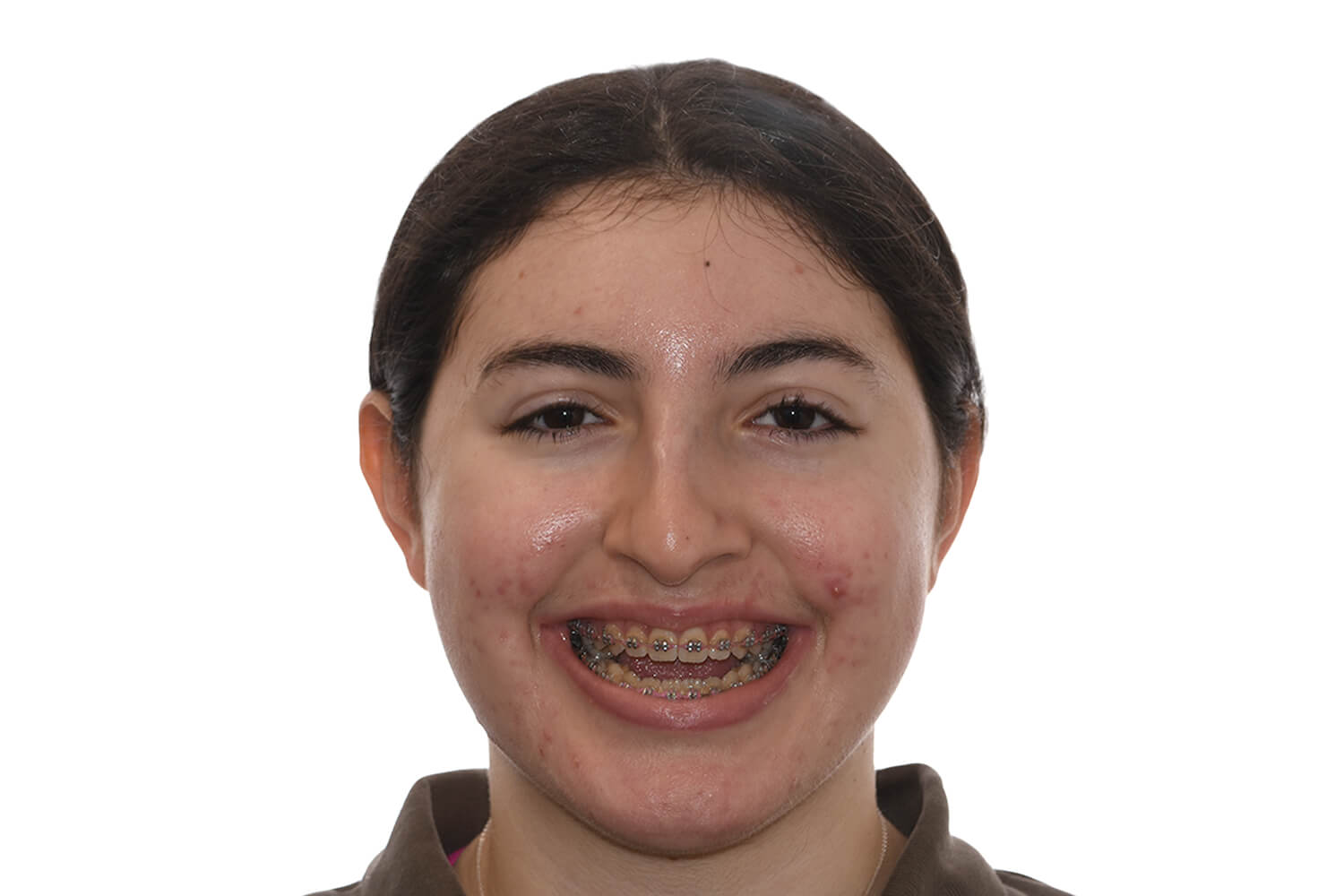

Cleft Lip often involves complex surgical, developmental, and functional concerns that require coordinated, specialized management. Outcomes depend heavily on a surgeon's training, clinical judgment, and familiarity with the nuances of this condition. Teams that regularly treat patients with Cleft Lip are typically better equipped to manage both immediate surgical needs and long-term outcomes.
In a private practice setting, care is often more streamlined and consistent, with the same surgeon closely involved in evaluation, treatment planning, surgery, and follow-up.
In academic or hospital-based settings, care may involve a larger team that can include residents or fellows participating under supervision. Both models can provide excellent care, but the structure and continuity of treatment may feel different. At our center, your care is delivered directly by your surgeon — not by residents, fellows, or surgeons in training.
It is important to understand who is performing each part of your treatment. In some settings, the attending surgeon performs all critical portions of the procedure, while in others trainees may assist or participate under supervision. This should be discussed clearly in advance. At our center, your surgeon performs all critical portions of the procedure.
Depending on the treatment setting, residents, fellows, or students may be involved in aspects of care. Patients and families should feel comfortable asking about their role and how care is supervised throughout treatment.
At our center, there are no residents or fellows involved in performing surgery.
Long-term follow-up is an important part of care for many conditions managed at our center. In some practices, post-treatment care may be shared among multiple providers, while in others the surgeon remains closely involved throughout recovery and monitoring. At our center, your surgeon personally follows you throughout recovery and long-term care.
Comprehensive care includes direct surgical involvement in evaluation, treatment planning, surgery, and long-term follow-up. Consistency throughout the process helps maintain continuity of care.
At our center, your surgeon is directly involved at every stage — from initial evaluation through treatment and follow-up.
A cleft lip is a congenital opening or gap in the upper lip that occurs when the tissues of the lip do not fully join together during early fetal development. The cleft may involve one side of the lip, both sides, or the central portion, and can range from a small notch to a complete separation extending to the nose.
Cleft lip results from incomplete fusion of facial structures during the first trimester of pregnancy. The cause is typically multifactorial, involving a combination of genetic predisposition and developmental factors. In the vast majority of cases, there is nothing a parent did or was exposed to that caused it — it is not the result of anything that went wrong in how the pregnancy was managed.
Not always. A cleft lip can occur with or without a cleft palate. When both are present, the condition is often referred to as cleft lip and palate. The two conditions share some causes but are distinct anatomically and may involve different surgical considerations.
A cleft lip alone often has less impact on feeding than a cleft palate, but some infants may need modified feeding techniques or specialized bottles to feed effectively. Feeding support from a knowledgeable team in the early weeks can be very helpful.
Surgical repair leaves a scar, but it is placed at or near the natural lines of the lip and philtrum to minimize its appearance. Scar maturation occurs over months to years, and most scars fade considerably with time. Revision procedures are sometimes performed later in childhood to optimize appearance.
A repaired cleft lip alone typically does not cause significant speech problems. When a cleft palate is also present, speech concerns are more common and require separate evaluation and management.
Cleft lip repair is typically performed in the first few months of life, often around three to five months of age, when the infant is growing well and considered a good surgical candidate. The timing may vary depending on the child's health and the surgeon's approach.
Repair involves carefully realigning and joining the tissues of the lip to create a continuous lip with improved shape, symmetry, and function. The specific technique used depends on the type and extent of the cleft. Surgery is performed under general anesthesia.
Some children require revision surgery later in childhood or adolescence to refine the lip or nasal appearance as the face grows. Nasal correction may be performed at the time of the initial repair or as a staged procedure.
In some cases, nasoalveolar molding may be recommended before lip repair to help reshape the nose and lip tissues in preparation for surgery. Not all centers or patients require this approach.
Yes. Children with cleft lip benefit from periodic monitoring of scar maturation, lip symmetry, nasal shape, dental development, and overall facial growth throughout childhood and into adolescence. Additional treatment may be recommended based on growth and appearance over time.
The nose is often affected by the cleft and may require attention at the time of lip repair or through later procedures. Definitive nasal correction is often deferred until facial growth is more complete.
Not necessarily. A bone graft may be recommended if the cleft extends into the alveolar ridge (the gum and bone that support the teeth). When needed, alveolar bone grafting is typically planned during childhood based on your child’s dental development and the position of the permanent teeth. Your cleft team and orthodontist will determine whether a graft is needed and the appropriate timing.
Yes. We regularly care for families traveling from outside the region for cleft lip repair and related care.
Most infants recover well after cleft lip repair and are discharged from the hospital within one to two days. The reason out-of-town families stay locally for approximately five to seven days is to attend their first post-operative visit, at which the surgeon examines the repair, confirms healing is on track, and clears the family for travel home. This appointment is an important part of the early recovery process and ensures that any questions or concerns are addressed in person before the return trip. The specific timing may vary based on the infant's overall health and recovery progress, and your surgeon will confirm the post-op visit schedule in advance.
Yes. Once the post-operative visit has taken place and the surgeon is satisfied with healing, most families are cleared for ground travel shortly thereafter. Air travel is generally appropriate at approximately seven to ten days after surgery, assuming recovery is proceeding well. Your surgeon will advise on both at the post-op visit.
Evaluation at our center includes examination of the lip and nasal anatomy, feeding assessment, and a thorough discussion of the surgical plan, timing, and what to expect during recovery. Families are given clear guidance on preparation, the hospital stay, and follow-up before returning home.
Yes. After returning home, a follow-up visit will be needed to monitor continued healing and scar maturation. Depending on what needs to be assessed, this may be conducted via telemedicine or may require an in-person return. Your surgeon will advise on the format and timing before you travel home.