



Pediatric Mandibular Distraction
Controlled, Gradual Lengthening of the Lower Jaw to Restore Function and Support Growth
What Is Pediatric Mandibular Distraction?
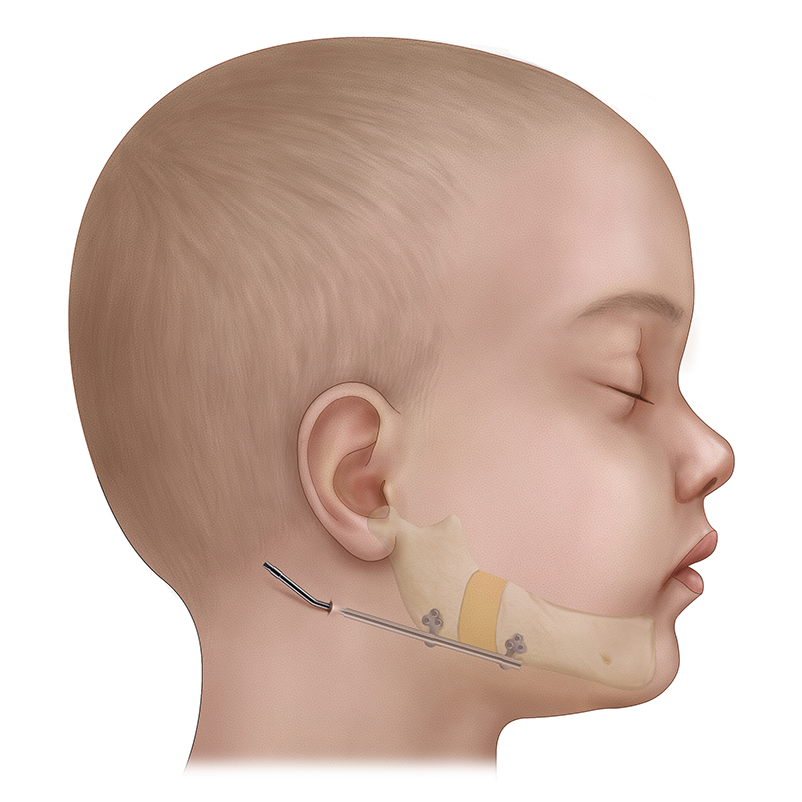
What People Find Most Helpful To Know About Pediatric Mandibular Distraction

Well Tolerated
Most children tolerate the procedure well and recover quickly.

Quick Return
Many children return to normal behaviors within a few days to 1 week.

Breathing & Feeding Benefits
Breathing and feeding improvements are often noticeable early in recovery.

Quick Adjustment
The device generally does not bother children during daily activities once they adjust to it.
When Is Pediatric Mandibular Distraction Performed?


Improved airway and breathing

Enhanced bite alignment and chewing function

Gradual and controlled jaw growth


Reduced need for future extensive surgeries

Improved facial symmetry and appearance

Support for normal speech and oral development
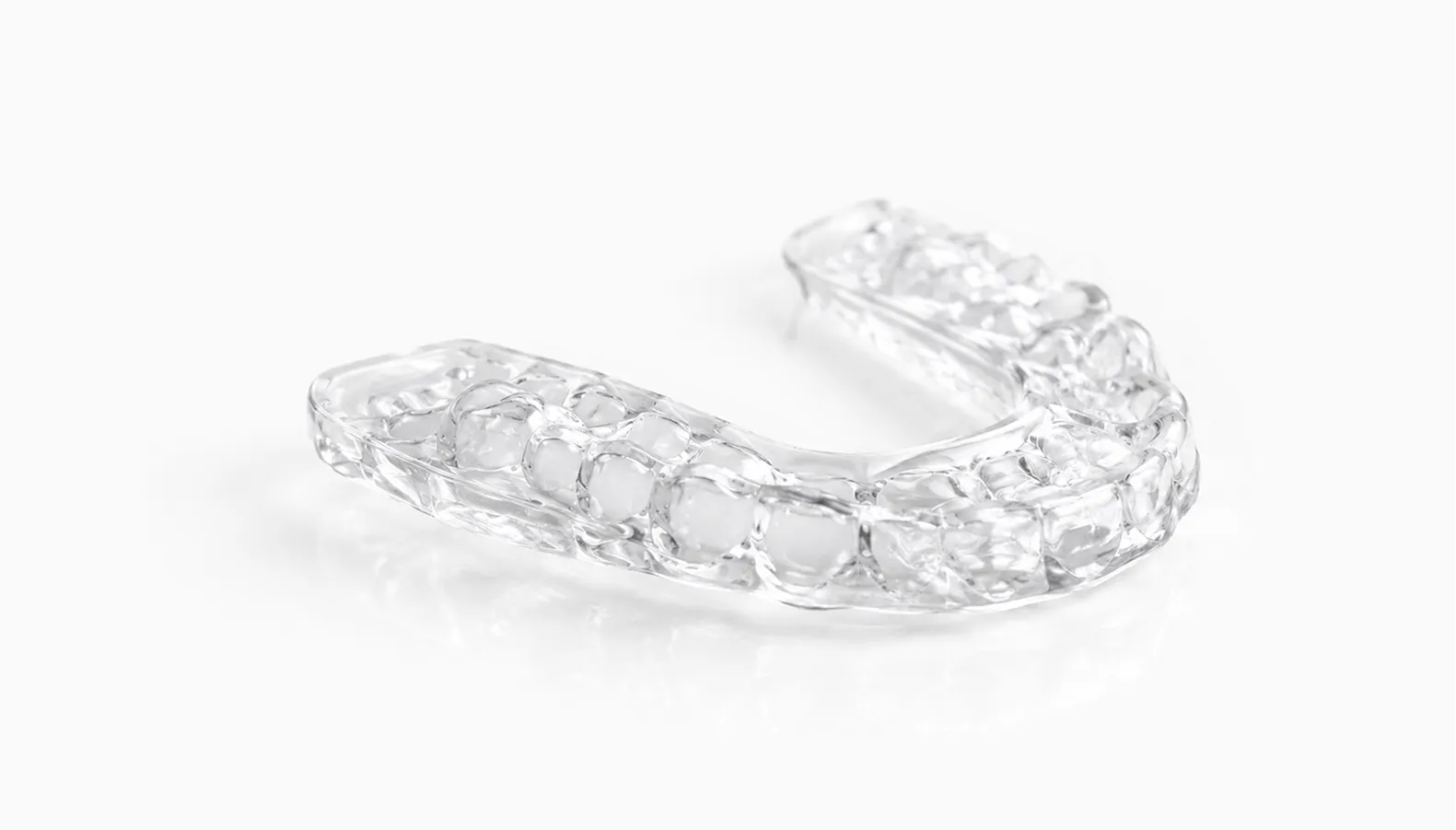
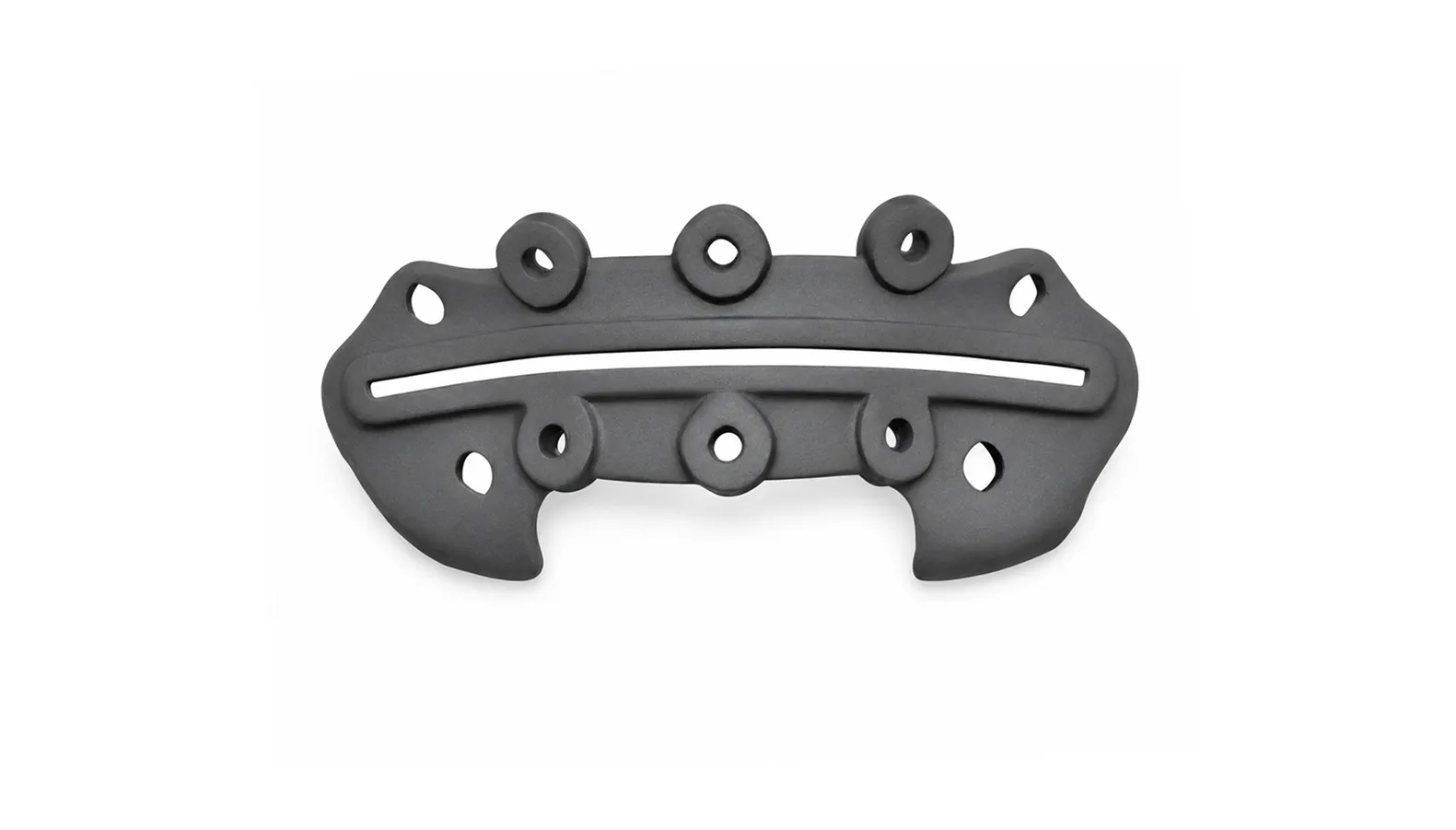
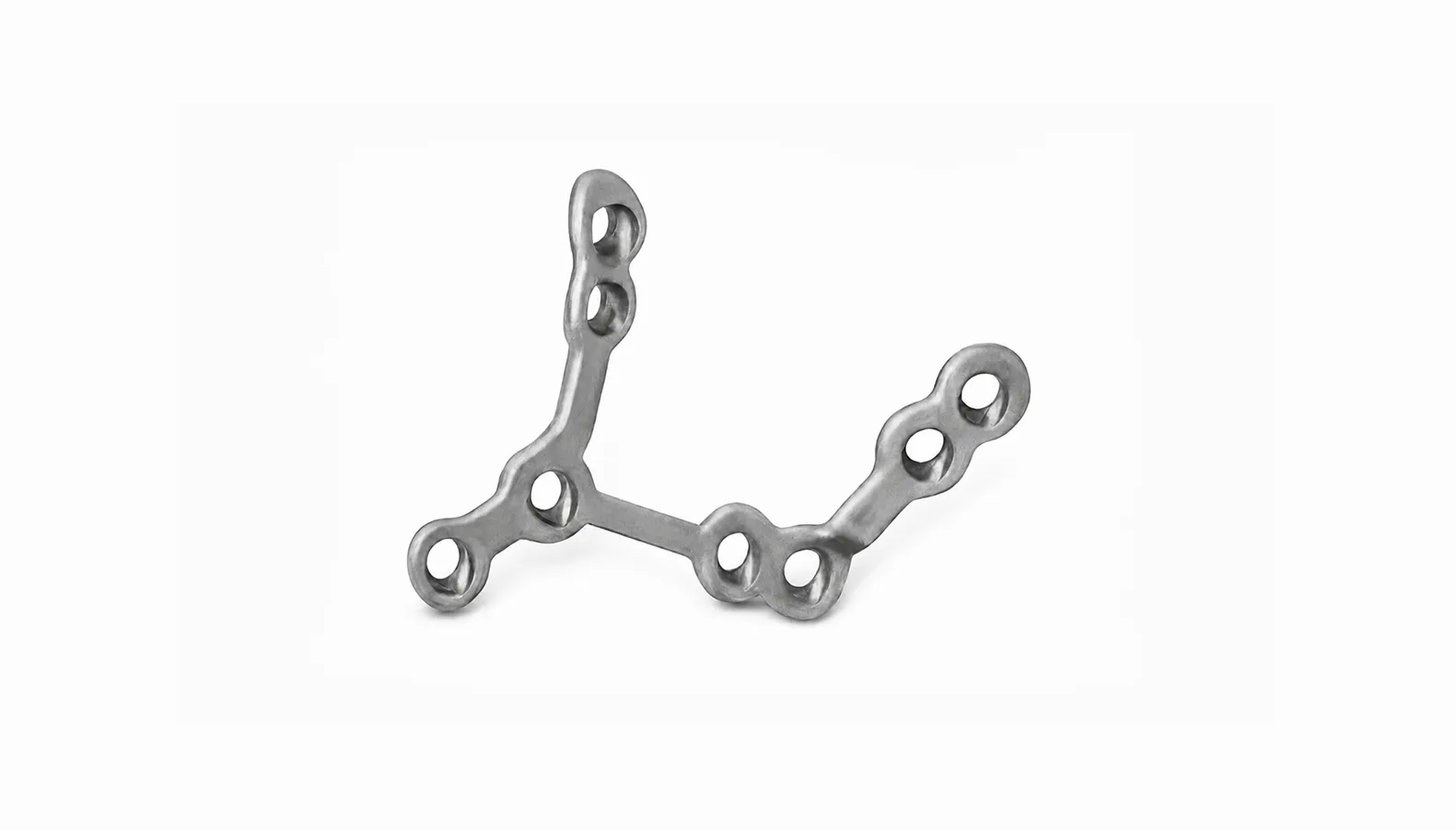

Pediatric Mandibular Distraction Procedure
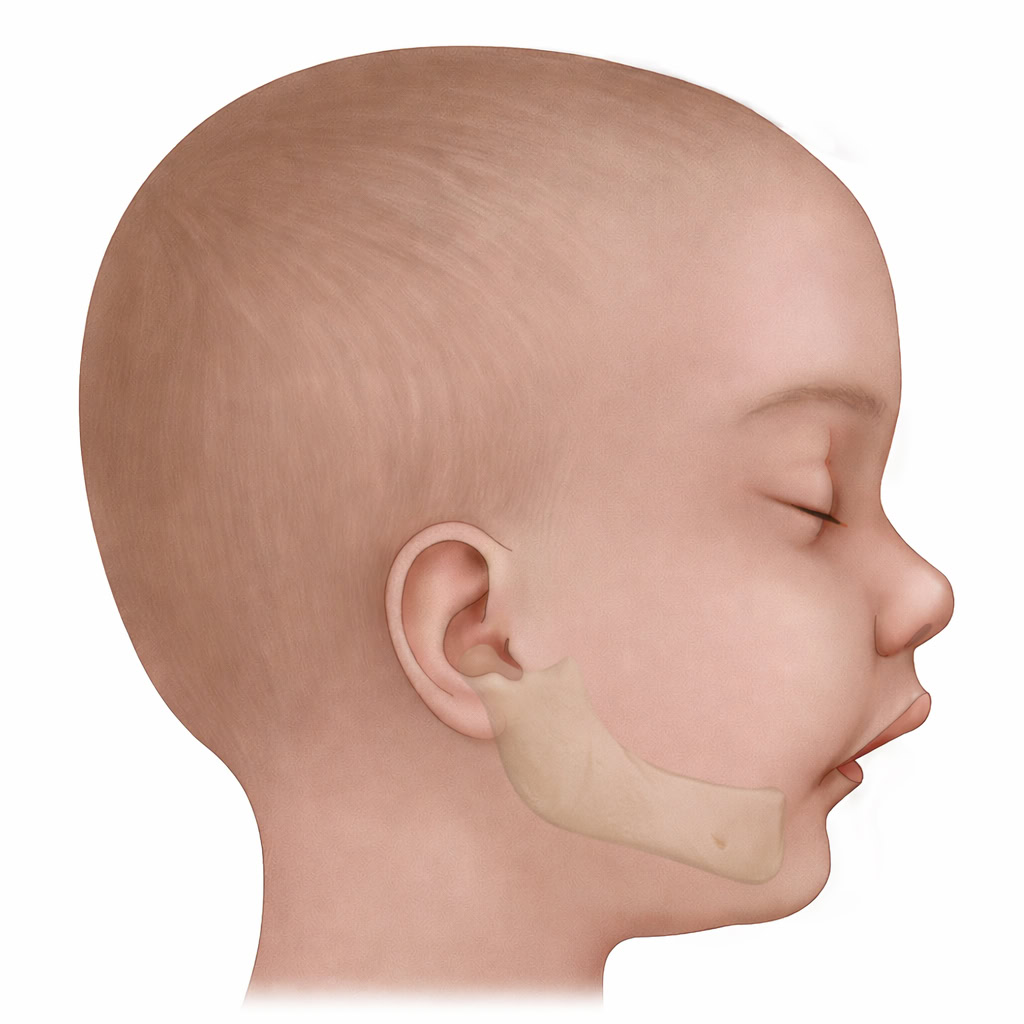
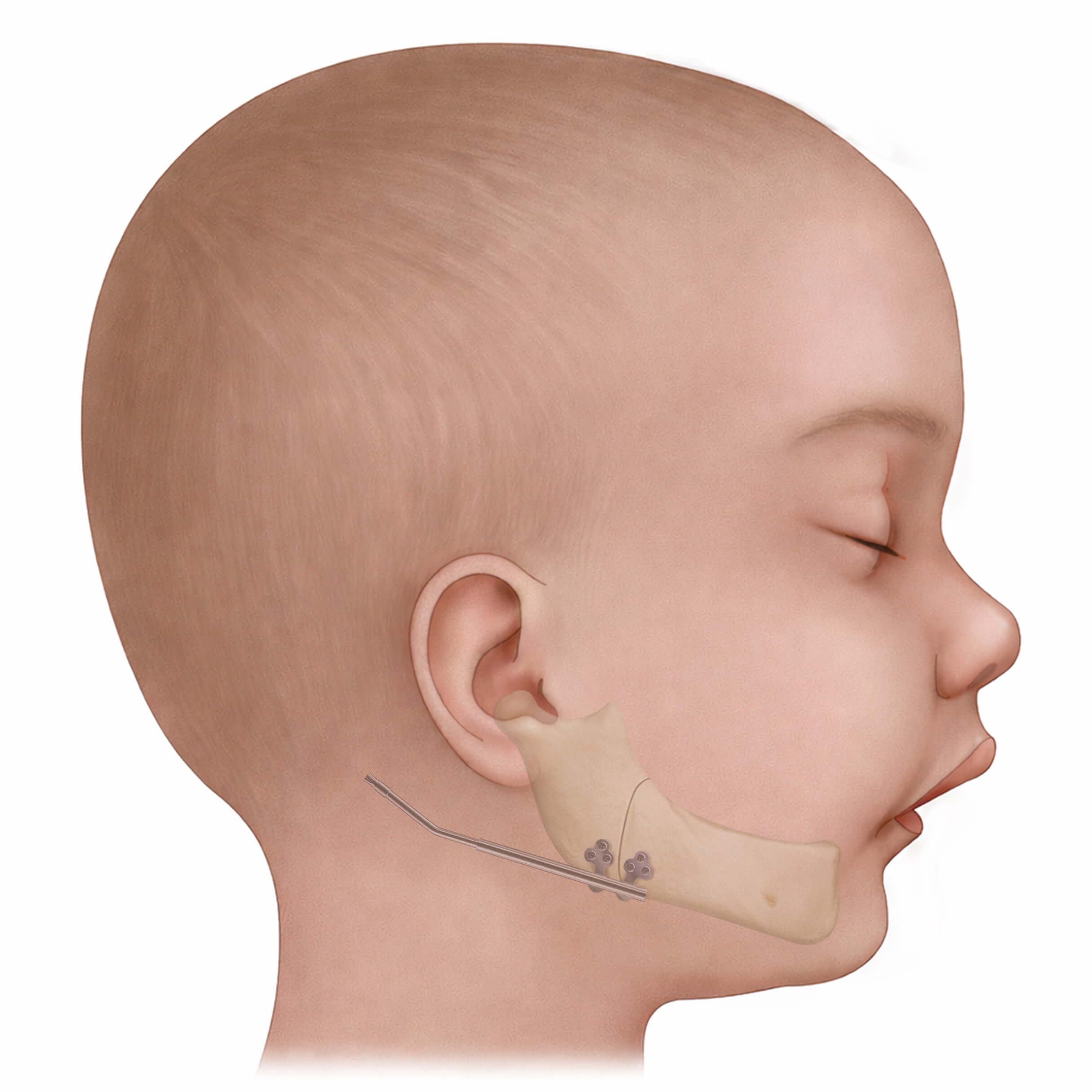
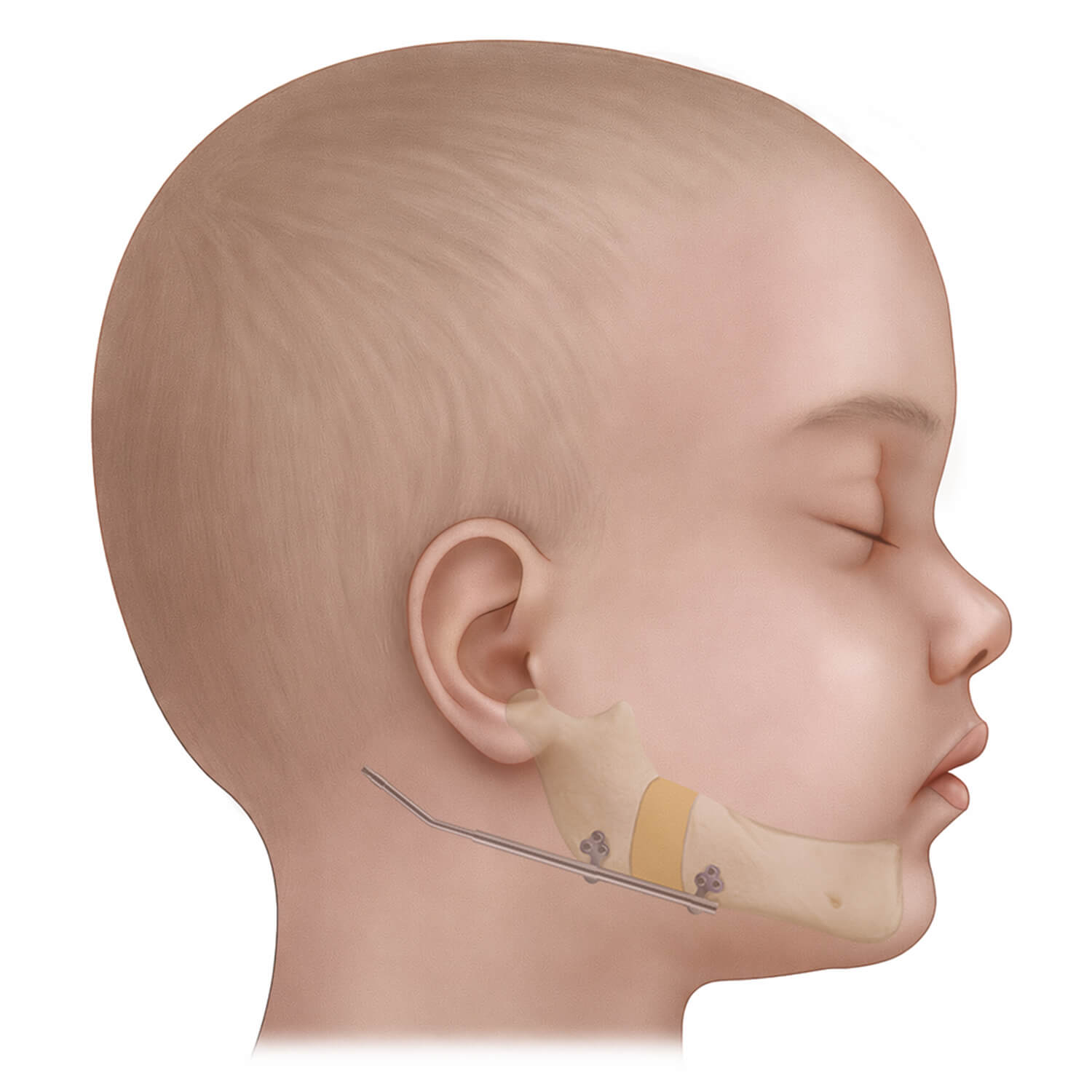
Pediatric mandibular distraction is performed in several carefully planned stages to gradually move a child’s lower jaw into a better position. During the procedure, the surgeon makes a small cut in the jawbone and places distraction devices, typically one on each side of the lower jaw. After a brief healing period, the devices are adjusted a small amount each day, allowing the jaw to move forward slowly and safely.
As the jaw advances, the body naturally creates new bone in the space that forms between the bone segments. This process allows the jaw to lengthen gradually while surrounding muscles, soft tissues, and nerves adapt to the change. Once the desired jaw position has been achieved, the devices remain in place for a period of time so the newly formed bone can mature and become strong. The result is a longer, more stable lower jaw that can improve breathing, feeding, airway function, and overall facial balance.
Before & After Gallery
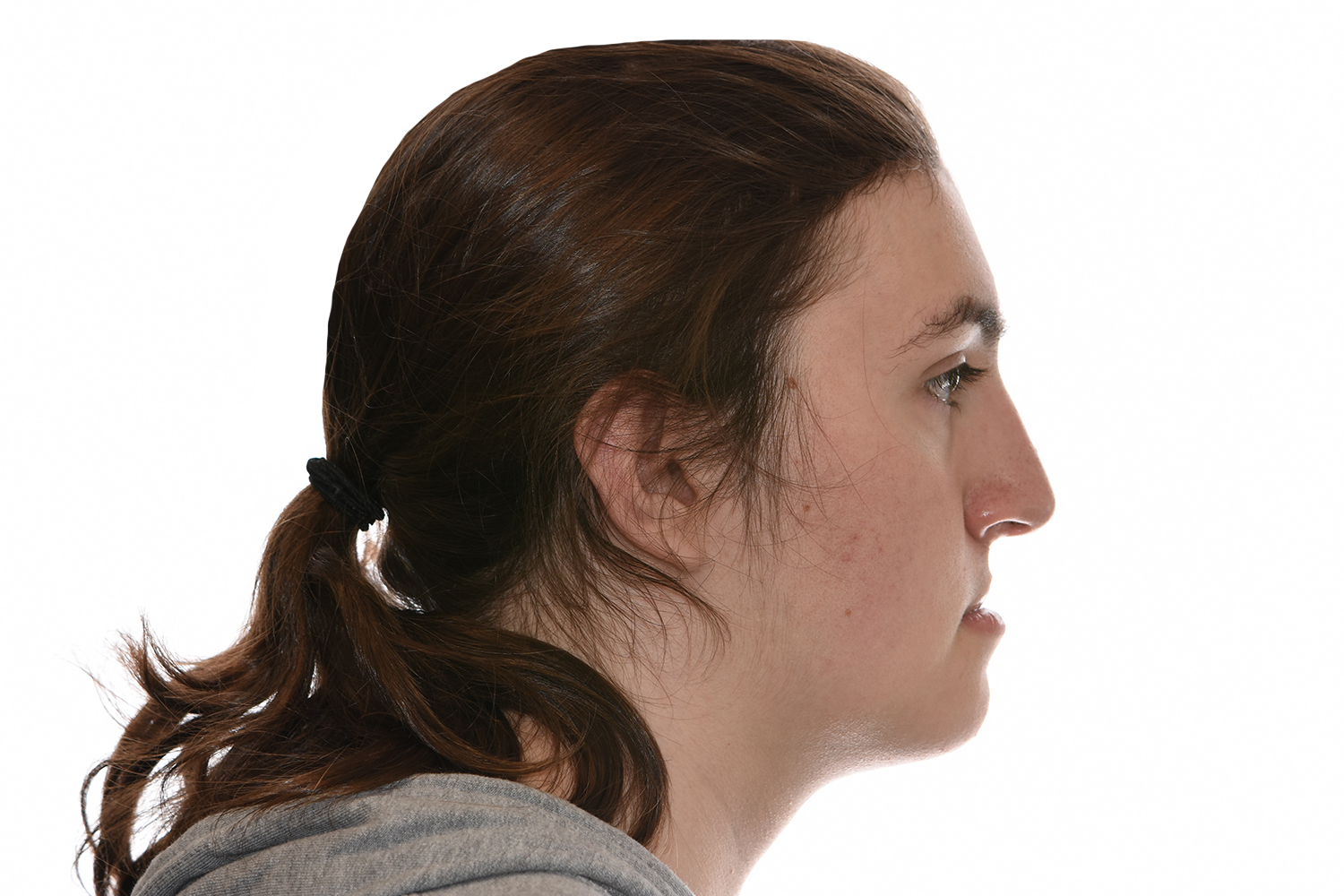
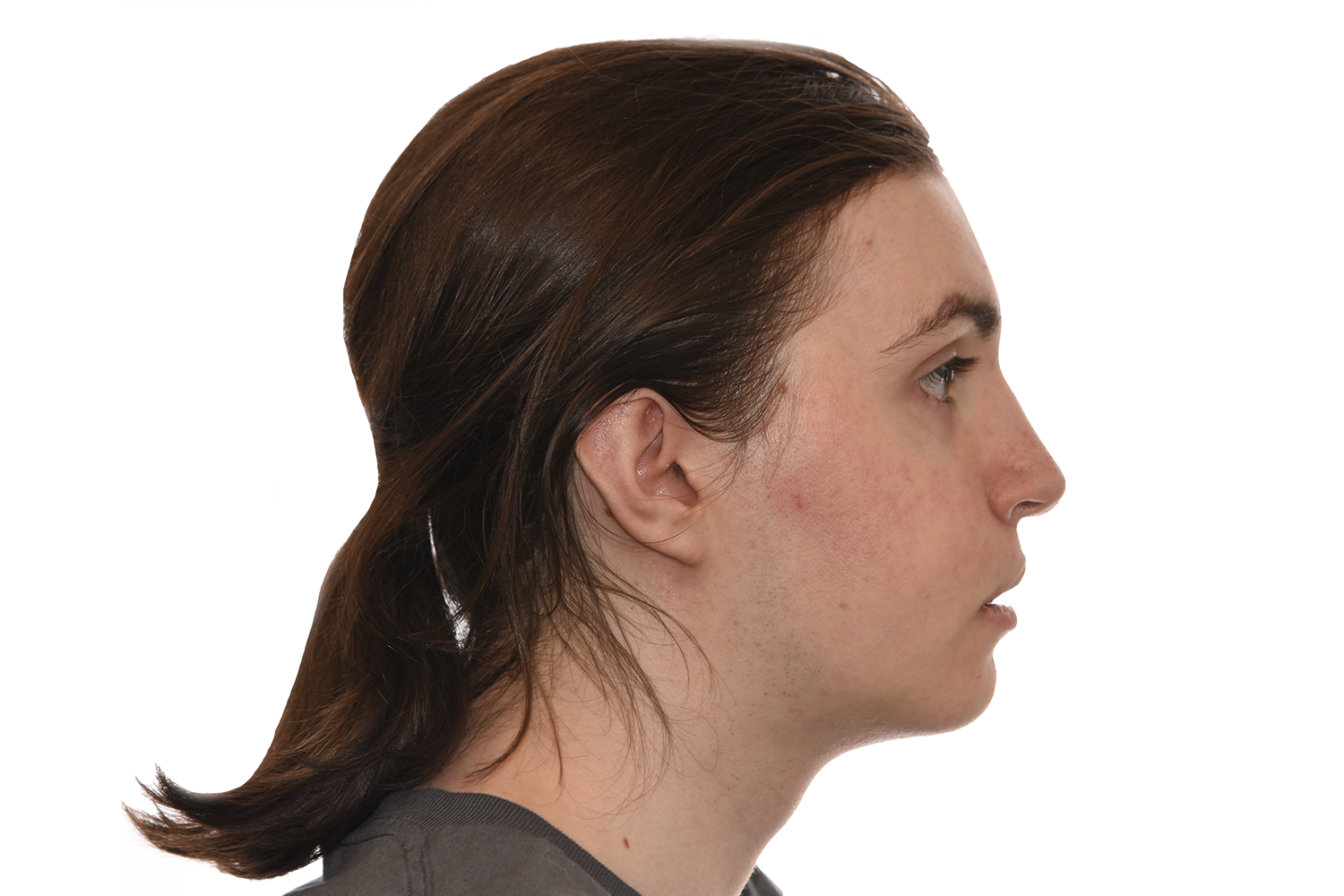

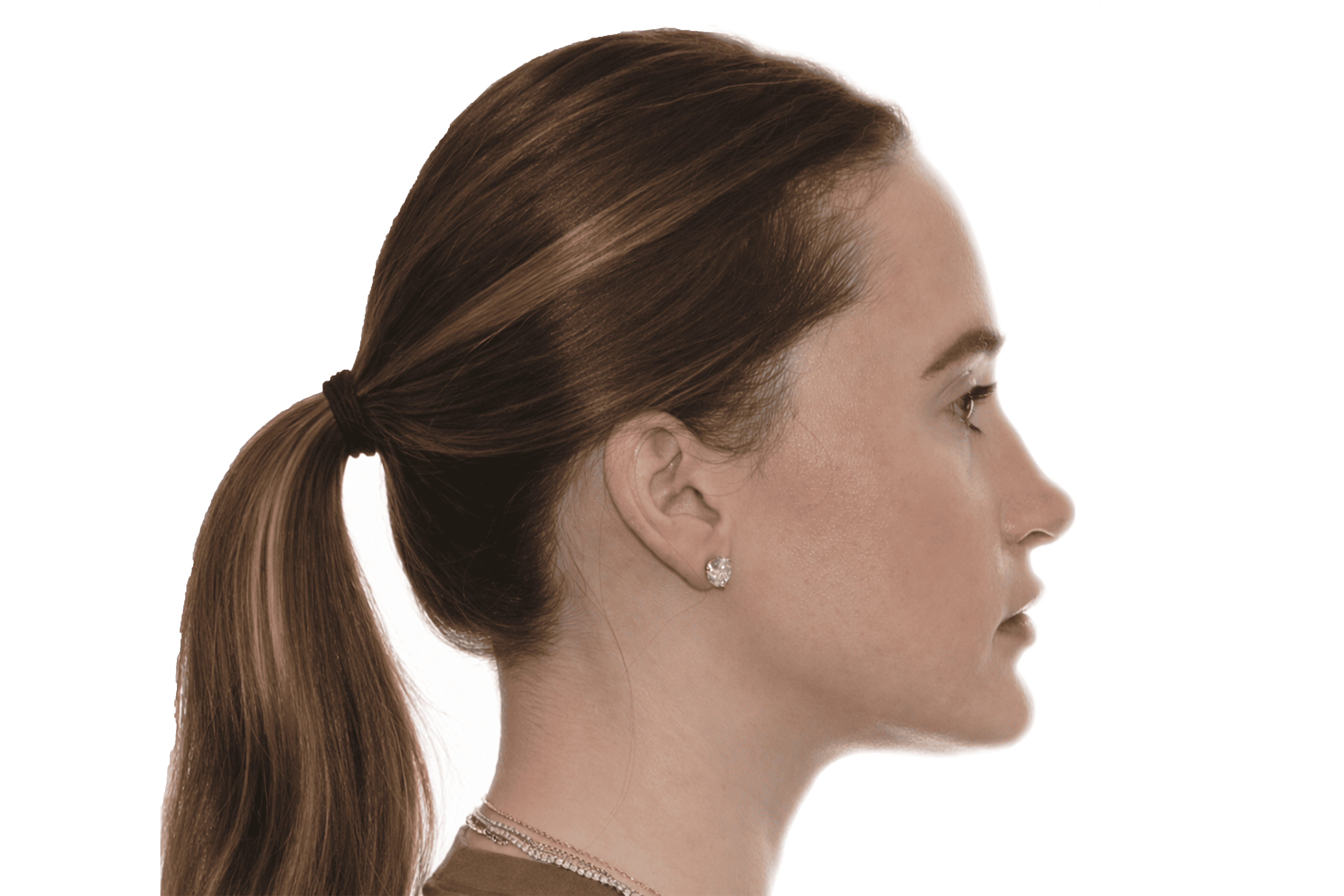
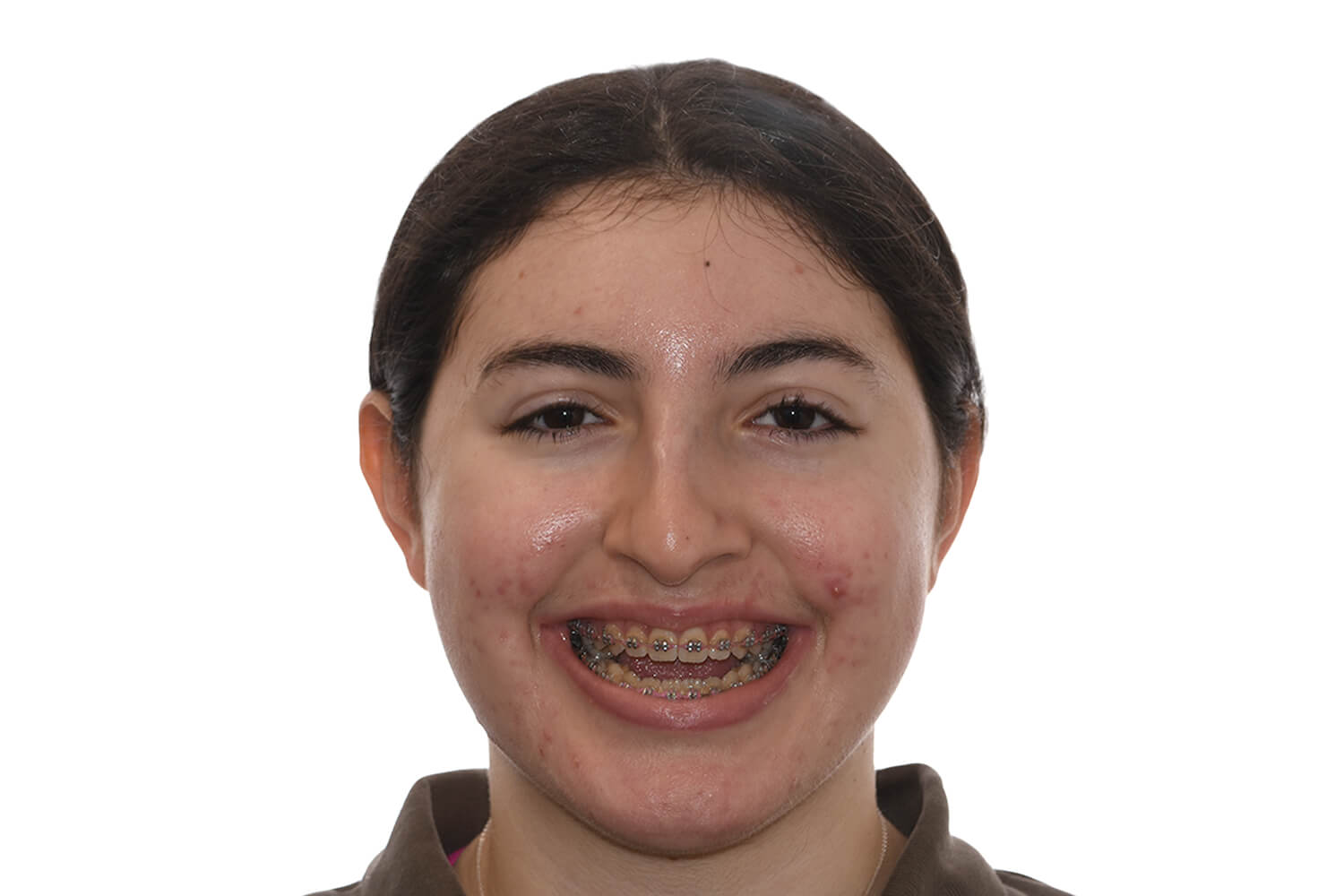

Timeline For Pediatric Mandibular Distraction
Recovery
Following corrective jaw surgery, the recovery phase focuses on controlled healing, swelling reduction, and gradual return to normal jaw function while your care team closely monitors comfort, progress, and bite stability.
Week 1
Early Recovery
Week 2–4
Return to Light Activities
Month 1–3
Bite Stabilization
Month 3–12
Final Results
What To Expect After Pediatric Mandibular Distraction
Most children experience progressive improvement in airway function, bite, and jaw symmetry during the first few days to 1 week after activation begins.

Risks & Possible Complications

An experienced team and close follow-up care help maximize the likelihood of optimal outcomes.
Pediatric Mandibular Distraction Osteogenesis requires precise surgical judgment, specialized training, and familiarity with the anatomical and functional nuances of this procedure. Outcomes depend heavily on the surgeon's experience, technique, and ability to anticipate and manage the full range of possible findings. Surgeons who perform this procedure regularly are typically better positioned to achieve consistent, safe results.
In a private practice setting, care is often more streamlined and consistent, with the same surgeon closely involved in evaluation, treatment planning, surgery, and follow-up.
In academic or hospital-based settings, care may involve a larger team that can include residents or fellows participating under supervision. Both models can provide excellent care, but the structure and continuity of treatment may feel different. At our center, your care is delivered directly by your surgeon — not by residents, fellows, or surgeons in training.
It is important to understand who is performing each part of your procedure. In some settings, the attending surgeon performs all critical portions, while in others trainees may assist or participate under supervision. This should be discussed clearly in advance. At our center, your surgeon performs all critical portions of the procedure.
Depending on the treatment setting, residents, fellows, or students may be involved in aspects of care. Patients should feel comfortable asking about their role and how care is supervised.
At our center, there are no residents or fellows involved in performing surgery.
Post-operative follow-up is an important part of surgical care. At our center, your surgeon personally follows you through recovery and any additional visits required.
At our center, your surgeon is directly involved at every stage — from the initial consultation and treatment planning through surgery, post-operative visits, and long-term follow-up.
Mandibular distraction osteogenesis is a surgical technique that gradually lengthens the lower jaw by making a controlled cut through the jawbone, attaching a device called a distractor, and then slowly separating the bone segments over a period of days to weeks. New bone forms in the gap as the segments are pulled apart, resulting in a longer jaw with the patient's own bone.
In infants and young children, mandibular distraction is most commonly used to treat significant airway obstruction caused by a small lower jaw, as seen in conditions such as Pierre Robin sequence and Treacher Collins syndrome. By lengthening the lower jaw, the tongue is repositioned forward and the airway is enlarged, which can be life-changing in infants with severe breathing difficulties. In older children, it may be used to address significant jaw underdevelopment as part of a staged treatment plan.
The amount of lengthening achievable depends on the child's anatomy, age, and the goals of treatment. Distraction can achieve significantly greater jaw lengthening than conventional jaw surgery alone, making it particularly valuable in patients with severe underdevelopment. The distraction plan is individualized based on the specific needs of each patient.
Treatment occurs in three phases. The latency phase begins immediately after surgery and lasts several days, allowing early healing before distraction begins. The active distraction phase follows, during which the device is turned incrementally each day to gradually separate the bone segments. This typically lasts two to four weeks depending on the amount of lengthening needed. The consolidation phase then begins, during which the device is left in place while the new bone matures and hardens — typically six to eight weeks before device removal.
Yes, in terms of operative time and the number of structures involved. However, in the hands of an experienced surgeon it is a well-established procedure with a strong track record of safety and effective outcomes. The additional complexity is offset by the more complete correction it allows.
The initial procedure involves making a controlled cut through the lower jawbone on one or both sides and attaching the distraction device to the bone segments through incisions inside the mouth and, in some cases, through small external access points. The procedure is performed under general anesthesia.
From the initial surgery through device removal, the full treatment course typically spans two to four months depending on the amount of distraction required and the pace of consolidation. Close monitoring throughout this period is important.
Risks include device loosening or failure, incomplete bone formation, infection at the device site, and the need for device adjustment or early removal. Scar tissue at external device sites, if present, is managed at the time of device removal. These risks are reviewed thoroughly before proceeding.
Yes. Once the consolidation phase is complete and the new bone has matured adequately, the distraction device is removed in a separate surgical procedure under general anesthesia. Device removal is typically less involved than the initial surgery.
Yes. We regularly care for families traveling from outside the region for pediatric mandibular distraction.
Because mandibular distraction involves an active treatment phase that spans several weeks, the local stay is more complex than a standard one-time surgical procedure. Depending on the individual case, families may remain locally through the entire active distraction phase so the surgical team can monitor activation, jaw position, and healing in person. In other cases, families may travel home after the initial surgery and activation training and return at key points during distraction and consolidation. Some follow-up during the consolidation phase may be conducted via telemedicine. The specific plan depends on the child's condition, the amount of distraction required, and the family's circumstances, and is discussed in detail before surgery.
Families must return to the center for device removal once consolidation is complete, typically six to eight weeks after active distraction ends. Confirmation of adequate bone formation with imaging guides the timing of removal. Additional follow-up visits after device removal are also part of the care plan.
Yes. Long-term follow-up is an important part of distraction care. Jaw growth, airway stability, and the need for any future procedures are monitored over time. Some follow-up visits may be conducted via telemedicine, while others will require an in-person return. Your surgeon will outline the full follow-up plan before the family travels home.
The consultation includes airway and jaw assessment, imaging review, and a detailed discussion of the distraction plan, activation protocol, expected timeline, and what the local stay and return visits will involve. Families leave with a clear understanding of each phase of treatment and what will be required of them throughout the process.