



Condylar Hyperplasia
Excess condylar growth affecting facial balance, with effective treatment and lasting results
What Is Condylar Hyperplasia?
Understanding Condylar Hyperplasia
Condylar hyperplasia is a condition involving excessive growth of the mandibular condyle, the portion of the lower jaw that forms the jaw joint (TMJ). It most commonly affects one condyle and can cause the lower jaw to gradually lengthen or shift as growth continues, leading to facial asymmetry, chin deviation, bite changes, and progressive imbalance of the lower face.
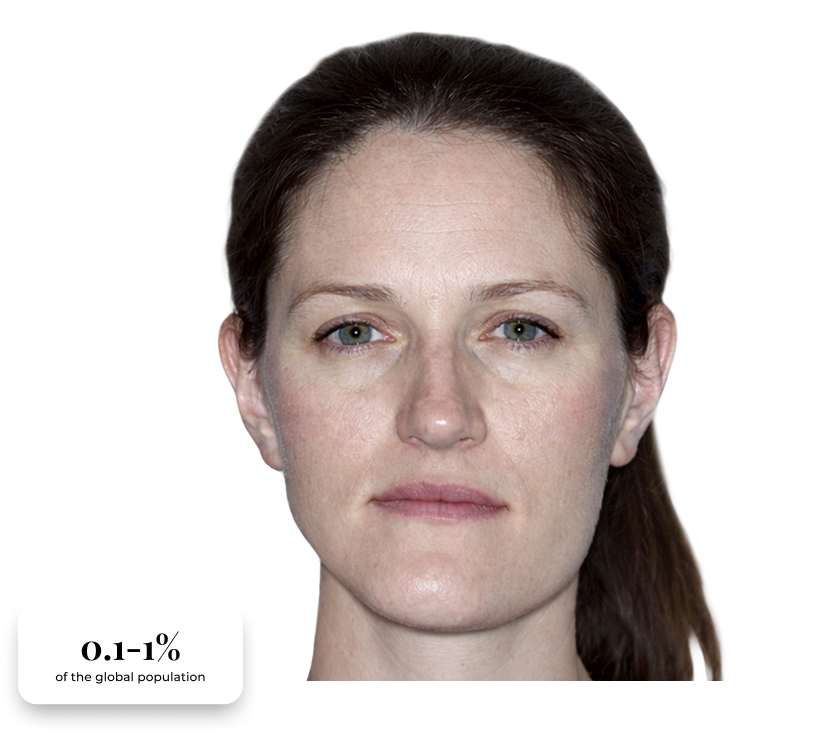
Clinical Presentation
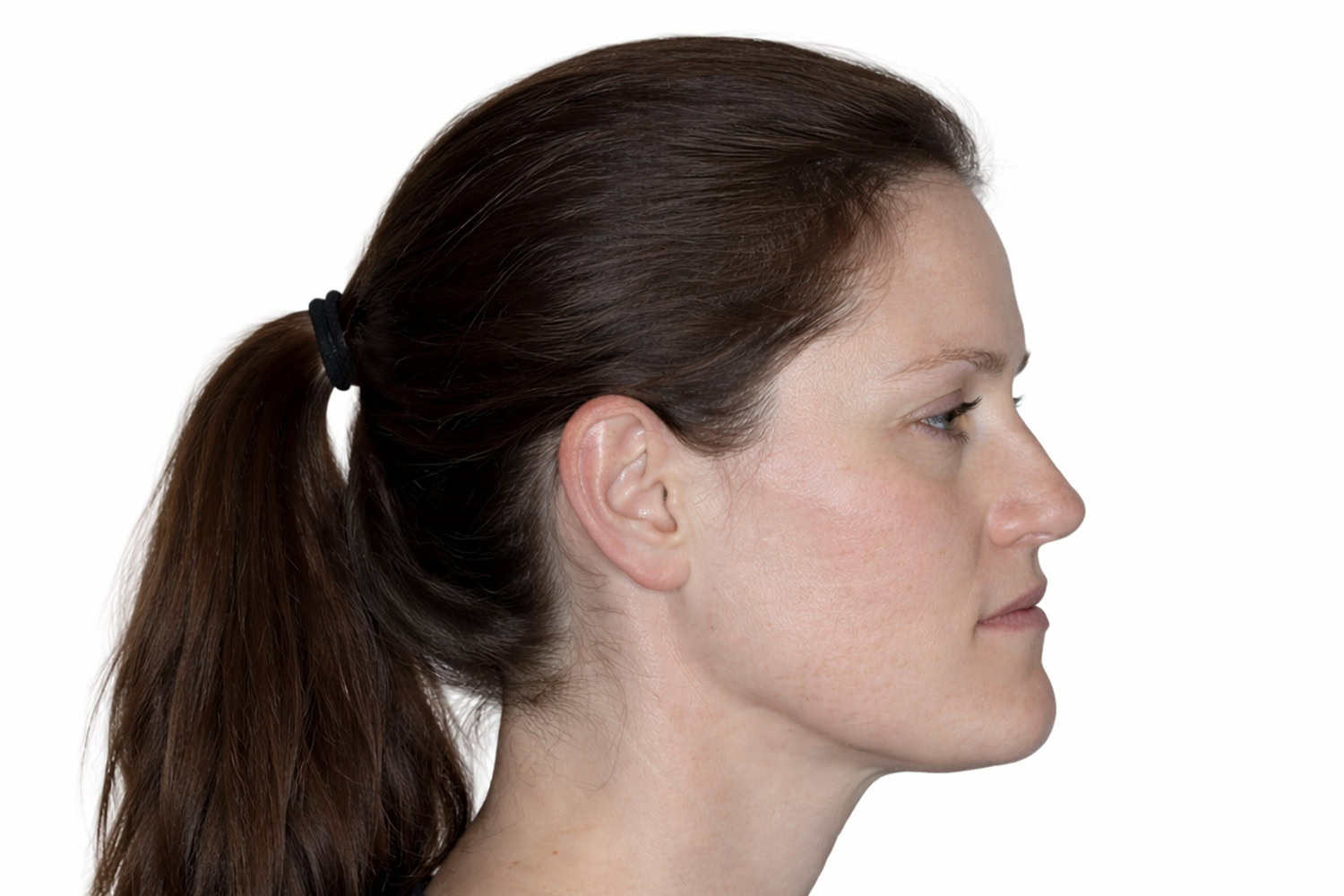
Key Assessments:
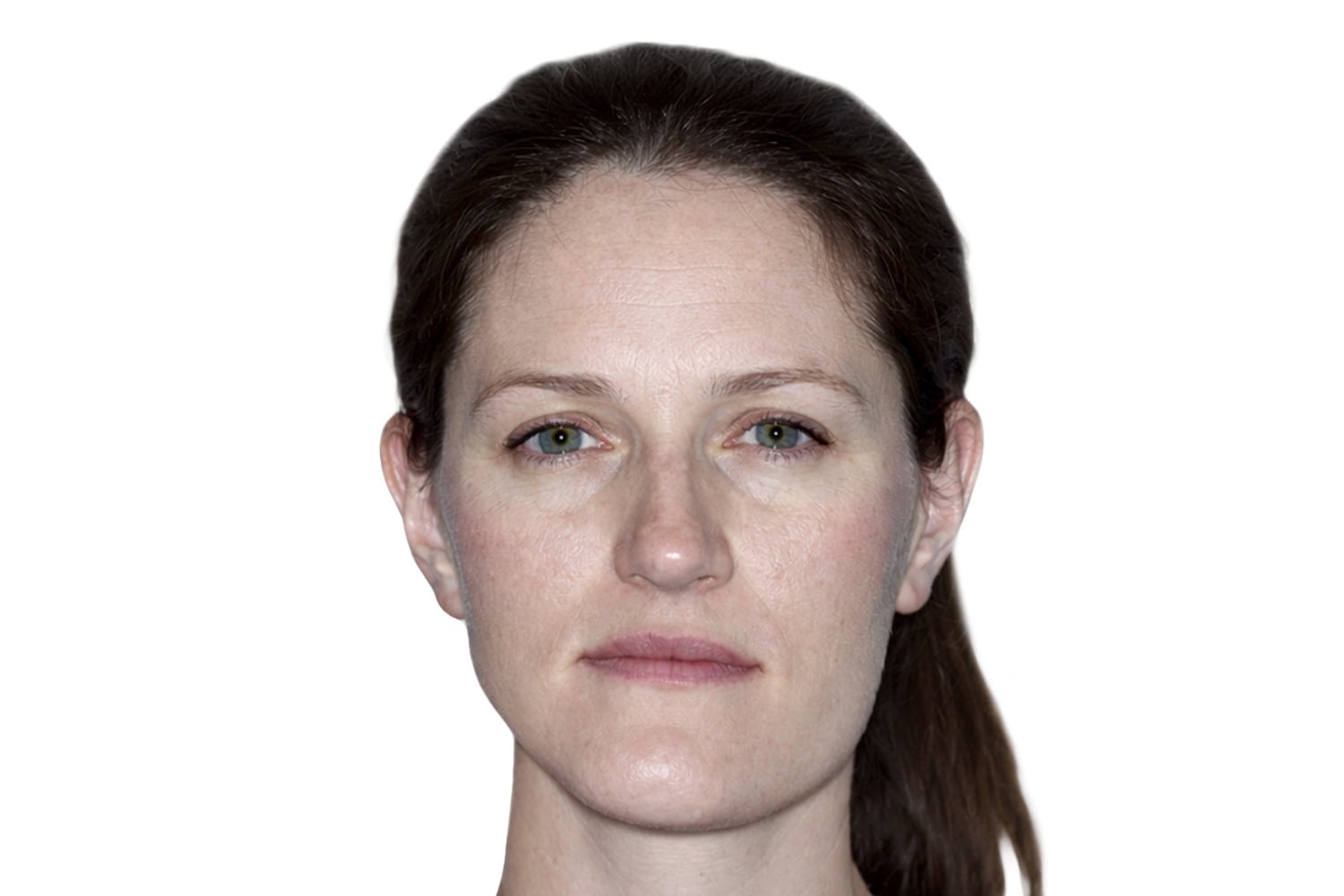
Key Assessments:
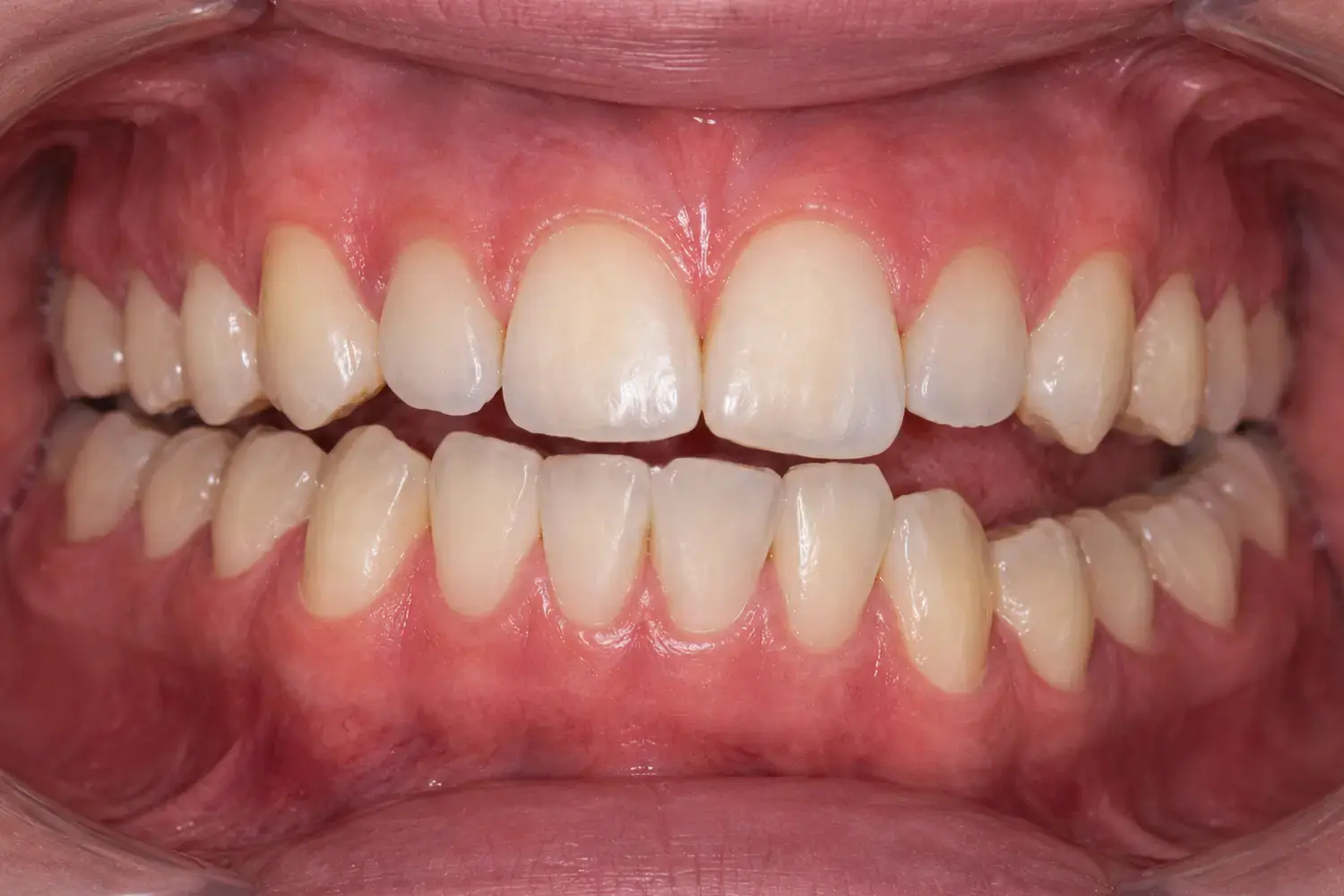
Key Assessments:
Condylar Hyperplasia
Common Functional Issues

Eating
Uneven jaw growth can disrupt chewing mechanics, leading to imbalance and fatigue during mastication.

Speech
Progressive asymmetry may interfere with coordinated jaw movement, subtly affecting speech clarity.

TMJ Function
Active condylar overgrowth can cause joint discomfort, clicking, or altered movement patterns.

Jaw Movement
Asymmetric growth may lead to deviation during opening or closing of the mouth.

Bite Stability
Ongoing growth can destabilize previously corrected bite relationships.

Psychosocial Effects
Gradually worsening facial asymmetry may impact self-esteem and emotional well-being.
Before & After Gallery
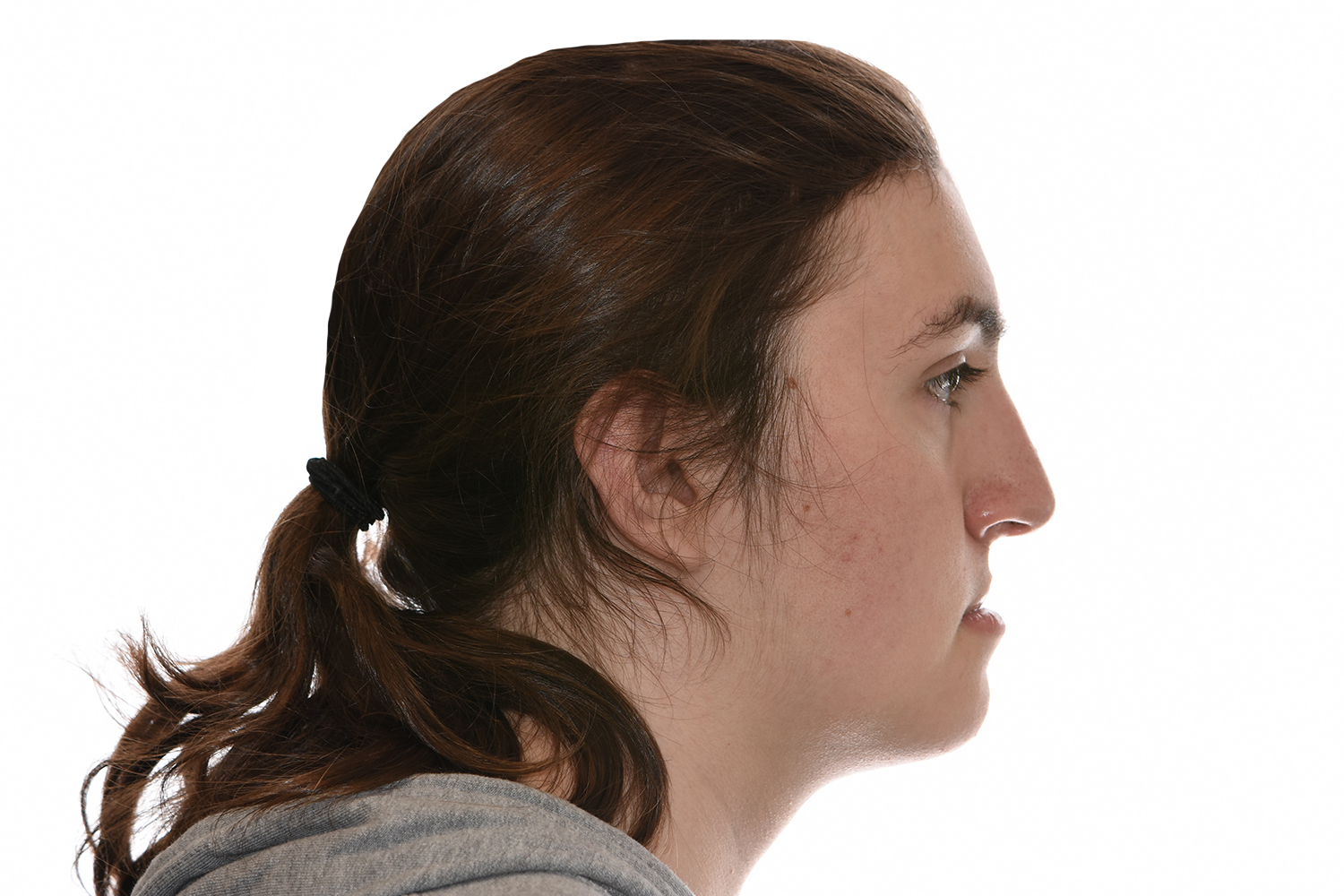
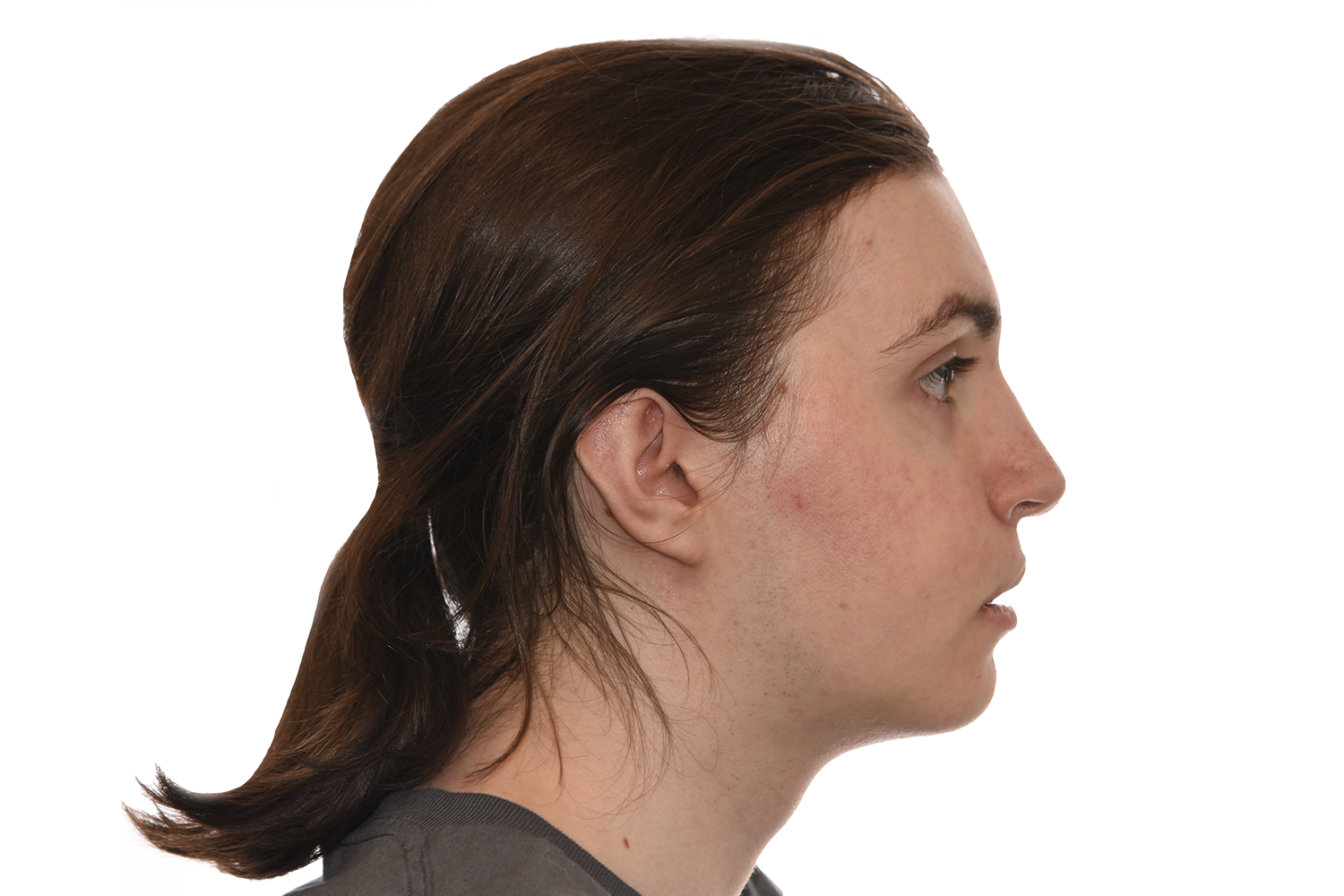
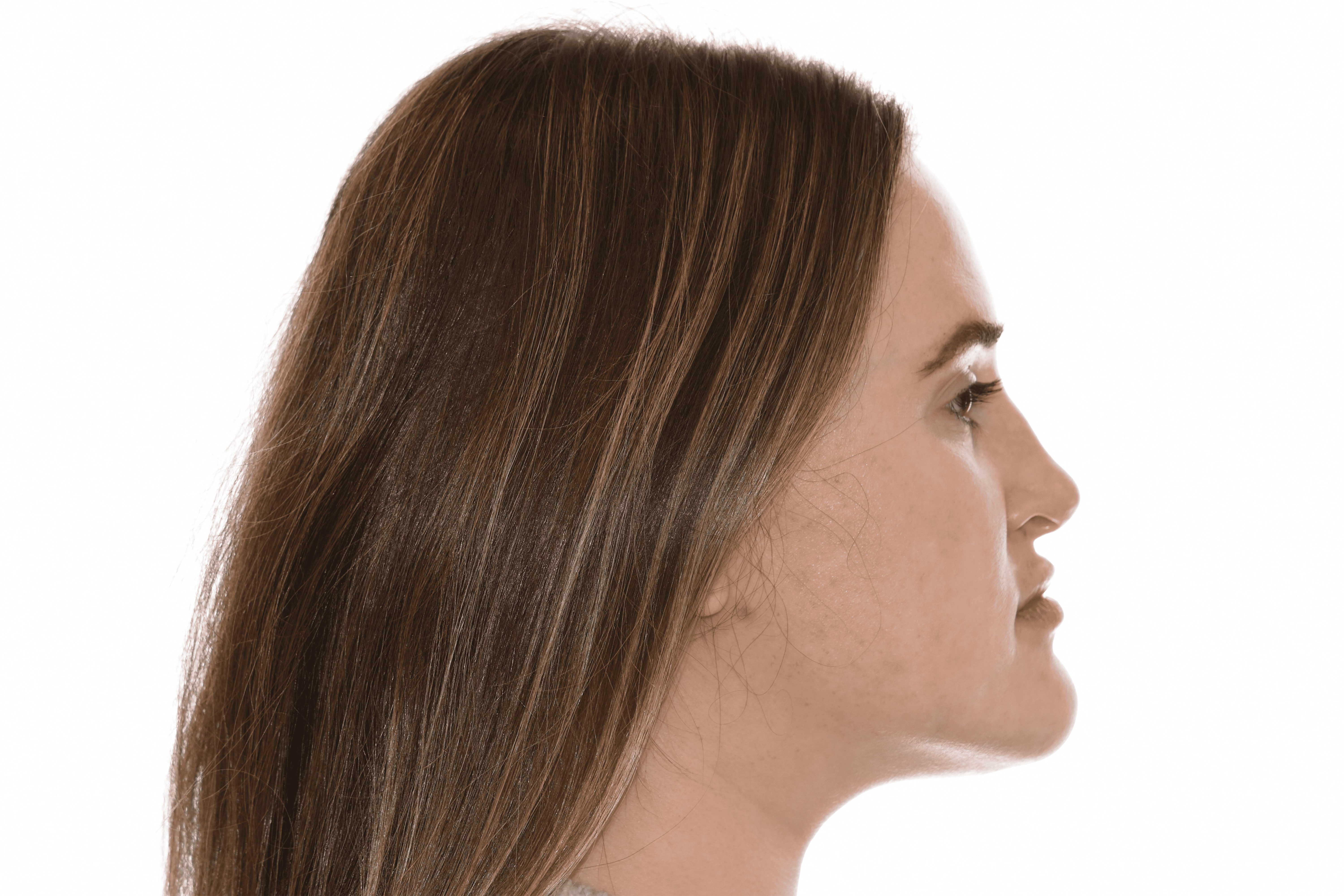
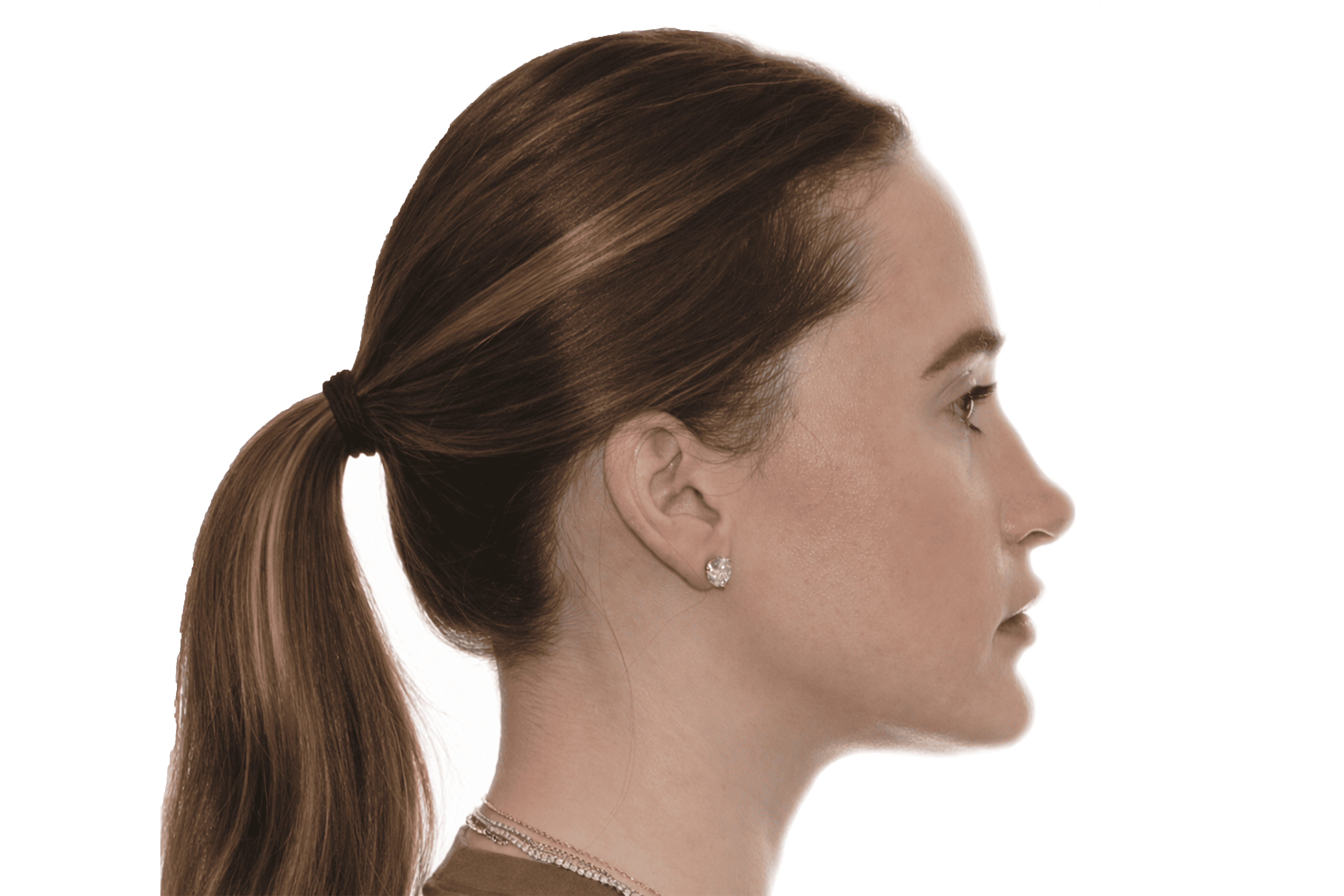
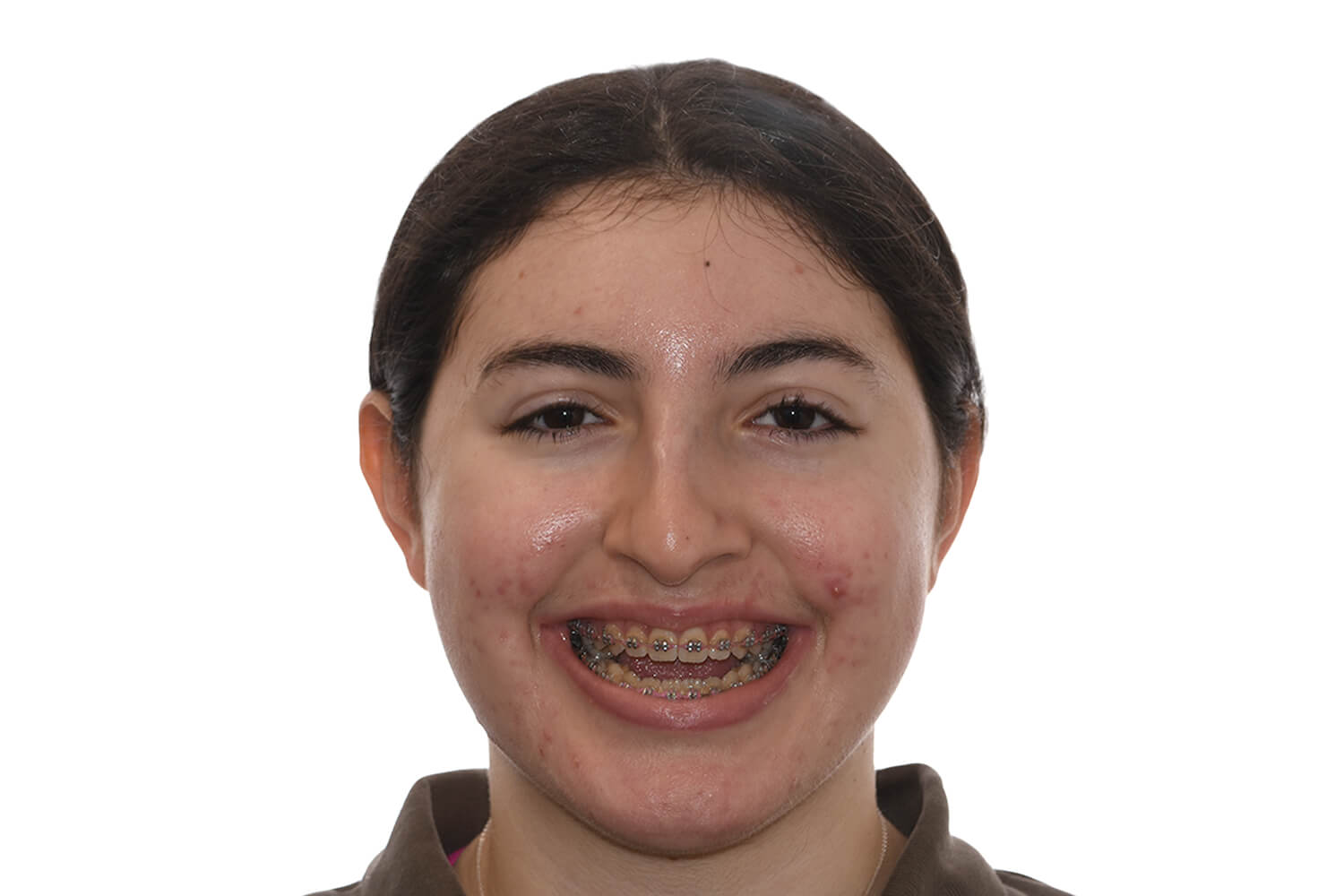
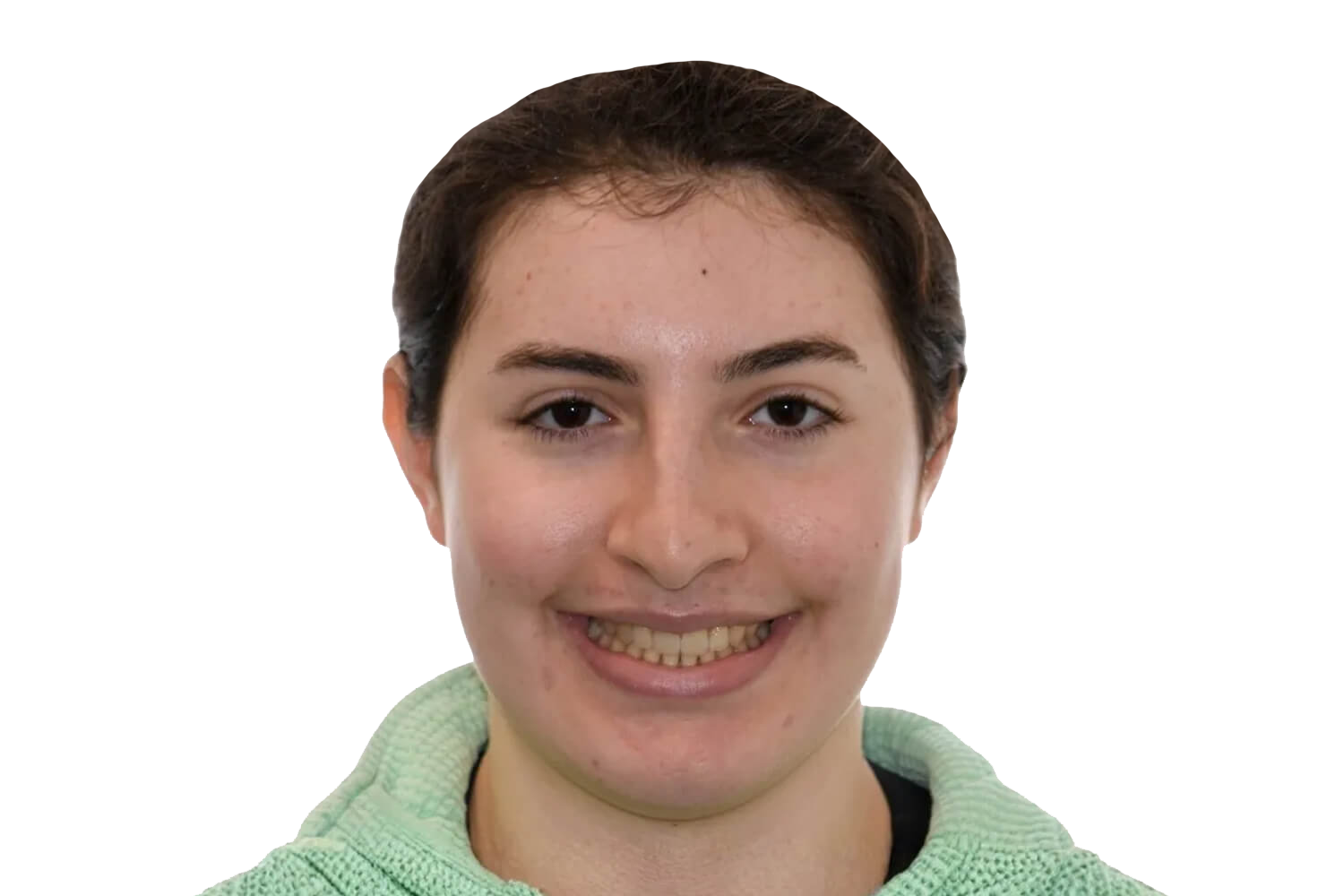
Surgical Management of Condylar Hyperplasia
Presurgical Considerations

Growth Assessment
Key Assessment Points:

Orthodontic Coordination
Key Assessment Points:
TMJ Evaluation
Key Assessment Points:
Treatment Timeline
Experience Matters
“We personally plan your care, perform your surgery, and guide your recovery. No residents, no fellows, no handoffs.”
Choosing the right surgical team matters. You should feel informed, comfortable, and confident in every step of the process. At our practice, your care is provided by one of the most highly trained and experienced jaw surgery teams in the country.
When you come to our office, you meet directly with your surgeons. We are the ones who plan your treatment, perform your surgery, see you after surgery, and remain personally available to you throughout your recovery. Unlike larger institutions, your care is not delegated to residents, fellows, or doctors in training. Every critical aspect of your treatment is handled by your surgeons.




Founding Members of the American Society of Orthognathic Surgery

What Our Patients Are Saying





Condylar hyperplasia often involves complex surgical, developmental, and functional concerns that require coordinated, specialized management. Outcomes depend heavily on a surgeon's training, clinical judgment, and familiarity with the nuances of this condition. Teams that regularly treat patients with Condylar Hyperplasia are typically better equipped to manage both immediate surgical needs and long-term outcomes.
In a private practice setting, care is often more streamlined and consistent, with the same surgeon closely involved in evaluation, treatment planning, surgery, and follow-up.
In academic or hospital-based settings, care may involve a larger team that can include residents or fellows participating under supervision. Both models can provide excellent care, but the structure and continuity of treatment may feel different. At our center, your care is delivered directly by your surgeon — not by residents, fellows, or surgeons in training.
It is important to understand who is performing each part of your treatment. In some settings, the attending surgeon performs all critical portions of the procedure, while in others trainees may assist or participate under supervision. This should be discussed clearly in advance. At our center, your surgeon performs all critical portions of the procedure.
Depending on the treatment setting, residents, fellows, or students may be involved in aspects of care. Patients and families should feel comfortable asking about their role and how care is supervised throughout treatment.
At our center, there are no residents or fellows involved in performing surgery.
Long-term follow-up is an important part of care for many conditions managed at our center. In some practices, post-treatment care may be shared among multiple providers, while in others the surgeon remains closely involved throughout recovery and monitoring. At our center, your surgeon personally follows you throughout recovery and long-term care.
Comprehensive care includes direct surgical involvement in evaluation, treatment planning, surgery, and long-term follow-up. Consistency throughout the process helps maintain continuity of care.
At our center, your surgeon is directly involved at every stage — from initial evaluation through treatment and follow-up.
Condylar hyperplasia is a condition in which one or both of the jaw joints continue to grow beyond the normal period of facial development, causing progressive changes in the shape and alignment of the jaw. It most commonly affects one side, leading to a gradual shift of the jaw and bite to one side.
The exact cause is not fully understood. Condylar hyperplasia involves abnormal activity of growth cells within the condyle, the rounded upper portion of the lower jaw. It may occur in adolescents or young adults during periods of active growth. It is not caused by anything the patient did, and there is typically no identifiable external trigger.
Signs may include a gradual shift of the chin and lower teeth away from the midline, asymmetry of the lower face and jaw, changes in the bite, and in some cases facial elongation on the affected side. The changes may be subtle initially and become more apparent over time.
Diagnosis involves clinical examination, dental and facial imaging including panoramic X-rays and CT scans, and often a nuclear medicine bone scan to assess whether the condyle is still actively growing. Identifying active versus arrested growth is important for treatment planning.
No. In many patients, abnormal condylar growth eventually slows and stops on its own. However, the degree of jaw and bite asymmetry that develops before growth arrests can vary and may require surgical correction.
Not always. When the condition is mild or growth has arrested, observation or orthodontic management may be appropriate. Surgical treatment is considered when facial asymmetry is significant, the bite is functionally impaired, or active growth is confirmed and progression is expected.
Condylectomy is a procedure in which the actively growing portion of the condyle is removed to stop further abnormal growth. It is typically recommended when bone scan imaging confirms active condylar growth. The procedure may be performed alone or in conjunction with corrective jaw surgery.
Once condylar growth has stabilized, orthognathic surgery to rebalance the jaws and correct the bite is often appropriate. Surgery is typically coordinated with orthodontic treatment and planned to address all dimensions of the facial asymmetry.
In many patients, a combination of condylectomy and jaw surgery can significantly improve facial symmetry and bite function. The degree of correction achievable depends on the severity of the deformity and the timing of treatment.
When treatment includes condylectomy to remove the actively growing tissue and growth is confirmed to have stopped, the risk of recurrence is low. Long-term monitoring of the jaw relationship and bite is still recommended after treatment.
Follow-up typically includes clinical examination and imaging at intervals to monitor jaw symmetry, bite stability, and joint health. Orthodontic retention and continued monitoring of the surgical outcome are part of long-term care.
Yes. We regularly care for patients traveling from outside the region for evaluation and surgical treatment of condylar hyperplasia.
The local stay depends on which procedures are performed. For condylectomy alone, patients are typically discharged within one to two days and may then continue recovering locally. Out-of-town patients should plan to remain locally for approximately five to seven days primarily to attend their first post-operative visit, where the surgeon confirms healing, jaw position, and early recovery before clearing travel home. When condylectomy is combined with orthognathic jaw surgery, the recovery involves a bit more monitoring and patients should plan for approximately seven to ten days locally before ground travel and approximately ten to fourteen days before flying, with the post-op visit serving as the key checkpoint before departure. These are general estimates — the specific timeline depends on the complexity of the surgery, recovery progress, and the distance of travel, and your surgeon will give you a clear recommendation in advance.
Yes. Once the post-operative visit has taken place and the surgeon is satisfied with recovery, ground travel is generally approved shortly thereafter. Air travel is cleared somewhat later. Your surgeon will advise on both at or before the post-op visit.
Evaluation at our center includes clinical examination, facial imaging, and bone scan interpretation to determine the activity of condylar growth. Patients receive a clear explanation of their diagnosis, where growth stands, and what the recommended treatment plan and surgical timing look like.
Yes. After returning home, continued follow-up is important to monitor jaw symmetry, bite stability, and the surgical result over time. Some visits may be conducted via telemedicine, while imaging and in-person assessment visits will require a return to the center. Your surgeon will outline the follow-up plan before you travel home.