



TMJ Joint Replacement
Rebuilding Jaw Function with Customized Total TMJ Joint Replacement
What Is TMJ Joint Replacement?
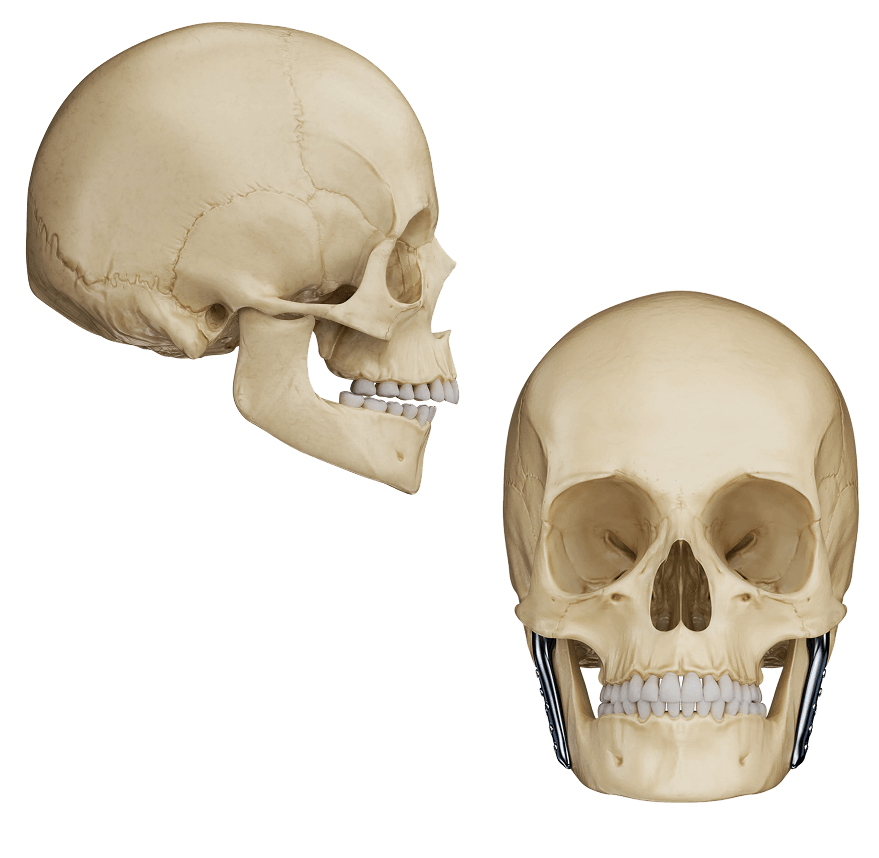
What Patients Find Most Helpful To Know About TMJ Joint Replacement

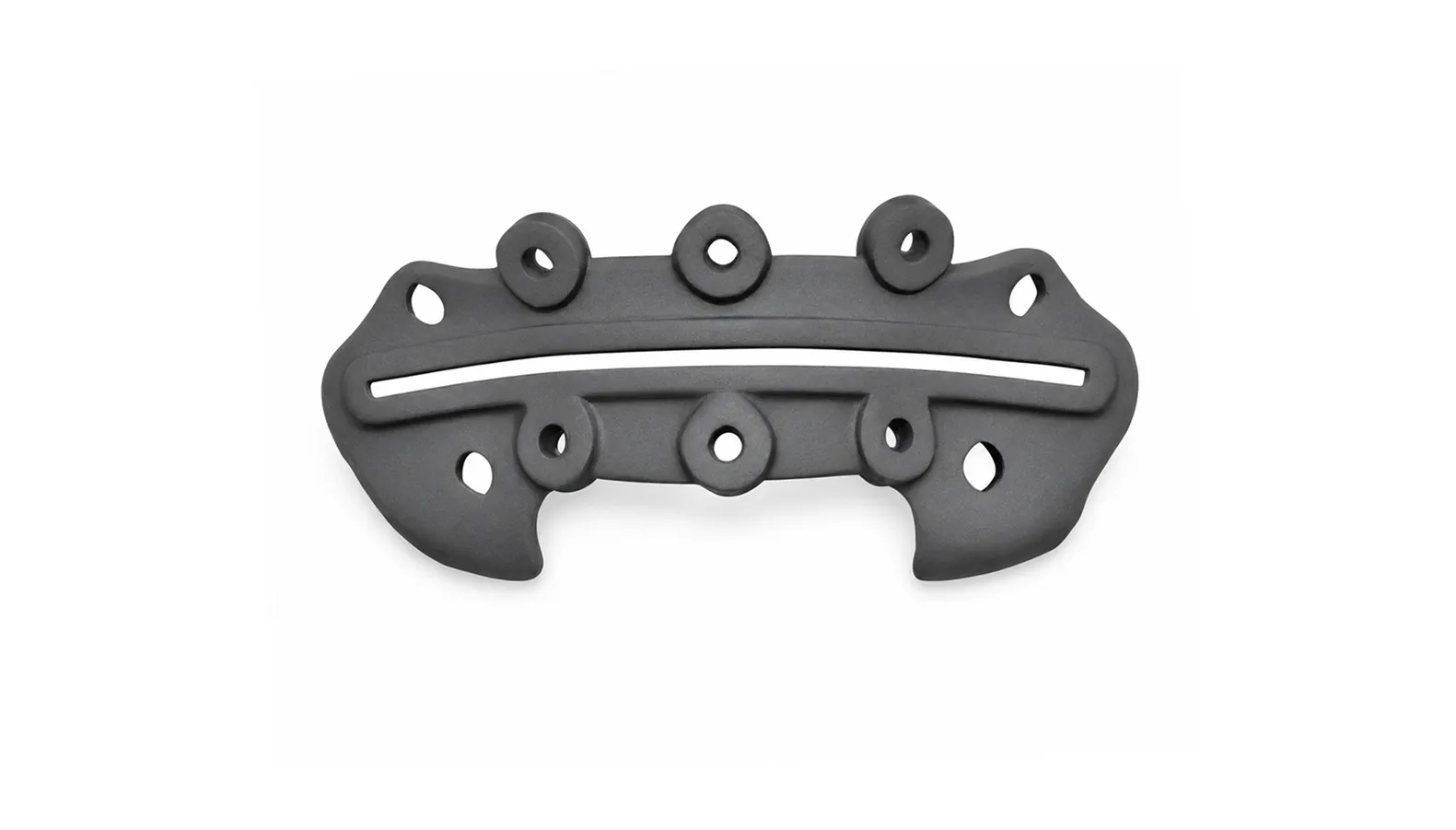
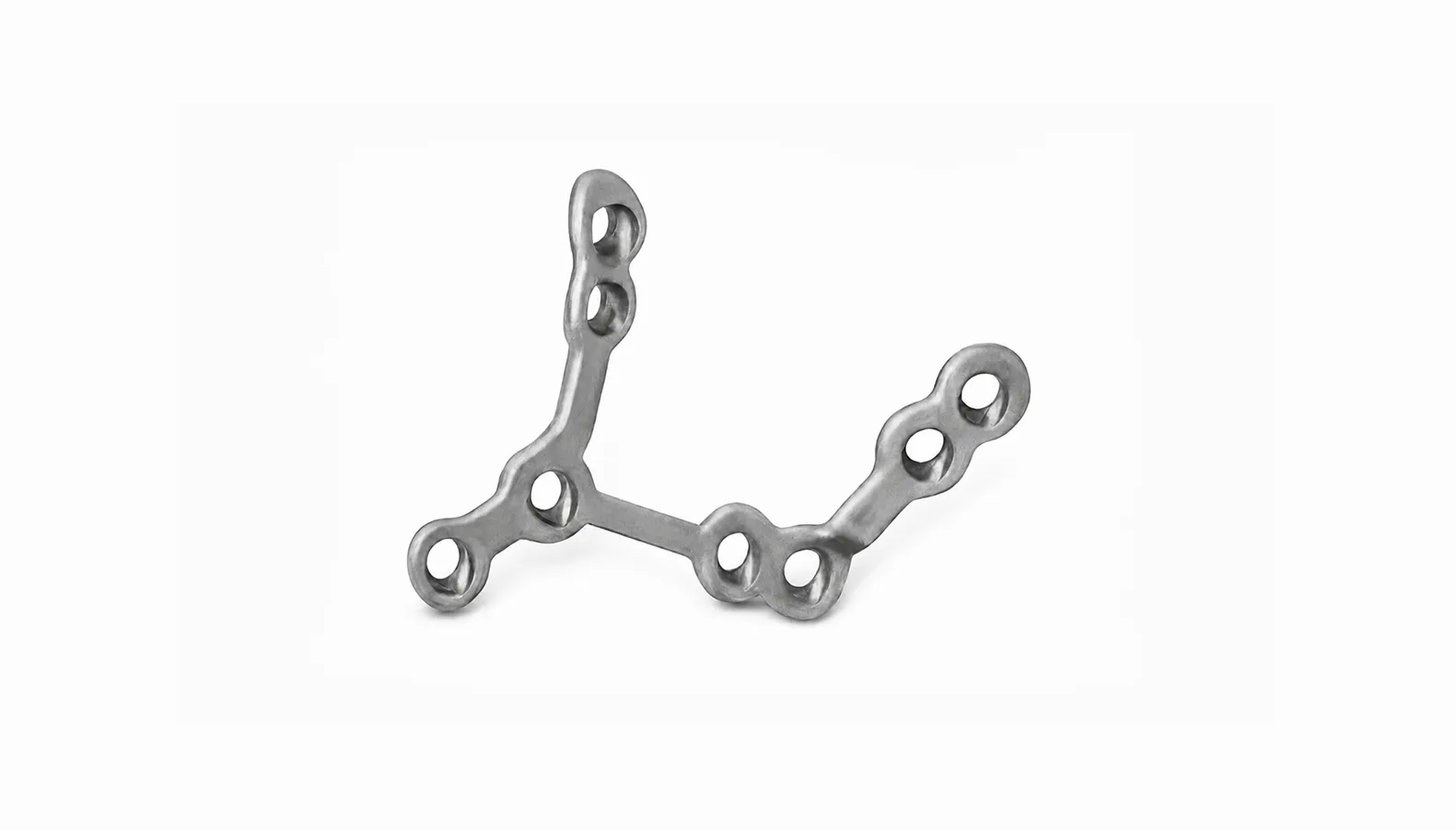
Custom vs. Stock Implants
Both options are effective, but custom implants are often preferred for a more precise fit and optimal function.

You Will Not Be Wired Shut
Your jaws are not wired shut, though guiding elastics may be used to help position your bite during healing.

No Issues with Airport Scanners or MRI
TMJ implants do not typically set off airport security and are generally MRI compatible, but you should confirm specifics with your doctor.

Pain Relief and Improved Function
TMJ joint replacement is designed to reduce chronic pain, restore jaw function, and improve overall comfort and movement over time.
When Is TMJ Joint Replacement Performed?


Relief from chronic jaw pain and discomfort

Improved ability to chew, speak, and function

Enhanced jaw stability and bite alignment


More natural jaw movement and function Improved facial balance and symmetry

Long-term durability with custom TMJ prostheses

Support for lasting oral health and function
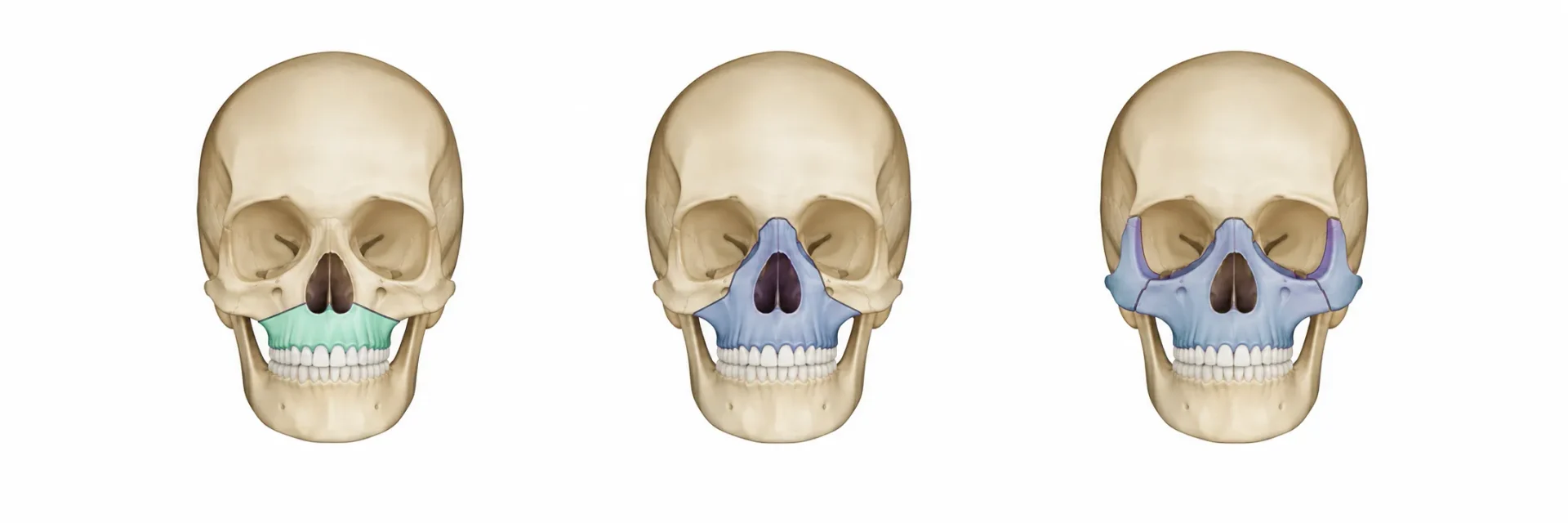
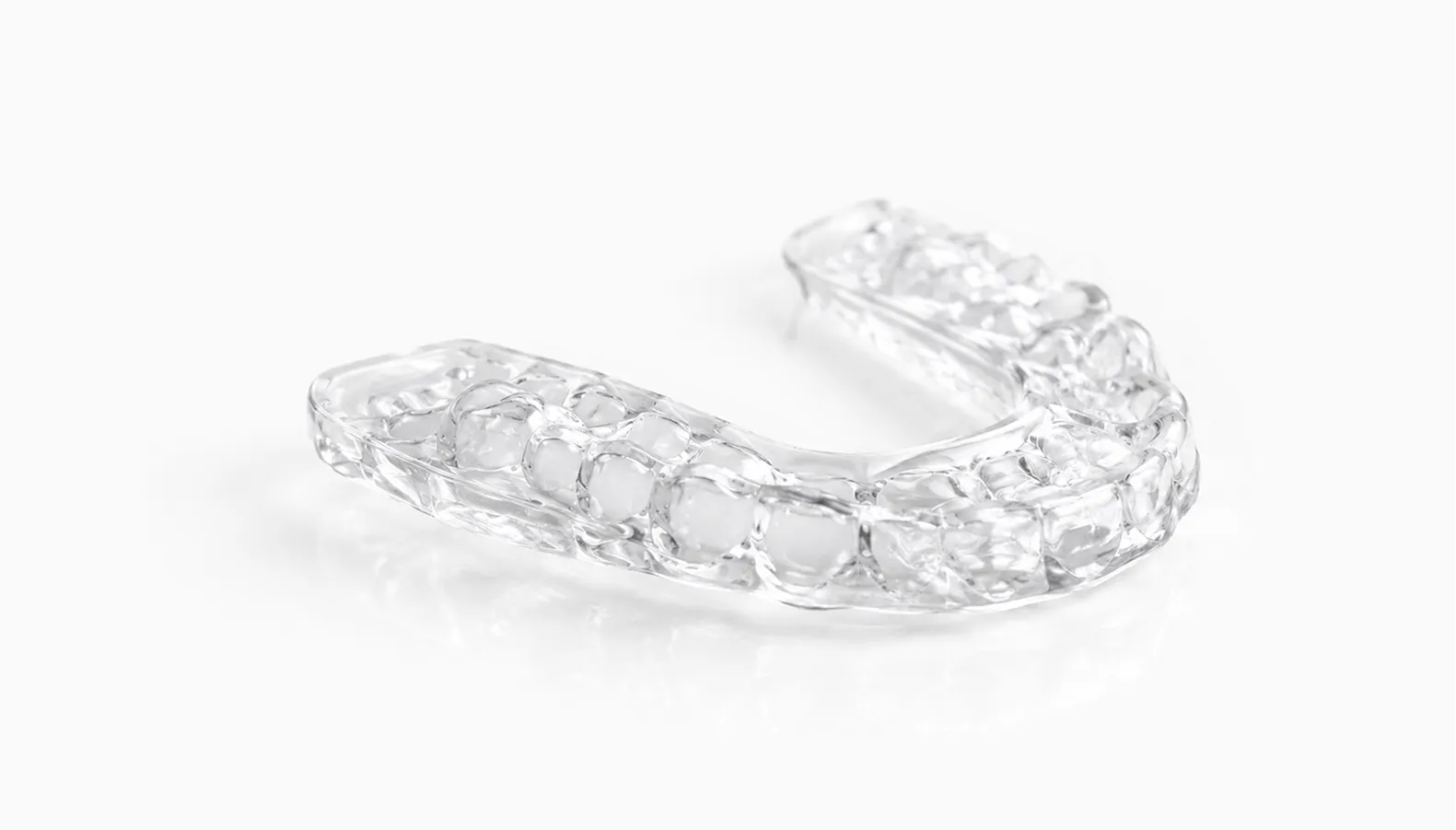

TMJ Joint Replacement
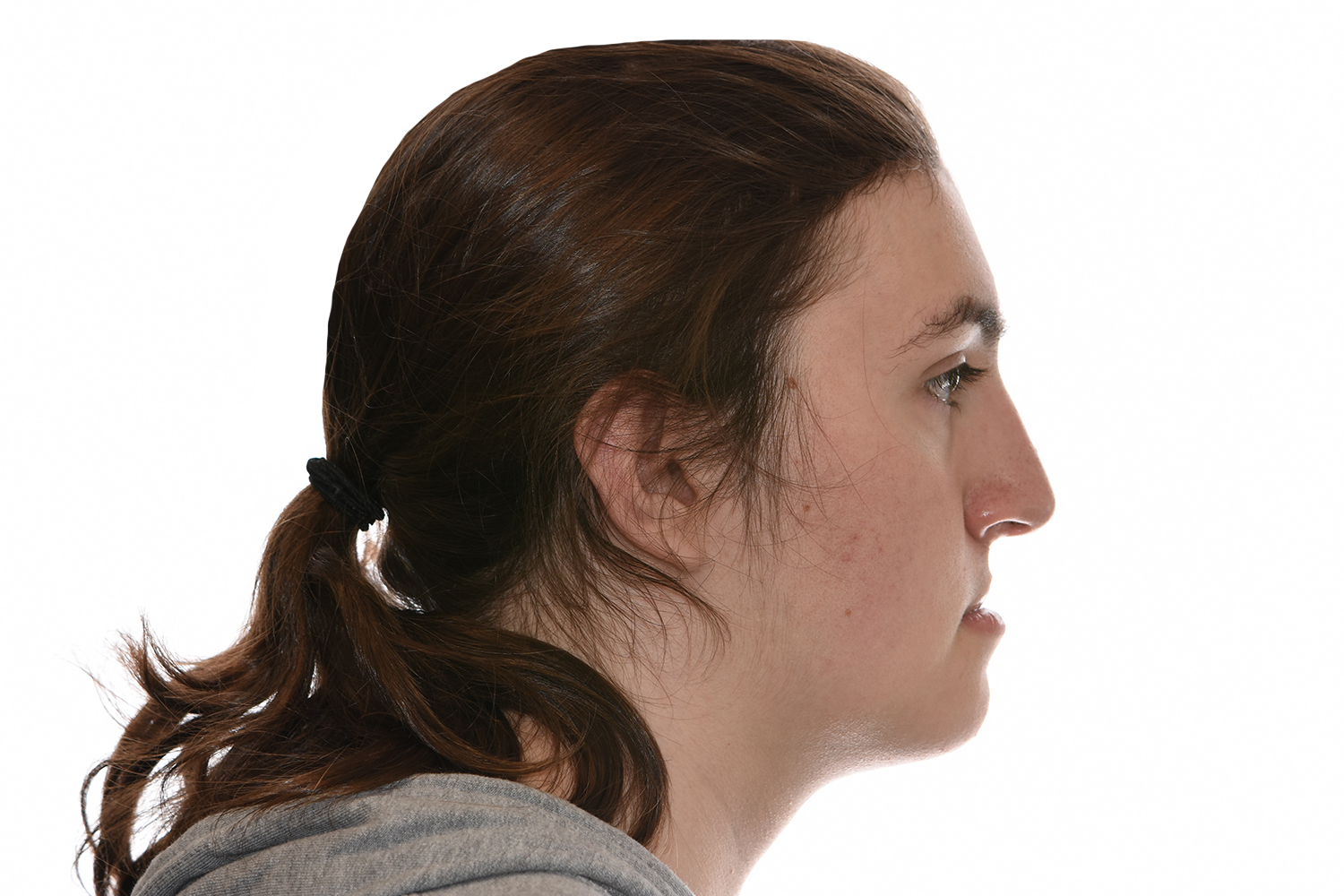
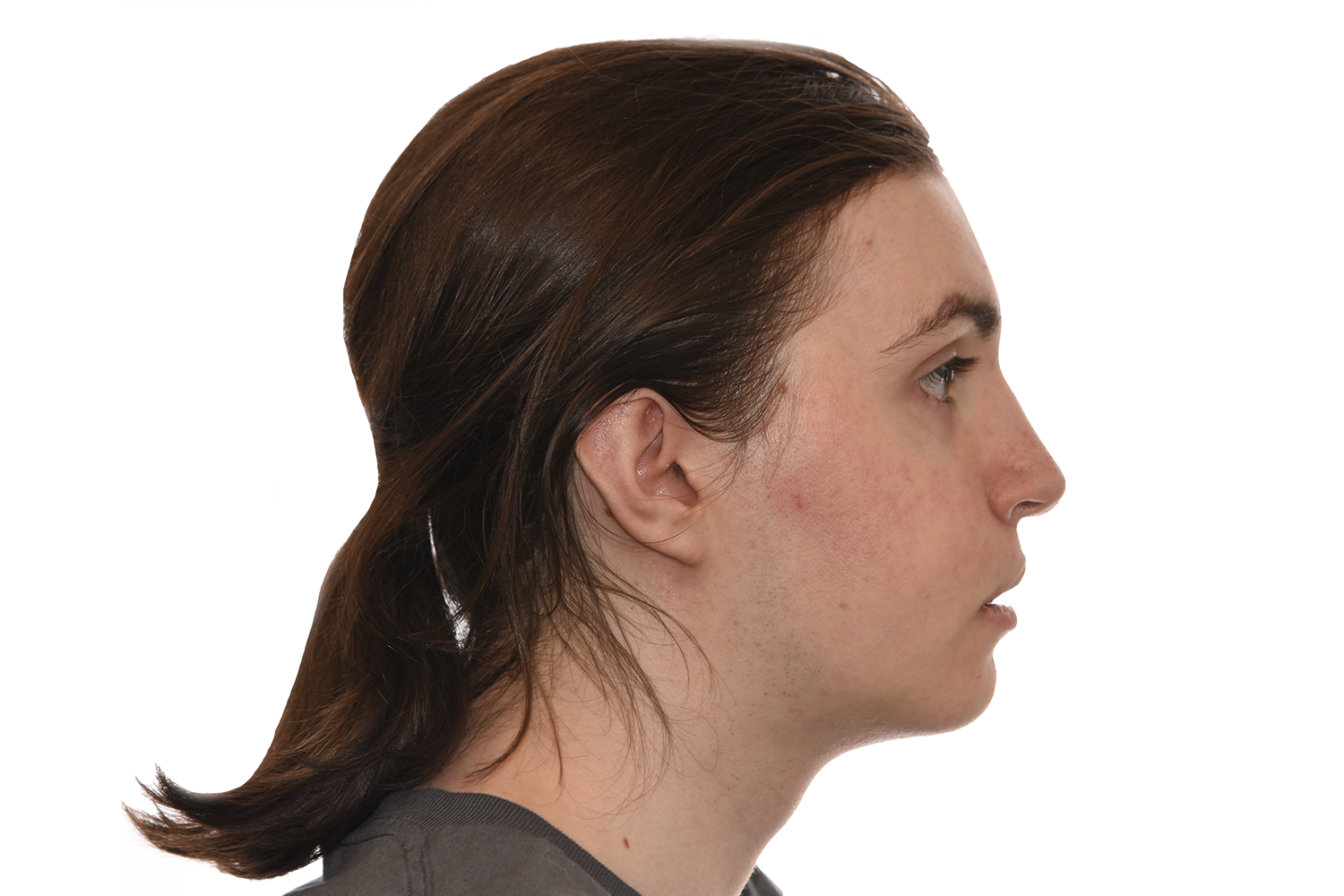
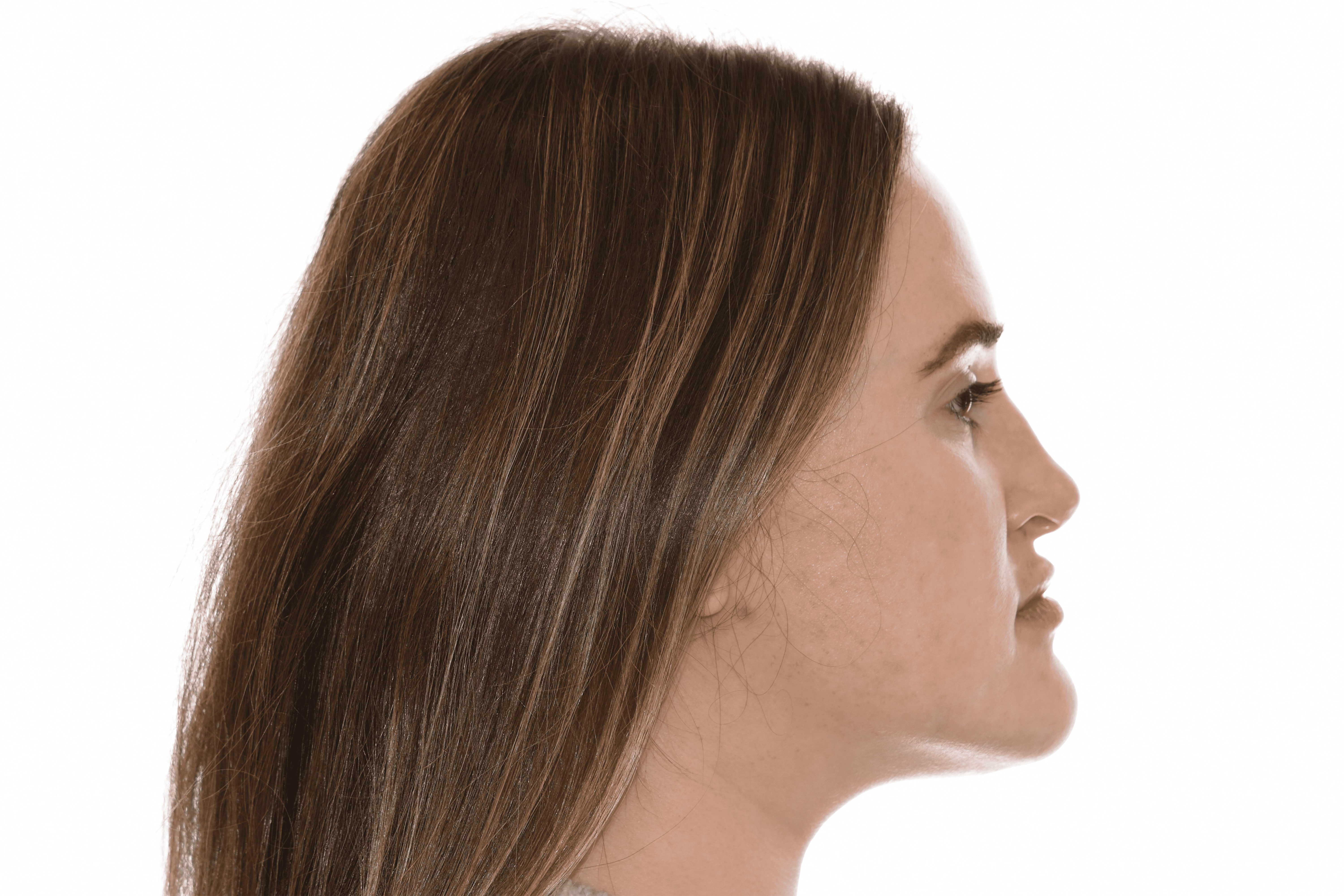
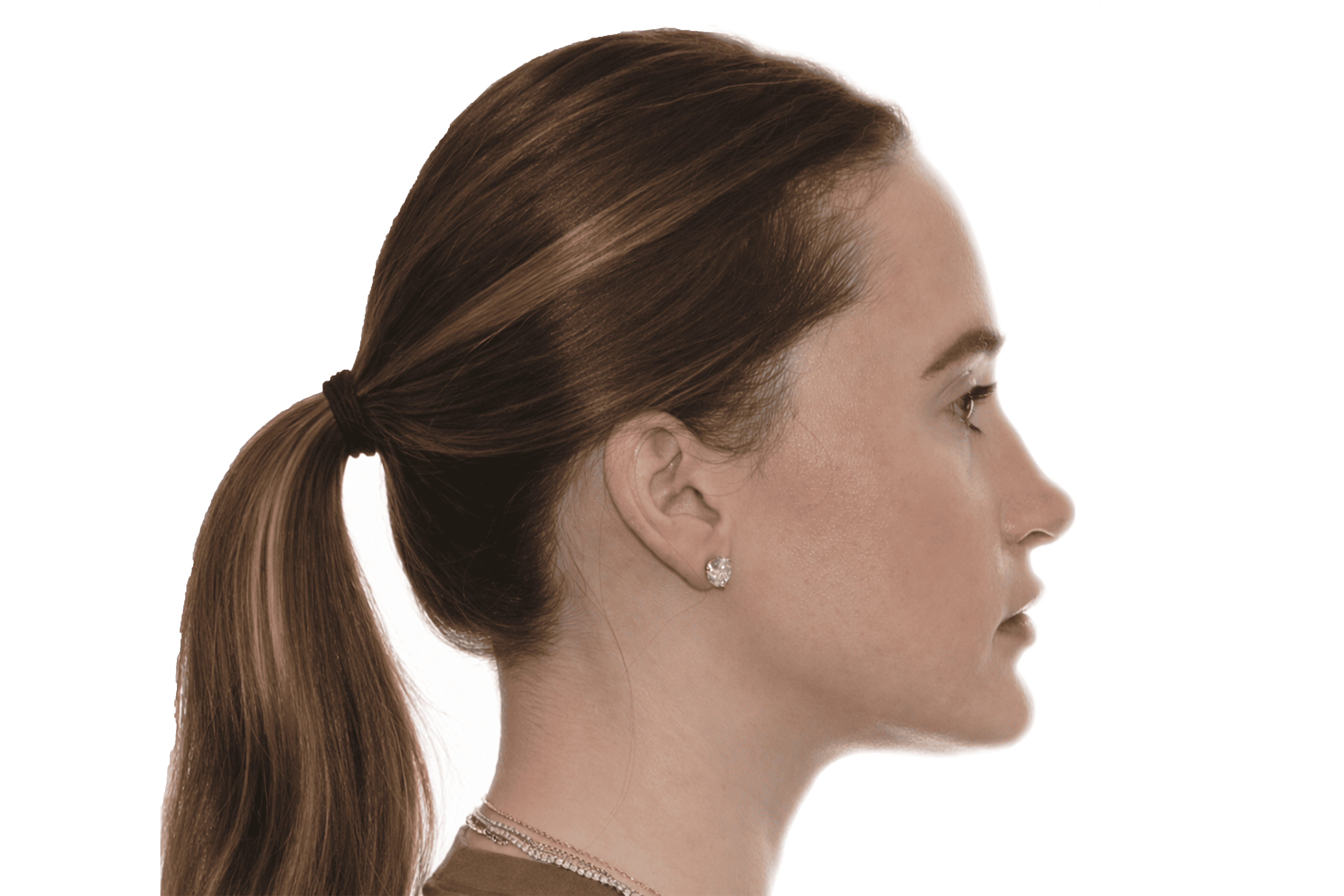
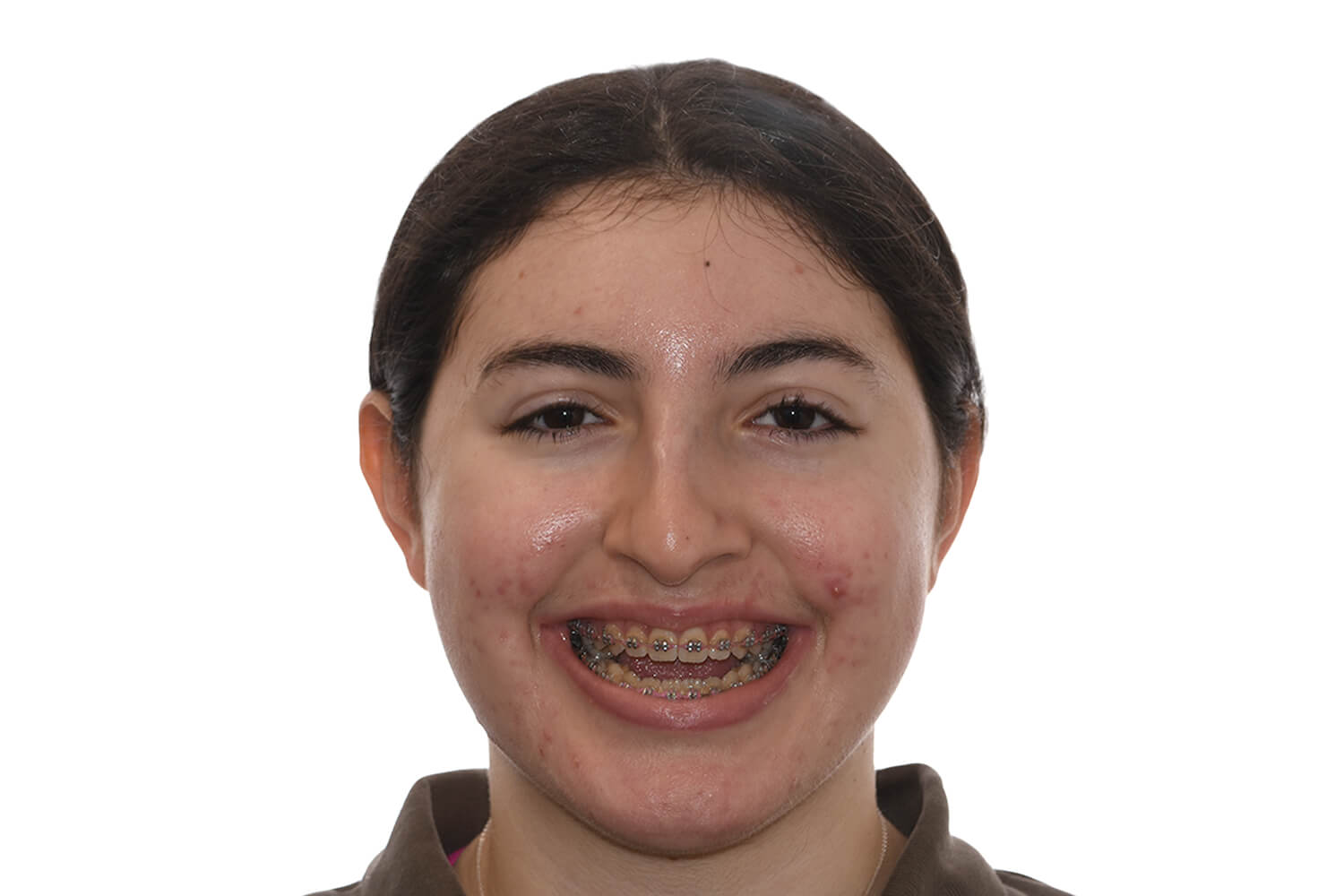
Before & After Gallery

Timeline for TMJ Joint Replacement
Recovery
Following corrective jaw surgery, the recovery phase focuses on controlled healing, swelling reduction, and gradual return to normal jaw function while your care team closely monitors comfort, progress, and bite stability.
Week 1
Early Recovery
Week 2–4
Return to Light Activities
Month 1–3
Bite Stabilization
Month 3–12
Final Results
What To Expect After TMJ Joint Replacement
Most patients experience substantial relief from pain and improved jaw function within the first few weeks after surgery.

Risks & Possible Complications

An experienced team and close follow-up care help maximize the likelihood of optimal outcomes.
Total Temporomandibular Joint Replacement requires precise surgical judgment, specialized training, and familiarity with the anatomical and functional nuances of this procedure. Outcomes depend heavily on the surgeon's experience, technique, and ability to anticipate and manage the full range of possible findings. Surgeons who perform this procedure regularly are typically better positioned to achieve consistent, safe results.
In a private practice setting, care is often more streamlined and consistent, with the same surgeon closely involved in evaluation, treatment planning, surgery, and follow-up.
In academic or hospital-based settings, care may involve a larger team that can include residents or fellows participating under supervision. Both models can provide excellent care, but the structure and continuity of treatment may feel different. At our center, your care is delivered directly by your surgeon — not by residents, fellows, or surgeons in training.
It is important to understand who is performing each part of your procedure. In some settings, the attending surgeon performs all critical portions, while in others trainees may assist or participate under supervision. This should be discussed clearly in advance. At our center, your surgeon performs all critical portions of the procedure.
Depending on the treatment setting, residents, fellows, or students may be involved in aspects of care. Patients should feel comfortable asking about their role and how care is supervised.
At our center, there are no residents or fellows involved in performing surgery.
Post-operative follow-up is an important part of surgical care. At our center, your surgeon personally follows you through recovery and any additional visits required.
At our center, your surgeon is directly involved at every stage — from the initial consultation and treatment planning through surgery, post-operative visits, and long-term follow-up.
Total temporomandibular joint replacement is a surgical procedure in which the damaged or destroyed jaw joint — including the condyle of the lower jaw and the joint socket in the skull — is replaced with custom-fabricated prosthetic components. It is indicated when the joint has been significantly destroyed by disease, resorption, trauma, or prior surgical failure, and a durable, stable joint foundation is needed.
Candidates include patients with end-stage joint disease from condylar resorption, inflammatory arthritis, avascular necrosis, ankylosis, failed prior joint procedures, or severe trauma. The decision to proceed with joint replacement is based on the degree of joint destruction, the patient's symptoms, functional limitations, and the stability of the underlying condition.
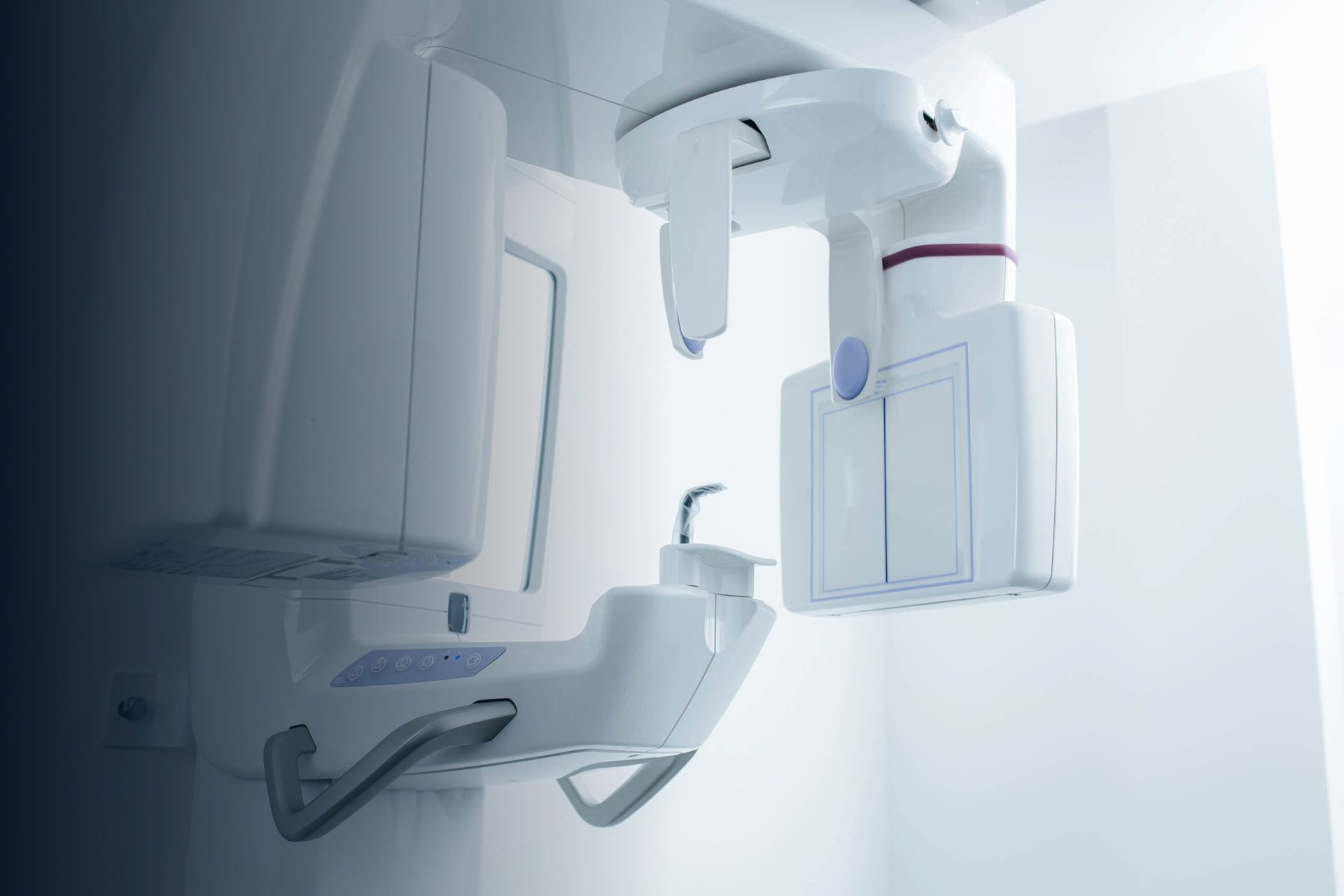
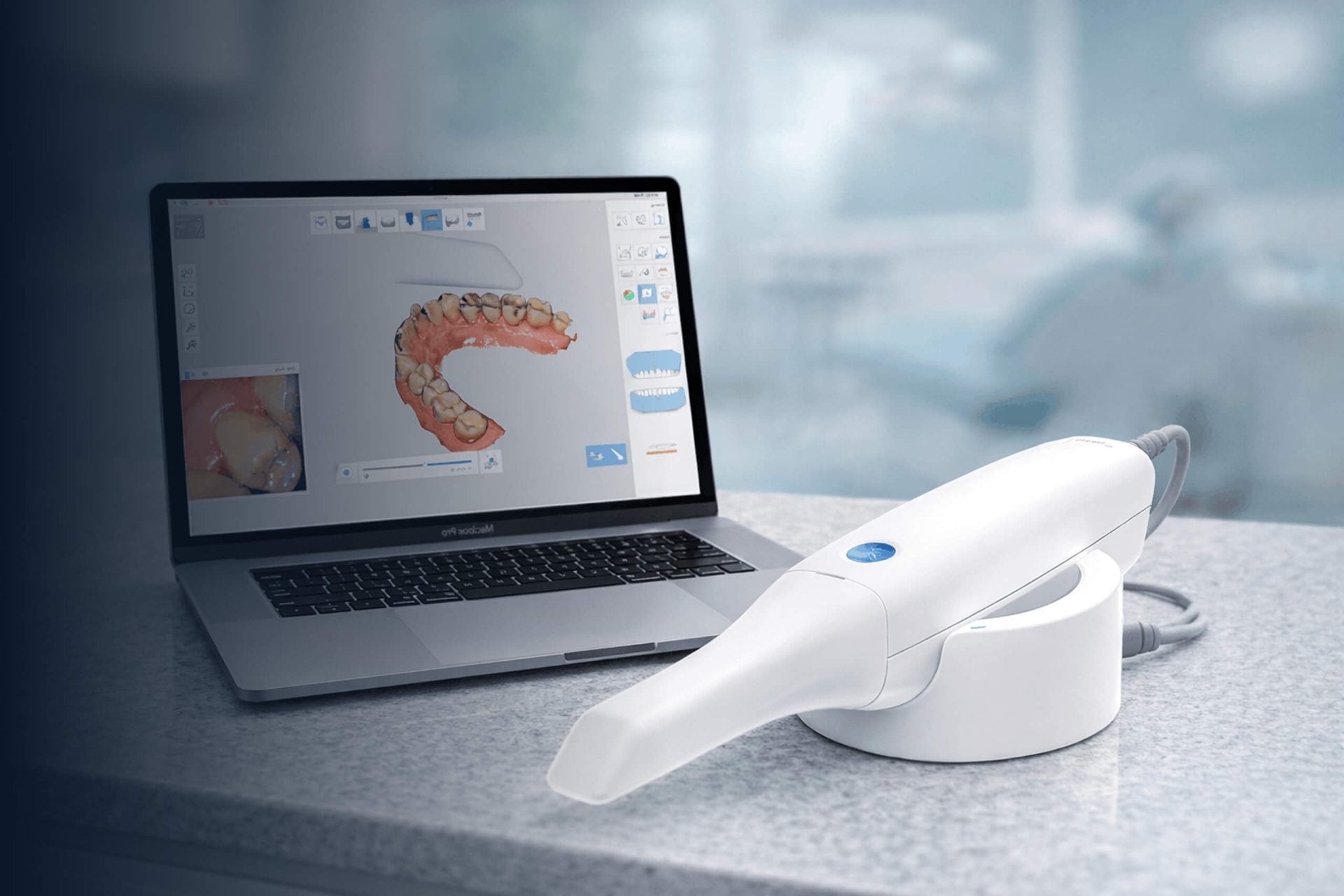
Total TMJ prostheses used at our center are custom-designed based on the patient's own CT imaging, allowing precise fit to the individual anatomy of the skull and lower jaw. Custom components provide a more accurate fit than stock implants and are designed to accommodate any simultaneous jaw repositioning that is planned.
Yes, and in many patients it is performed simultaneously. When condylar resorption or joint disease has caused changes to the bite and facial profile, corrective jaw surgery and joint replacement are performed in the same procedure. This allows the surgeon to simultaneously restore the joint, correct the bite, and improve the facial profile in a single operation.
The primary goals are to relieve pain, restore jaw function, provide a stable joint foundation, and — when combined with orthognathic surgery — improve the bite and facial balance. Most patients experience meaningful improvement in comfort and function after recovery.
The procedure is performed under general anesthesia. Access to the joint is obtained through incisions in front of the ear and inside the mouth. The damaged condyle and joint surface are removed and replaced with the custom prosthetic components. When combined with jaw surgery, the orthognathic movements are performed simultaneously. The procedure length depends on whether one or both joints are replaced and whether jaw surgery is included.
Recovery involves a period of jaw exercise, dietary modification, and physical therapy to restore jaw opening and function. Swelling and discomfort are expected in the early weeks and improve progressively. A physical therapy protocol for jaw mobilization is typically prescribed after surgery to prevent stiffness and optimize function. Recovery is more involved than standard jaw surgery, and patients should plan accordingly.
Risks include those common to any major jaw surgery, as well as implant-specific considerations such as the possibility of device loosening or the need for revision over the long term. The facial nerve, which controls facial movement, runs near the surgical site, and its protection is a priority throughout the procedure. These risks are reviewed thoroughly during the surgical consultation.
Total TMJ prostheses are designed for long-term use, and most patients experience durable results. As with any joint replacement, revision may eventually be needed depending on the patient's age, activity, and individual response over time. Long-term follow-up is an important part of joint replacement care.
Yes. We regularly care for patients traveling from outside the region for total temporomandibular joint replacement, including combined joint replacement and orthognathic surgery.
TMJ replacement is a more involved procedure than standard jaw surgery, and the local stay reflects that. Most patients are hospitalized for two to four days after surgery. Out-of-town patients should plan to remain locally for approximately two weeks to allow the surgical team to closely monitor early healing, jaw function, and the initiation of jaw mobilization exercises at the first post-operative visit. The exact duration depends on whether one or both joints were replaced, whether jaw surgery was performed simultaneously, and how recovery is progressing. Your surgeon will give you a specific plan before the procedure.
Yes. Ground travel is generally approved before air travel. Once the post-operative visit has confirmed that healing is progressing well and jaw function is being established, most patients are cleared for ground travel. Air travel is typically appropriate within approximately two weeks of surgery, though this depends on the complexity of the case and recovery progress. Your surgeon will advise on both at the post-operative visit.
Yes. Follow-up after TMJ replacement is important and ongoing. After returning home, additional visits will be needed to monitor the joints, jaw function, bite stability, and long-term implant performance. Some follow-up may be conducted via telemedicine, while others will require an in-person visit. Your surgeon will outline the follow-up schedule before you travel home.
The consultation includes review of imaging and prior records, clinical examination of the joints and jaw function, and a detailed discussion of the surgical plan including implant design, whether jaw surgery will be combined, recovery expectations, and the long-term follow-up plan. Custom implant fabrication requires lead time, so planning in advance of the desired surgical date is important.