


Stage 2: Full Liquid Diet
Easy, jaw-friendly meals designed to keep you nourished and satisfied.
Comforting Liquids That Support Healing
Any liquid without “bits and pieces” in it. Look for items that contain lots of nutrients that already come in liquid form and try to find items that vary in taste. Boost, Ensure, instant breakfast drinks, and powders are good staples.
Post-Surgical Diet Guidelines
After oral or jaw surgery, how and what you eat plays a big role in healing. Start slow, play it safe with temperature and texture, and step up only when your care team says it’s okay.
General Tips
No straws
Avoid suction, as it can strain healing tissues and disrupt recovery.
Avoid hot or spicy foods
Skip spicy foods and choose mild flavors to prevent irritation while healing.
Take it slow
Take small sips and slow spoonful to protect healing areas and stay comfortable.
Stay hydrated
Aim for 2 liters daily, and avoid drinks that are too hot or cold.
Submit Your Favorite Recipes
Recovery doesn’t have to feel flavorless. With the right clear liquid options, you can stay hydrated, ease digestion, and support early healing while keeping things light and soothing. Think of this as your go-to guide for refreshing, transparent sips that help your body rest and recover comfortably.

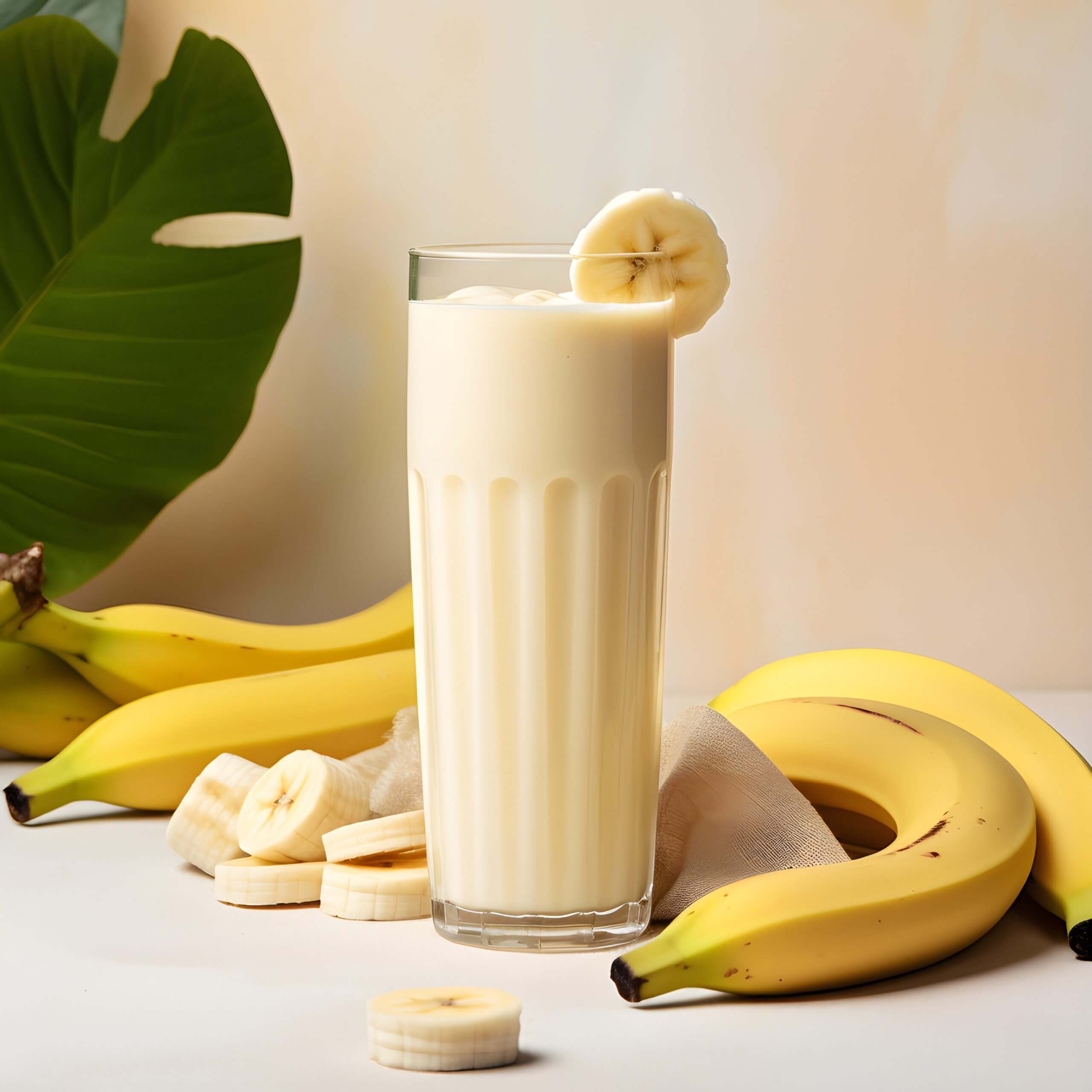
Banana Breakfast
High-Calorie, Energy-Boosting
Ingredients:
Steps:
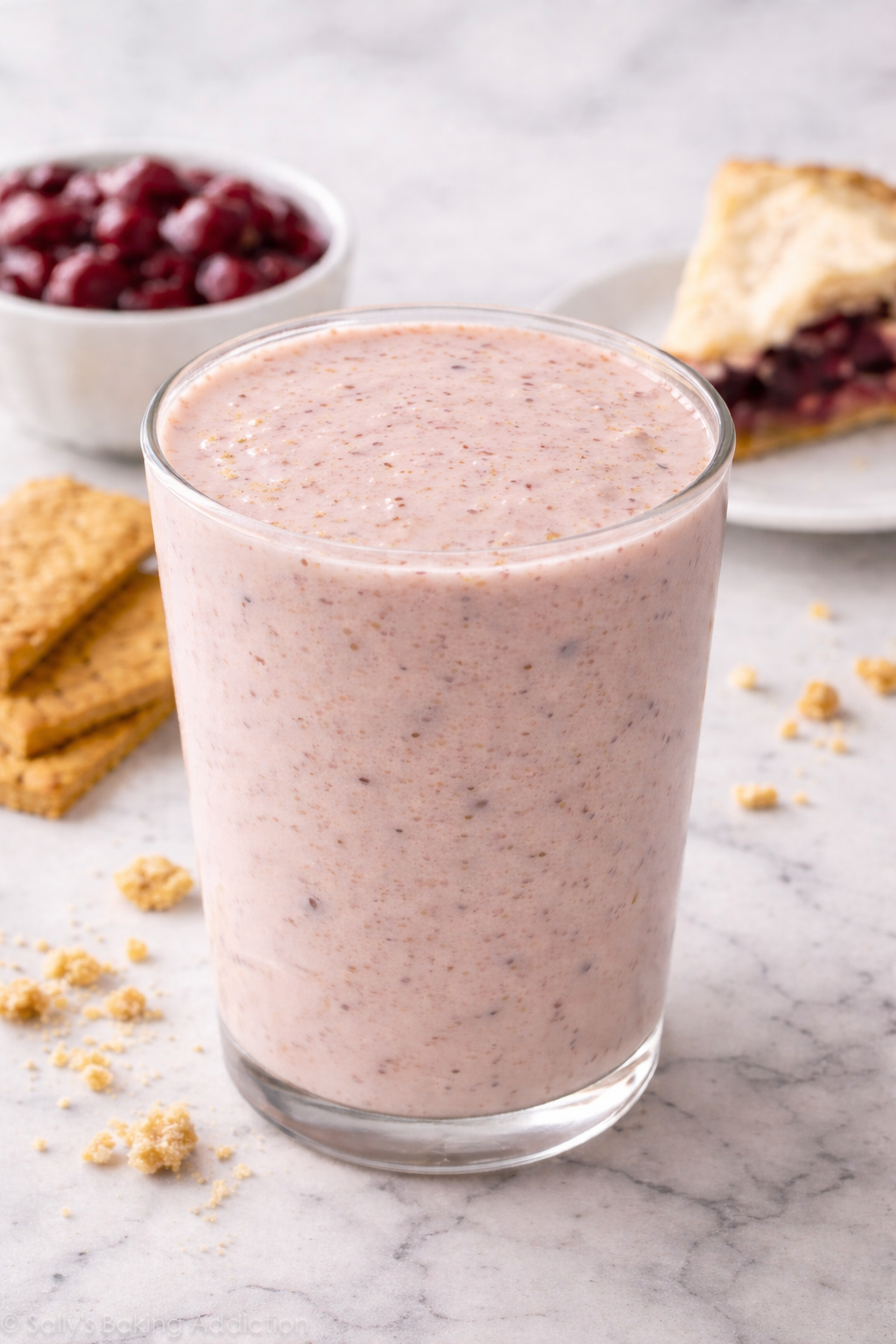
Pie Smoothie
Comfort Drink, Customizable
Ingredients:
Steps:


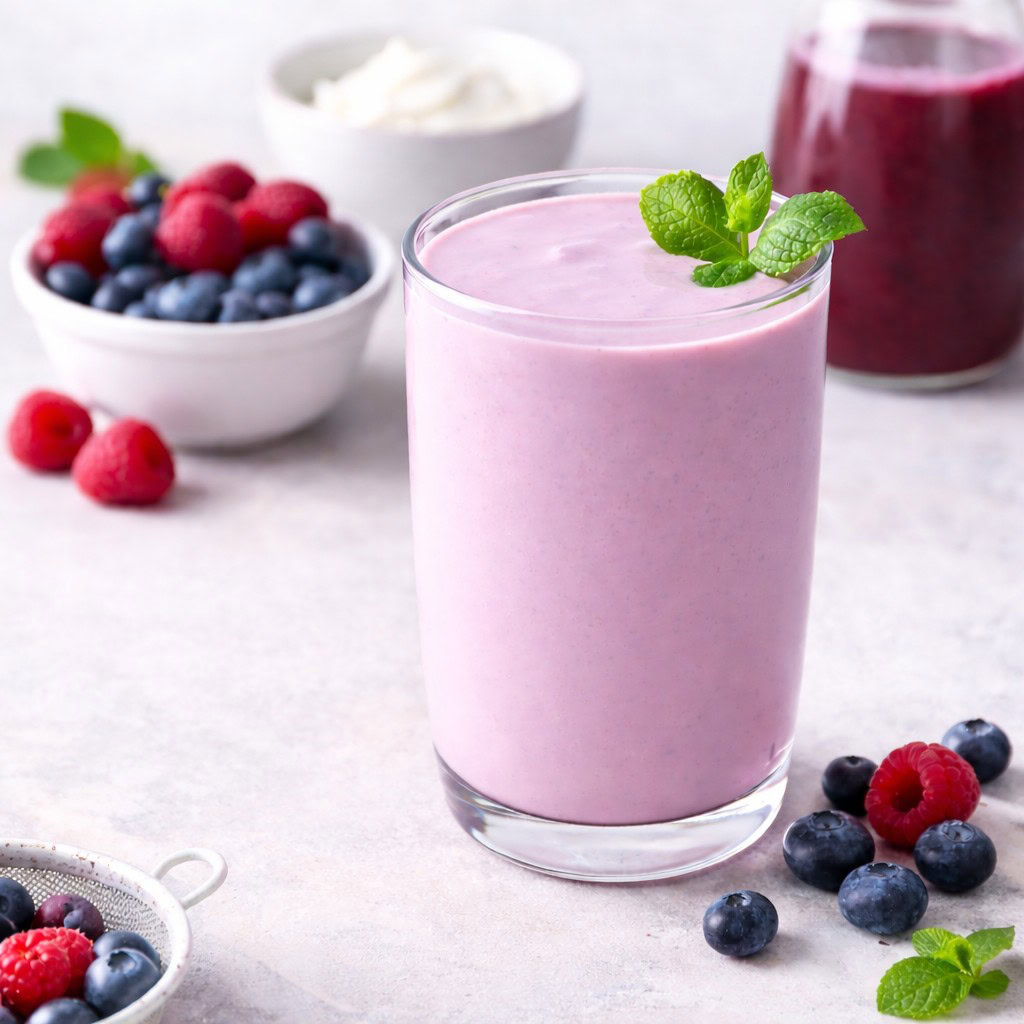
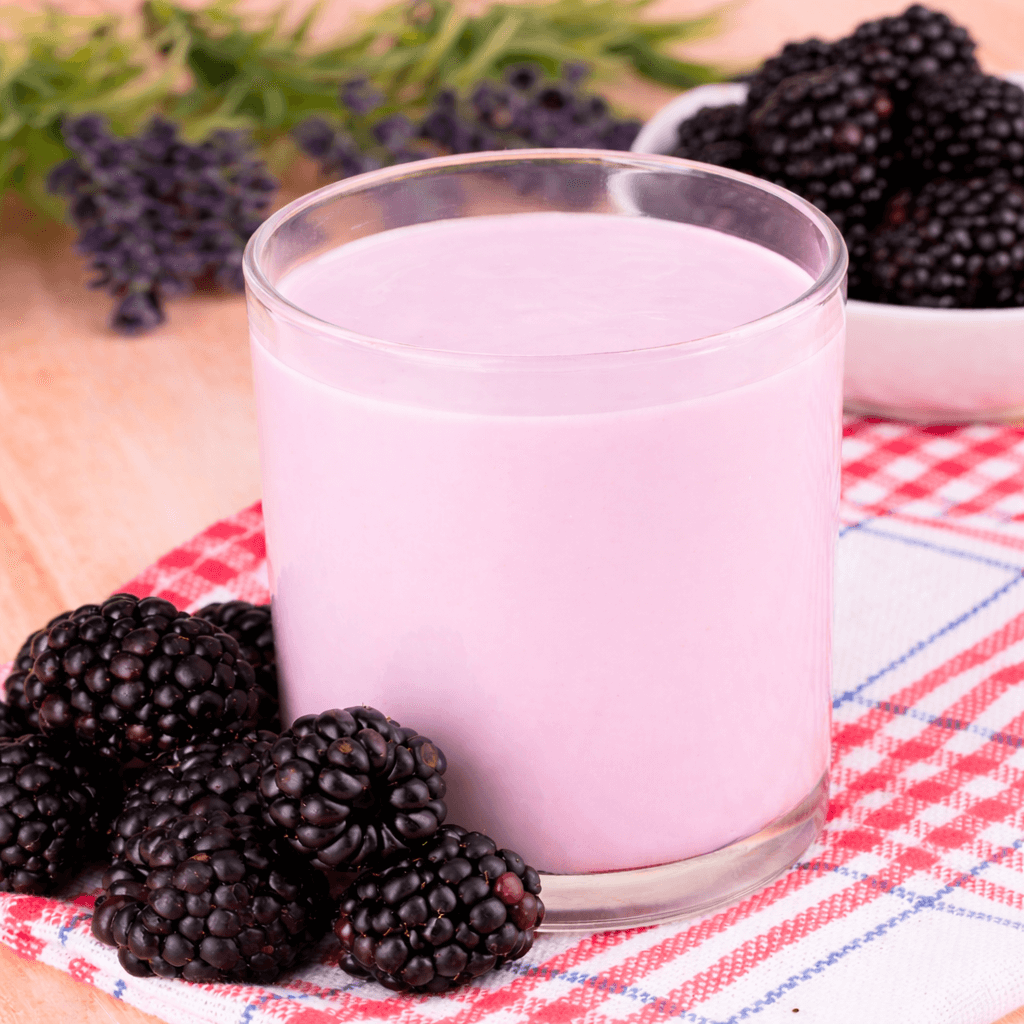
Berry Yogurt Drink
Vegetarian, Gluten-Free
Ingredients:
Steps:
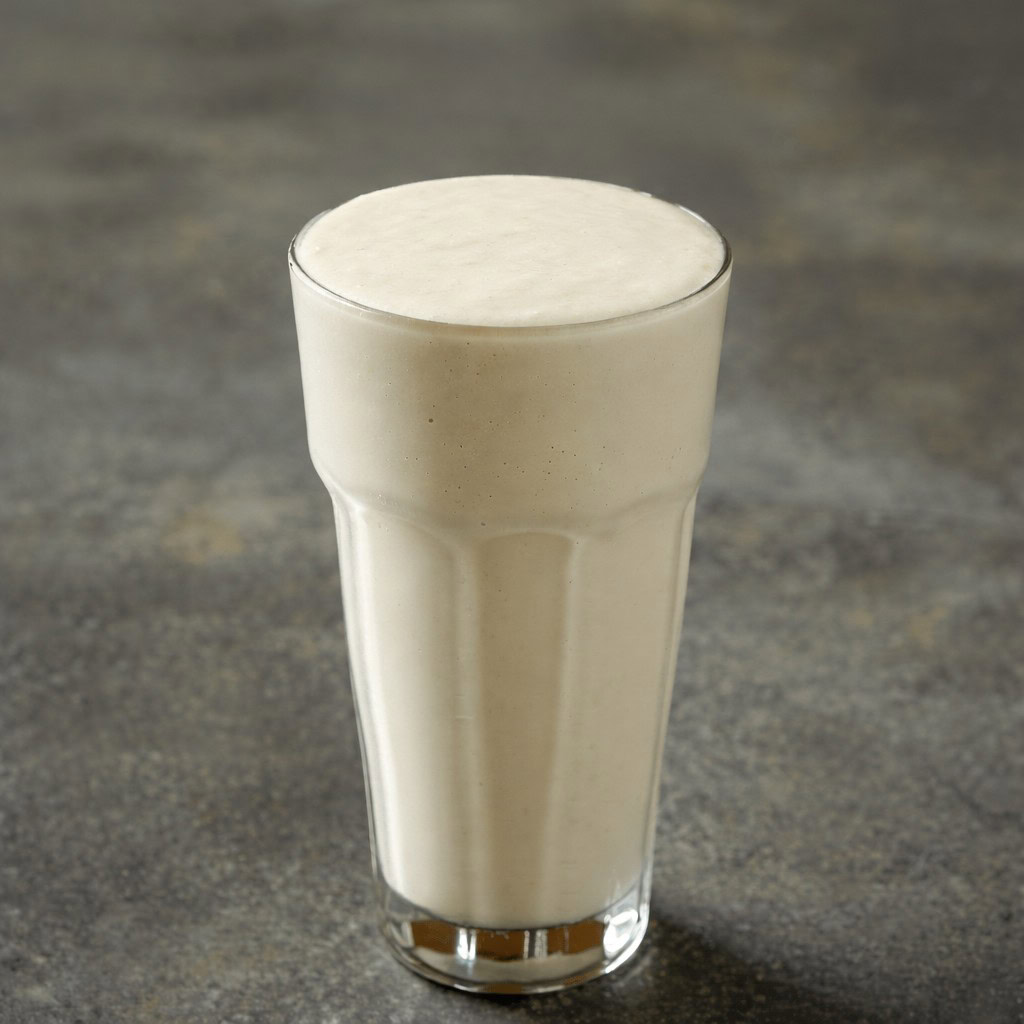
Vanilla Nutrition Shake
Vegetarian, Gluten-Free
Ingredients:
Steps:


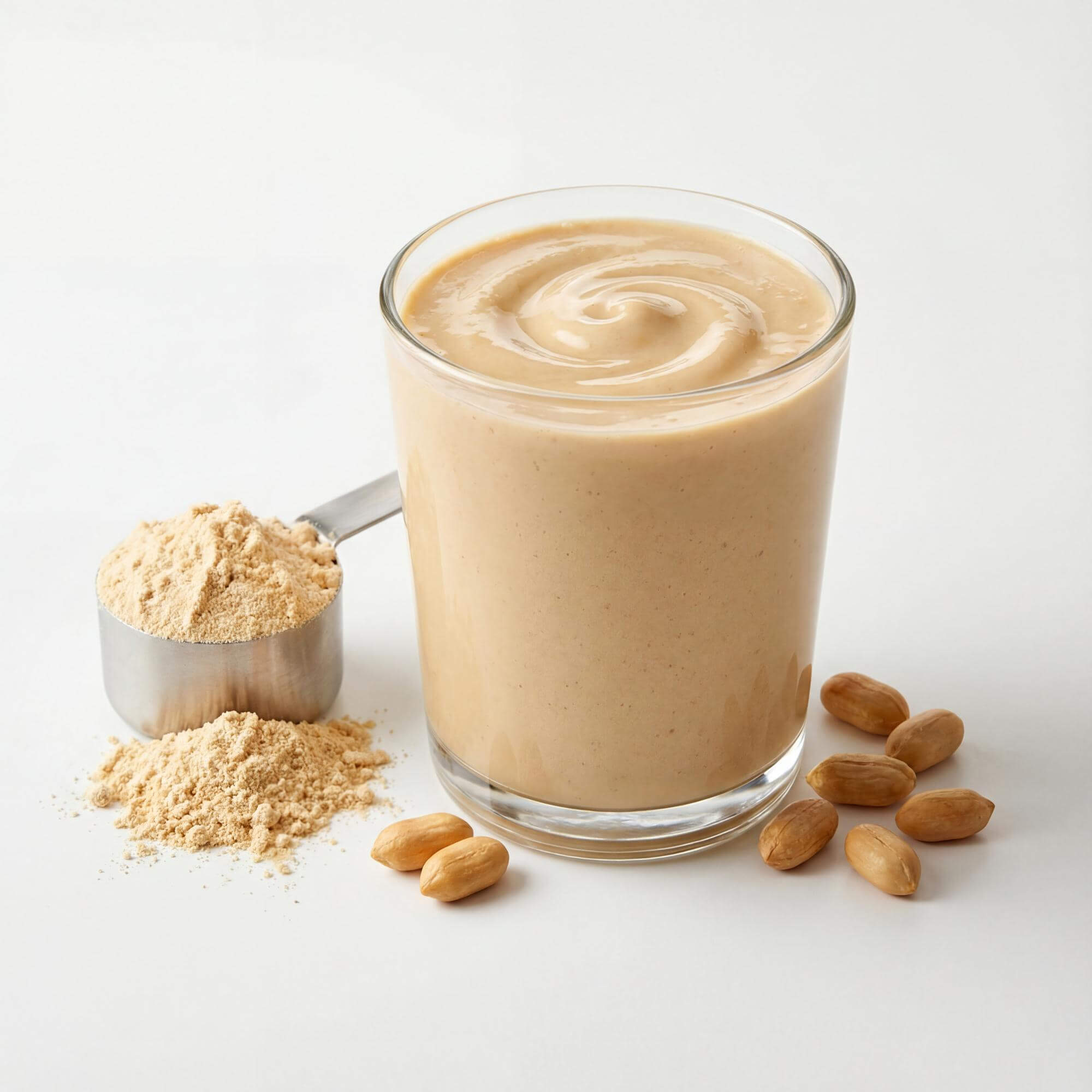
Peanut Butter Protein Shake
High-Protein, Gluten-Free
Ingredients:
Steps:
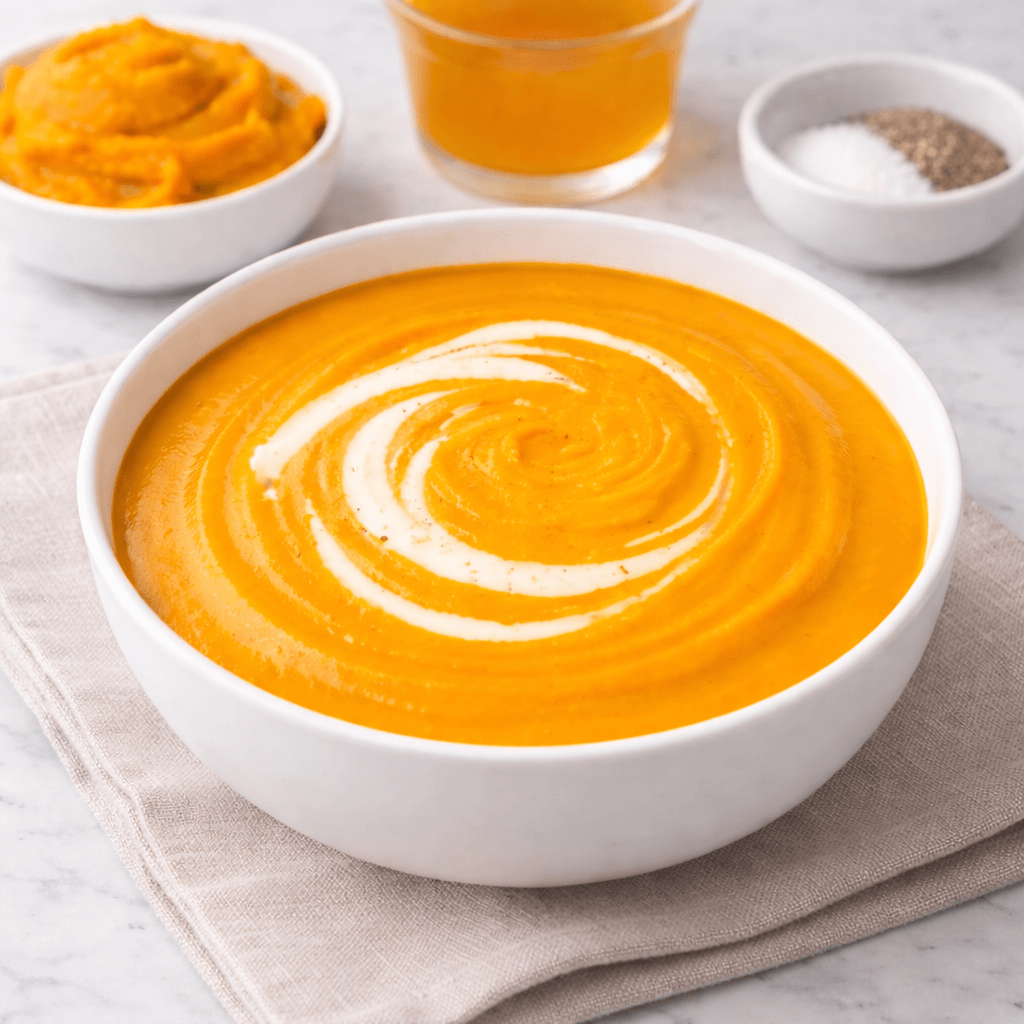
Savory Blended Pumpkin Soup (Ultra-Smooth)
Vegetarian, Lactose-free
Ingredients:
Steps:


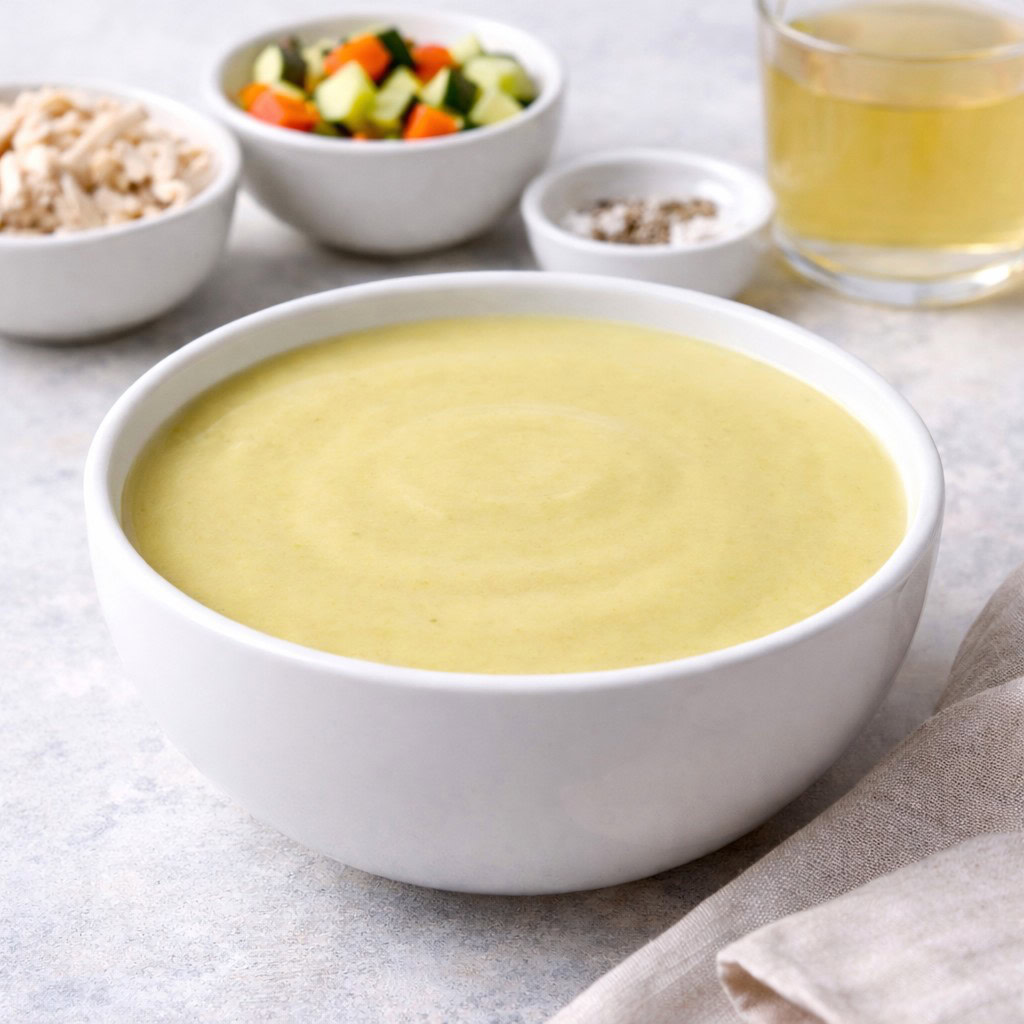
Blended Chicken & Veggie Soup (Fully Strained)
High-Protein, Lactose-free
Ingredients:
Steps:
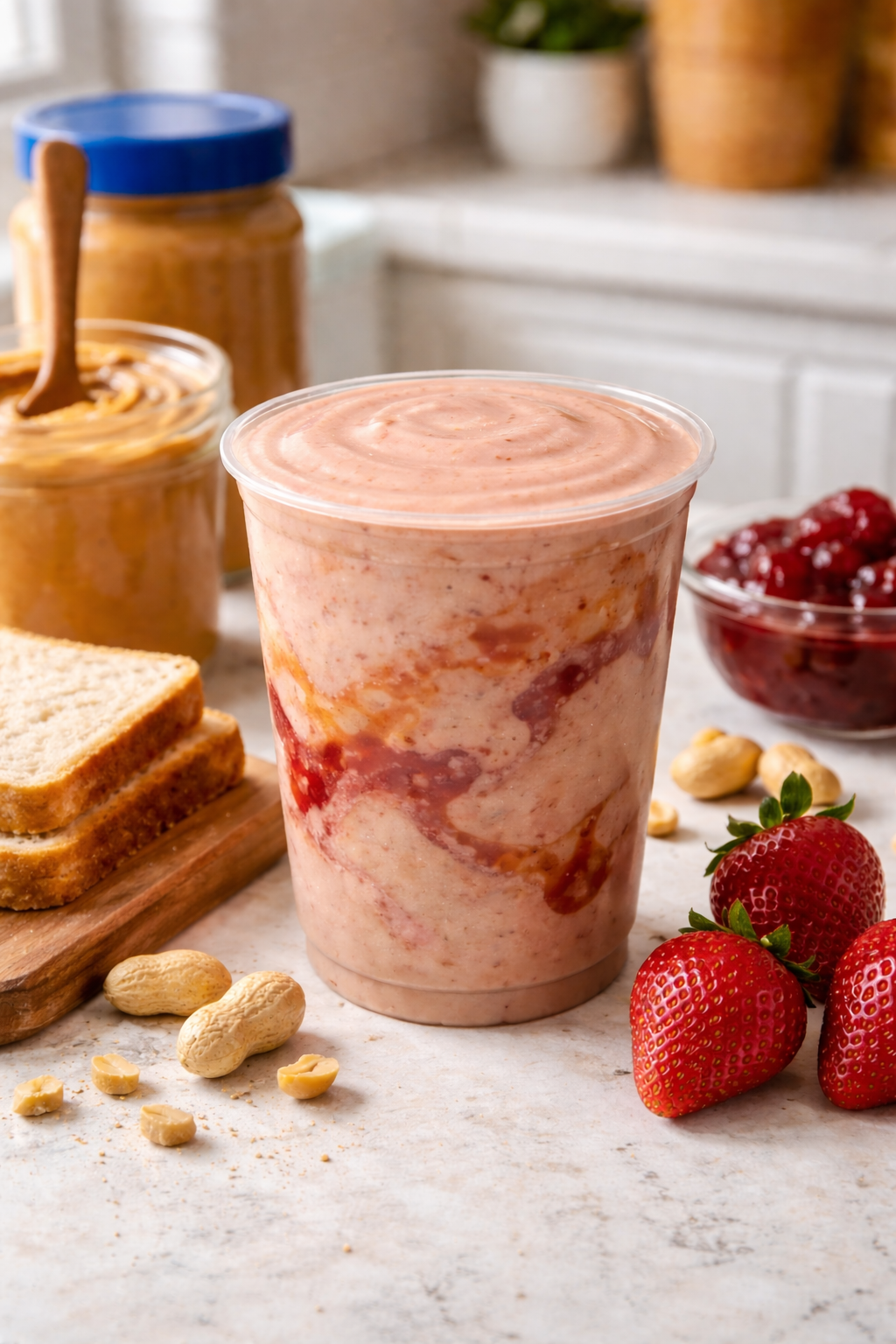
Peanut Butter & Jelly Bread Smoothie
Vegetarian, Dairy-Optional
Ingredients:
Steps:


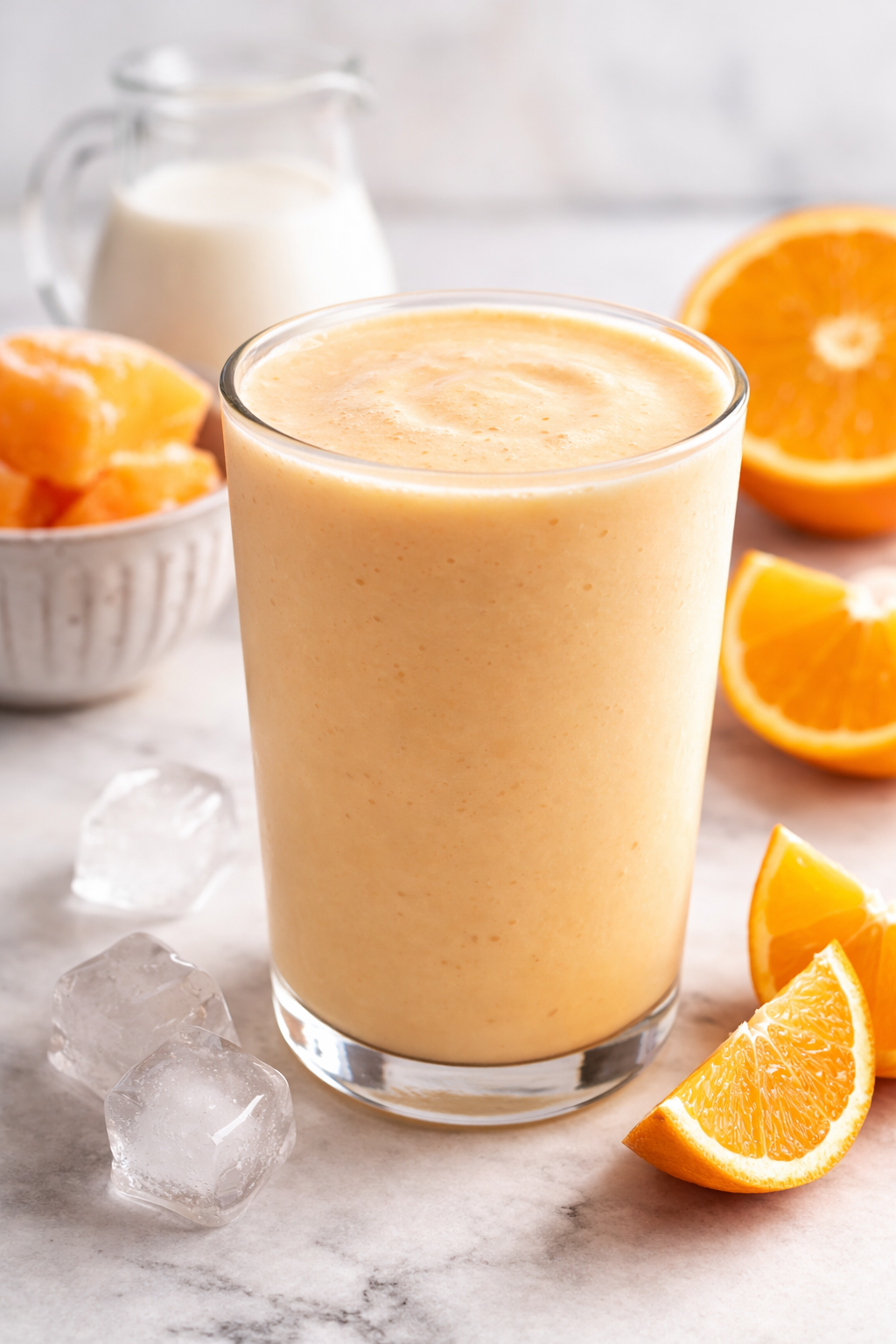
Creamsicle Smoothie
Refreshing, Citrus-Based
Ingredients:
Steps:
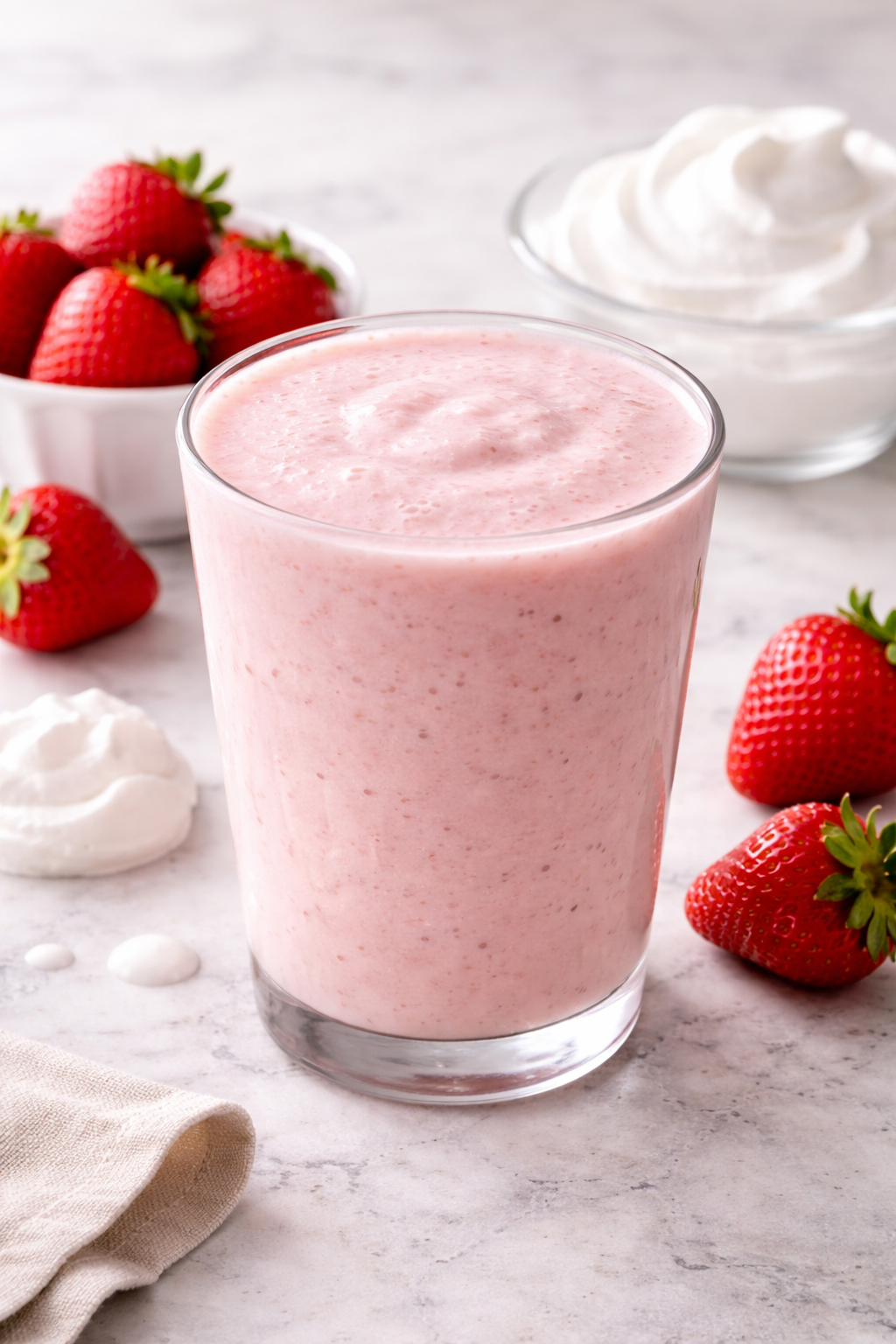
Strawberries & Cream
Creamy, Protein-Friendly
Ingredients:
Steps:


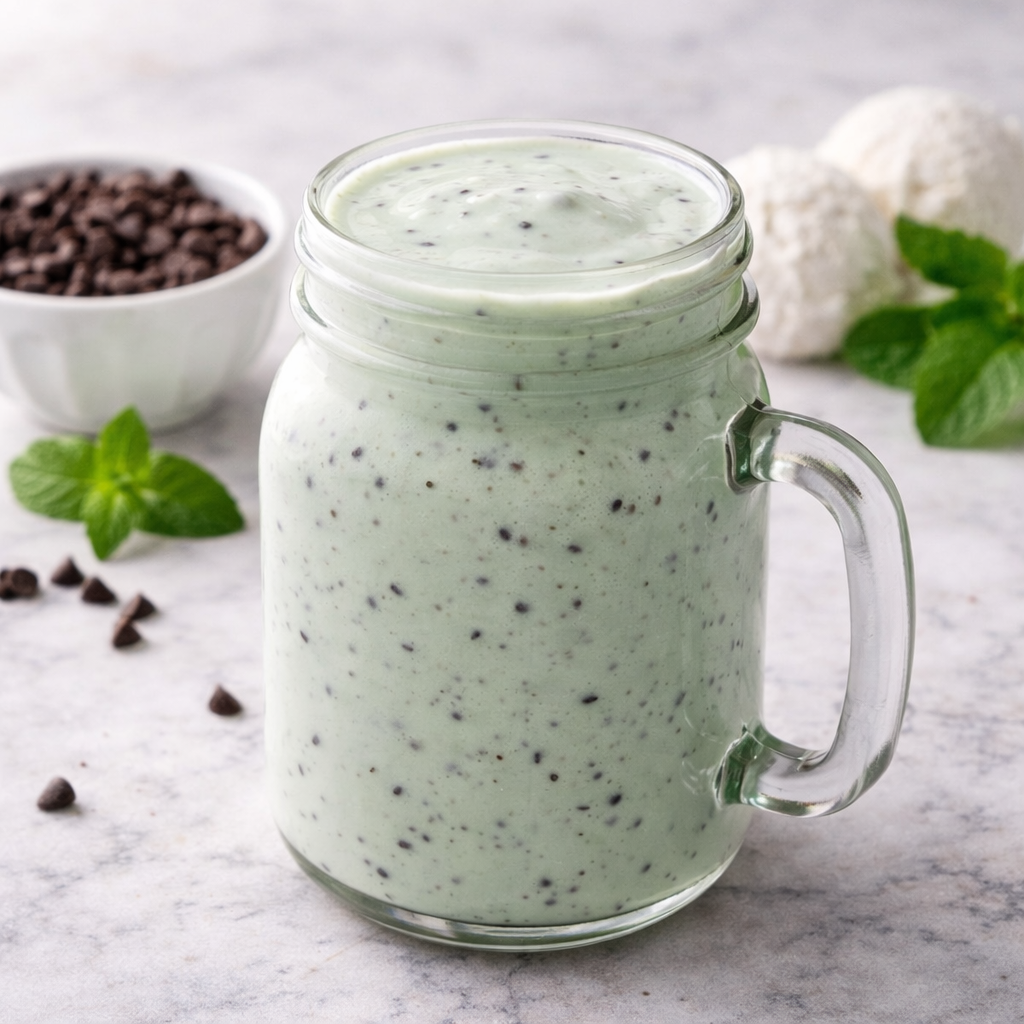
Mint Chocolate Chip Shake
Indulgent, Dessert-Style
Ingredients:
Steps:
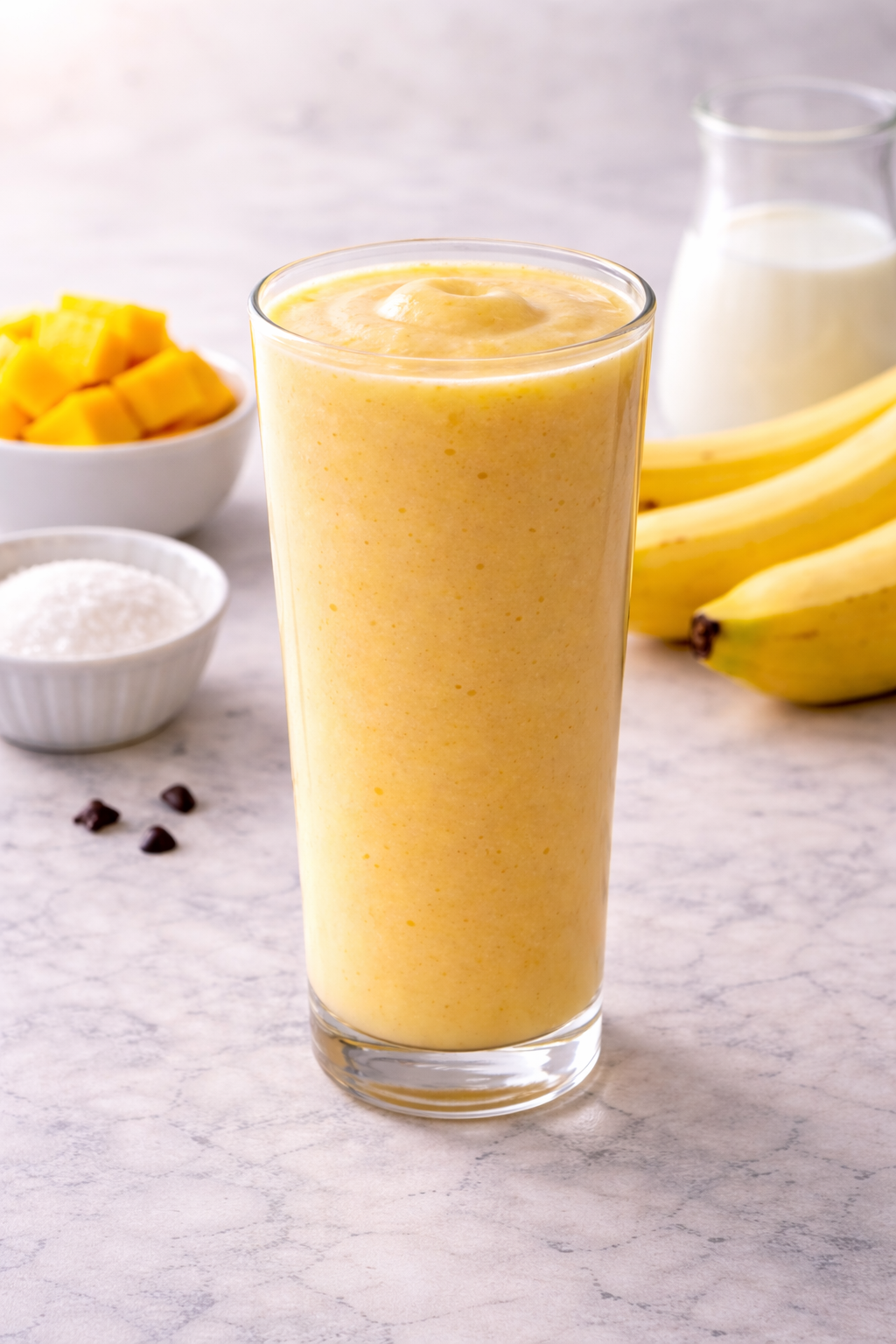
Tropical Shake
Fruit-Based, Naturally Sweet
Ingredients:
Steps:


FAQs
Common Patient Concerns
How soon can I use a straw or chew gum?
Most surgeons advise avoiding straws for several weeks because the suction can place pressure on healing tissues and may disrupt sutures. Chewing gum should also be avoided until your surgeon confirms your jaw is stable enough for gentle chewing motions. Always follow the specific timeline given to you after surgery, as healing speeds vary.
Can I drink hot coffee, tea, or soup?
Warm beverages are typically safe, but anything u003cemu003etoo hotu003c/emu003e may irritate surgical sites or increase swelling. Start with lukewarm drinks and gradually increase temperature only if you feel comfortable. If the heat causes discomfort or throbbing, let the drink cool before consuming.
What if I lose my appetite — how can I still get enough nutrition?
A reduced appetite is extremely common after jaw surgery due to swelling, medication, and limited oral mobility. To maintain energy and support healing:u003cbru003eu003cbru003e➜ Try small, nutrient-dense meals throughout the day.u003cbru003e➜ Add protein powder, nut butters, or yogurt to smoothies.u003cbru003e➜ Sip calorie-rich broths or fortified shakes.u003cbru003e➜ Set gentle reminders so you don’t unintentionally skip meals.u003cbru003eu003cbru003eIf appetite loss continues or you’re losing weight quickly, notify your care team.
What if it’s hard to eat often?
If frequent meals feel overwhelming, aim for u003cstrongu003e4–6 small servingsu003c/strongu003e instead of traditional large meals. Liquids and blended foods are easier to consume and can provide substantial calories without requiring chewing. Smoothies, pureed soups, protein drinks, and soft puddings are excellent options when you’re tired or uncomfortable.