



Hemifacial Microsomia
Personalized treatment restores symmetry, function, and long-term facial balance
What Is Hemifacial Microsomia?
1
2A
2B
3
Treatment & Care Pathway

Diagnostic Evaluation & Counseling
Comprehensive evaluation helps define the severity of hemifacial microsomia, identify associated conditions, and guide long-term treatment planning.
Hearing Assessment & Treatment
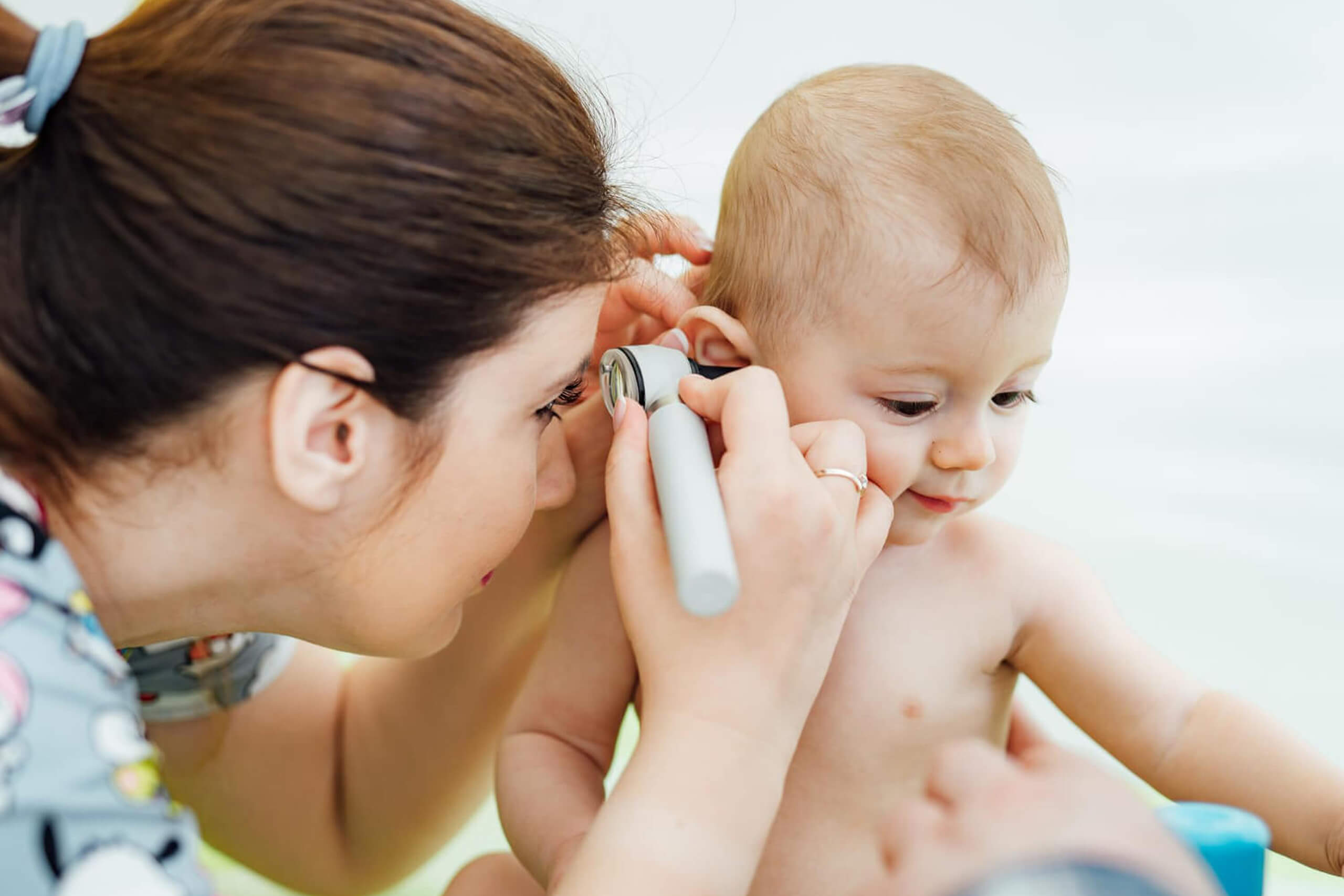
Early hearing evaluation helps identify hearing loss and supports speech, language, and developmental progress through appropriate treatment.
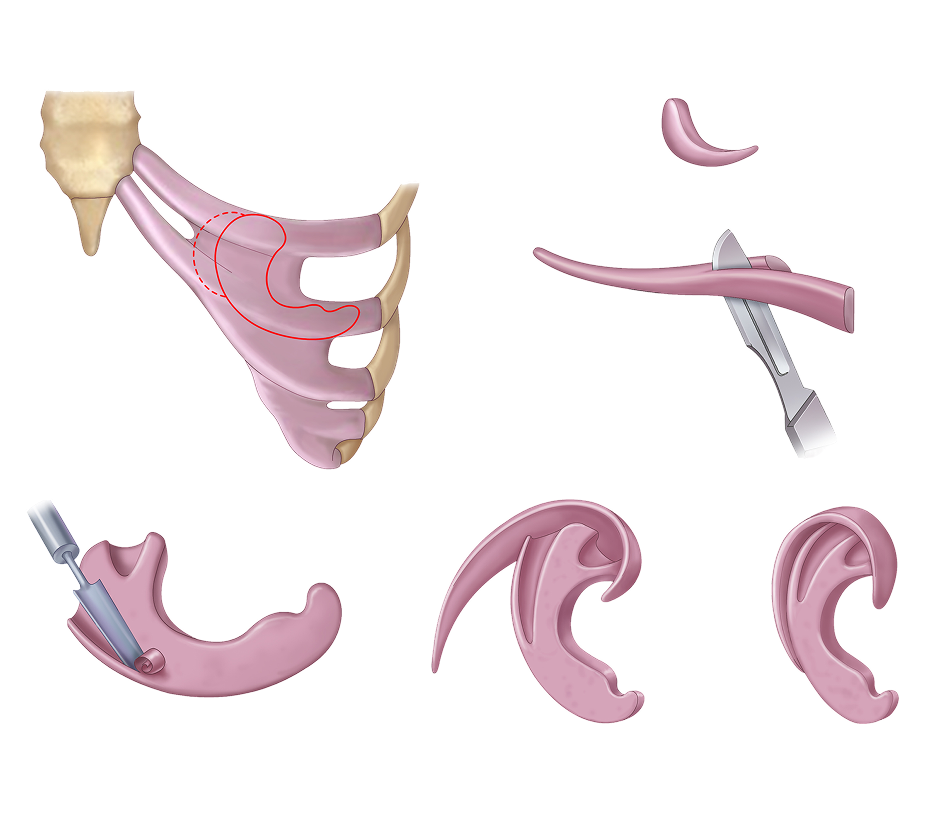
Ear Reconstruction
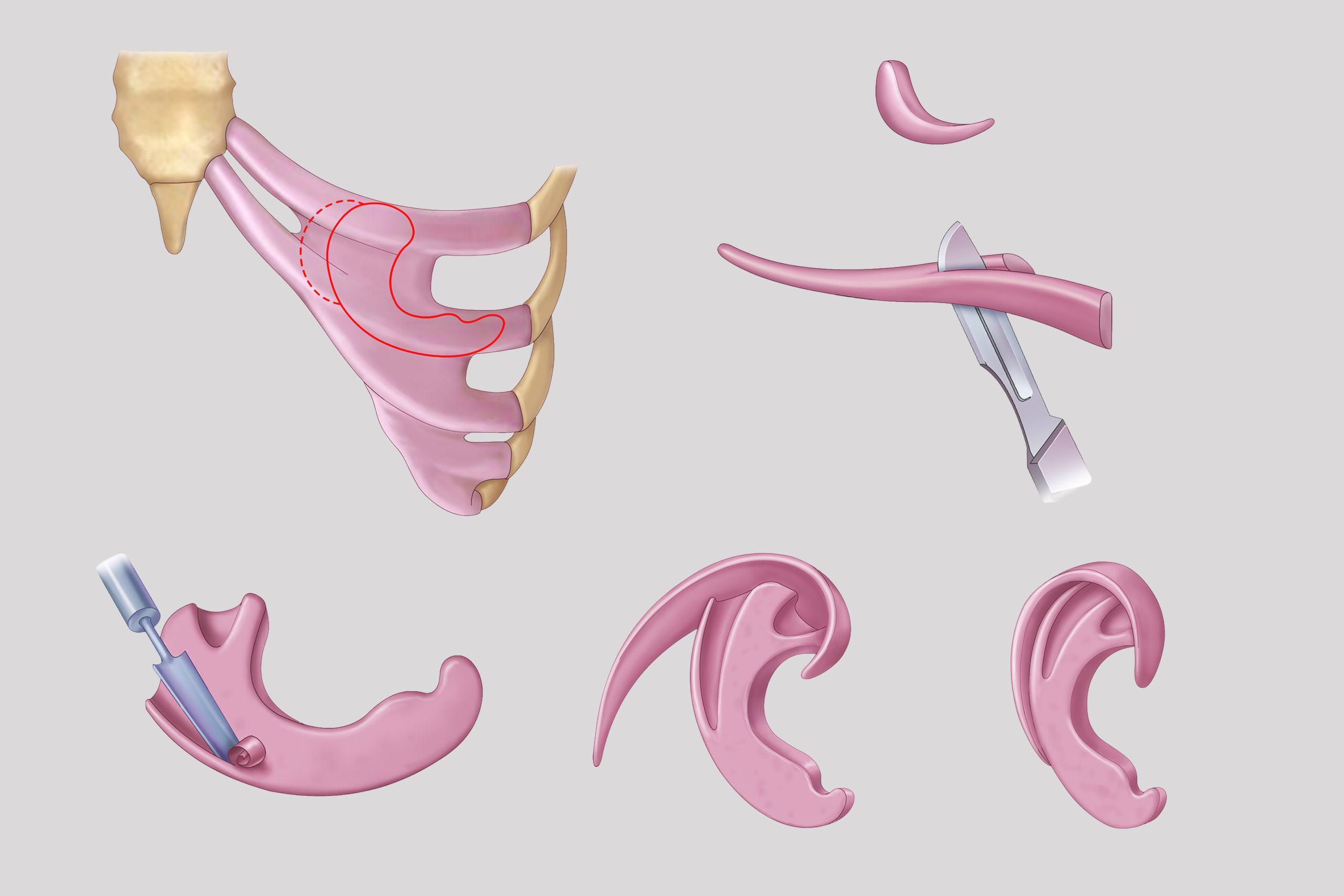
When necessary, ear reconstruction is typically performed around 6 years of age, when ear growth and rib cartilage development are better suited for reconstruction.

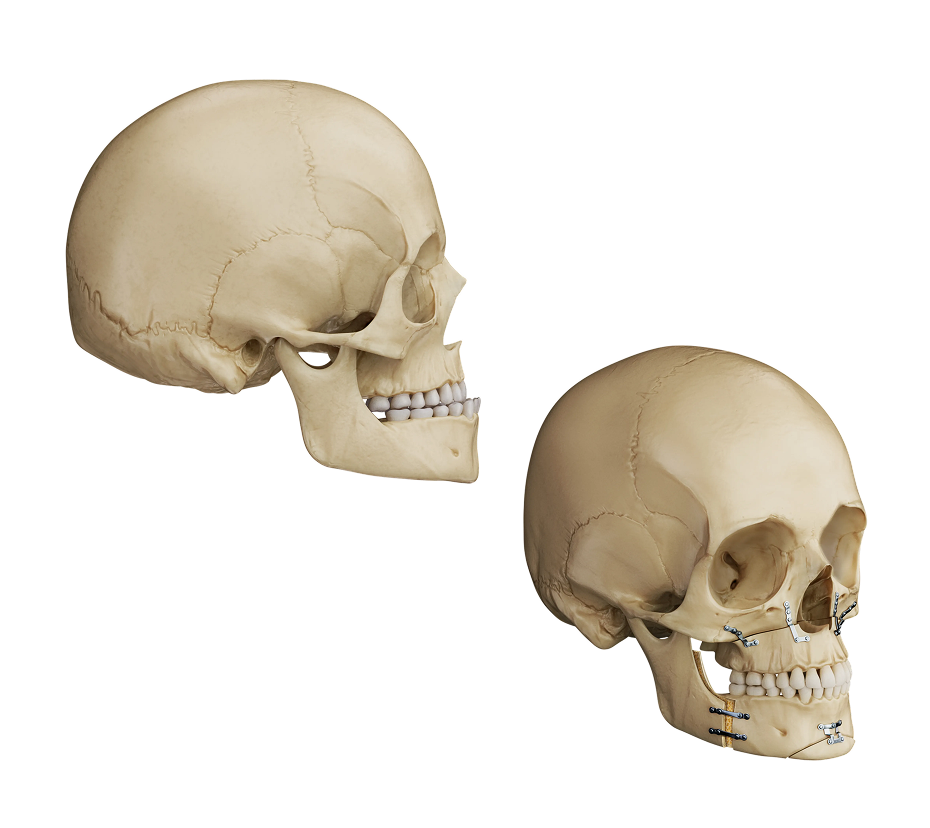
Planning for Orthognathic Surgery
Long-term monitoring and growth analysis help determine if and when jaw surgery may be beneficial to improve facial symmetry and bite alignment.
Surgical Treatment Options
Treatment Timeline
Experience Matters
“We personally plan your care, perform your surgery, and guide your recovery. No residents, no fellows, no handoffs.”
Choosing the right surgical team matters. You should feel informed, comfortable, and confident in every step of the process. At our practice, your care is provided by one of the most highly trained and experienced jaw surgery teams in the country.
When you come to our office, you meet directly with your surgeons. We are the ones who plan your treatment, perform your surgery, see you after surgery, and remain personally available to you throughout your recovery. Unlike larger institutions, your care is not delegated to residents, fellows, or doctors in training. Every critical aspect of your treatment is handled by your surgeons.




Founding Members of the American Society of Orthognathic Surgery

What Our Patients Are Saying





Hemifacial Microsomia is a complex craniofacial condition that can affect the jaw, ears, facial soft tissues, nerves, airway, and dental development. Treatment often requires careful planning over many years and may involve multiple procedures at different stages of growth. Surgeons and craniofacial teams with extensive experience treating Hemifacial Microsomia are generally better equipped to manage the condition's unique anatomical variations and long-term treatment needs.
In a private practice setting, care is often more streamlined and centered around direct surgeon involvement throughout evaluation, treatment planning, surgery, and follow-up.
In academic or hospital-based environments, care may involve a larger team that includes residents or fellows participating under supervision. Both models can provide excellent care, but families may experience different levels of continuity throughout treatment. At our center, your care is provided directly by your surgeon, without residents or fellows performing surgery.
It is important to understand who is performing each part of your treatment. In some settings, the attending surgeon performs all critical portions of the procedure, while in others trainees may assist or participate under supervision. This should be discussed clearly in advance. At our center, your surgeon performs all critical portions of the procedure.
Depending on the treatment setting, residents, fellows, or students may be involved in aspects of care. Patients and families should feel comfortable asking about their role and how care is supervised throughout treatment.
At our center, there are no residents or fellows involved in performing surgery.
Long-term follow-up is an important part of care for many conditions managed at our center. In some practices, post-treatment care may be shared among multiple providers, while in others the surgeon remains closely involved throughout recovery and monitoring. At our center, your surgeon personally follows you throughout recovery and long-term care.
Comprehensive care includes direct surgical involvement in evaluation, treatment planning, surgery, and long-term follow-up. Consistency throughout the process helps maintain continuity of care.
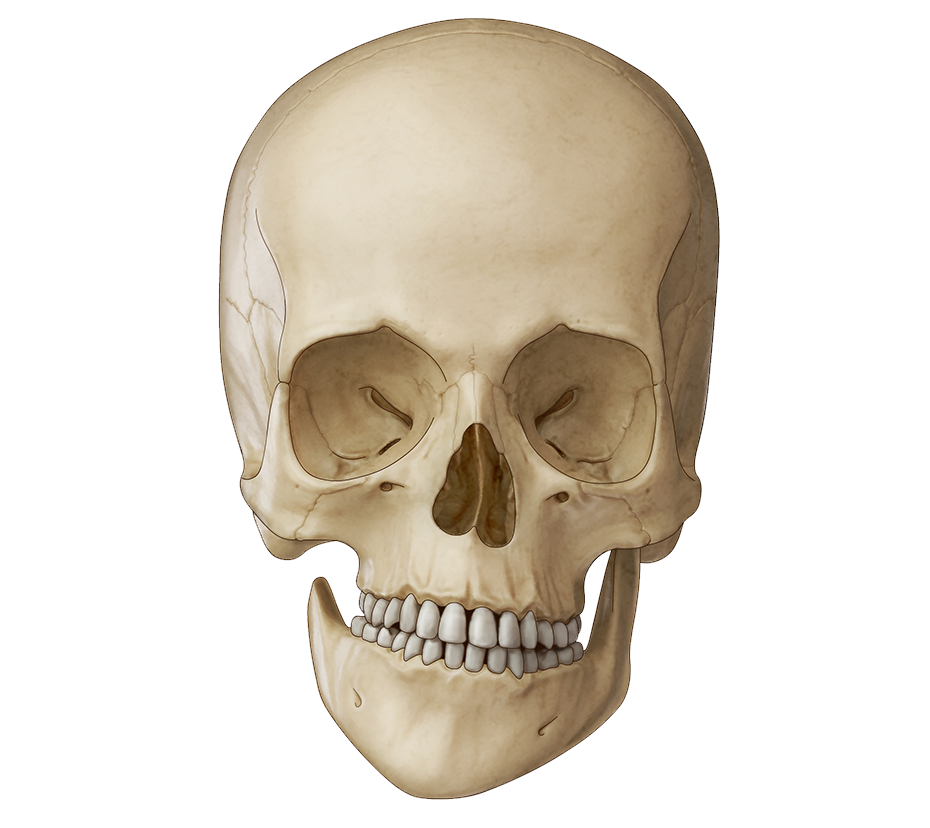
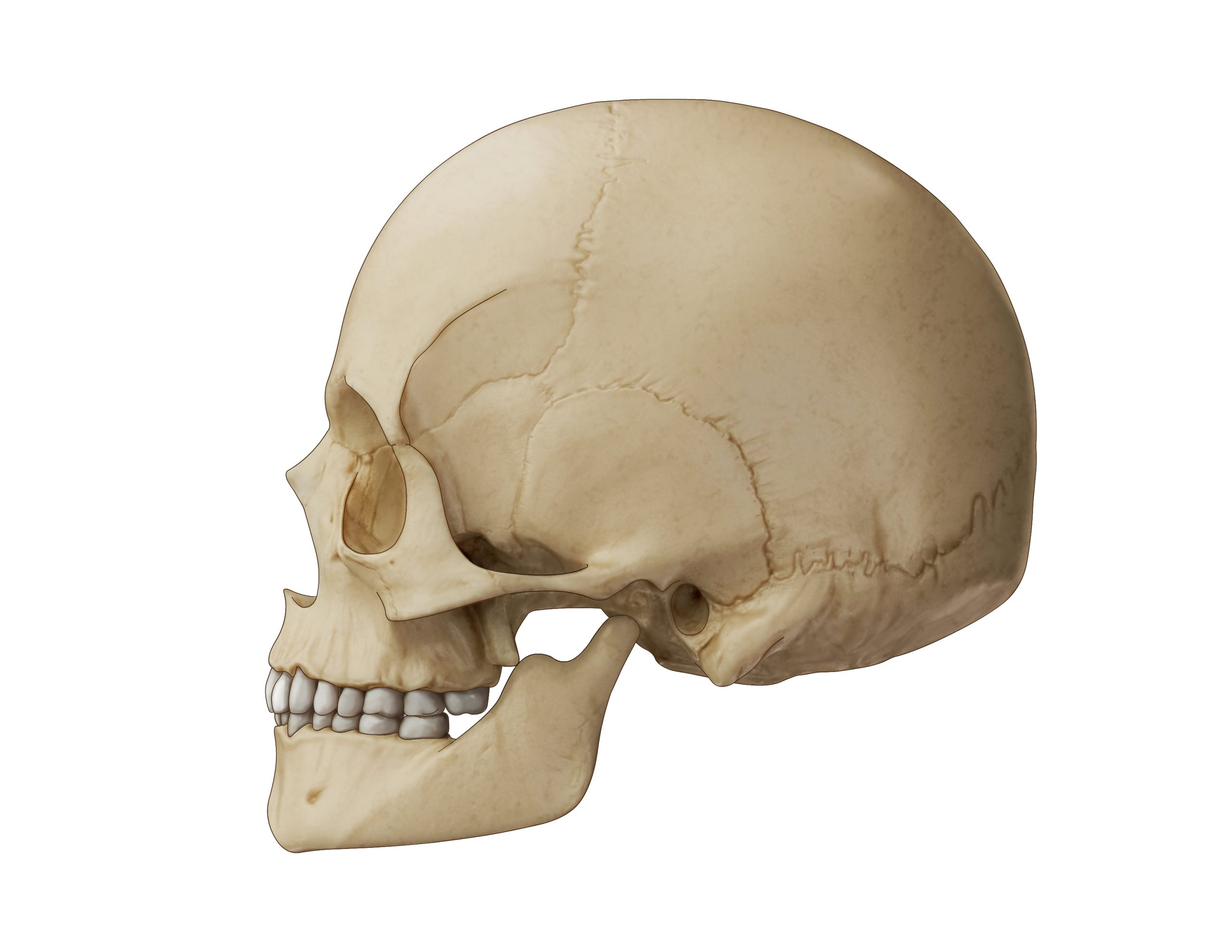
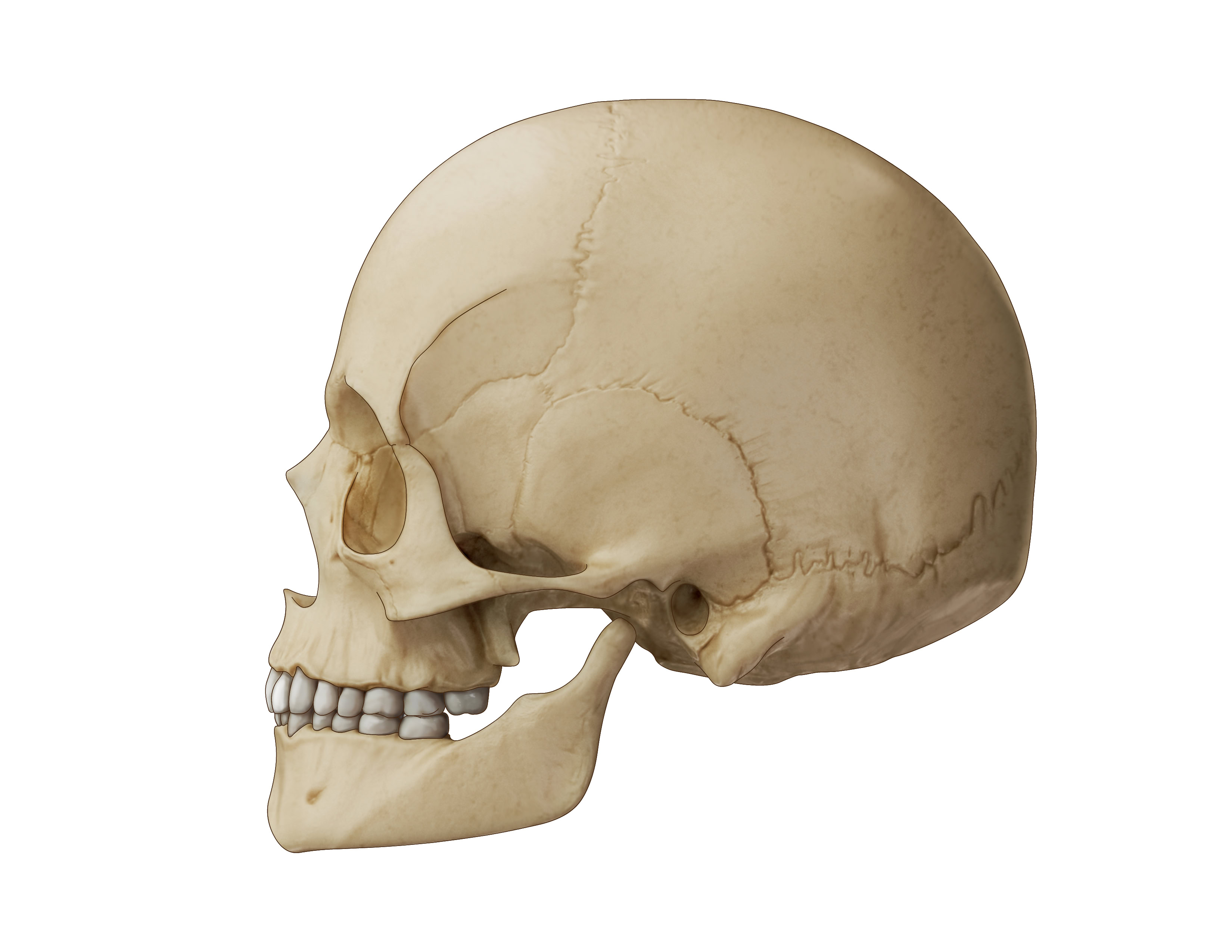
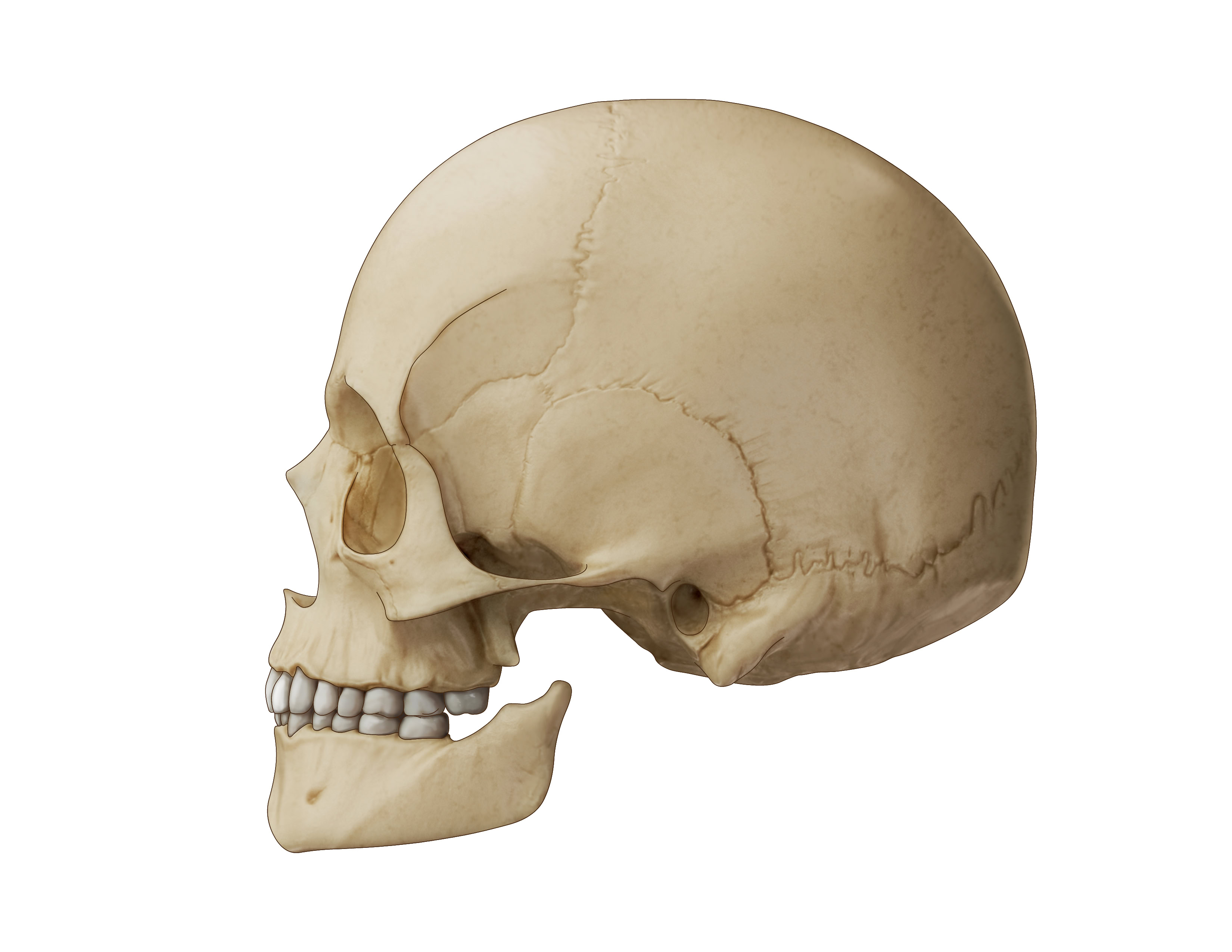
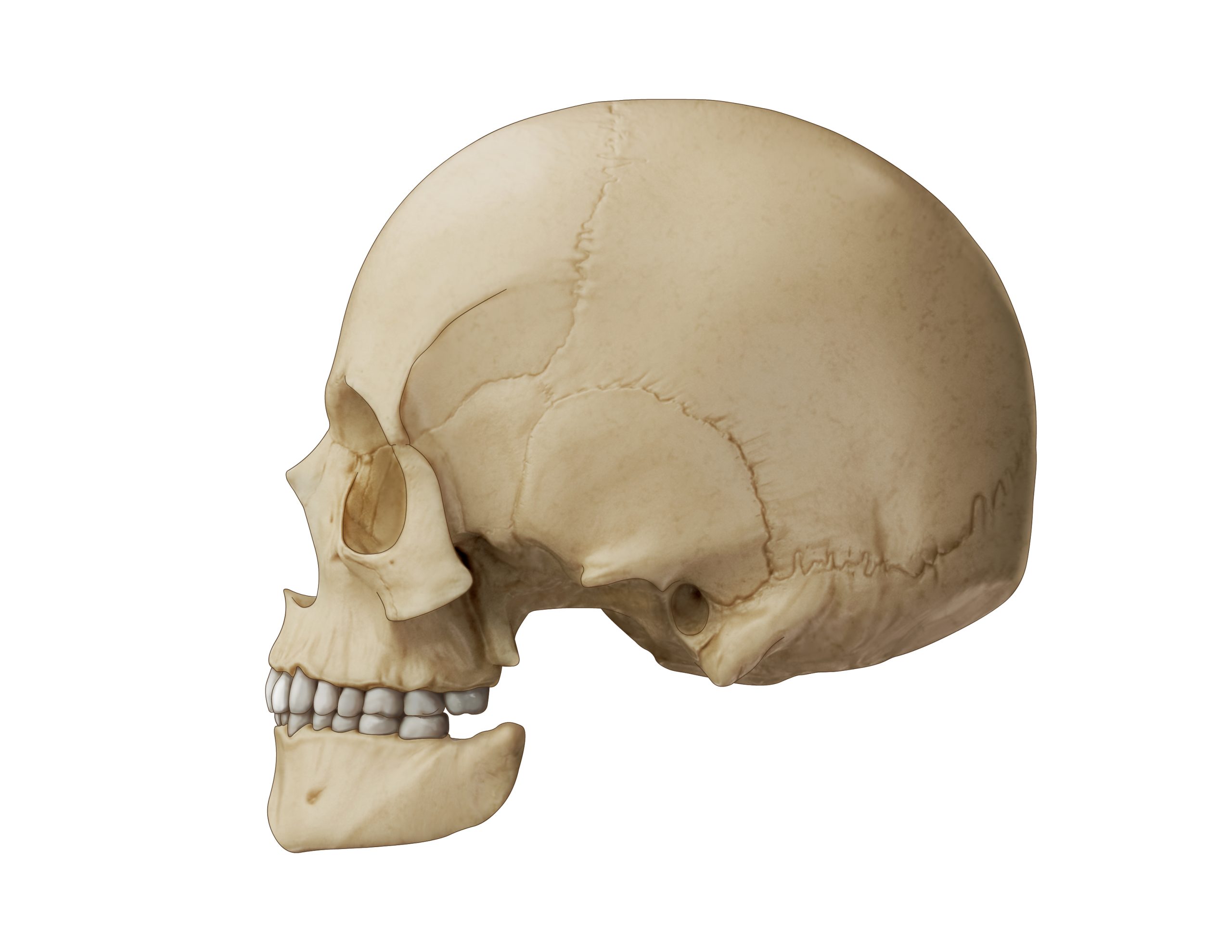
Hemifacial Microsomia is a congenital condition in which one side of the face develops incompletely before birth. The jaw is most commonly affected, but the condition may also involve the ear, cheek, facial muscles, soft tissues, nerves, and surrounding structures. The severity varies considerably from one individual to another.
The exact cause is not fully understood. Most cases occur sporadically and are not inherited. Researchers believe that early developmental disruptions affecting blood supply or tissue formation during fetal development may contribute to the condition. In most cases, there is no identifiable action, exposure, or event during pregnancy that caused the condition.
The affected side of the face often grows differently from the unaffected side. This can lead to facial asymmetry involving the jaw, chin, cheeks, and lower face. As a child grows, the degree of asymmetry may become more noticeable, making ongoing monitoring important throughout development.
Yes. Ear involvement is common and may range from mild differences in ear shape to significant underdevelopment of the external ear, known as microtia. Some patients also have narrowing or absence of the ear canal, which can affect hearing.
Yes. Hearing loss is relatively common when the ear canal or middle ear structures are affected. Regular hearing evaluations are important, particularly during childhood when speech and language development are occurring.
Some patients have smaller jaw structures that can contribute to airway narrowing. In more severe cases, breathing concerns may be identified during infancy or childhood and require additional evaluation or treatment.
Although Hemifacial Microsomia most commonly affects one side of the face, both sides can be involved to varying degrees in some patients. When both sides are affected, the condition may present differently and require individualized treatment planning.
Treatment depends on the severity of the condition and the structures involved. Care may include hearing management, orthodontics, jaw reconstruction, mandibular distraction osteogenesis, fat grafting, facial soft tissue augmentation, ear reconstruction, and orthognathic jaw surgery. Not every patient requires every procedure.
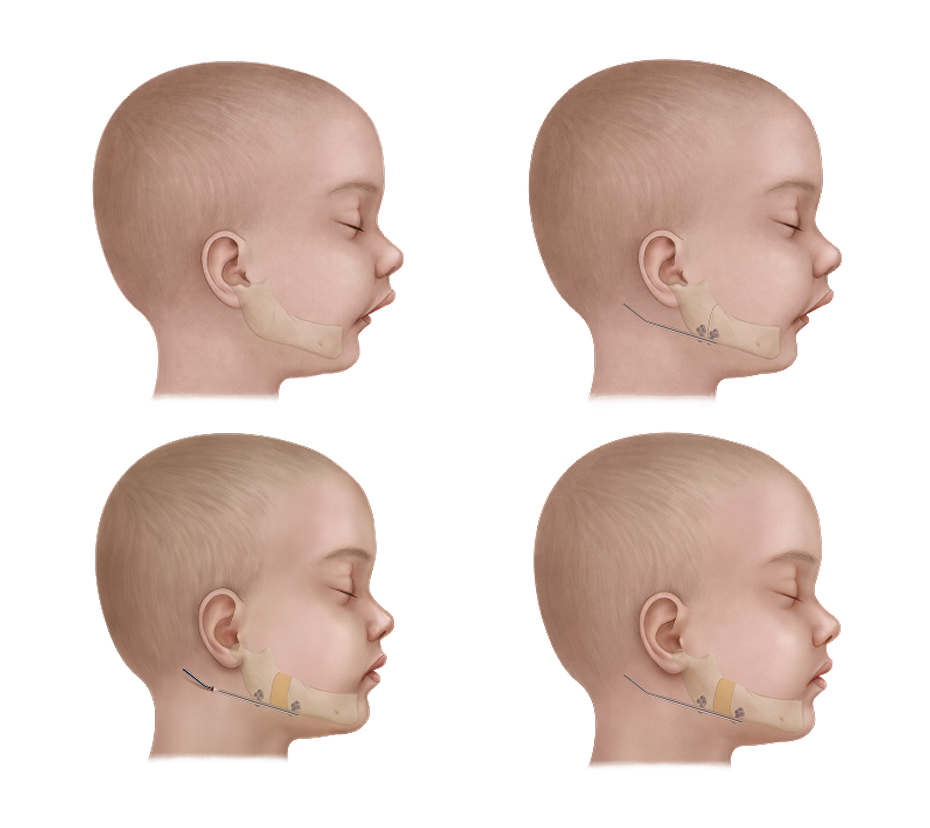
The timing depends on the severity of jaw involvement and the patient's age. Some children with significant jaw underdevelopment may benefit from mandibular distraction during childhood. More definitive jaw surgery is often considered after facial growth is largely complete during late adolescence or early adulthood.
Mandibular distraction osteogenesis is a technique that gradually lengthens the jaw bone. After a controlled surgical cut is made in the jaw, a distraction device slowly moves the bone segments apart, allowing new bone to form between them. This can improve jaw position, facial balance, and airway function in selected patients.
The goal of treatment is to significantly improve facial balance, symmetry, function, and quality of life. Because Hemifacial Microsomia affects multiple tissues and structures, perfect symmetry is not always achievable. Treatment plans focus on creating the best functional and aesthetic outcome possible for each individual patient.
For patients with microtia or significant ear differences, ear reconstruction may be considered. The timing and technique depend on the patient's age, anatomy, hearing status, and overall treatment plan. Ear reconstruction is often coordinated with other aspects of craniofacial care.
Many patients benefit from orthodontic treatment because differences in jaw growth frequently affect bite alignment. Orthodontics is often coordinated with surgical planning to achieve the best long-term functional result.
Long-term follow-up typically includes monitoring facial growth, jaw development, hearing, dental development, bite alignment, airway function, and overall facial symmetry. Treatment recommendations may change as growth occurs and individual needs evolve.
The condition itself does not worsen, but differences in growth between the affected and unaffected sides may become more apparent over time. Regular evaluation helps determine whether treatment should be adjusted as the child develops.
Yes. Most individuals with Hemifacial Microsomia live healthy, active lives. Early evaluation, coordinated treatment planning, and appropriate management of hearing, dental, airway, and facial growth concerns can help patients achieve excellent long-term outcomes.
Some patients require staged treatment throughout childhood and adolescence, while others need only limited intervention. The need for future procedures depends on growth patterns, severity, functional concerns, and personal treatment goals.
Yes. Most children with Hemifacial Microsomia grow up to live healthy, active, and fulfilling lives. The condition affects facial development, but with appropriate monitoring and treatment when needed, many children participate fully in school, sports, social activities, and everyday life. Outcomes depend on the severity of the condition and any associated concerns involving hearing, breathing, dental development, or facial growth. Early evaluation and coordinated care help ensure that children receive the support they need as they grow and develop.
Yes. We regularly care for children, adolescents, and adults who travel from outside the region for specialized craniofacial and jaw surgery evaluation and treatment.
The length of stay depends on the procedure being performed. For consultations and treatment planning, most families can return home shortly after their visit. Following procedures such as mandibular distraction, jaw surgery, or reconstructive procedures, patients typically remain locally until their surgeon confirms that healing is progressing appropriately and travel is safe. Specific timelines vary based on the procedure and individual recovery.
Yes. Ground travel is often approved sooner than air travel following certain craniofacial and jaw procedures. Your surgeon will provide individualized recommendations regarding both driving and flying based on the procedure performed and your recovery progress.
Evaluation at our center includes a comprehensive assessment of facial growth, jaw development, airway function, hearing, dental development, and overall facial symmetry. Imaging studies and previous treatment records are carefully reviewed to better understand the individual's anatomy and treatment needs.
Families receive a personalized treatment plan that outlines current concerns, potential future procedures, and the timing of any recommended interventions. Because Hemifacial Microsomia can affect multiple structures and continues to evolve with growth, treatment planning often focuses not only on immediate needs but also on long-term developmental goals. Families have the opportunity to discuss all available options, ask questions, and gain a clear understanding of what to expect at each stage of care.