



Crouzon Syndrome
A condition affecting skull and facial growth, guided by coordinated care and long-term support
What Is Crouzon Syndrome?
Treatment & Care Pathway

Cranial Fusion Management
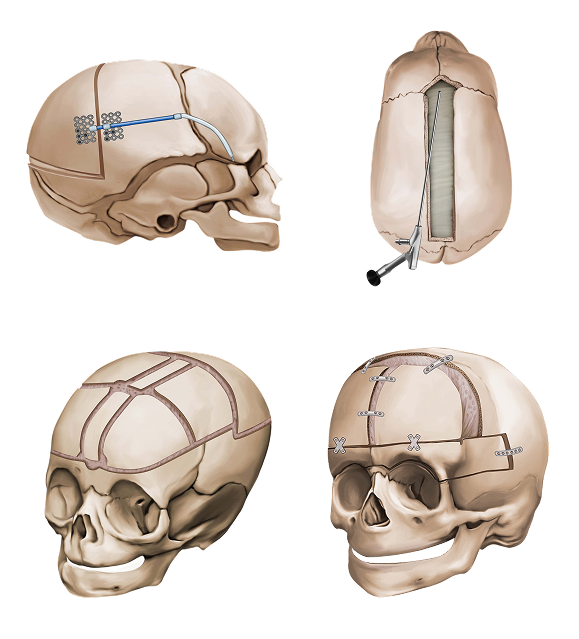
Cranial growth monitoring evaluates skull development and guides timely surgical planning to reduce pressure on the brain and support healthy neurological outcomes.

Midface, Airway & Ocular Care
Evaluation focuses on midface growth, breathing, eye protection, and related functional concerns associated with Crouzon syndrome.

Planning for Craniofacial Surgery
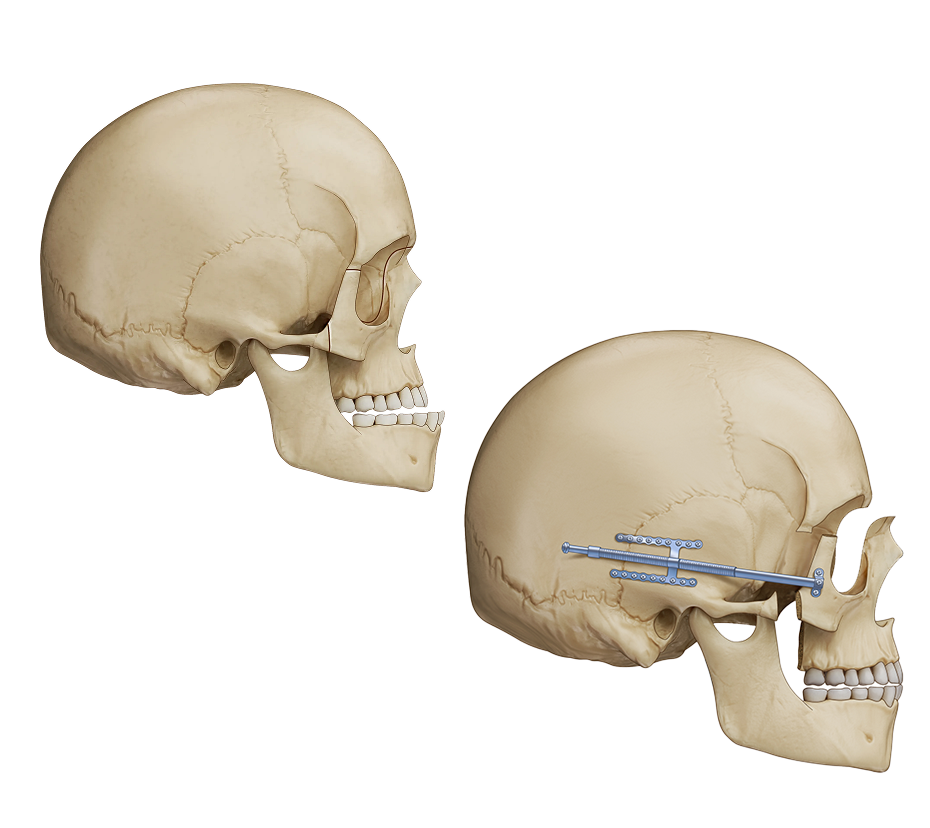
Long-term planning determines if and when midface advancement may improve facial balance, airway function, and eye protection.

Planning for Corrective Jaw & Nasal Surgery
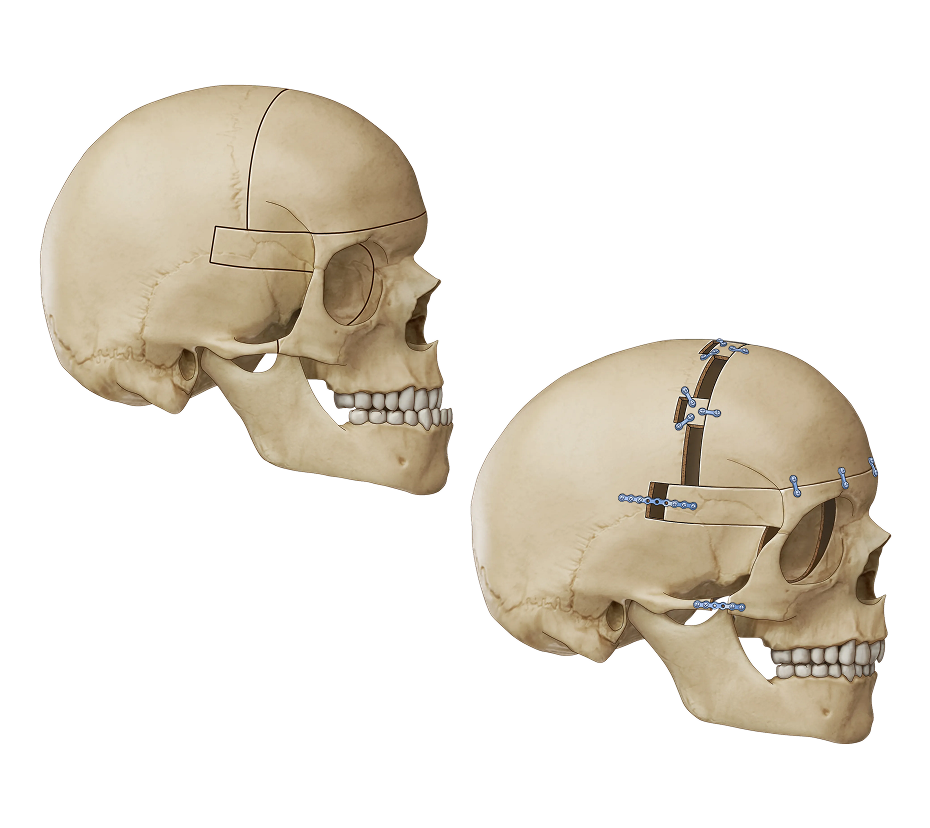
Growth monitoring helps determine if and when corrective jaw and nasal surgery may be beneficial to improve function and facial harmony.
Surgical Treatment Options
Treatment Timeline
Experience Matters
“We personally plan your care, perform your surgery, and guide your recovery. No residents, no fellows, no handoffs.”
Choosing the right surgical team matters. You should feel informed, comfortable, and confident in every step of the process. At our practice, your care is provided by one of the most highly trained and experienced jaw surgery teams in the country.
When you come to our office, you meet directly with your surgeons. We are the ones who plan your treatment, perform your surgery, see you after surgery, and remain personally available to you throughout your recovery. Unlike larger institutions, your care is not delegated to residents, fellows, or doctors in training. Every critical aspect of your treatment is handled by your surgeons.




Founding Members of the American Society of Orthognathic Surgery

What Our Patients Are Saying





Crouzon Syndrome often involves complex surgical, developmental, and functional concerns that require coordinated, specialized management. Outcomes depend heavily on a surgeon's training, clinical judgment, and familiarity with the nuances of this condition. Teams that regularly treat patients with Crouzon Syndrome are typically better equipped to manage both immediate surgical needs and long-term outcomes.
In a private practice setting, care is often more streamlined and consistent, with the same surgeon closely involved in evaluation, treatment planning, surgery, and follow-up.
In academic or hospital-based settings, care may involve a larger team that can include residents or fellows participating under supervision. Both models can provide excellent care, but the structure and continuity of treatment may feel different. At our center, your care is delivered directly by your surgeon — not by residents, fellows, or surgeons in training.
It is important to understand who is performing each part of your treatment. In some settings, the attending surgeon performs all critical portions of the procedure, while in others trainees may assist or participate under supervision. This should be discussed clearly in advance. At our center, your surgeon performs all critical portions of the procedure.
Depending on the treatment setting, residents, fellows, or students may be involved in aspects of care. Patients and families should feel comfortable asking about their role and how care is supervised throughout treatment.
At our center, there are no residents or fellows involved in performing surgery.
Long-term follow-up is an important part of care for many conditions managed at our center. In some practices, post-treatment care may be shared among multiple providers, while in others the surgeon remains closely involved throughout recovery and monitoring. At our center, your surgeon personally follows you throughout recovery and long-term care.
Comprehensive care includes direct surgical involvement in evaluation, treatment planning, surgery, and long-term follow-up. Consistency throughout the process helps maintain continuity of care.
At our center, your surgeon is directly involved at every stage — from initial evaluation through treatment and follow-up.
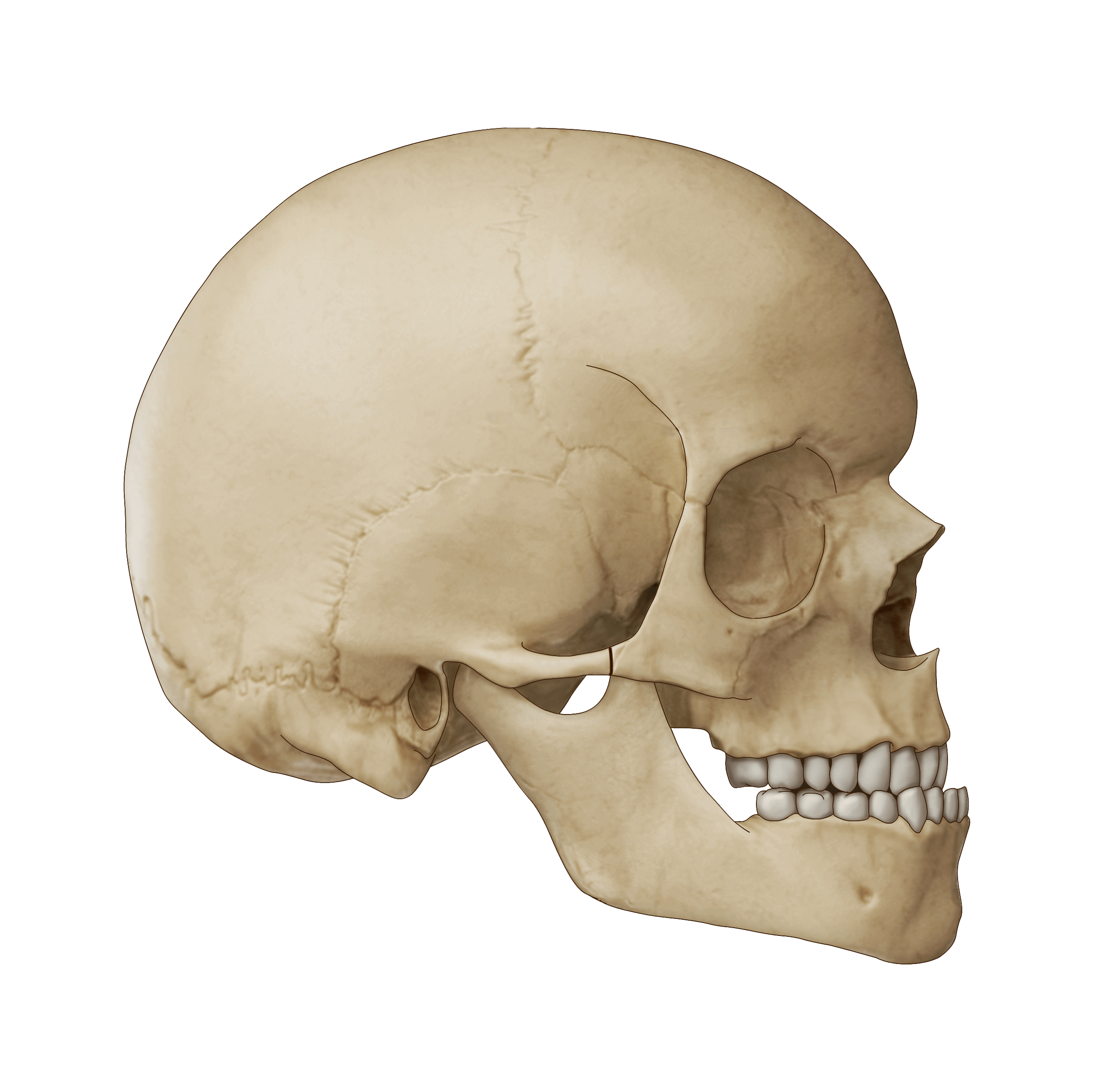
Crouzon Syndrome is a genetic condition caused by premature fusion of the skull bones, a process called craniosynostosis. This early fusion restricts normal skull and facial growth, leading to a characteristic appearance with a prominent forehead, midface underdevelopment, and wide-set, protruding eyes.
Crouzon Syndrome is caused by mutations in the FGFR2 gene. It can be inherited from an affected parent or occur as a completely new mutation with no prior family history. When no family history is present, the mutation arose spontaneously and was not caused by anything a parent did or was exposed to during pregnancy.
The midface is typically underdeveloped, causing the upper jaw to sit behind the lower jaw, the cheekbones to appear flat, and the eyes to look prominent or protruding. The forehead may be broad or irregular depending on which sutures are fused.
Premature skull fusion can restrict the space available for brain growth, potentially increasing intracranial pressure. Monitoring for elevated intracranial pressure is an important part of early care in children with Crouzon Syndrome.
Yes, in many patients. Underdevelopment of the midface can narrow the nasal airway and cause obstructive breathing during sleep. Some patients require airway management or surgical advancement of the midface to improve breathing.
Protruding eyes due to shallow eye sockets can affect vision and increase the risk of corneal exposure. Regular ophthalmologic evaluation is important to monitor visual function and eye health.
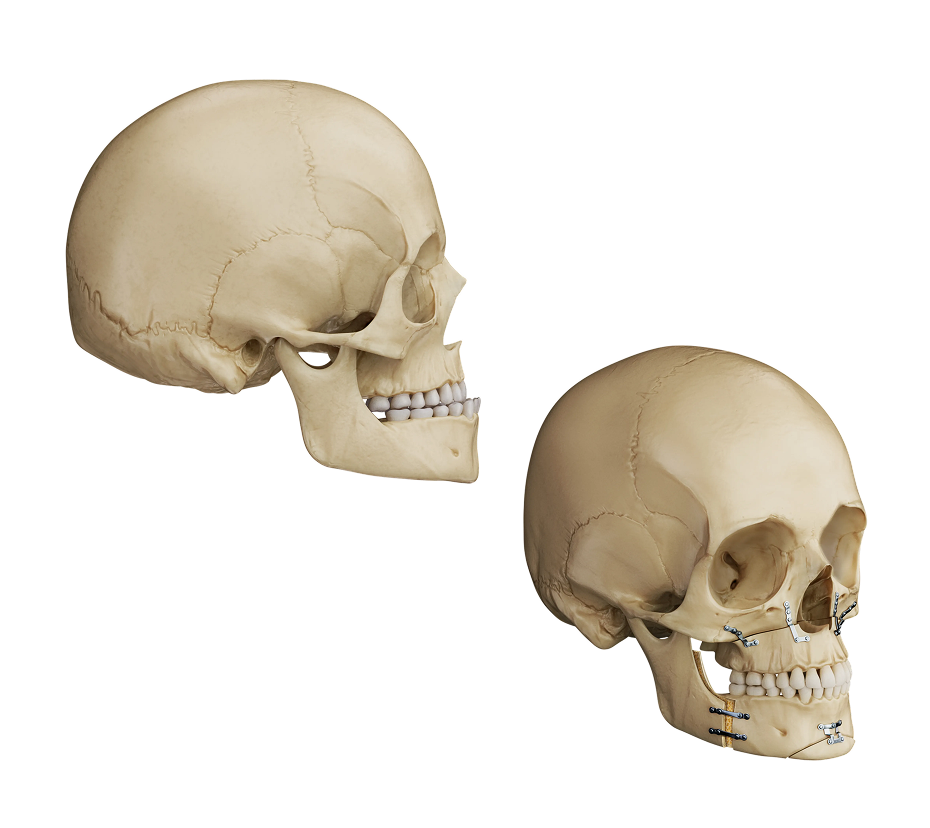
Surgical care is typically staged and may include cranial vault remodeling in infancy to relieve pressure on the brain, midface advancement during childhood or adolescence to improve the airway and facial balance, and orthognathic surgery in adolescence or adulthood to correct the bite.
Midface advancement is a procedure that moves the bones of the upper face and jaw forward to improve facial balance, relieve airway obstruction, and reduce eye exposure. In some patients, this is performed using a technique called Le Fort III osteotomy, sometimes in combination with distraction techniques.
Jaw surgery to address the bite and facial profile is typically considered after facial growth is complete, usually in late adolescence or early adulthood. It is often coordinated with orthodontic treatment to achieve the best functional and aesthetic result.
Yes. Children with Crouzon Syndrome require regular follow-up throughout development to monitor intracranial pressure, facial growth, airway function, vision, dental development, and bite alignment. Treatment recommendations may change over time as the face grows.
Crouzon Syndrome does not directly affect intelligence. Most individuals develop normally, though early monitoring and support are important to address any developmental concerns that may arise.
Yes. With appropriate and well-timed surgical and medical care, most individuals with Crouzon Syndrome live full, active lives. Early management of cranial, airway, and vision concerns is important for long-term outcomes.
Yes. We regularly care for families traveling from outside the region for specialized craniofacial care.
The local stay depends on the specific procedure performed and the patient's recovery. Cranial vault remodeling in infancy typically requires families to plan for a local stay of approximately two to three weeks, as the team needs to monitor intracranial pressure, healing, and overall recovery closely before travel is safe — this is genuine ongoing clinical monitoring. Midface advancement procedures, particularly those using distraction, involve an extended treatment period, and families should discuss the full timeline with the surgeon in advance. For orthognathic jaw surgery in adolescents or adults, patients are typically discharged within two to three days and are recovering well. Out-of-town patients should plan to remain locally for approximately one week primarily to attend their first post-operative visit, where the surgeon confirms healing and clears travel home. Air travel is generally appropriate within approximately two weeks. All timelines may vary based on complexity, recovery progress, and individual circumstances, and your surgeon will provide a specific plan.
Yes. Ground travel is generally permitted sooner than air travel. The pressure changes in aircraft cabins add a consideration that is particularly relevant after cranial and midface procedures, and your surgeon will advise when flying is appropriate based on the procedure performed.
Evaluation at our center includes craniofacial examination, imaging review, airway and vision assessment, and discussion of the staged treatment plan. Families receive individualized guidance on the expected sequence of care, recovery timelines, and follow-up planning.