



Alveolar Bone Cleft
A cleft affecting the bone of the upper jaw, managed with coordinated care supporting growth and dental development.
What Is an Alveolar Bone Cleft?
Treatment & Care Pathway

Orthodontic Evaluation
Orthodontic preparation prior to grafting aligns teeth and creates space for optimal graft placement and future eruption.

Imaging & Surgical Assessment
Imaging and clinical examination define the extent and position of the alveolar defect, guiding surgical planning and optimal timing of repair.

Bone Grafting Procedure
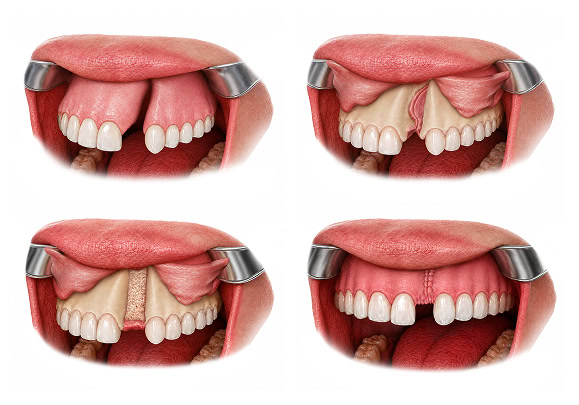
Bone grafting restores continuity of the alveolar ridge using either bone harvested from the hip or a bone morphogenetic protein (BMP)–based substitute.

Postoperative Monitoring
Ongoing orthodontic and dental follow-up ensures successful bone integration and proper eruption of permanent teeth.
Surgical Treatment Options
Treatment Timeline
Before & After Gallery
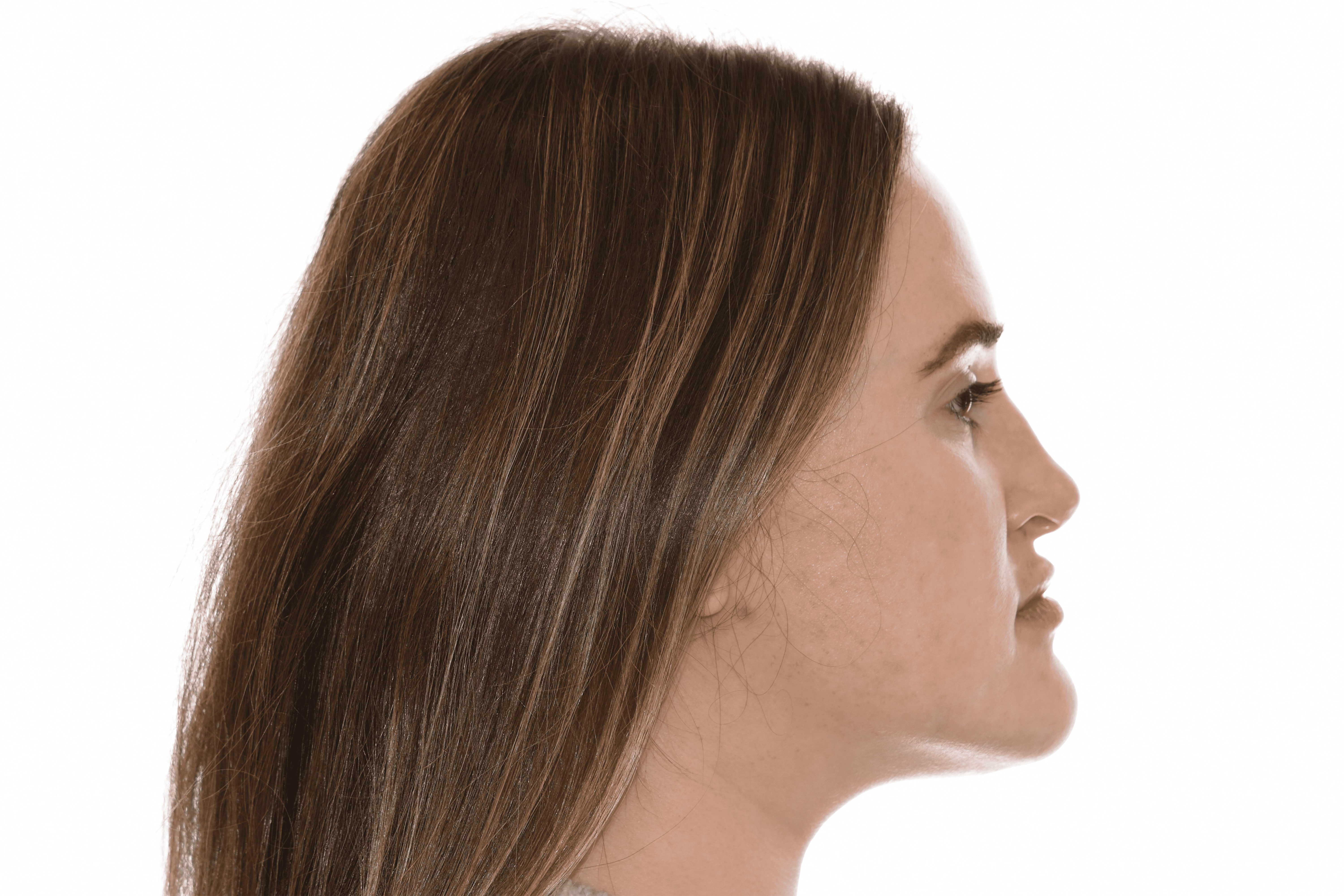
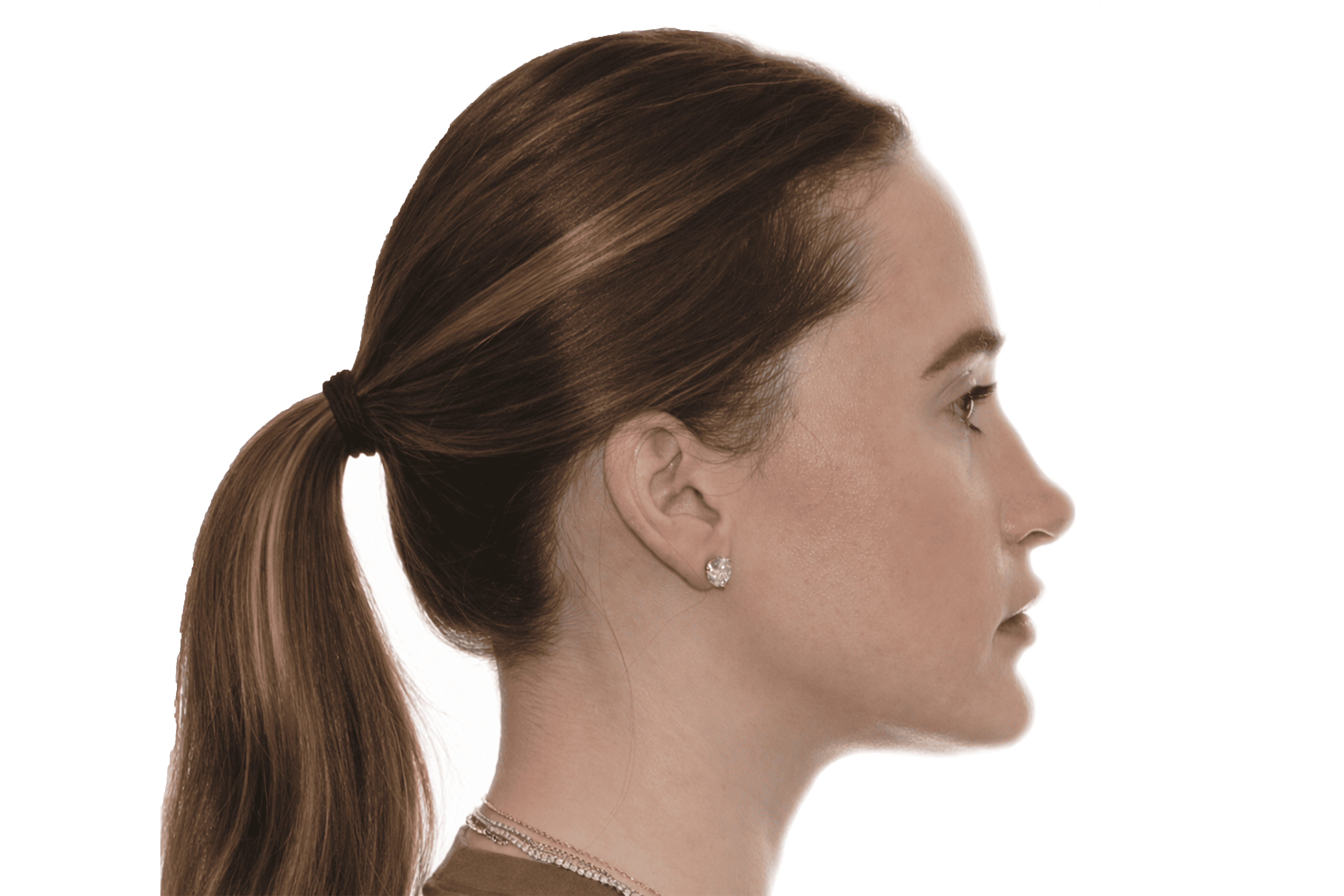
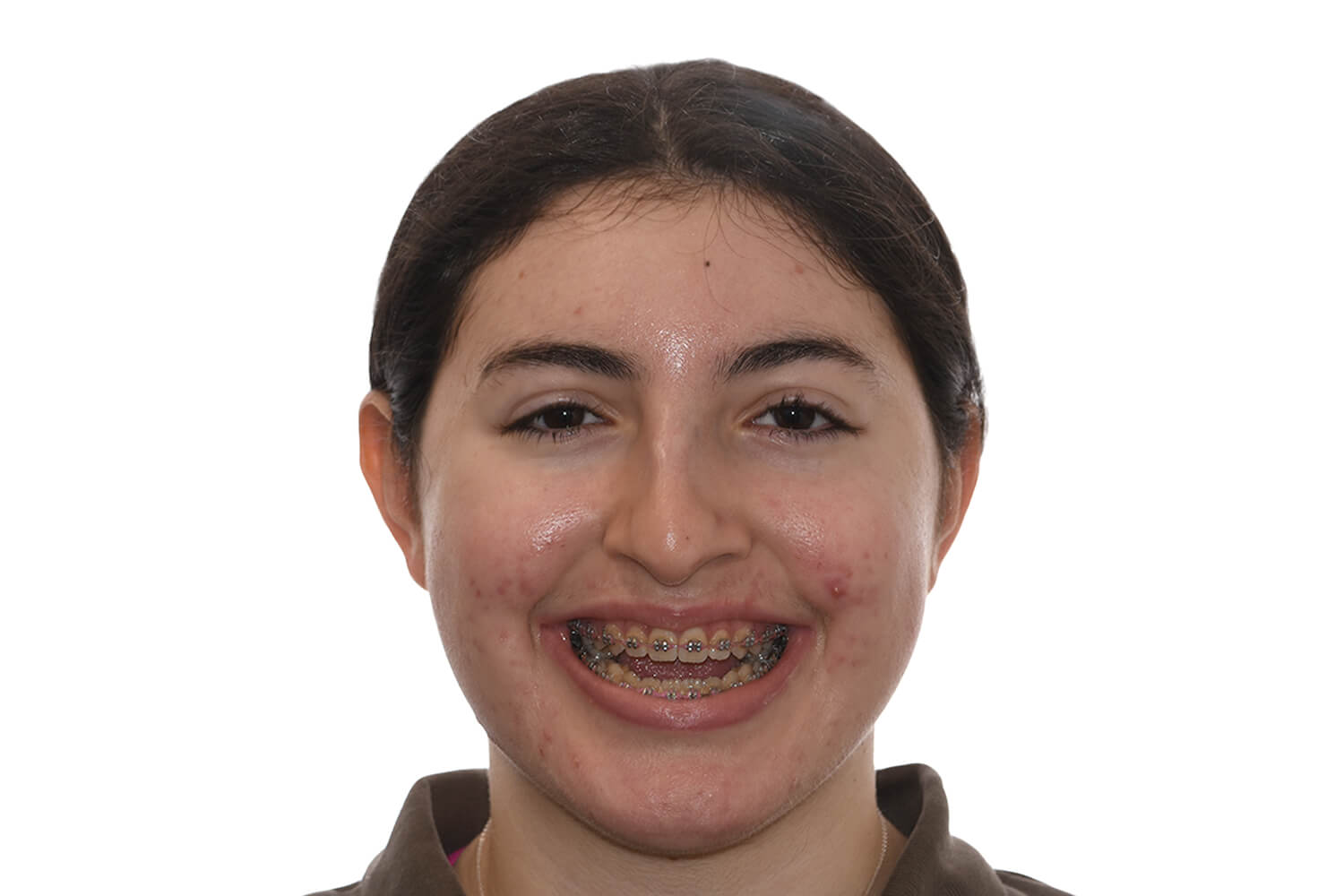
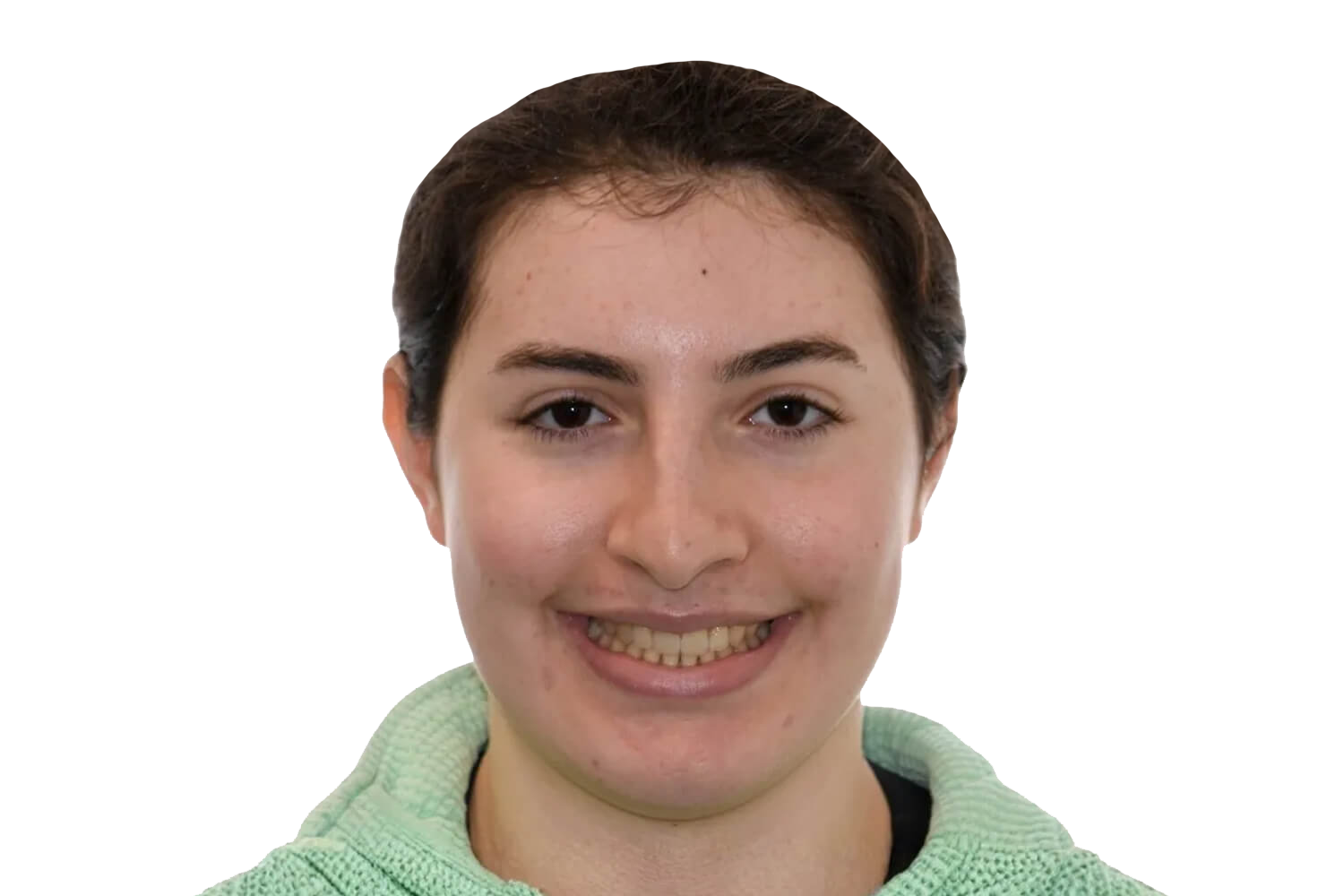
Alveolar Bone Cleft often involves complex surgical, developmental, and functional concerns that require coordinated, specialized management. Outcomes depend heavily on a surgeon's training, clinical judgment, and familiarity with the nuances of this condition. Teams that regularly treat patients with Alveolar Bone Cleft are typically better equipped to manage both immediate surgical needs and long-term outcomes.
In a private practice setting, care is often more streamlined and consistent, with the same surgeon closely involved in evaluation, treatment planning, surgery, and follow-up.
In academic or hospital-based settings, care may involve a larger team that can include residents or fellows participating under supervision. Both models can provide excellent care, but the structure and continuity of treatment may feel different. At our center, your care is delivered directly by your surgeon — not by residents, fellows, or surgeons in training.
It is important to understand who is performing each part of your treatment. In some settings, the attending surgeon performs all critical portions of the procedure, while in others trainees may assist or participate under supervision. This should be discussed clearly in advance. At our center, your surgeon performs all critical portions of the procedure.
Depending on the treatment setting, residents, fellows, or students may be involved in aspects of care. Patients and families should feel comfortable asking about their role and how care is supervised throughout treatment.
At our center, there are no residents or fellows involved in performing surgery.
Long-term follow-up is an important part of care for many conditions managed at our center. In some practices, post-treatment care may be shared among multiple providers, while in others the surgeon remains closely involved throughout recovery and monitoring. At our center, your surgeon personally follows you throughout recovery and long-term care.
Comprehensive care includes direct surgical involvement in evaluation, treatment planning, surgery, and long-term follow-up. Consistency throughout the process helps maintain continuity of care.
At our center, your surgeon is directly involved at every stage — from initial evaluation through treatment and follow-up.
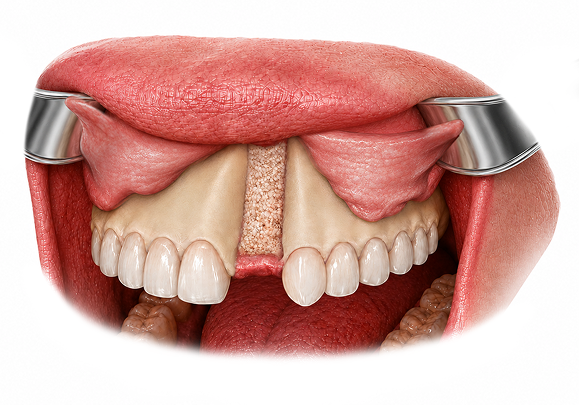
An alveolar bone cleft is a gap in the bony ridge of the upper gum line, or alveolus, that occurs in many children born with a cleft lip and palate. The cleft interrupts the continuity of the dental arch and may affect tooth eruption, nasal support, and the stability of the surrounding bone.
Not always. An alveolar bone cleft is present in most children with cleft lip, with or without cleft palate, when the cleft extends through the gum line. It is less commonly associated with isolated cleft palate.
Without treatment, an alveolar bone cleft can cause gaps in the dental arch, poor eruption of permanent teeth near the cleft, nasal instability, and persistent communication between the mouth and nose. It can also affect the long-term health of adjacent teeth and the stability of orthodontic treatment.
Evaluation typically involves clinical examination and dental imaging, including X-rays or cone beam CT scans to assess the size and shape of the cleft and the status of nearby teeth. Orthodontic evaluation is an important part of surgical planning.
A persistent opening in the alveolar area can contribute to nasal air escape during speech in some patients. Bone grafting to close the defect often helps resolve this concern.
Alveolar bone grafting is a procedure that fills the bony gap in the gum ridge using bone, typically harvested from the patient's own hip. The graft provides bone support for erupting permanent teeth, closes the oral-nasal communication, and restores the continuity of the dental arch.
Bone grafting is most commonly performed during a specific window of mixed dentition, typically between ages seven and ten, timed to coincide with the eruption of the permanent canine tooth near the cleft. Orthodontic preparation is required in advance.
Yes. Orthodontic expansion of the upper dental arch is typically performed before bone grafting to align the bone segments and create adequate space for the graft. Coordination between the orthodontist and surgeon is essential to achieving a good result.
Recovery involves a period of soft food restrictions and limited physical activity. Most children recover comfortably within one to two weeks, though follow-up imaging is performed after several months to confirm graft integration.
In some cases, a graft may not fully integrate, or additional grafting may be needed in adulthood if residual bony defects remain. Secondary bone grafting in adult patients is performed when clinically indicated.
Follow-up imaging is performed to confirm graft success and monitor tooth eruption through the grafted site. Continued orthodontic treatment typically follows surgery, and the grafted area is monitored as permanent teeth erupt and the jaw grows.
Some patients with alveolar bone clefts, particularly those with broader cleft lip and palate, may need jaw surgery in adolescence or adulthood to address bite relationships and facial balance that are not fully correctable with orthodontics alone.
Yes. We regularly care for families traveling from outside the region for alveolar bone grafting and related cleft care.
Alveolar bone grafting is well-tolerated by most children, and most are discharged from the hospital the same day or after one night. Out-of-town families typically stay locally for approximately three to five days primarily to attend their first post-operative visit, at which the surgeon examines the graft site, confirms healing is on track, and clears the family for travel home. Most children are eating soft foods and moving around comfortably well before that visit. The specific timeline may vary based on the child's age, the size of the graft, and recovery progress, and your surgeon will confirm the post-op appointment schedule in advance.
Yes, though both are approved relatively soon after this procedure. Once the post-operative visit has taken place and healing looks good, most families are cleared for ground travel shortly thereafter. Air travel is generally appropriate within approximately five to seven days of surgery when recovery is proceeding well.
Evaluation at our center includes clinical examination, imaging review, assessment of dental development, and coordination with the patient's orthodontist to confirm readiness for surgery. Families receive clear guidance on pre-surgical preparation, the procedure itself, recovery expectations, and follow-up imaging to confirm graft success.
Yes. Follow-up imaging several months after surgery is required to confirm graft integration and monitor tooth eruption. Some follow-up may be conducted via telemedicine while imaging and in-person assessment visits will require a return to the center. Your surgeon will outline the follow-up plan before you travel home.