



Pierre Robin Sequence
Early care supports stable breathing, feeding, and healthy development
What Is Pierre Robin Sequence?
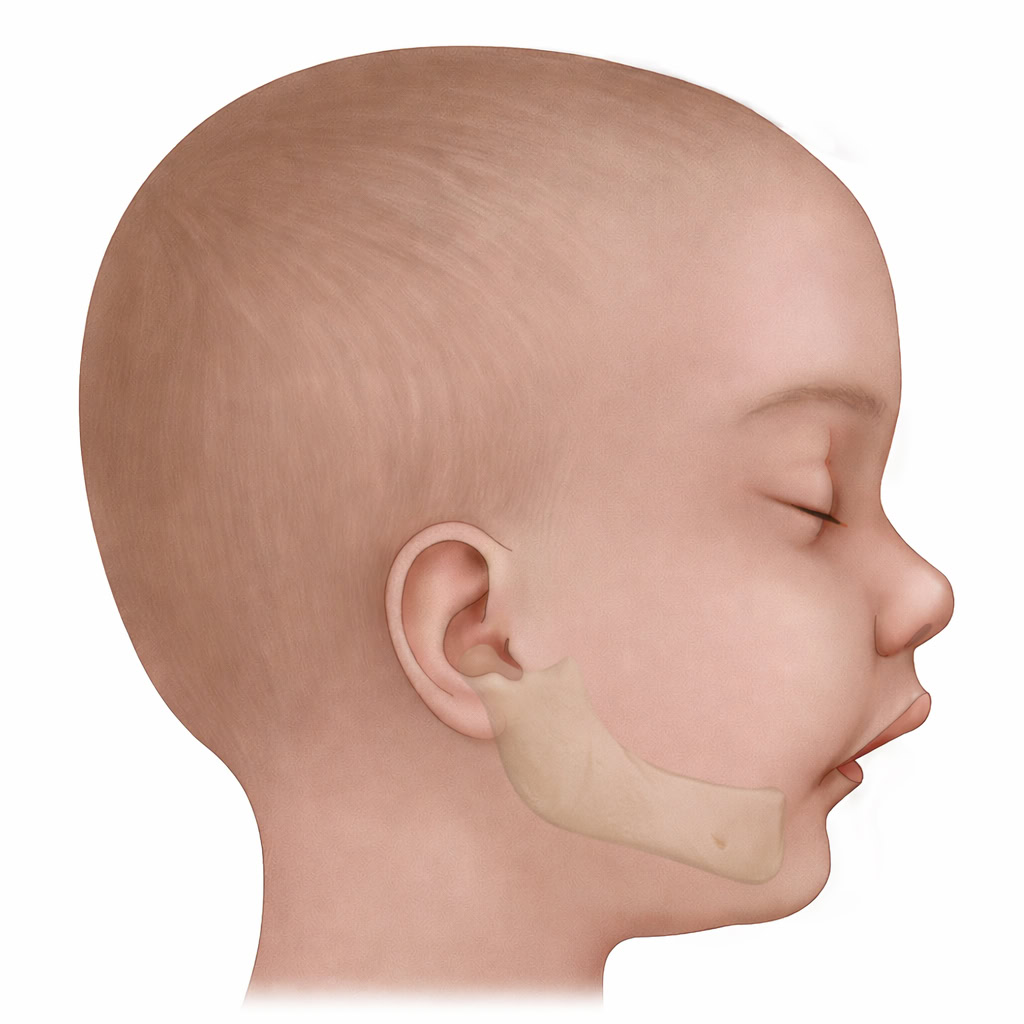
Treatment & Care Pathway

Airway & Feeding
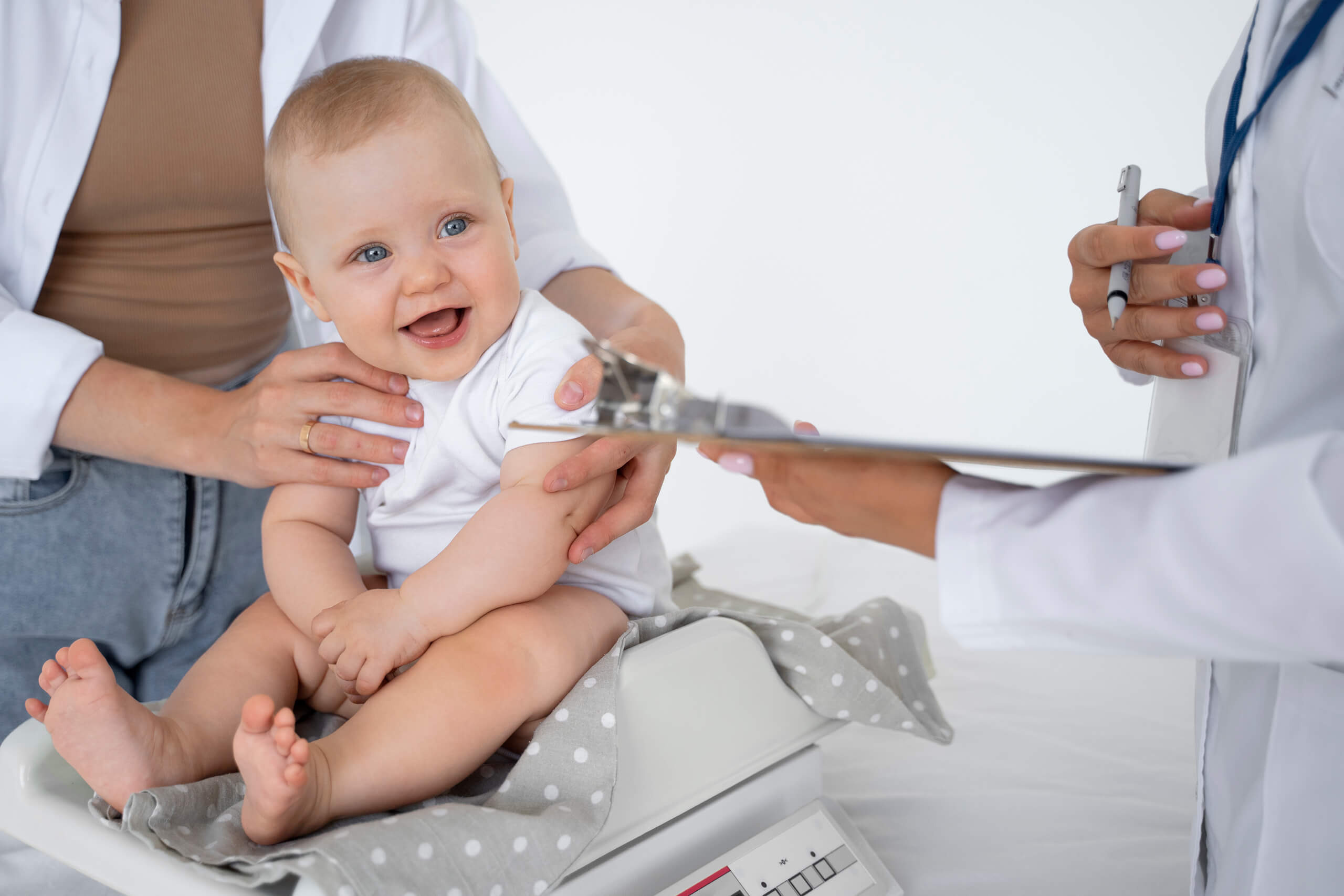
Evaluation focuses on breathing and feeding challenges commonly seen in Pierre Robin Sequence, helping determine the safest and most effective early treatment plan.

Mandibular Distraction Evaluation
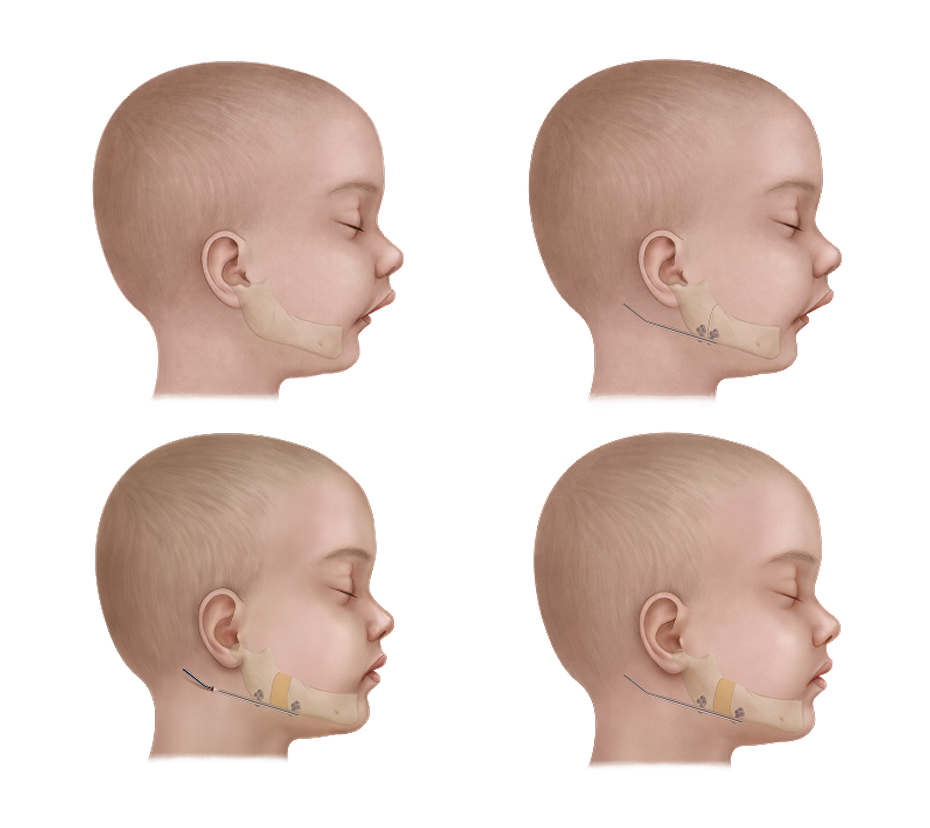
When significant airway obstruction or feeding difficulties are present, mandibular distraction may be considered during infancy, sometimes within the first several weeks or months of life depending on severity.
Cleft Palate Surgical Correction
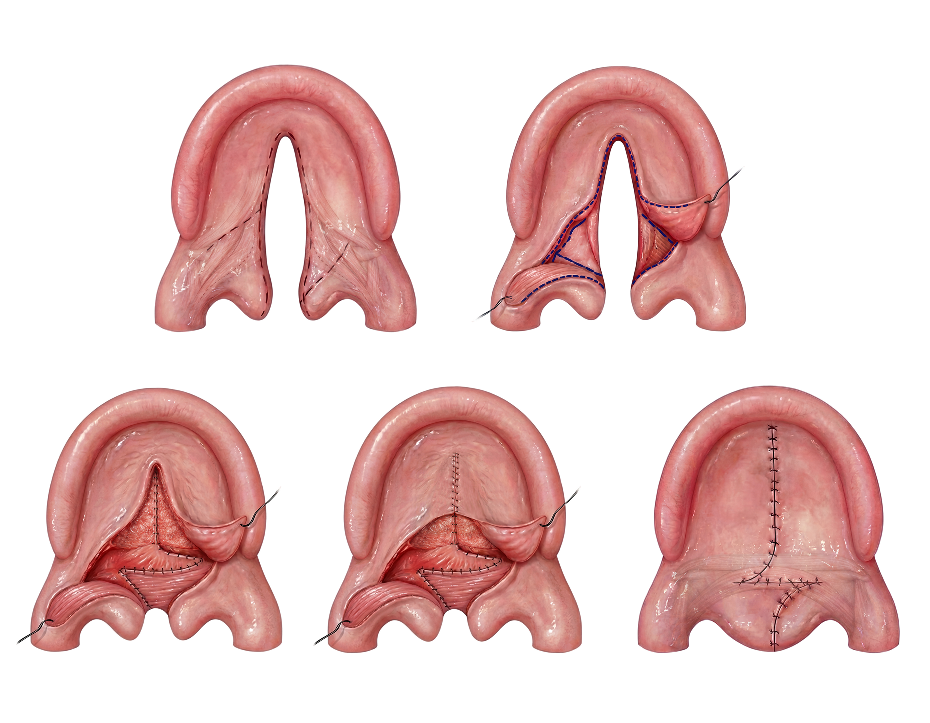
Cleft palate repair is commonly performed around 12 months of age to support speech development, feeding, and normal palate function.

Craniofacial Growth Monitoring
Ongoing monitoring tracks jaw growth, airway development, bite changes, and facial balance throughout childhood and adolescence.
Surgical Treatment Options
Treatment Timeline
Before & After Gallery
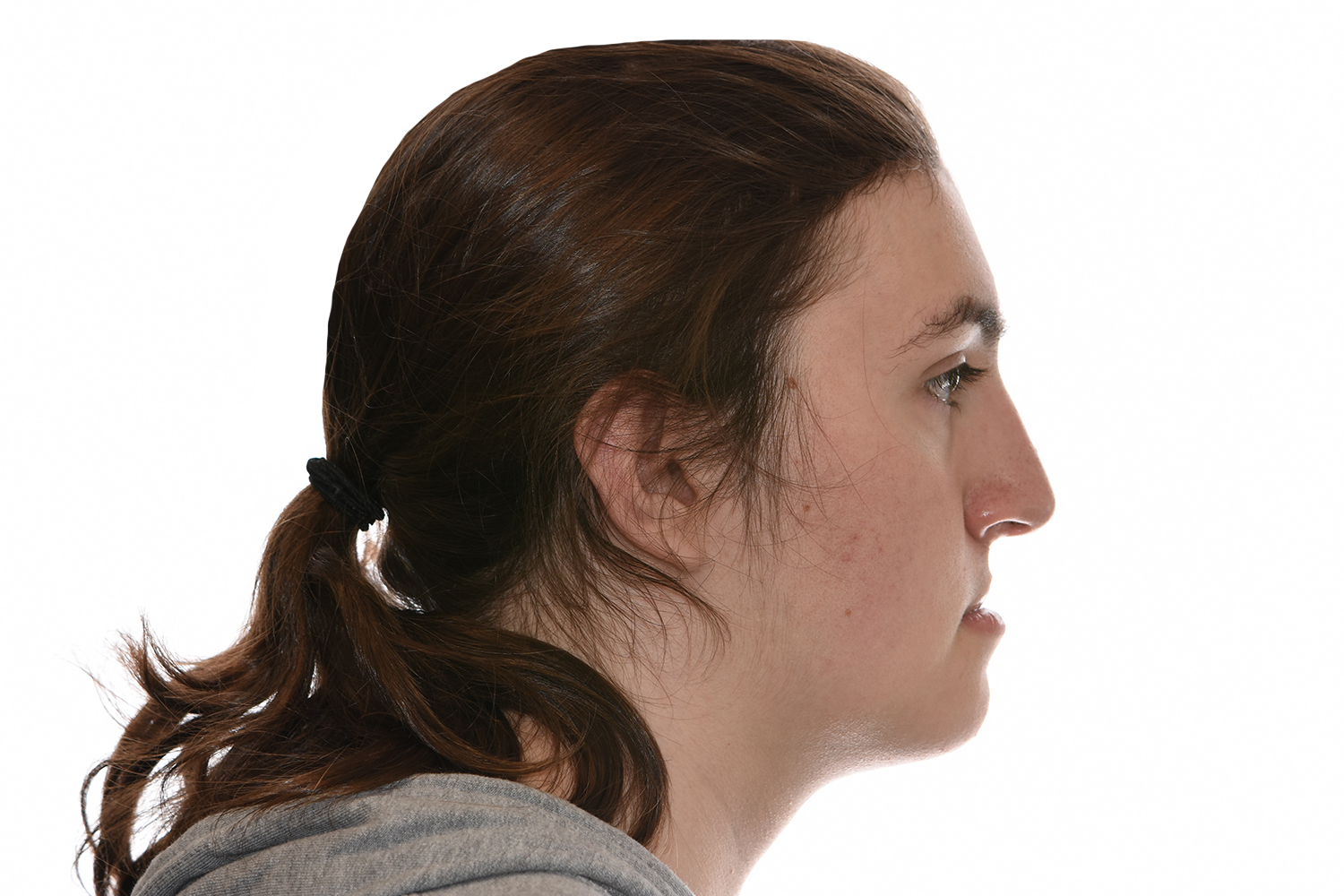
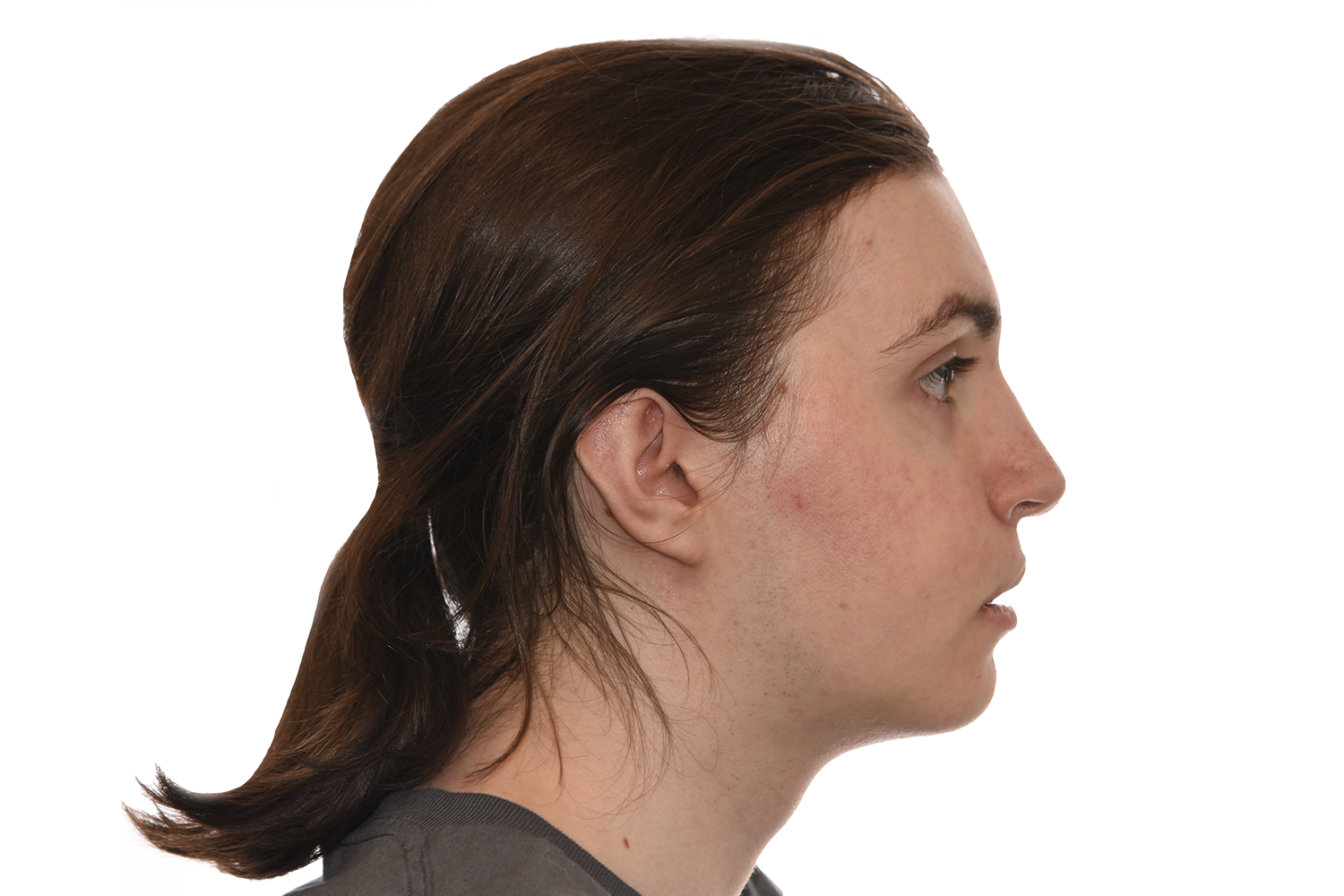

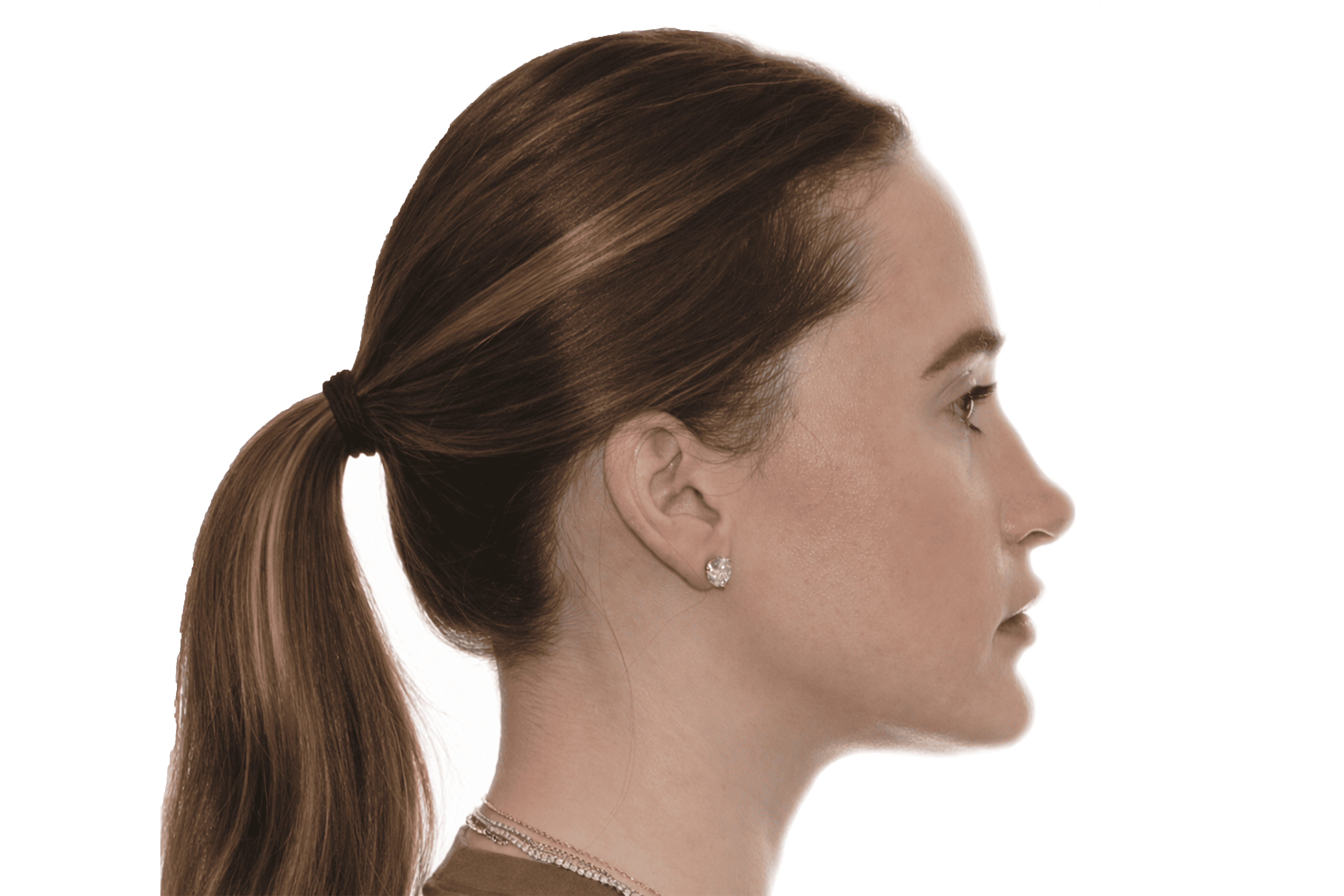
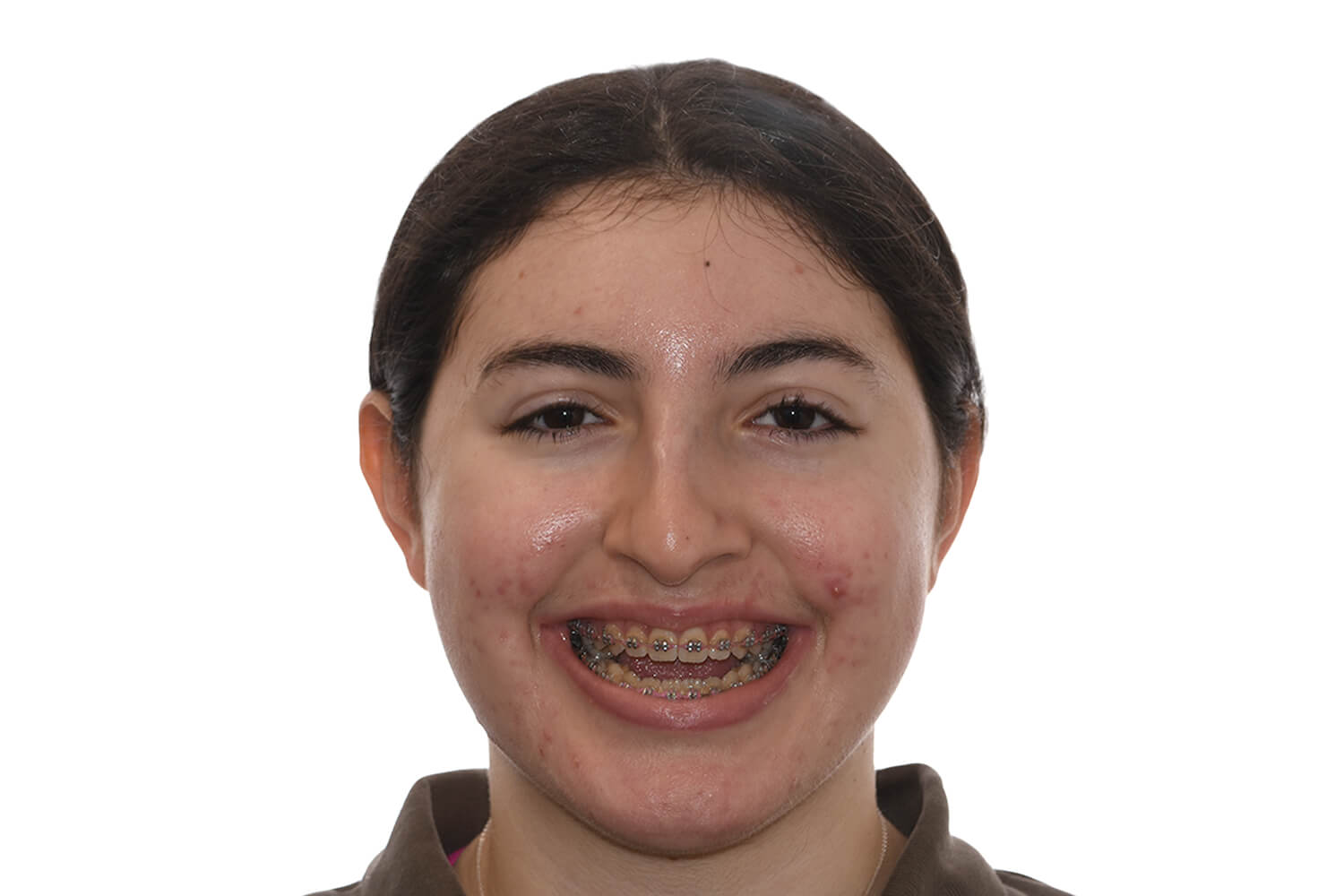
Experience Matters
“We personally plan your care, perform your surgery, and guide your recovery. No residents, no fellows, no handoffs.”
Choosing the right surgical team matters. You should feel informed, comfortable, and confident in every step of the process. At our practice, your care is provided by one of the most highly trained and experienced jaw surgery teams in the country.
When you come to our office, you meet directly with your surgeons. We are the ones who plan your treatment, perform your surgery, see you after surgery, and remain personally available to you throughout your recovery. Unlike larger institutions, your care is not delegated to residents, fellows, or doctors in training. Every critical aspect of your treatment is handled by your surgeons.




Founding Members of the American Society of Orthognathic Surgery

What Our Patients Are Saying





Pierre Robin Sequence often involves complex surgical, developmental, and functional concerns that require coordinated, specialized management. Outcomes depend heavily on a surgeon's training, clinical judgment, and familiarity with the nuances of this condition. Teams that regularly treat patients with Pierre Robin Sequence are typically better equipped to manage both immediate surgical needs and long-term outcomes.
In a private practice setting, care is often more streamlined and consistent, with the same surgeon closely involved in evaluation, treatment planning, surgery, and follow-up.
In academic or hospital-based settings, care may involve a larger team that can include residents or fellows participating under supervision. Both models can provide excellent care, but the structure and continuity of treatment may feel different. At our center, your care is delivered directly by your surgeon — not by residents, fellows, or surgeons in training.
It is important to understand who is performing each part of your treatment. In some settings, the attending surgeon performs all critical portions of the procedure, while in others trainees may assist or participate under supervision. This should be discussed clearly in advance. At our center, your surgeon performs all critical portions of the procedure.
Depending on the treatment setting, residents, fellows, or students may be involved in aspects of care. Patients and families should feel comfortable asking about their role and how care is supervised throughout treatment.
At our center, there are no residents or fellows involved in performing surgery.
Long-term follow-up is an important part of care for many conditions managed at our center. In some practices, post-treatment care may be shared among multiple providers, while in others the surgeon remains closely involved throughout recovery and monitoring. At our center, your surgeon personally follows you throughout recovery and long-term care.
Comprehensive care includes direct surgical involvement in evaluation, treatment planning, surgery, and long-term follow-up. Consistency throughout the process helps maintain continuity of care.
Pierre Robin Sequence is a congenital condition that typically begins with a small lower jaw, which causes the tongue to fall backward and partially block the airway. Many children also have a cleft palate. The severity varies considerably from one child to another, and early recognition and appropriate management make a meaningful difference in outcomes.
Pierre Robin Sequence is a condition present at birth characterized by a small lower jaw, backward positioning of the tongue, airway obstruction, and often a cleft palate. In many children, the exact cause is unknown, and in most cases it was not caused by anything either parent did during pregnancy.
It can be, particularly when significant airway obstruction or feeding difficulties are present. Some infants experience mild symptoms that improve with positioning, while others may require close monitoring or surgical intervention. Early evaluation by an experienced team is important to determine the level of concern and the appropriate management plan.
Many infants with Pierre Robin Sequence experience some degree of airway obstruction because the tongue sits farther back toward the throat. Symptoms can range from noisy breathing and sleep disturbance to more significant airway compromise depending on severity.
Feeding challenges are common, especially in infancy. Difficulty coordinating breathing and feeding, prolonged feeding times, poor weight gain, or reflux may occur. Specialized feeding techniques and support are often recommended and make a real difference.
Many children with Pierre Robin Sequence have a cleft palate, but not all. The cleft occurs because the tongue's position during fetal development can interfere with normal closure of the palate.
Some aspects improve naturally as the jaw grows during infancy and childhood. However, certain children continue to require treatment for airway, feeding, speech, dental, or jaw-related concerns as they grow, and long-term monitoring is important.
In some cases, yes. Pierre Robin Sequence may occur as an isolated condition or as part of a broader syndrome or genetic diagnosis. Your care team may recommend further evaluation depending on your child's presentation.
Evaluation may include physical examination, feeding assessment, sleep studies, airway imaging, or direct airway evaluation. The goal is to determine how significantly breathing and feeding are affected and whether intervention is necessary.
No. Many children improve with positioning, feeding support, and careful monitoring alone. Surgery is considered when airway obstruction, feeding difficulty, poor growth, or oxygen concerns become more significant.
Treatment options may include positioning therapy, specialized feeding techniques, nasal airway support, mandibular distraction, tongue-lip adhesion, or other airway procedures depending on the child's anatomy and severity.
Mandibular distraction is a procedure that gradually lengthens the lower jaw to help move the tongue forward and improve the airway. In appropriately selected patients, it can significantly improve breathing and feeding.
Many children with Pierre Robin Sequence do not require a tracheostomy. Treatment decisions depend on the severity of airway obstruction and the child's overall condition. Modern airway management strategies often help avoid long-term tracheostomy placement.
Yes. Even after early airway and feeding concerns improve, children with Pierre Robin Sequence often benefit from ongoing monitoring of facial growth, speech development, dental eruption, bite alignment, and airway function throughout childhood.
Children with cleft palate or persistent airway concerns may be at higher risk for speech-related challenges. Speech development is monitored closely, and speech therapy or additional treatment may be recommended if needed.
Many children experience improvement in jaw growth over time, and growth patterns vary considerably. Some children develop good long-term balance naturally, while others may continue to have jaw differences that require monitoring or future treatment.
Some children may require future procedures related to cleft palate repair, jaw growth, speech, orthodontics, or airway management depending on how they grow and develop.
Yes. With appropriate care and monitoring, most children go on to live healthy, active lives. Early management of airway, feeding, speech, and growth concerns plays an important role in long-term outcomes.
Yes. We regularly care for families traveling from outside the region for specialized craniofacial, airway, and jaw-related care.
The local stay depends on what procedure or intervention is performed. For airway procedures and mandibular distraction in infancy, families should plan to remain locally for approximately two to three weeks. This involves genuine ongoing clinical monitoring of breathing, feeding, and early healing — not simply waiting for a single post-operative visit. For jaw surgery or palate-related procedures in older children, patients are typically discharged within one to two days and recovering well. Out-of-town families should plan to remain locally for approximately one week primarily to attend their first post-operative visit, where the surgeon confirms healing and clears travel home. Air travel is generally appropriate within approximately seven to ten days after for palate and jaw procedures. All timelines depend on the procedure, recovery progress, and the child's overall condition, and your surgeon will give you a specific plan in advance.
Yes. Ground travel is generally permitted sooner than air travel. For most procedures, patients who are recovering well can typically manage a comfortable drive several days before being cleared for a flight. Your surgeon will advise on both clearances at or before the post-operative visit.
Yes. After returning home, continued follow-up is an important part of care — particularly for monitoring airway function, speech development, and facial growth over time. Some visits may be conducted via telemedicine, while in-person assessments will be needed at key intervals. Your surgeon will outline the follow-up plan before you travel home.
Evaluation at our center includes detailed airway assessment, feeding evaluation, craniofacial examination, growth analysis, and discussion of both immediate and long-term treatment considerations. Families receive individualized guidance on monitoring, non-surgical management, surgical options when necessary, and long-term developmental care.