



Cleft Palate Repair
Restoring Palatal Function for Speech, Feeding, and Development
What Is a Cleft Palate Repair?
What Patients Find Most Helpful to Know About Cleft Palate Repair

Speech Is a Primary Goal
Repair supports normal speech development and helps prevent compensatory speech patterns.

Timing Is Carefully Planned
Surgery is performed around one year of age, just before speech begins.

Well Tolerated
Most children tolerate surgery well with a smooth early recovery.

Cup Feeding
The child should be using a sippy cup or open cup before surgery.
When Is a Cleft Palate Repair Performed?


Improved speech and communication development

Better ability to eat and swallow properly

Reduced risk of chronic ear infections


Support for normal dental and facial growth

Restored separation between nasal and oral cavities

Enhanced quality of life and long-term oral health

Cleft Palate Repair Procedure
Veau Classification System
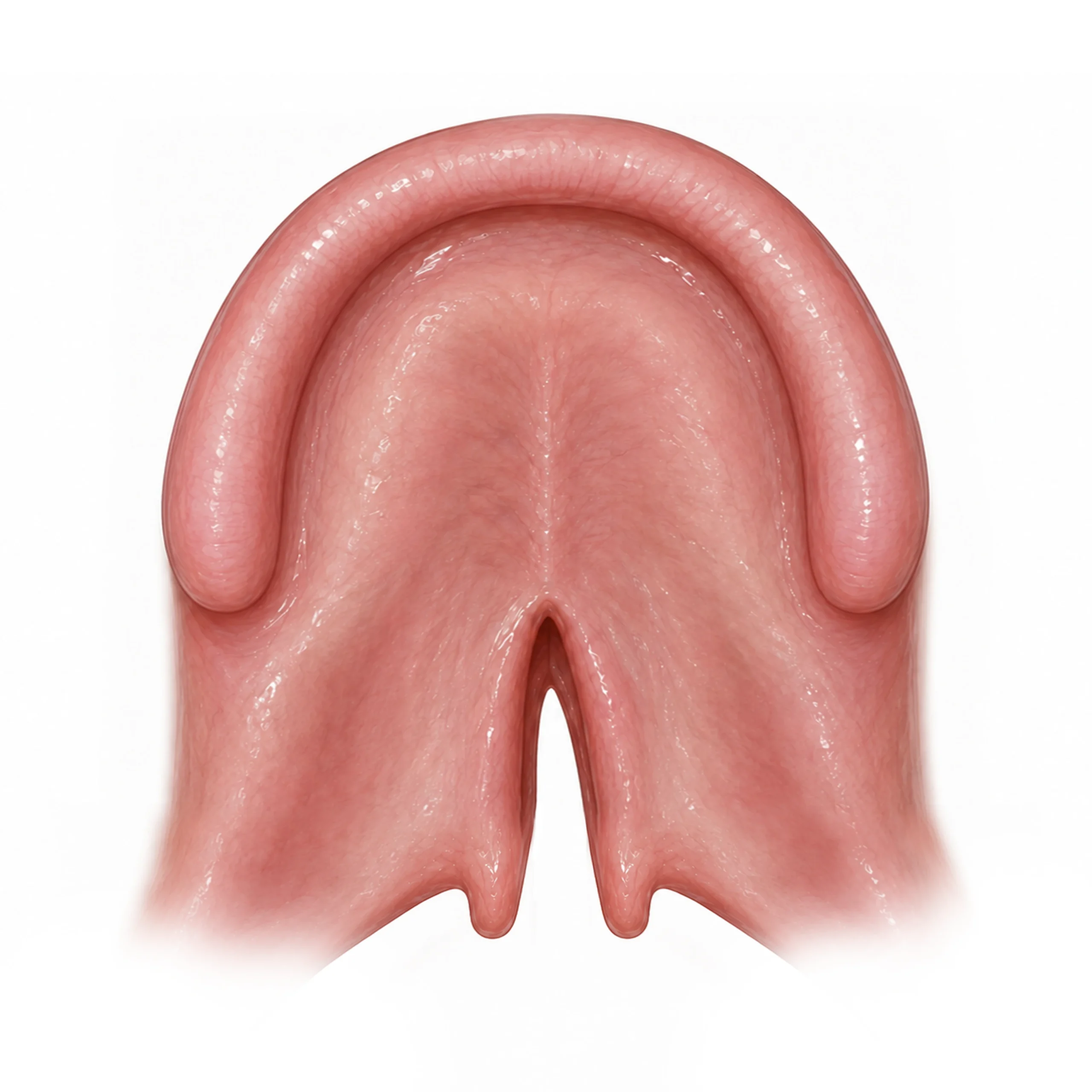
Type 1
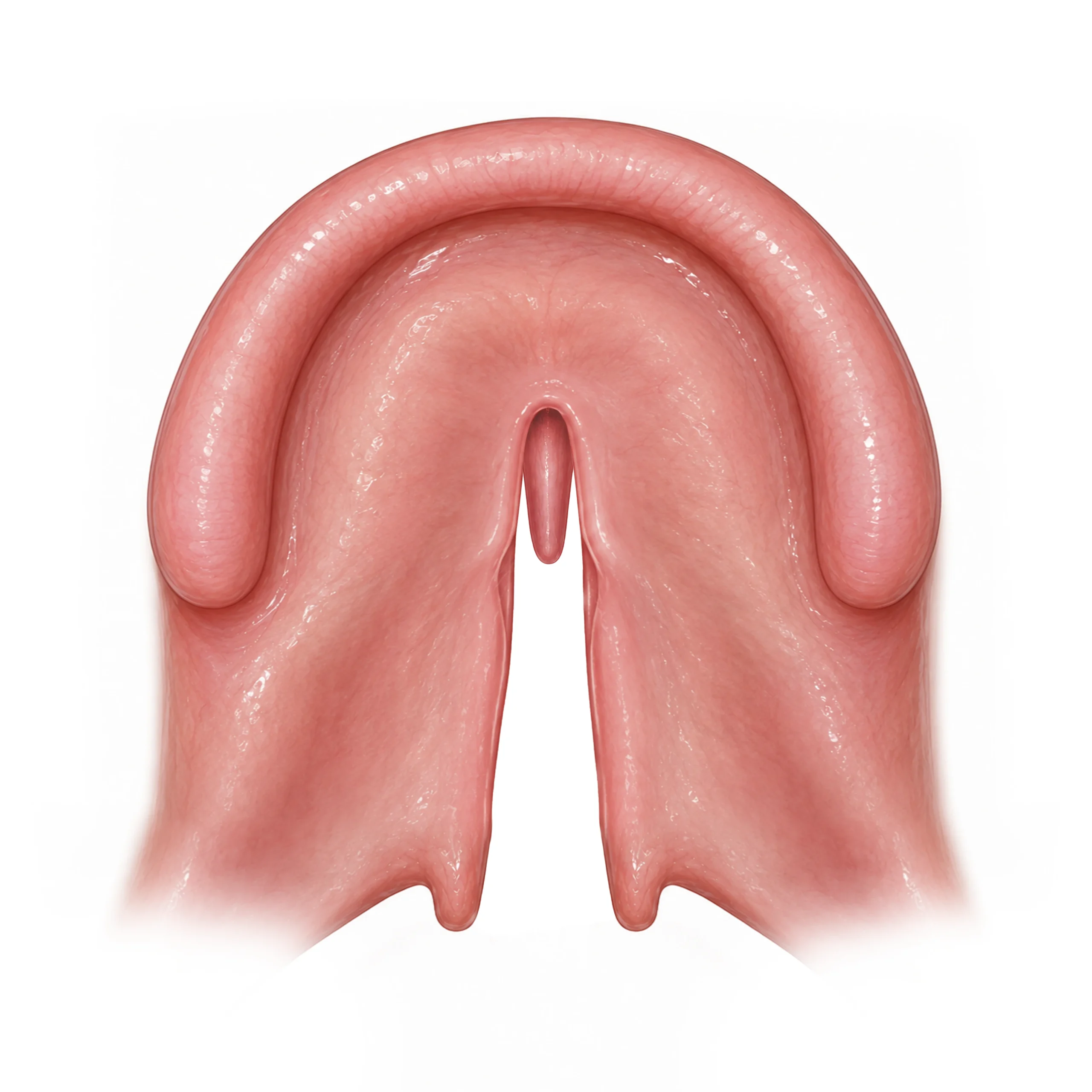
Type 2
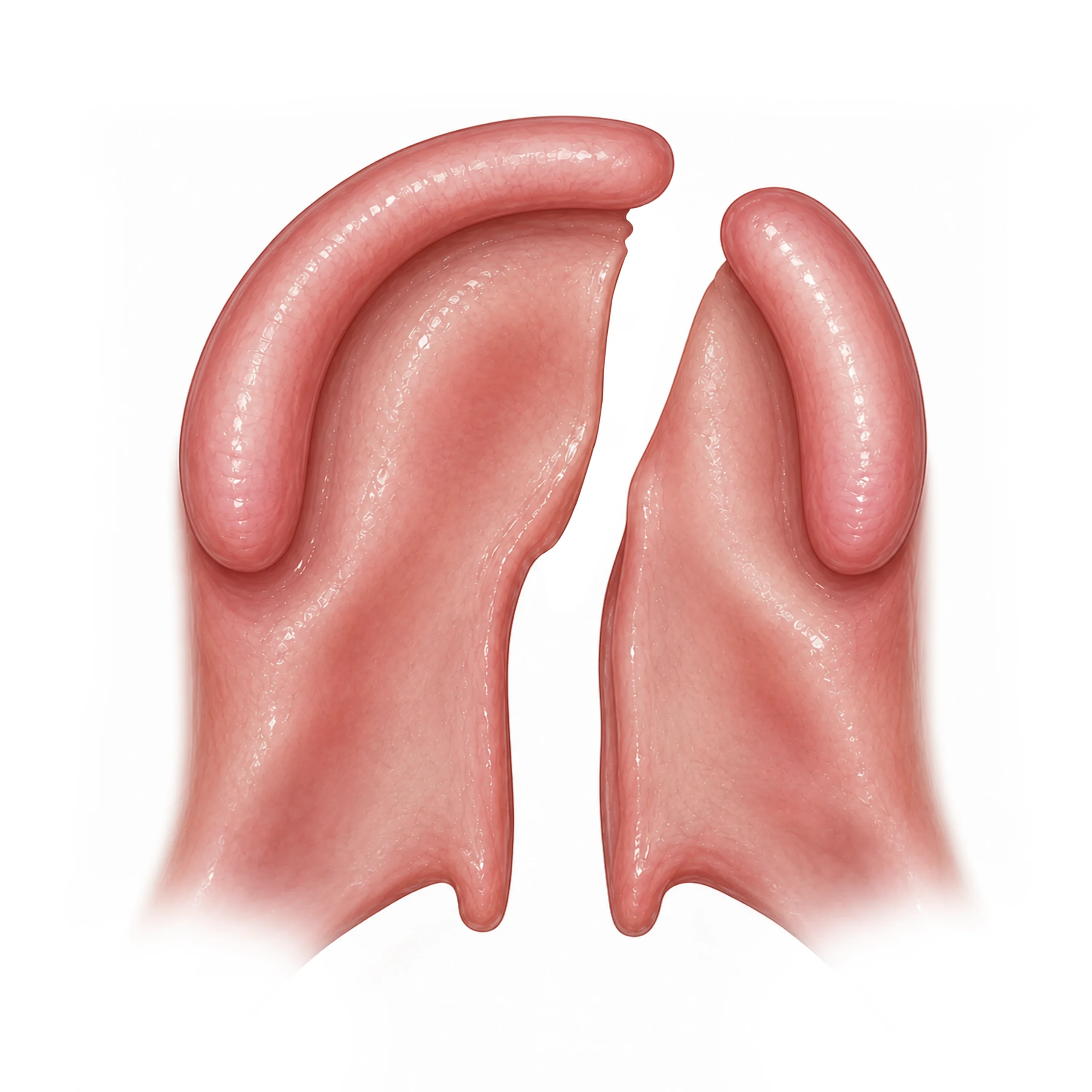
Type 3
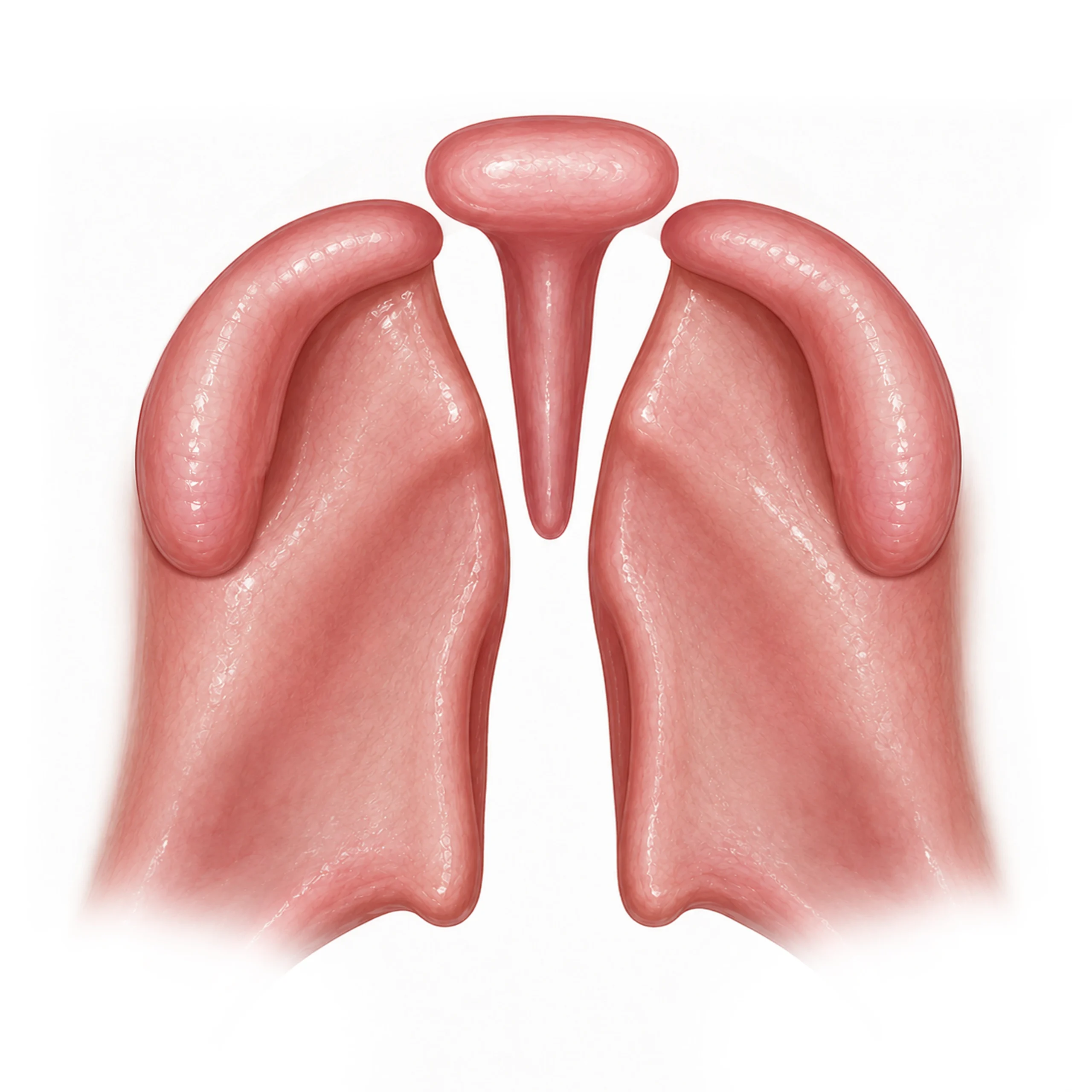
Type 4
The Veau classification system is a widely used method for describing the type and extent of a cleft palate. It helps surgeons and care teams categorize whether the cleft involves only the soft palate, extends into the hard palate, or includes a complete cleft affecting both sides of the palate. This system is commonly used during evaluation and treatment planning to clearly define the anatomy of the cleft and guide surgical recommendations.
By classifying the cleft based on its location and severity, the Veau system helps the care team plan the timing and type of repair most appropriate for the child’s needs. It also provides a consistent way to communicate findings, monitor development over time, and coordinate care related to speech, feeding, hearing, and long-term palate function.
Cleft Palate Repair Procedure
Furlow Palatoplasty
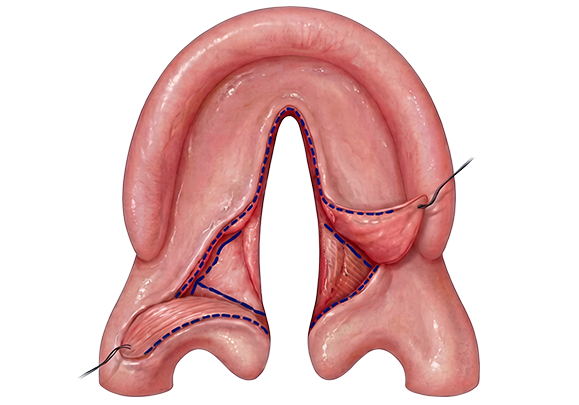
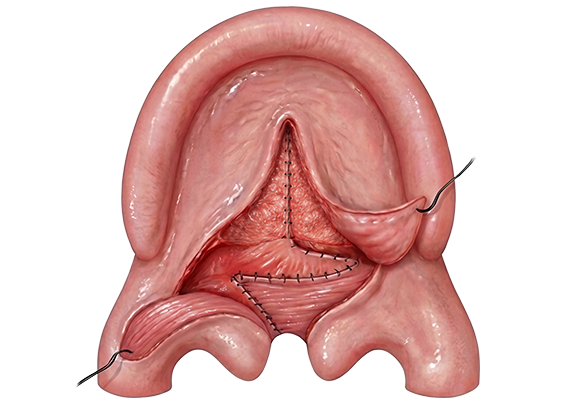
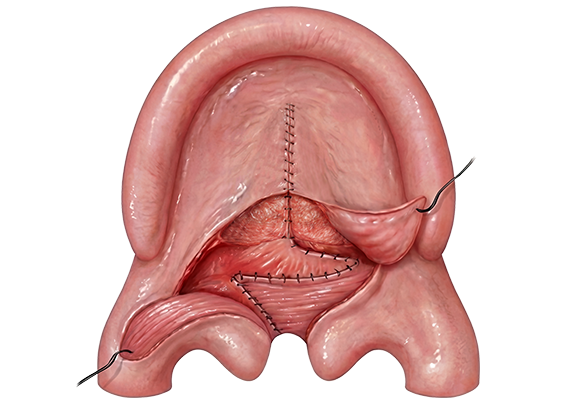
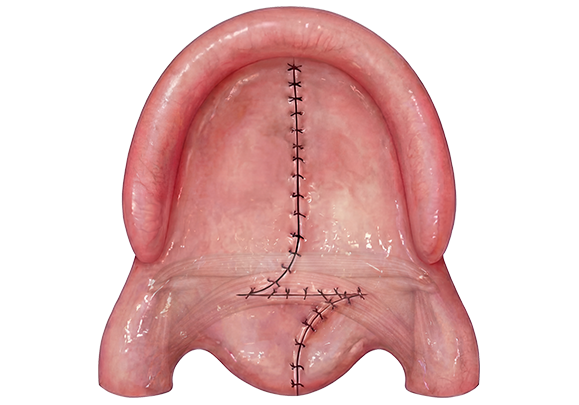
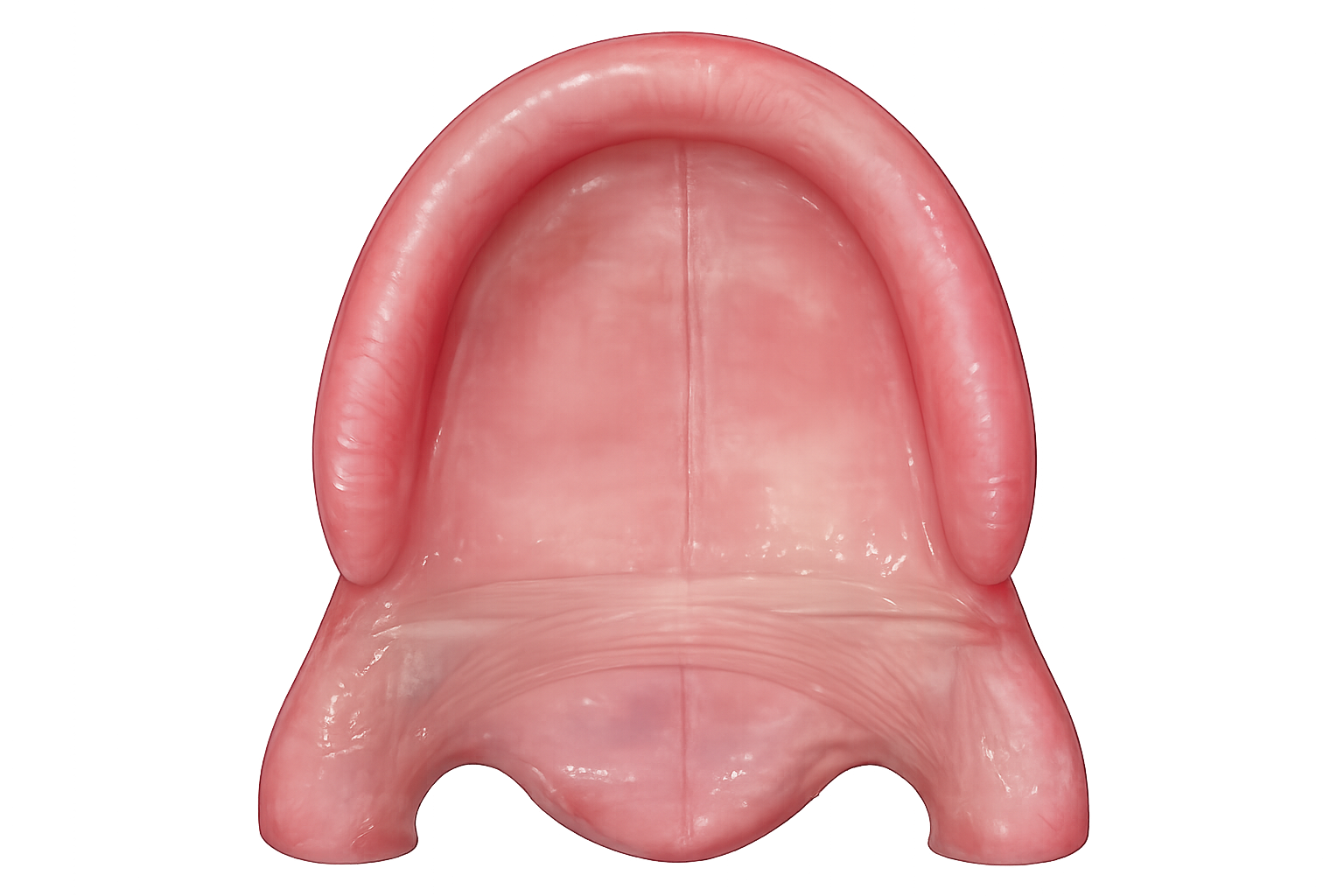
Furlow double opposing Z-plasty cleft palate repair is a specialized technique used to close a cleft palate while reconstructing the soft palate muscles involved in speech and swallowing. It is commonly used in patients with clefts involving the soft palate, particularly when restoring palate length and muscle function is an important part of treatment planning.
During the procedure, carefully designed tissue flaps are repositioned in a mirrored “Z” pattern to close the cleft and restore the natural alignment of the soft palate muscles. The repair is tailored to the child’s anatomy and designed to support speech development, feeding, swallowing, and long-term palate function as the child grows.
Bardach Two Flap Palatoplasty
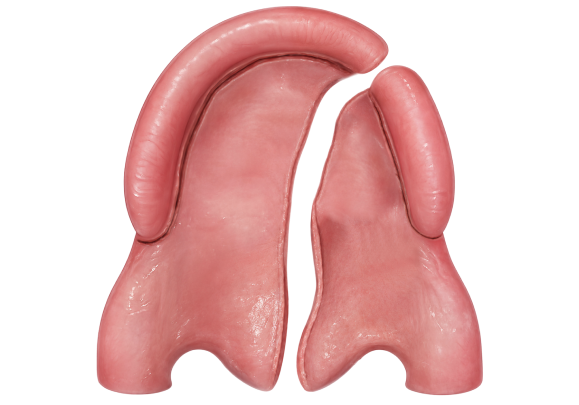
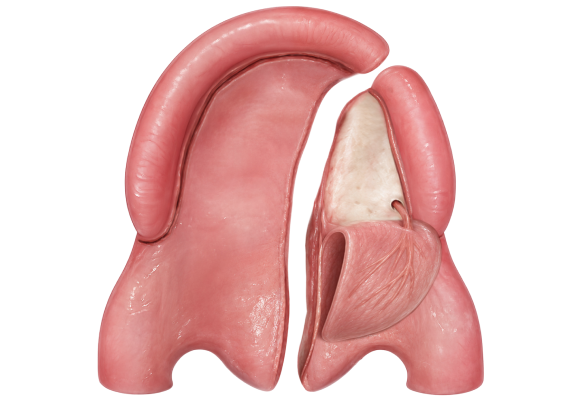
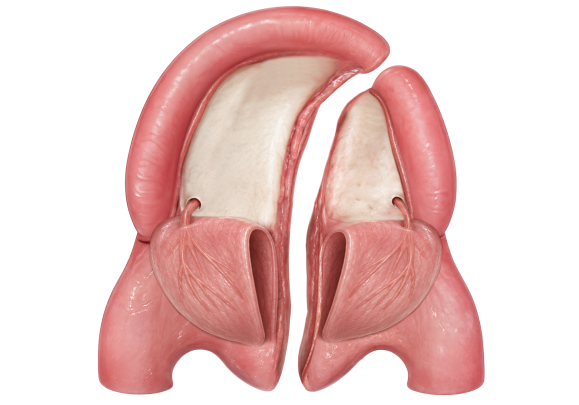
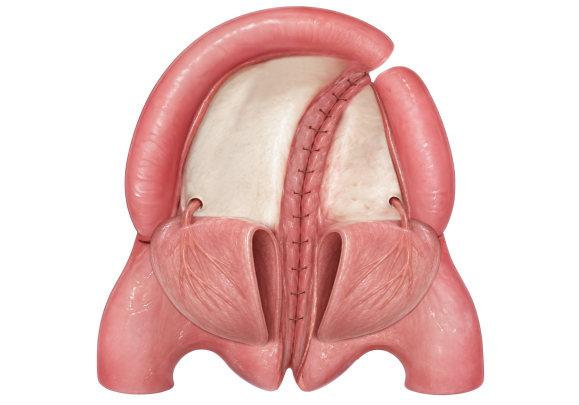
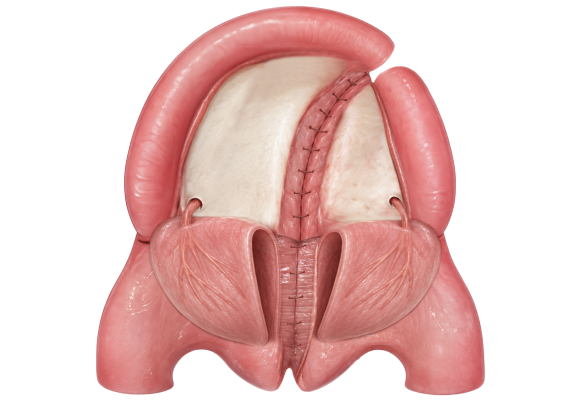
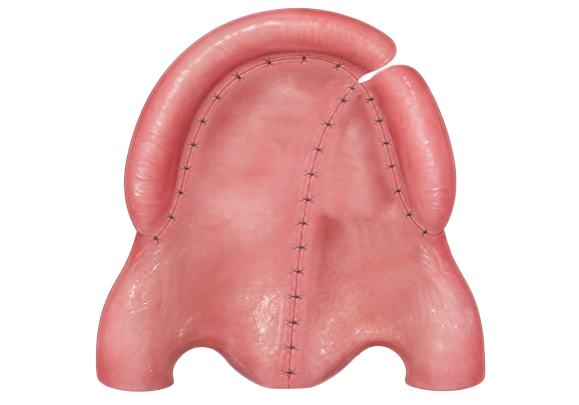
Bardach two-flap palatoplasty is a cleft palate repair technique used to close the opening in the palate while rebuilding the tissues needed for normal separation between the mouth and nose. It is commonly performed in children with a cleft involving the hard and soft palate, particularly when a complete and tension-free closure is needed to support feeding, speech development, and palate function.
During the procedure, tissue flaps are carefully elevated from each side of the cleft and repositioned to close the palate in layers. The repair is designed to restore the continuity of the palate, support normal healing, and create a more functional structure for speech, swallowing, and growth as the child develops.
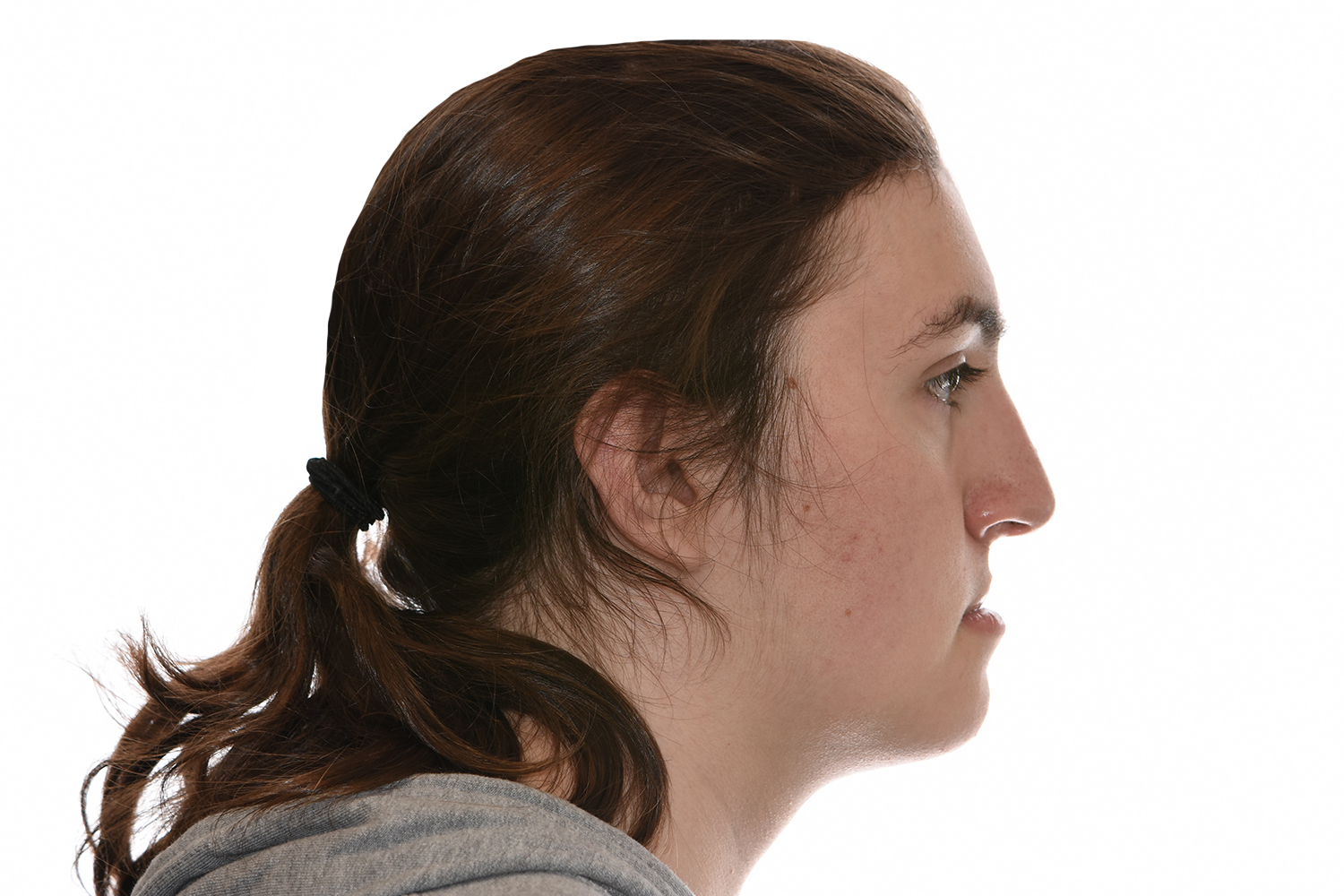
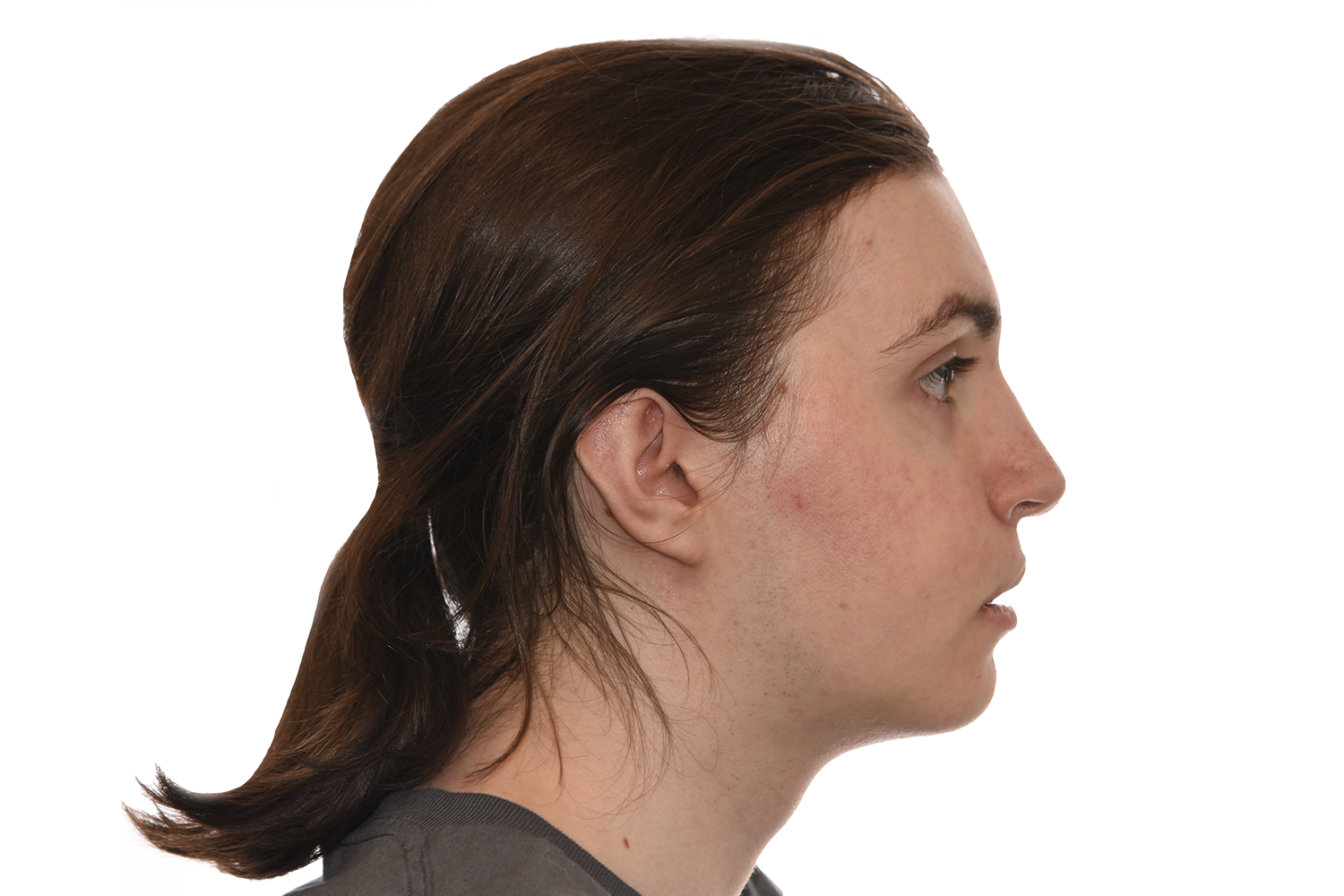
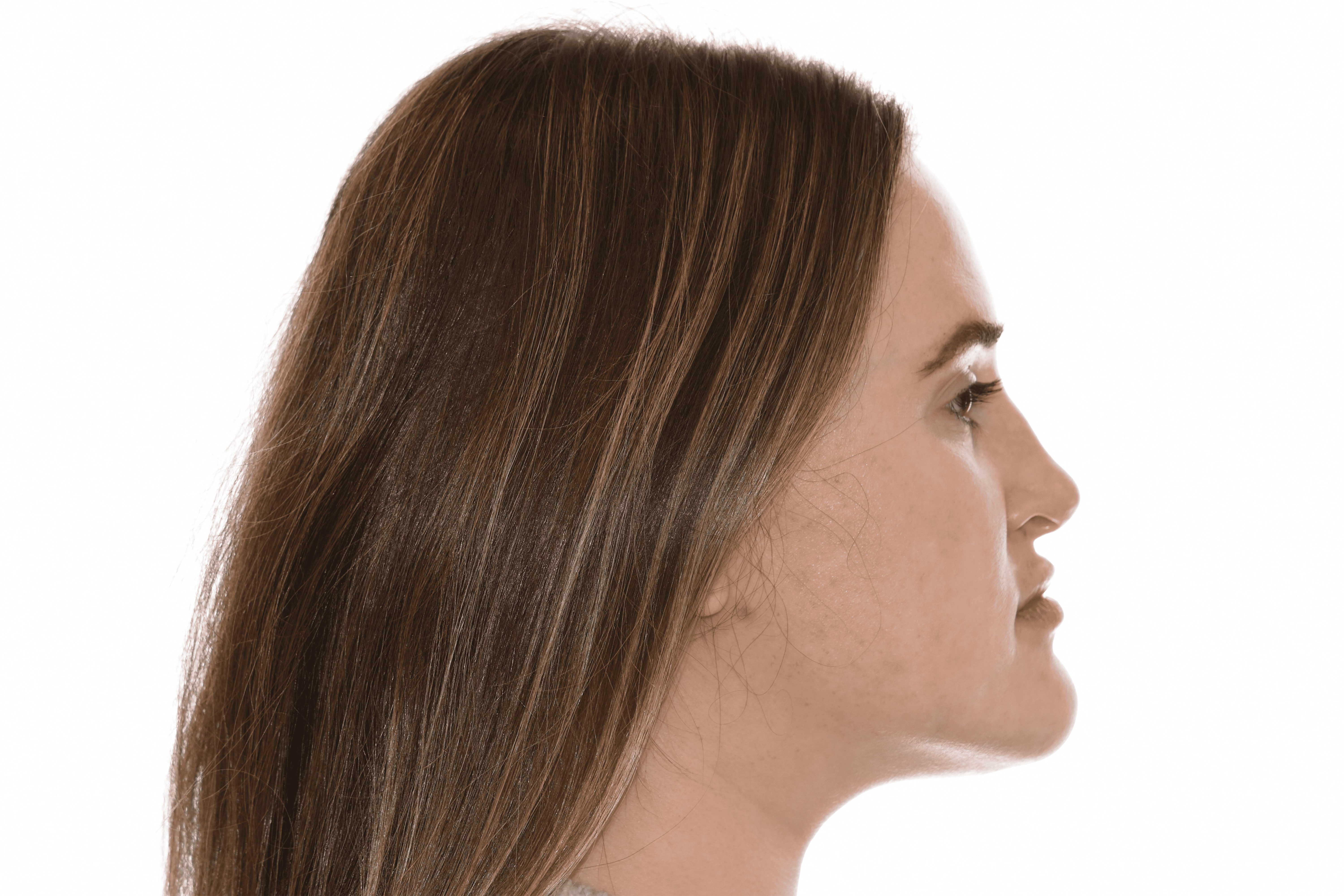
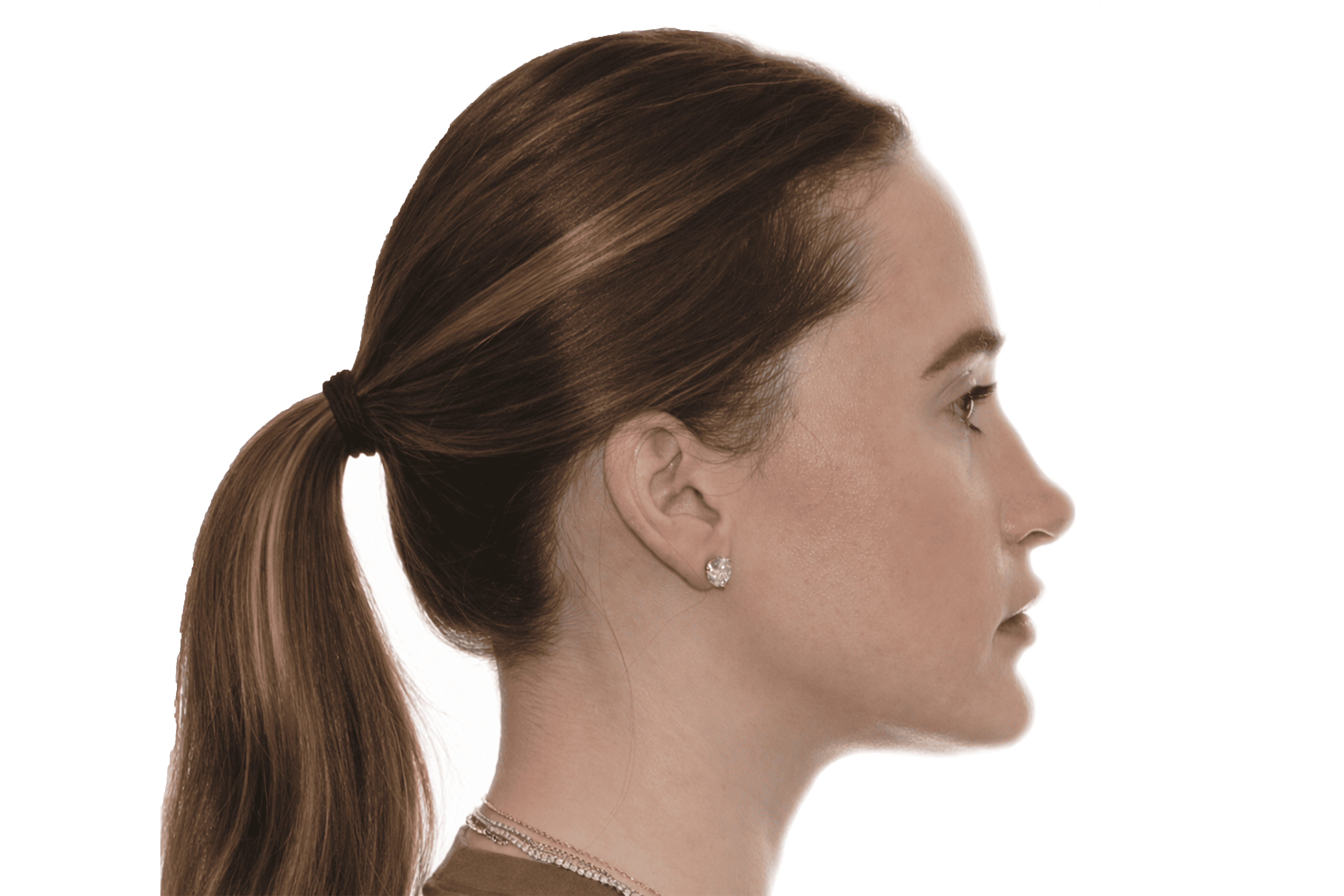
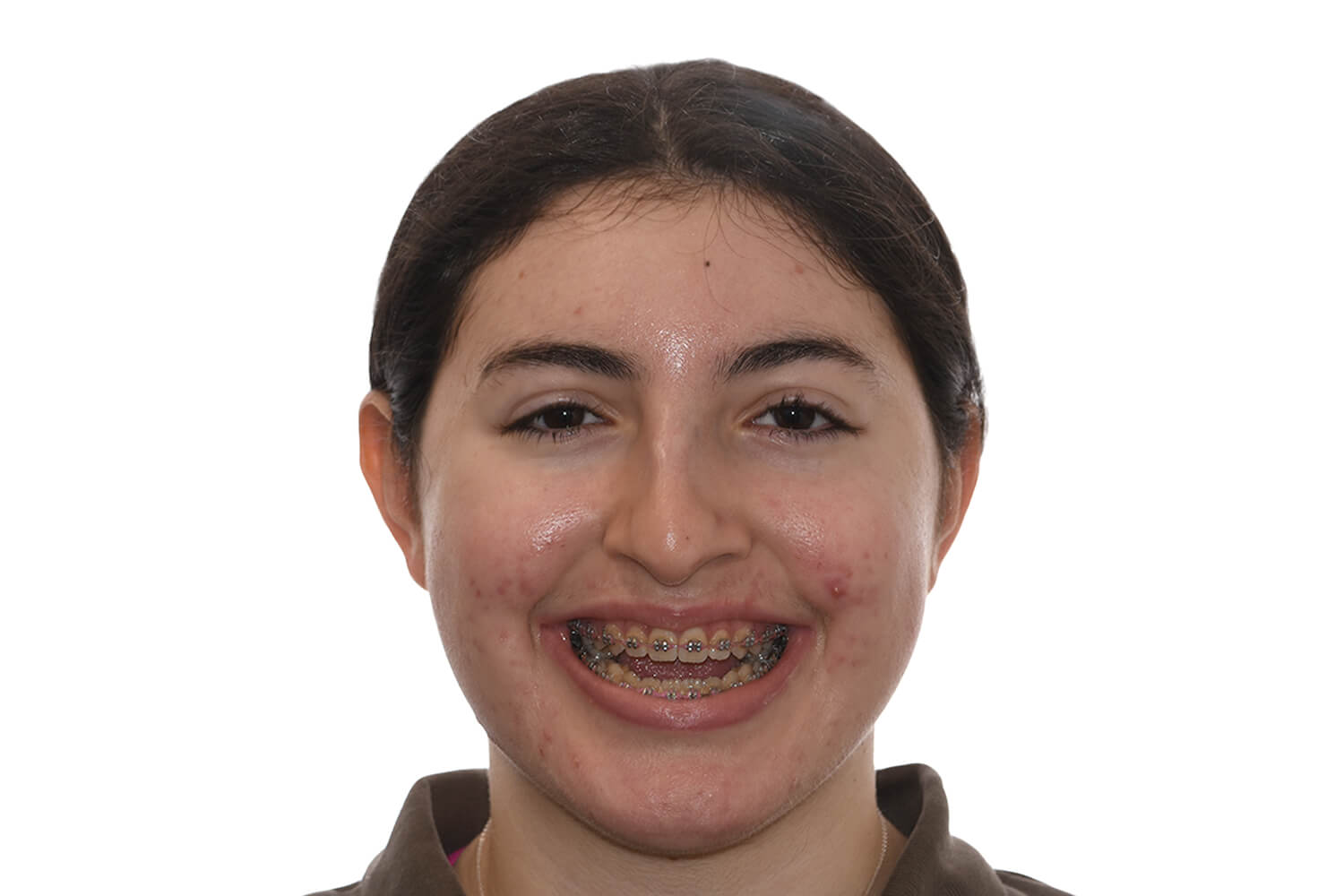
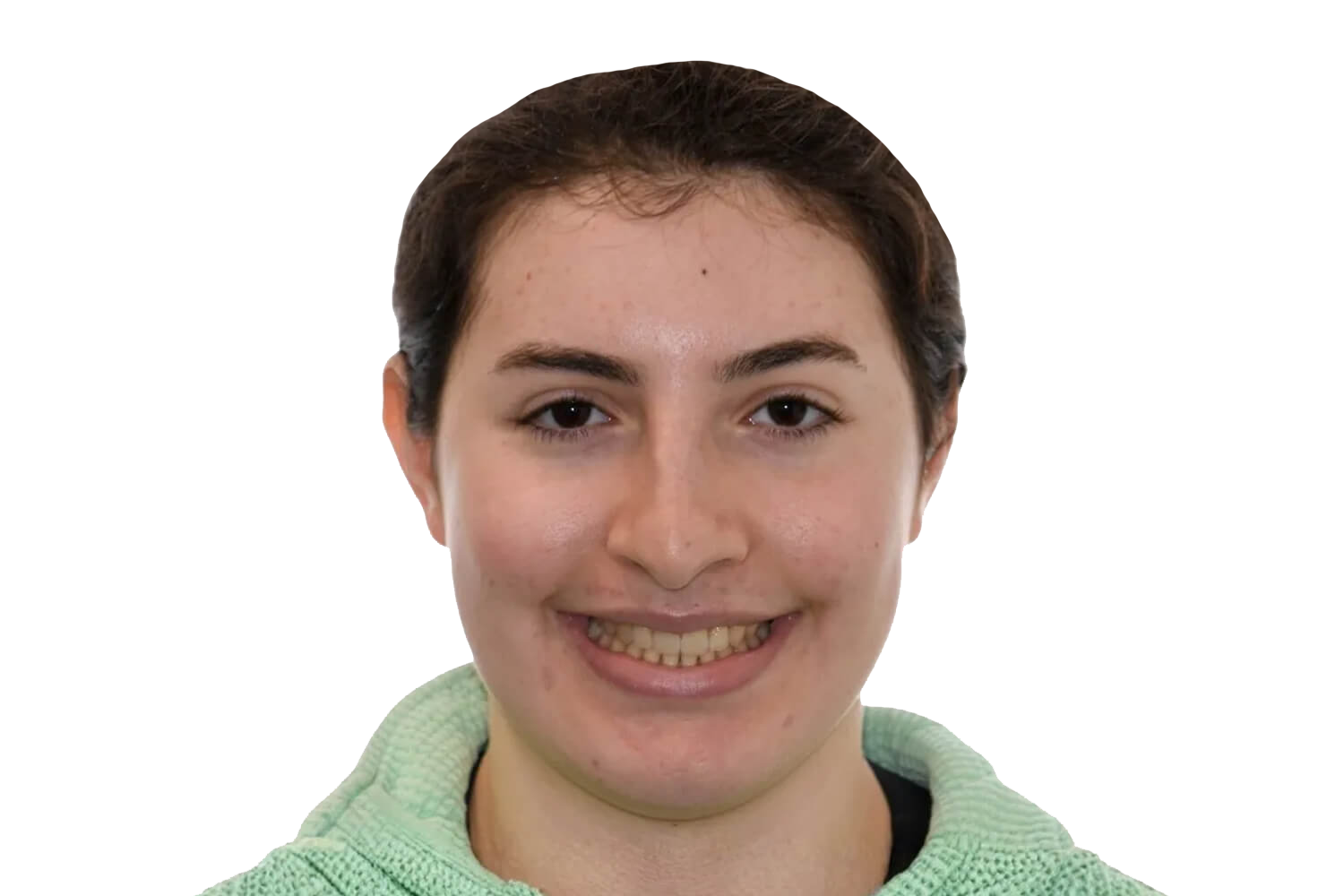
Before & After Gallery
Timeline for Cleft Palate Repair
Recovery
Following cleft palate repair, recovery focuses on protecting the repair, supporting healing, and gradually returning to normal function with close monitoring.
First Week
Early Healing
Week 2–4
Initial Recovery
Months 1–3
Functional Progress
Months 3–12
Long-Term Development
What to Expect After Repair
Most children recover smoothly and begin showing improved oral function.

Risks & Possible Complications

An experienced team and close follow-up care help maximize the likelihood of optimal outcomes.
Cleft Palate Repair requires precise surgical judgment, specialized training, and familiarity with the anatomical and functional nuances of this procedure. Outcomes depend heavily on the surgeon's experience, technique, and ability to anticipate and manage the full range of possible findings. Surgeons who perform this procedure regularly are typically better positioned to achieve consistent, safe results.
In a private practice setting, care is often more streamlined and consistent, with the same surgeon closely involved in evaluation, treatment planning, surgery, and follow-up.
In academic or hospital-based settings, care may involve a larger team that can include residents or fellows participating under supervision. Both models can provide excellent care, but the structure and continuity of treatment may feel different. At our center, your care is delivered directly by your surgeon — not by residents, fellows, or surgeons in training.
It is important to understand who is performing each part of your procedure. In some settings, the attending surgeon performs all critical portions, while in others trainees may assist or participate under supervision. This should be discussed clearly in advance. At our center, your surgeon performs all critical portions of the procedure.
Depending on the treatment setting, residents, fellows, or students may be involved in aspects of care. Patients should feel comfortable asking about their role and how care is supervised.
At our center, there are no residents or fellows involved in performing surgery.
Post-operative follow-up is an important part of surgical care. At our center, your surgeon personally follows you through recovery and any additional visits required.
At our center, your surgeon is directly involved at every stage — from the initial consultation and treatment planning through surgery, post-operative visits, and long-term follow-up.
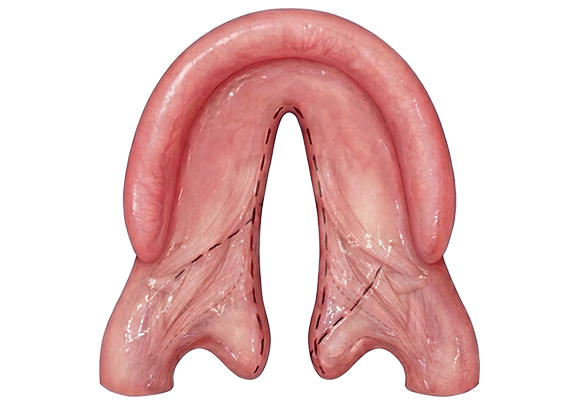
Cleft palate repair, also called palatoplasty, is a surgical procedure that closes the opening in the roof of the mouth and reconstructs the muscle layer of the soft palate. The goal is to create a palate that functions normally for feeding, speech, and middle ear health.
Palatoplasty is typically performed between nine and eighteen months of age, before the most active period of speech development. This timing is intended to give the child the best foundation for normal speech while allowing adequate facial growth prior to surgery.
Several techniques are used for palate repair, including the Furlow double-opposing Z-plasty and the intravelar veloplasty combined with various flap designs. The choice of technique depends on the width and extent of the cleft, the surgeon's training and experience, and the patient's anatomy. The goal of all techniques is to achieve a tension-free closure and to properly orient the muscles of the soft palate for normal velopharyngeal function.
Many children with cleft palate have chronic ear fluid due to Eustachian tube dysfunction. Myringotomy and tube placement is commonly performed at the same time as palate repair based on the child's hearing status and the recommendation of the otolaryngologist.
A well-repaired palate allows the soft palate to close against the back of the throat during speech, which is essential for normal resonance and clarity. Children with cleft palate are monitored closely for speech development after repair, and speech therapy is frequently part of the post-surgical care plan.
Palatoplasty is performed under general anesthesia through the mouth. The cleft is closed in layers, and the muscles of the soft palate are repositioned to create a functional velopharyngeal mechanism. The procedure typically takes one to two hours. Most children are discharged the same day or after one overnight stay.
Children are placed on a soft or liquid diet for several weeks after surgery to protect the repair while it heals. Arm restraints may be used to prevent the child from placing objects in the mouth. Swelling and some discomfort are expected and managed well with appropriate pain medication. Most children return to normal activity within one to two weeks.
Some children develop velopharyngeal insufficiency after palatoplasty — a condition in which the palate does not close completely during speech, resulting in nasal resonance. This is evaluated through speech assessment and, when present, may require further surgical treatment such as a pharyngeal flap or sphincter pharyngoplasty.
Yes. We regularly care for patients traveling from outside the region for cleft palate repair.
Most patients undergoing cleft palate repair are discharged after one overnight stay and are recovering well. Out-of-town patients should plan to remain locally for approximately one week primarily to attend their first post-operative visit, during which the surgeon examines healing, addresses any questions, and clears the patient for travel home. Because this procedure is performed on young children, the post-operative visit is particularly important to confirm healing, feeding, and overall recovery before the family travels home.
Ground travel home is generally appropriate shortly after the first post-operative visit, once the surgeon has confirmed healing is on track. Air travel is generally cleared at approximately 7–10 days after surgery. Flying is approved somewhat later than driving because cabin pressure changes at altitude are a consideration during early healing. Your surgeon will confirm both clearances at the post-operative visit.
Yes. After returning home, a second follow-up visit will be needed to monitor continued healing and recovery. Depending on what needs to be assessed, this visit may be conducted via telemedicine or may require an in-person return visit. Your surgeon will advise on the format and timing of this follow-up before you travel home.
The consultation at our center includes a thorough clinical examination, review of any imaging or prior records, and a detailed discussion of the surgical plan, expected outcomes, recovery timeline, and what follow-up will involve. Patients leave with a clear understanding of the procedure and what to expect before, during, and after surgery.