



Velopharyngeal Insufficiency
A condition affecting speech, treated with focused, coordinated care for optimal function.
What Is Velopharyngeal Insufficiency?
Treatment & Care Pathway

Evaluation & Testing
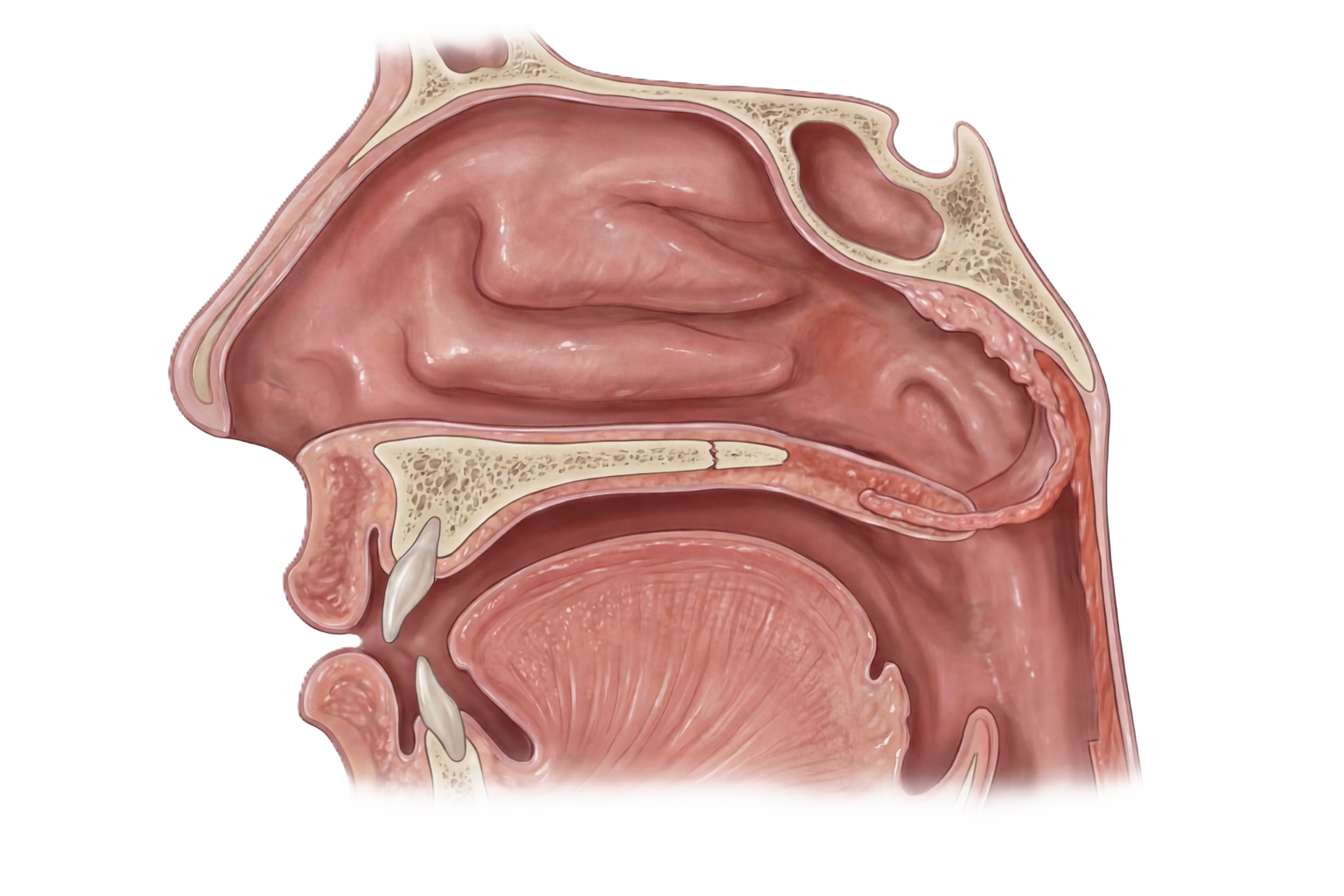
Comprehensive speech assessment and studies, such as nasoendoscopy, may be performed to evaluate palatal and posterior pharyngeal wall movement and airflow patterns.

Speech Therapy Intervention
Targeted speech therapy may be recommended to improve articulation, resonance, and overall speech patterns, both before and after surgical treatment.

Surgical Planning
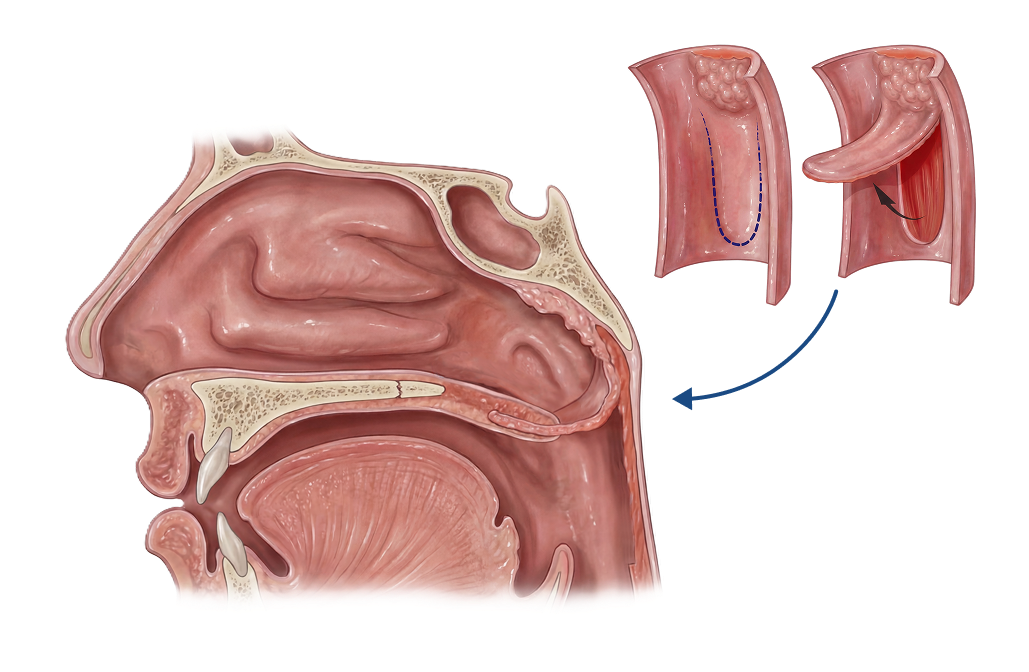
When structural insufficiency is confirmed, procedures such as a pharyngeal flap or sphincter pharyngoplasty may be considered to improve closure.

Postoperative Monitoring
Continued speech therapy and follow-up evaluations after surgery support optimal speech outcomes and long-term progress.
Surgical Treatment Options
Treatment Timeline
Before & After Gallery
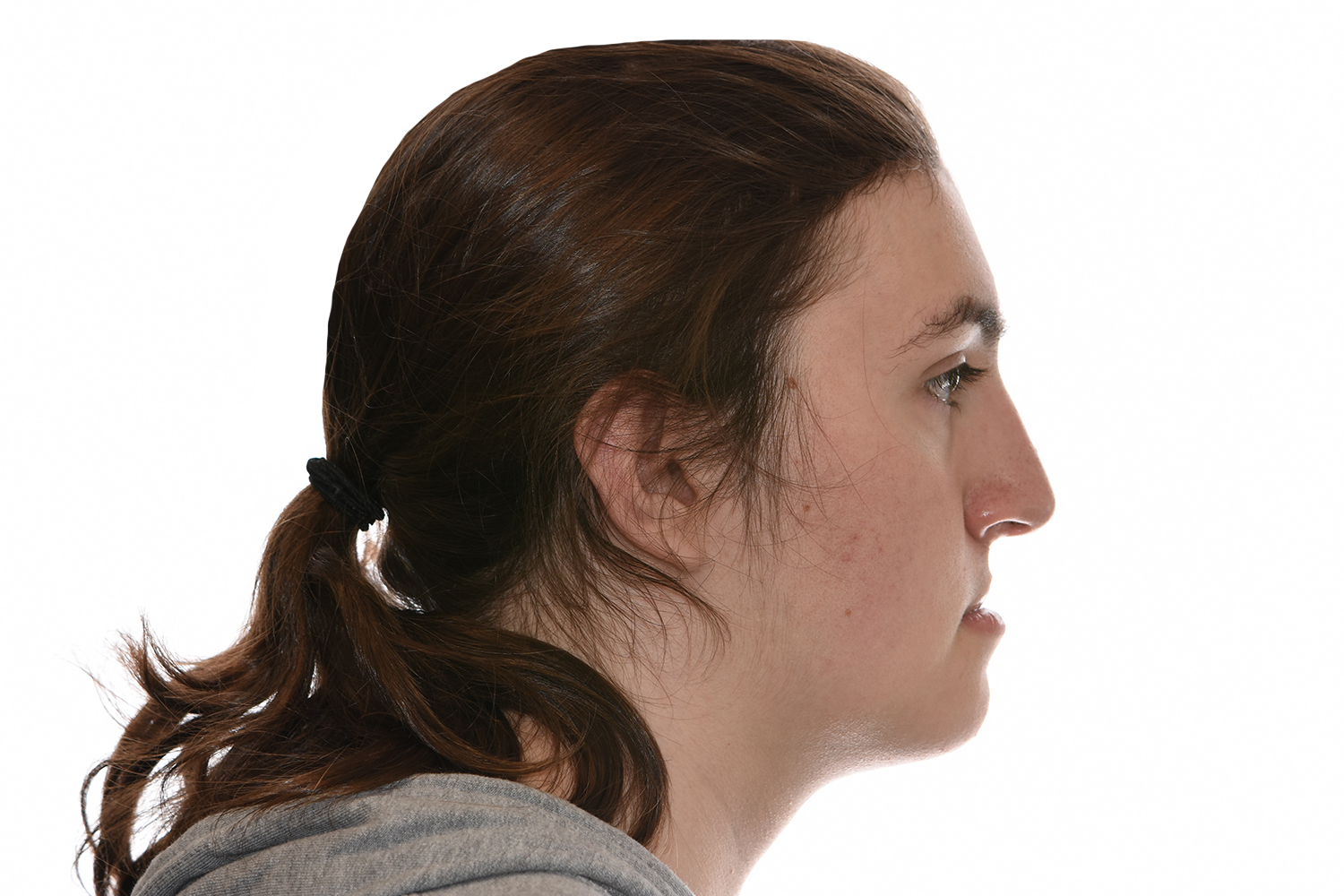
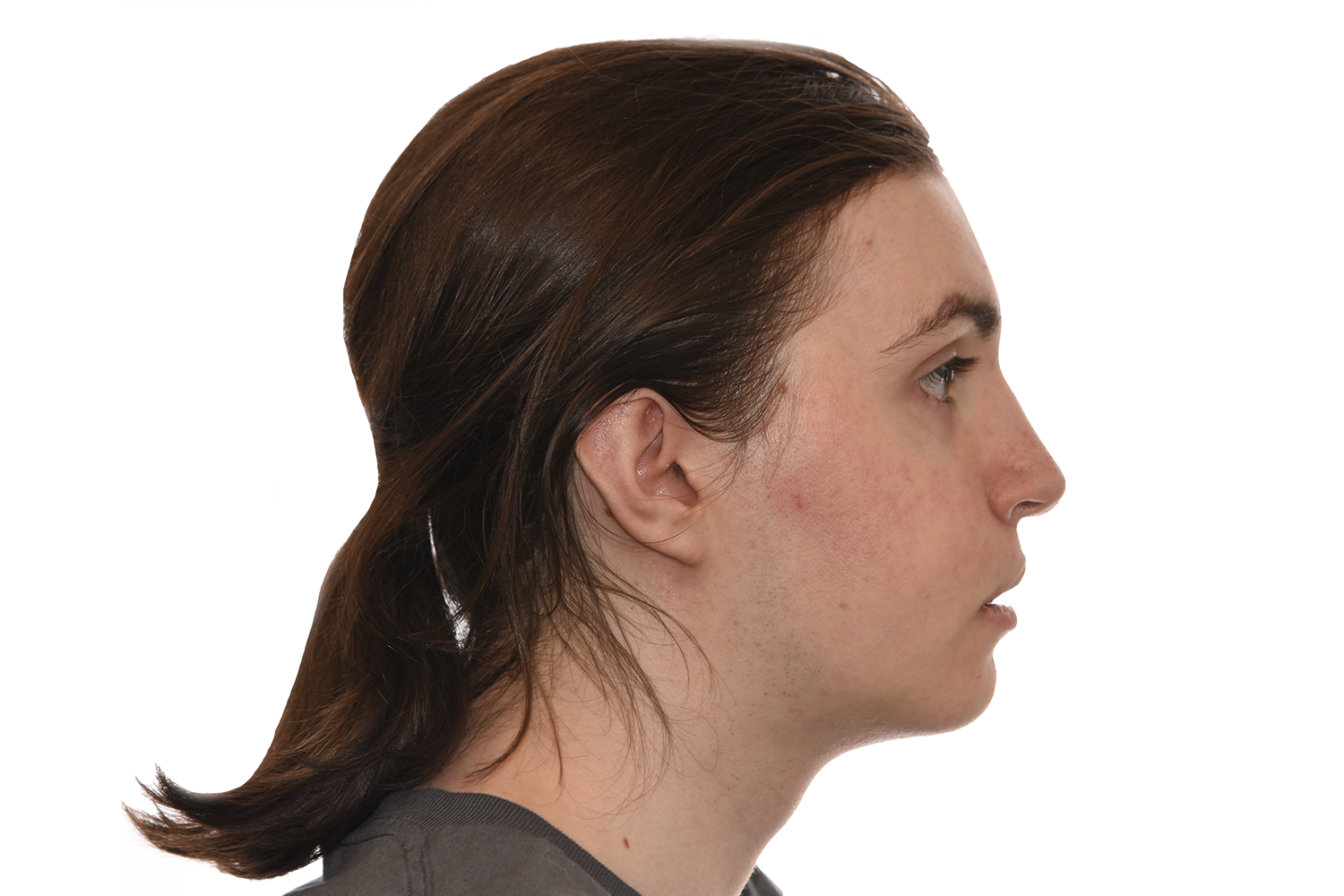
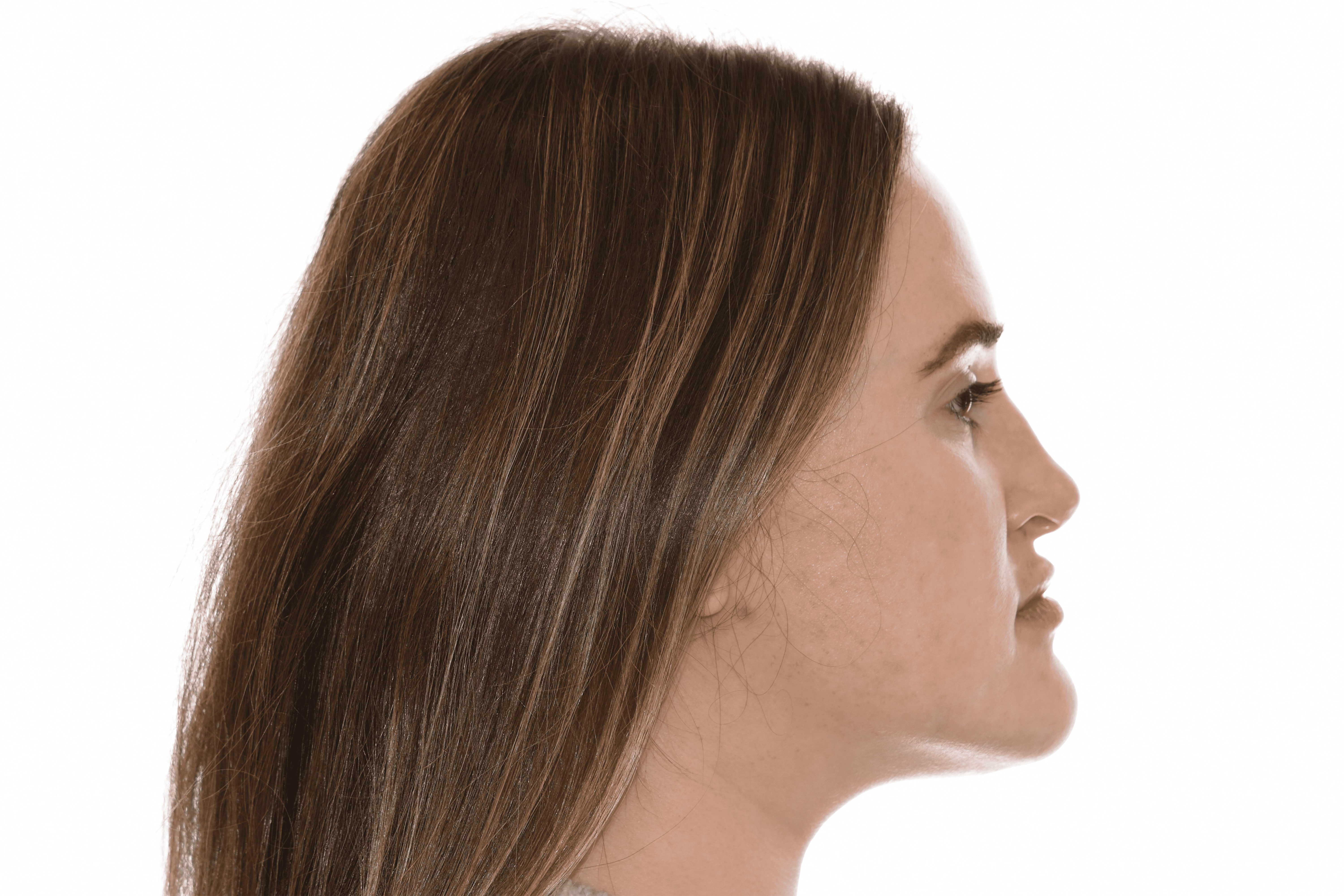
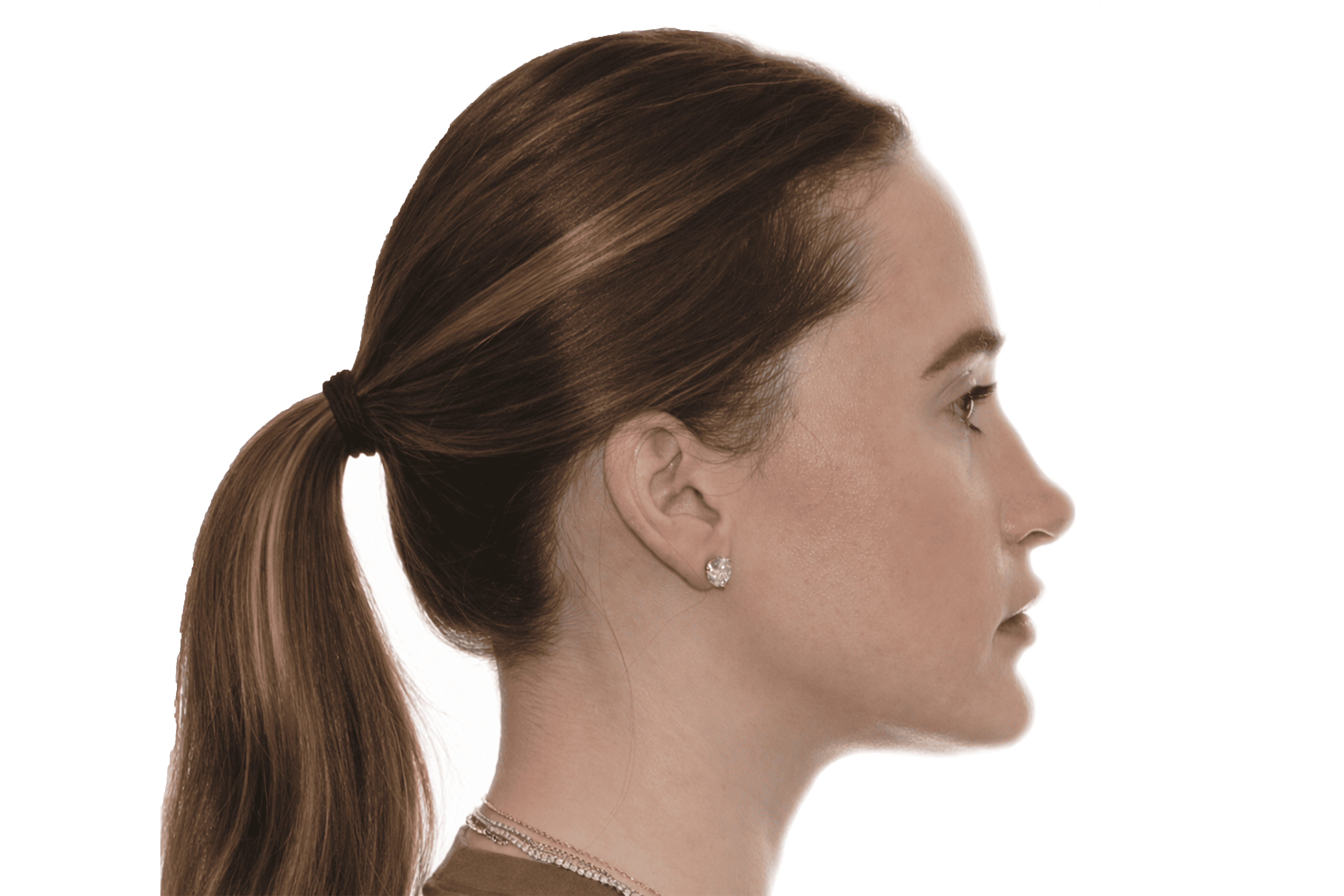

Velopharyngeal Insufficiency (VPI) often involves complex surgical, developmental, and functional concerns that require coordinated, specialized management. Outcomes depend heavily on a surgeon's training, clinical judgment, and familiarity with the nuances of this condition. Teams that regularly treat patients with Velopharyngeal Insufficiency (VPI) are typically better equipped to manage both immediate surgical needs and long-term outcomes.
In a private practice setting, care is often more streamlined and consistent, with the same surgeon closely involved in evaluation, treatment planning, surgery, and follow-up.
In academic or hospital-based settings, care may involve a larger team that can include residents or fellows participating under supervision. Both models can provide excellent care, but the structure and continuity of treatment may feel different. At our center, your care is delivered directly by your surgeon — not by residents, fellows, or surgeons in training.
It is important to understand who is performing each part of your treatment. In some settings, the attending surgeon performs all critical portions of the procedure, while in others trainees may assist or participate under supervision. This should be discussed clearly in advance. At our center, your surgeon performs all critical portions of the procedure.
Depending on the treatment setting, residents, fellows, or students may be involved in aspects of care. Patients and families should feel comfortable asking about their role and how care is supervised throughout treatment.
At our center, there are no residents or fellows involved in performing surgery.
Long-term follow-up is an important part of care for many conditions managed at our center. In some practices, post-treatment care may be shared among multiple providers, while in others the surgeon remains closely involved throughout recovery and monitoring. At our center, your surgeon personally follows you throughout recovery and long-term care.
Comprehensive care includes direct surgical involvement in evaluation, treatment planning, surgery, and long-term follow-up. Consistency throughout the process helps maintain continuity of care.
At our center, your surgeon is directly involved at every stage — from initial evaluation through treatment and follow-up.
Velopharyngeal insufficiency, or VPI, is a condition in which the soft palate and the back and sides of the throat do not close completely during speech. This incomplete closure allows air to escape into the nose, causing a nasal quality to the voice and affecting speech clarity.
VPI most commonly occurs following cleft palate repair when the palate does not move adequately to close against the back of the throat during speech. It can also occur due to a short palate, muscle dysfunction, or in patients with certain syndromes such as 22q11.2 deletion syndrome. In some cases, it develops after adenoid removal. When VPI occurs as a result of how the palate healed or moved after surgery, it is a recognized and treatable outcome — not a reflection of anything the patient or family did wrong.
VPI causes hypernasality, meaning the voice has an excessively nasal resonance. It may also cause nasal air emission during pressure-sensitive speech sounds. These changes can affect speech intelligibility and may lead to compensatory articulation patterns.
Diagnosis involves a combination of speech evaluation by a speech-language pathologist with expertise in resonance disorders and instrumental assessment. Nasopharyngoscopy and multiview videofluoroscopy are the primary tools used to directly visualize the velopharyngeal mechanism during speech.
No. While VPI is most commonly associated with cleft palate history, it can also occur in children and adults without any prior cleft diagnosis. A thorough evaluation is important to identify the cause and tailor treatment accordingly.
Speech therapy plays an important role in managing compensatory articulation errors and optimizing speech after treatment, but it typically cannot resolve the underlying structural cause of VPI. When a structural deficit is present, surgical intervention is usually necessary to achieve lasting improvement.
Surgical options include pharyngeal flap, sphincter pharyngoplasty, and palate re-repair or Furlow palatoplasty. The choice of procedure depends on the pattern and degree of velopharyngeal closure identified on instrumental evaluation, the patient's anatomy, and prior surgical history.
A pharyngeal flap is a procedure that creates a tissue bridge between the back of the soft palate and the posterior pharyngeal wall, permanently narrowing the central opening to reduce air escape into the nose during speech. Lateral ports remain open to allow nasal breathing.
Sphincter pharyngoplasty uses tissue from the sides of the throat to narrow and partially close the velopharyngeal opening. It is often selected based on the specific pattern of velopharyngeal closure observed during evaluation.
Potential risks include changes to breathing patterns during sleep, hyponasality if the repair is overcorrected, and the general risks associated with surgery and anesthesia. A thorough pre-surgical evaluation, including airway assessment, helps guide appropriate procedure selection.
Recovery from VPI surgery involves a period of dietary modification and activity restriction. Speech is reassessed at regular intervals after surgery to evaluate improvement in resonance and the need for continued speech therapy.
Speech therapy after surgical correction is often beneficial to address residual compensatory speech patterns and to help the patient adjust to the new velopharyngeal mechanism. The duration and intensity of therapy depends on the individual's speech at the time of surgery.
Yes, in many patients. With appropriate surgical intervention and follow-up speech therapy, most patients with VPI experience meaningful improvement, and many achieve normal or near-normal resonance. A small number may require a second procedure if improvement is incomplete.
Yes. We regularly care for patients and families traveling from outside the region for VPI evaluation and surgical treatment.
VPI procedures such as pharyngeal flap and sphincter pharyngoplasty are typically performed under general anesthesia with a one to two night hospital stay. After discharge, most patients are recovering well. Out-of-town families should plan to remain locally for approximately five to seven days primarily to attend their first post-operative visit, at which the surgeon confirms airway comfort, swallowing, and early healing before clearing the family for travel home. This visit also provides a good opportunity to address any questions in person. The specific timeline depends on the procedure performed, the patient's age, and recovery progress, and your surgeon will confirm the post-op visit schedule before surgery.
Yes. Once the post-operative visit has taken place and the surgeon is satisfied with recovery, most patients are cleared for ground travel shortly thereafter. Air travel is typically appropriate at approximately seven to ten days after surgery. Your surgeon will advise on both at the post-op visit.
Evaluation at our center includes speech assessment, nasopharyngoscopy or videofluoroscopy to directly evaluate the velopharyngeal mechanism, and a detailed discussion of the most appropriate surgical approach for each patient's anatomy and closure pattern. Patients and families leave with a clear understanding of the procedure, recovery, and speech therapy plan.
Yes. Follow-up speech assessment after VPI surgery is an important part of evaluating the result, and patients will need at least one additional visit after returning home. Depending on what needs to be assessed, this may be conducted via telemedicine or may require an in-person return. Your surgeon will advise on timing and format before you travel home.