

Cranial Vault Reshaping
Reshaping the Skull to Support Brain Growth and Proper Head Shape
What Is Cranial Vault Reshaping?
Types of Cranial Vault Reshaping
Endoscopic Suturectomy
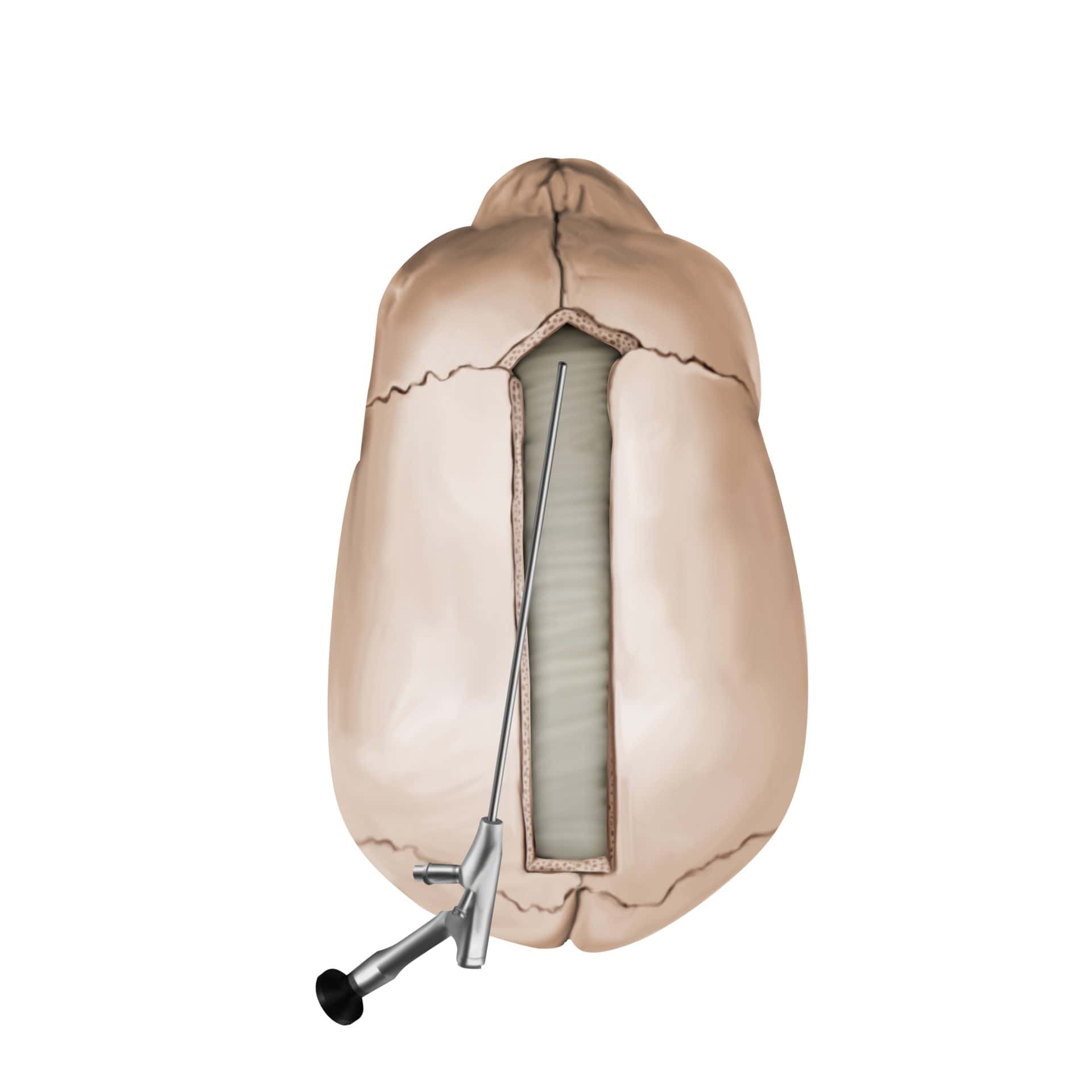
Endoscopic suturectomy is a minimally invasive operation that uses small incisions and a camera-equipped scope to access the skull and carefully remove the fused bone segments.
Cranial Vault Remodeling
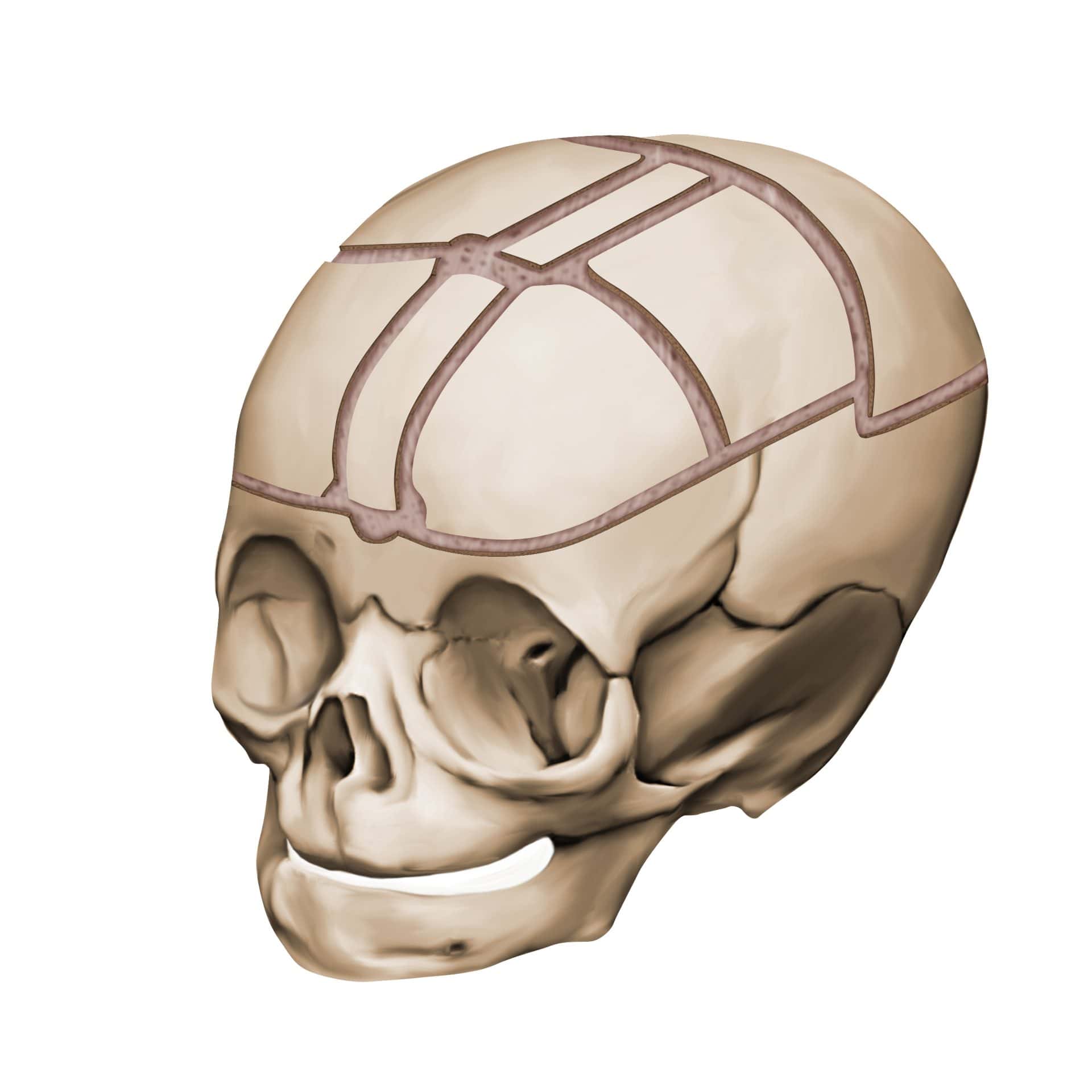
Cranial vault remodeling is a proven open procedure that allows surgeons to make major skull shape corrections in a single operation, though it typically involves a longer recovery than endoscopic techniques.
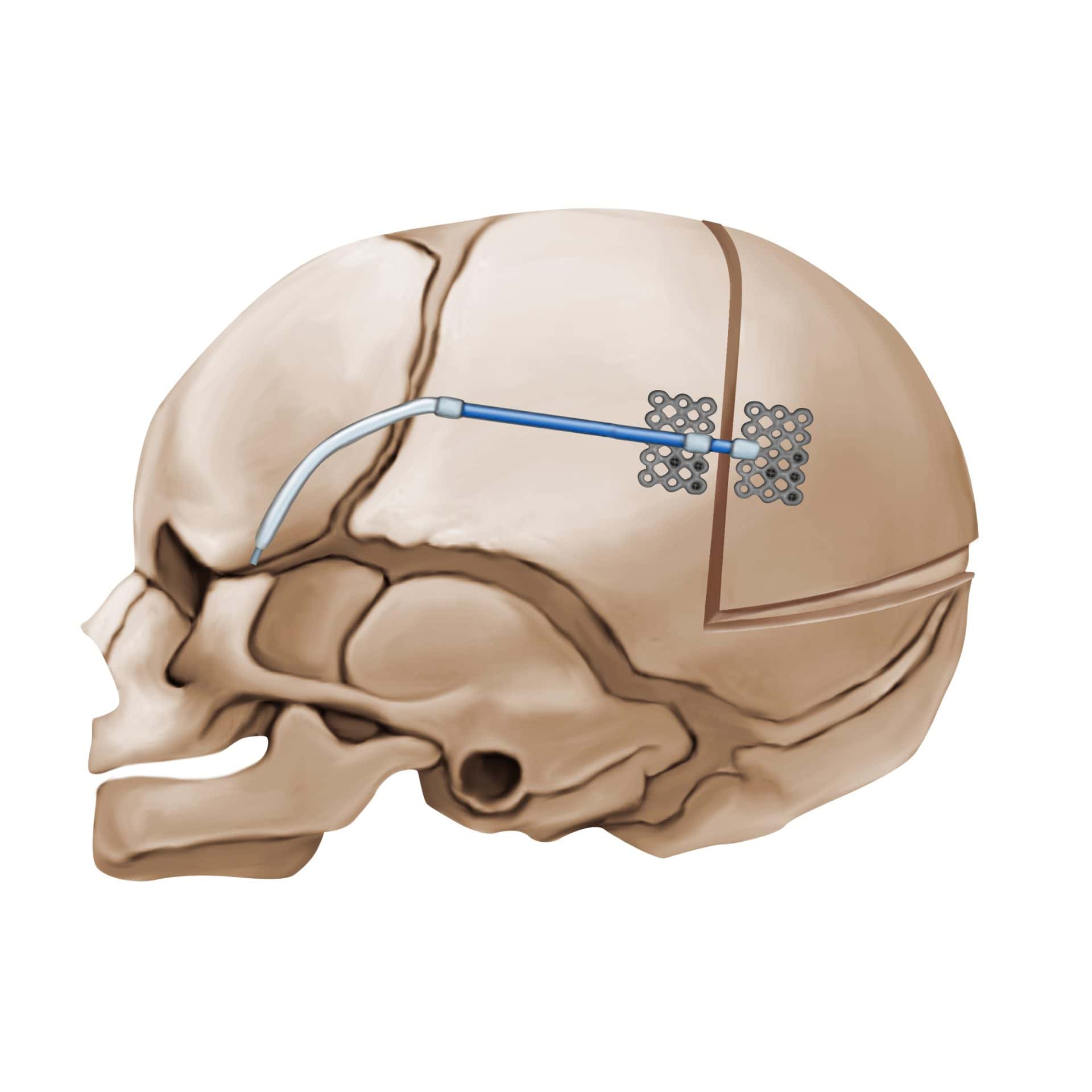
Distraction Osteogenesis
Posterior cranial vault distraction is a key technique for complex craniosynostosis that gradually expands the back of the skull to create space for brain growth while avoiding full cranial vault reconstruction.
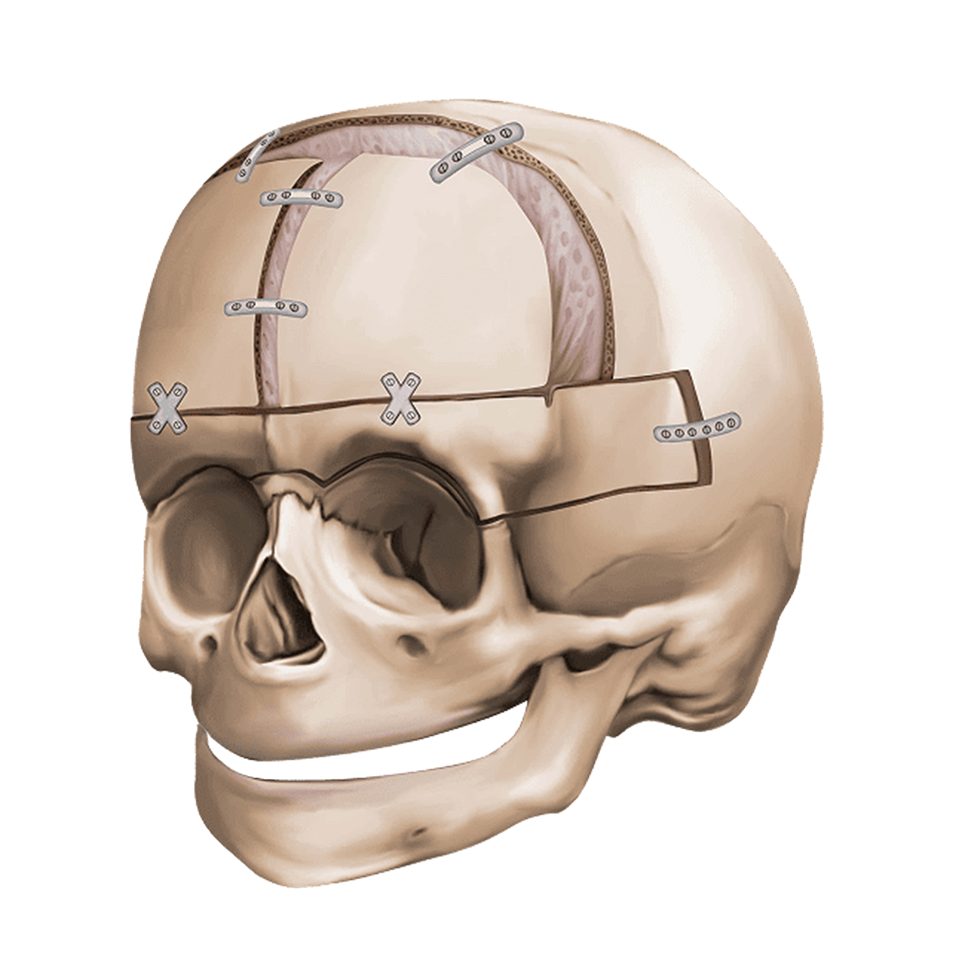
Fronto-Orbital Advancement
Fronto-orbital advancement treats metopic and coronal craniosynostosis by reshaping and repositioning the forehead and upper eye sockets to relieve brain pressure and restore natural facial balance.
What Patients Find Most Helpful To Know About Cranial Vault Reshaping

Brain Growth
The primary goal is to create sufficient space for healthy brain development.

Head Shape Improves
Changes in skull shape are noticeable right away, with refinement as swelling resolves.

Two Surgical Approaches
An open or endoscopic technique may be chosen based on age, type, and severity.

Timing Matters
Earlier surgery may allow better correction and help support normal skull growth.
When Is Cranial Vault Reshaping Performed?

Increased space for brain growth

Reduced risk of pressure-related complications
More balanced and symmetrical skull shape


Improved long-term neurological outcomes

Enhanced facial and cranial proportions

Stable results that support normal growth

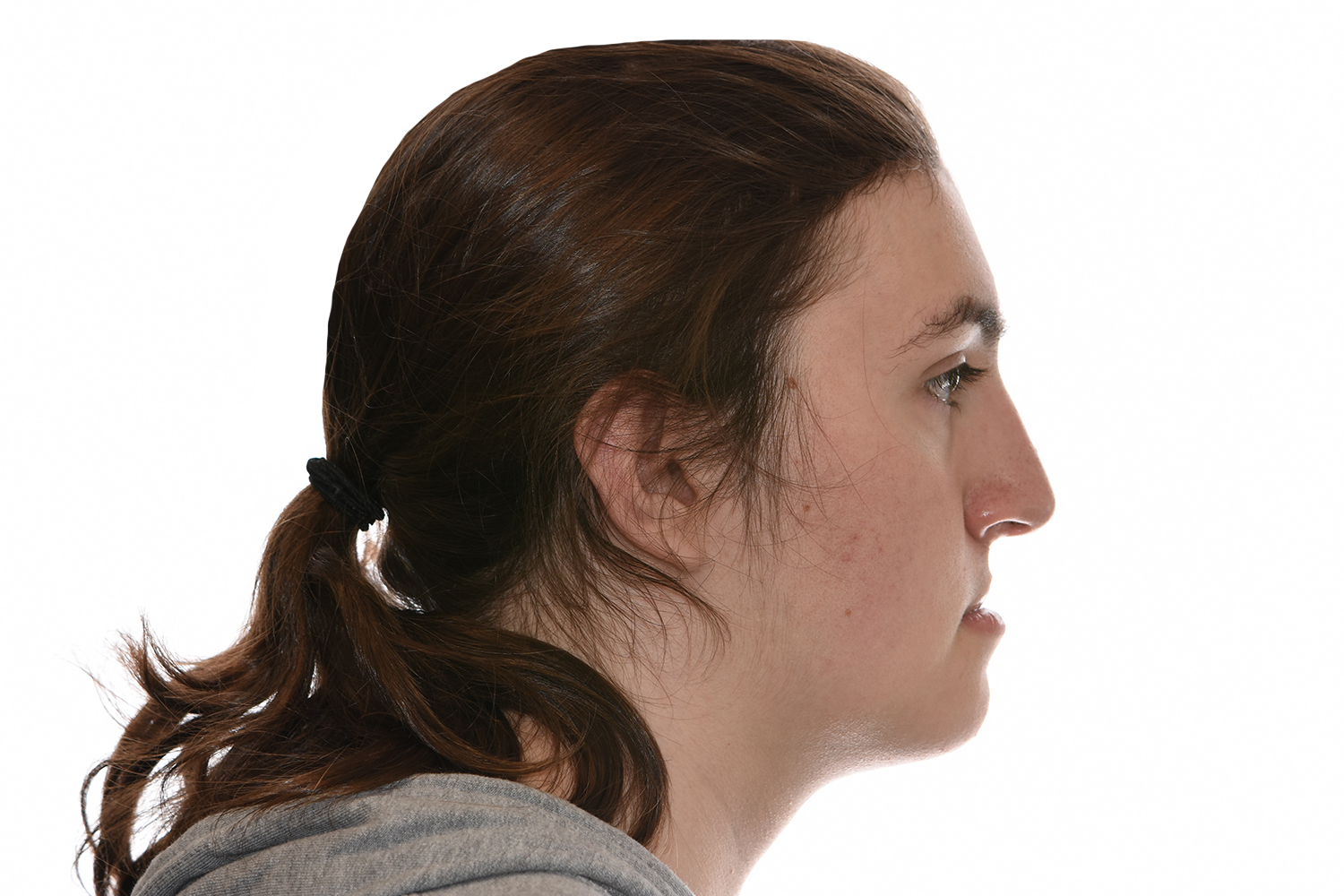
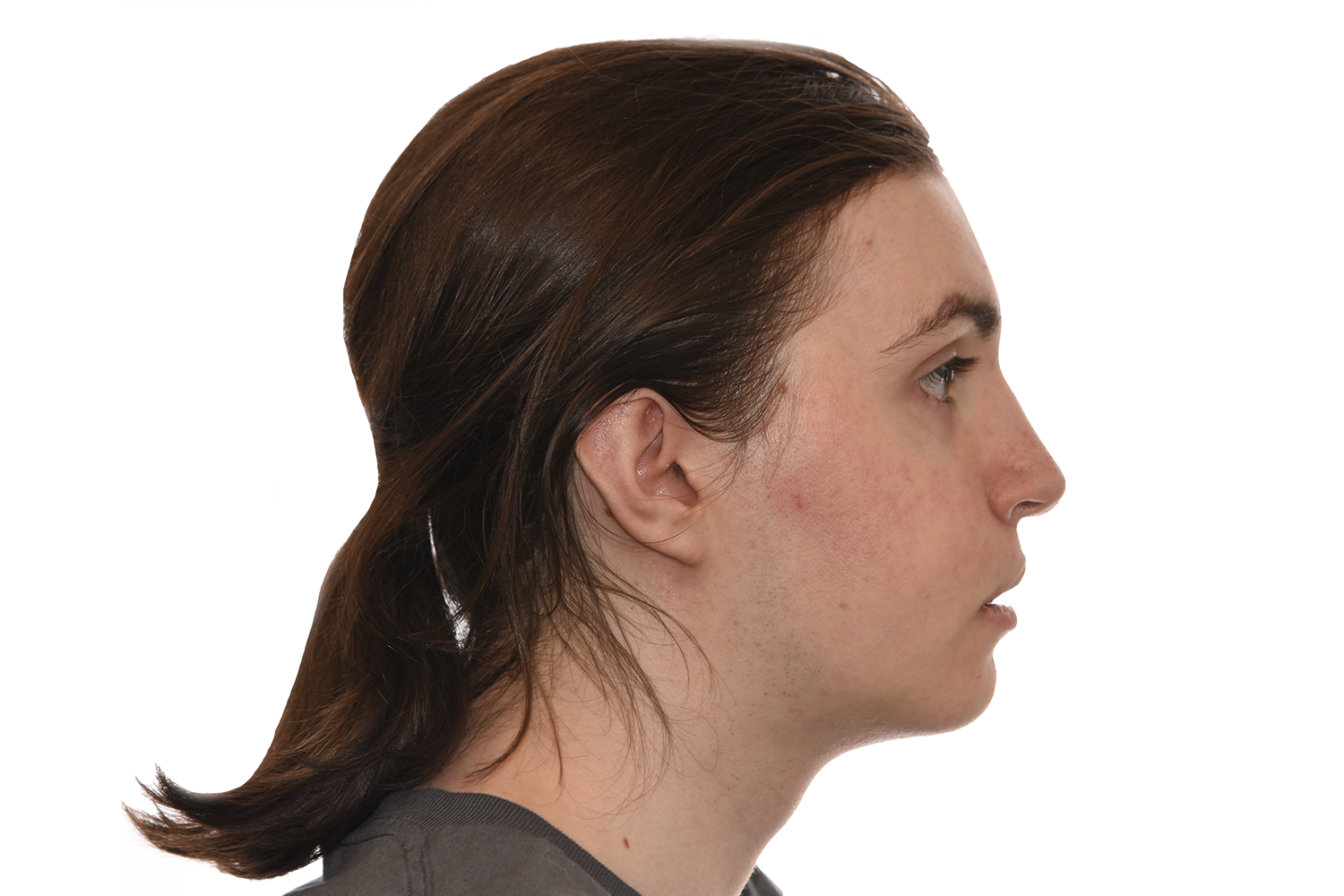
Before & After Gallery
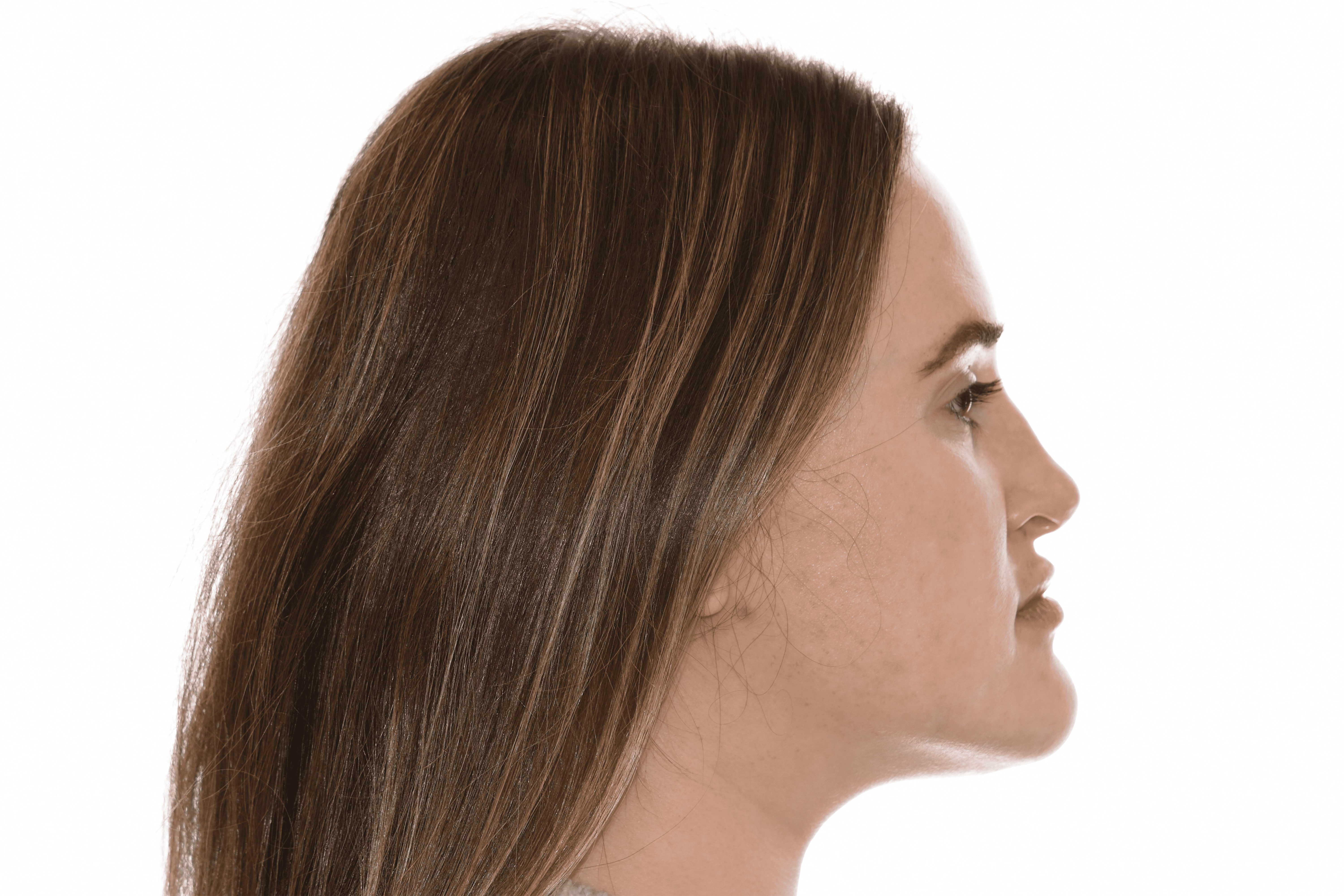
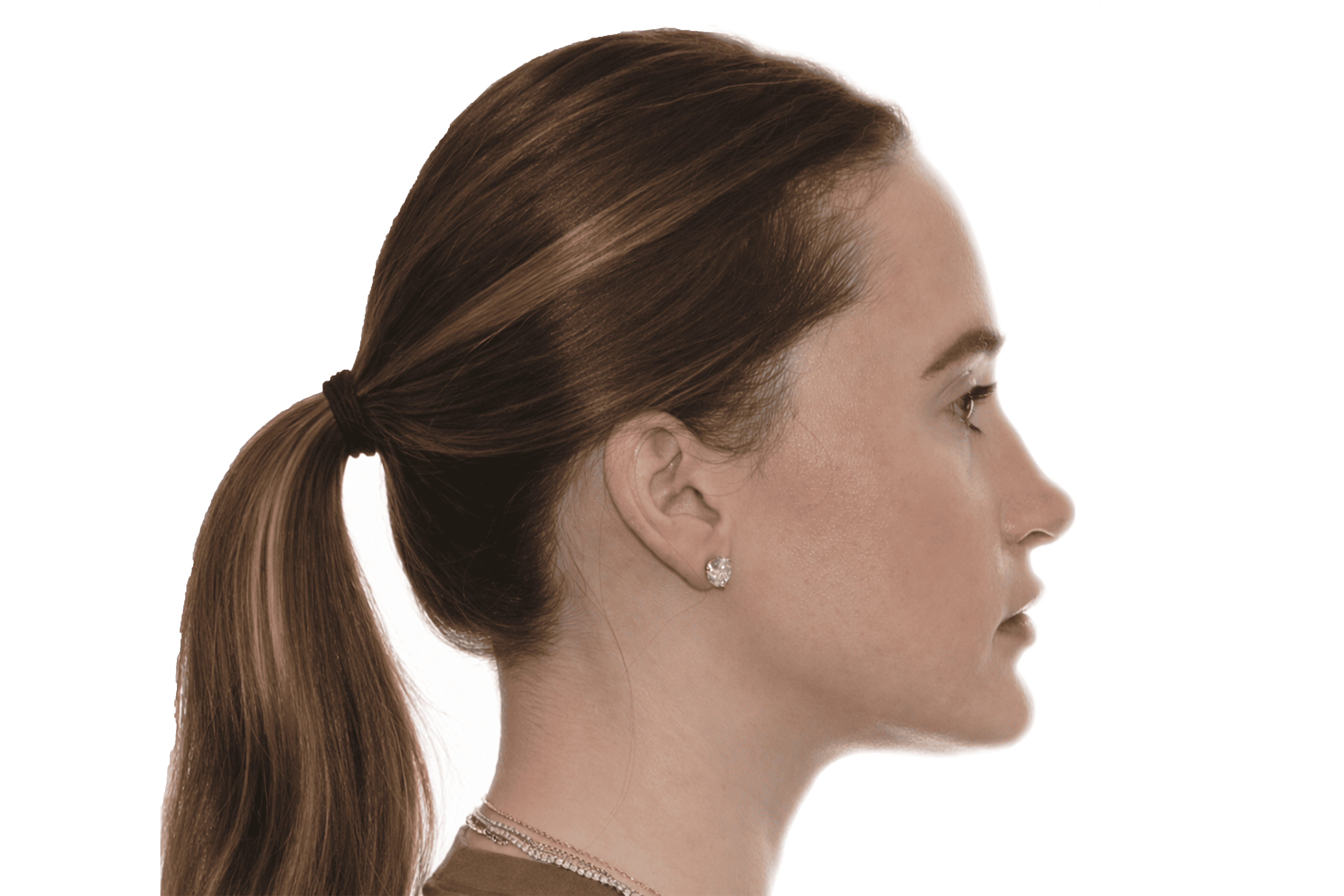
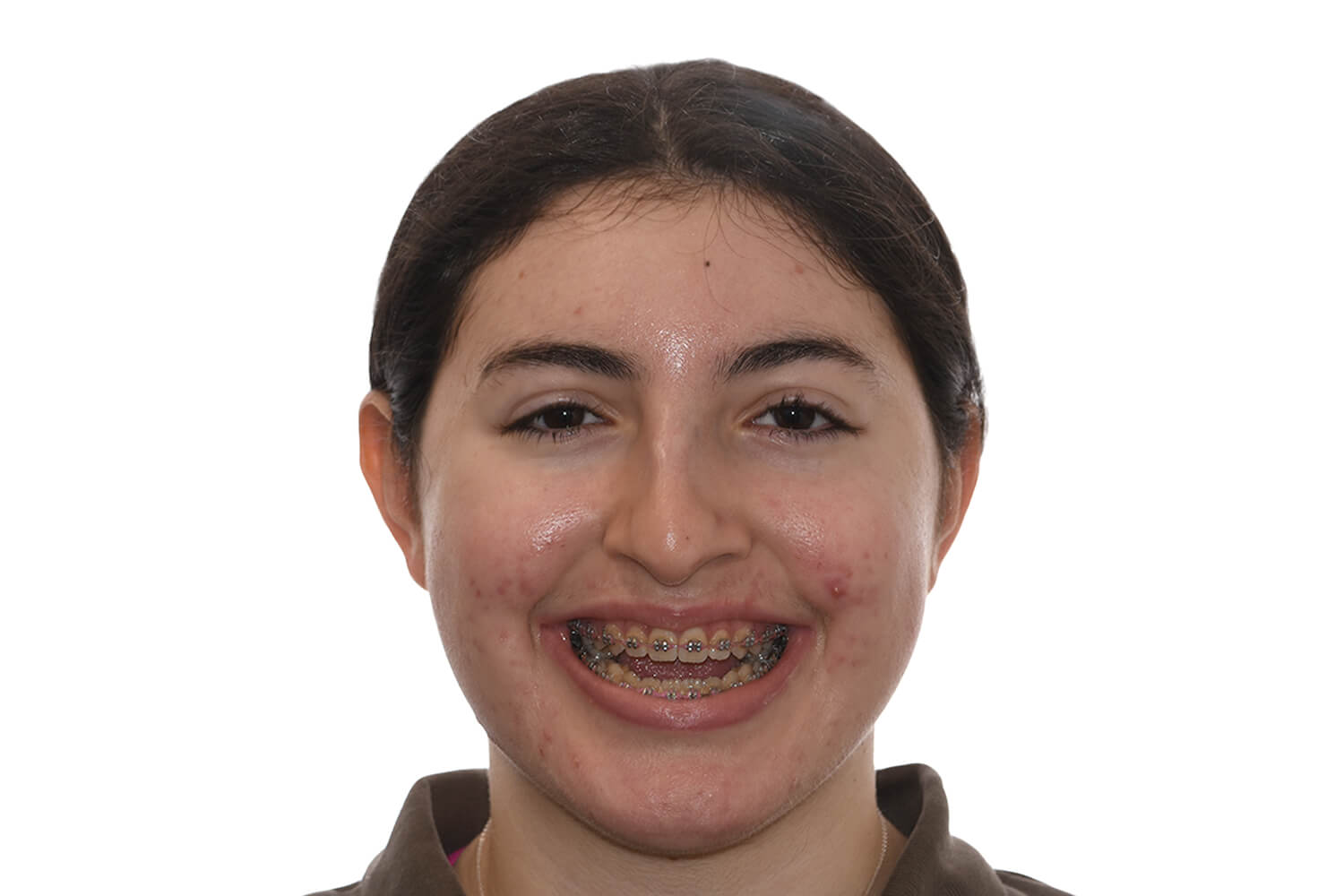
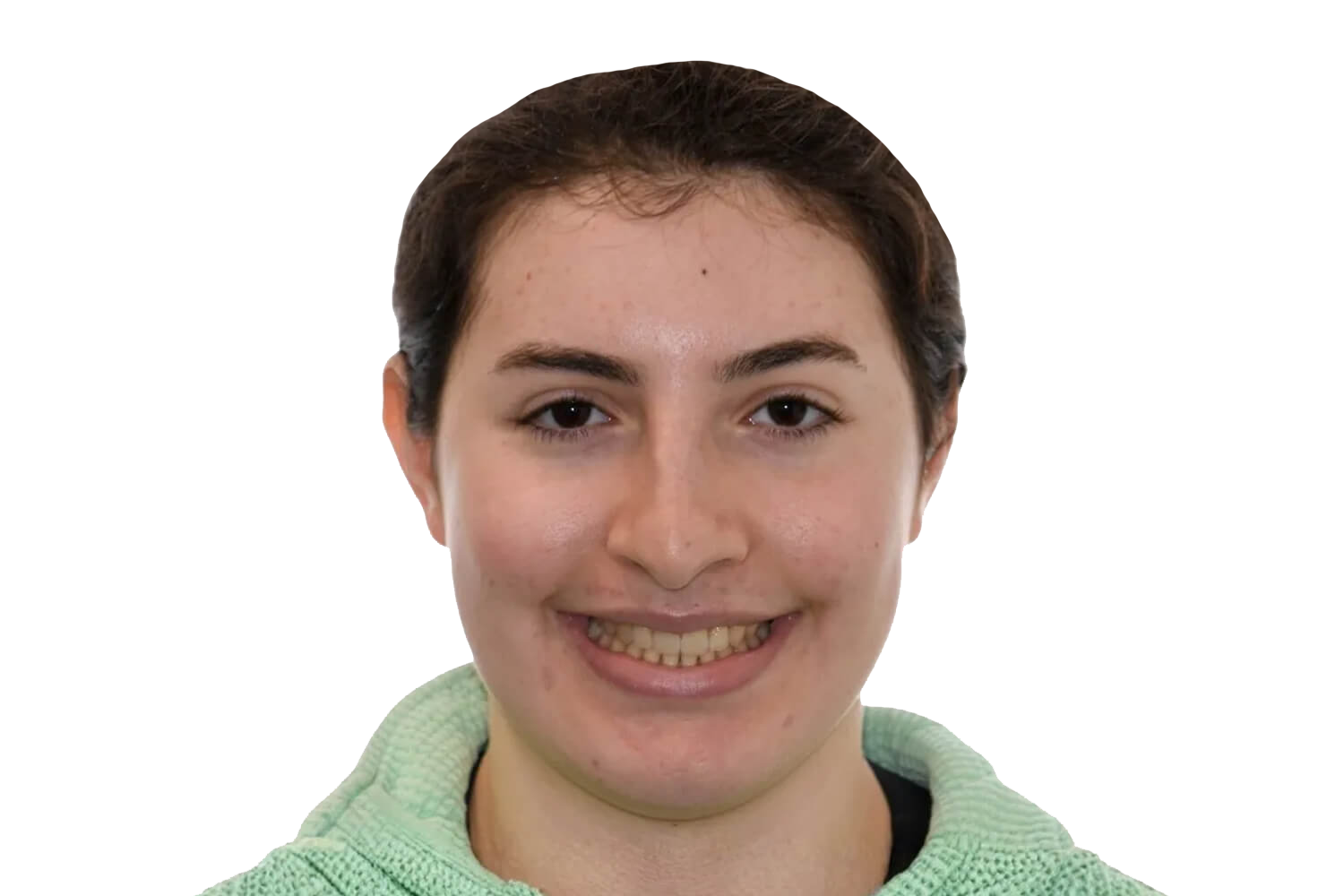
Timeline For Cranial Vault Reshaping
Endoscopic Repair
Traditional Repair
Recovery
Following cranial vault reshaping, recovery focuses on healing, swelling control, and supporting normal brain and skull development.
First Week
Early Recovery
Week 2–4
Initial Recovery
Month 1–3
Ongoing Healing
Month 3–12
Long-Term Results
What To Expect After Surgery
Most children recover well and resume normal development with ongoing follow-up.

Risks & Possible Complications

Safety Information for Patients
Potential risks are uncommon; however, as with any procedure, they can occur and may include:
An experienced team and close follow-up care help maximize the likelihood of optimal outcomes.
Cranial Vault Reshaping requires precise surgical judgment, specialized training, and familiarity with the anatomical and functional nuances of this procedure. Outcomes depend heavily on the surgeon's experience, technique, and ability to anticipate and manage the full range of possible findings. Surgeons who perform this procedure regularly are typically better positioned to achieve consistent, safe results.
In a private practice setting, care is often more streamlined and consistent, with the same surgeon closely involved in evaluation, treatment planning, surgery, and follow-up.
In academic or hospital-based settings, care may involve a larger team that can include residents or fellows participating under supervision. Both models can provide excellent care, but the structure and continuity of treatment may feel different. At our center, your care is delivered directly by your surgeon — not by residents, fellows, or surgeons in training.
It is important to understand who is performing each part of your procedure. In some settings, the attending surgeon performs all critical portions, while in others trainees may assist or participate under supervision. This should be discussed clearly in advance. At our center, your surgeon performs all critical portions of the procedure.
Depending on the treatment setting, residents, fellows, or students may be involved in aspects of care. Patients should feel comfortable asking about their role and how care is supervised.
At our center, there are no residents or fellows involved in performing surgery.
Post-operative follow-up is an important part of surgical care. At our center, your surgeon personally follows you through recovery and any additional visits required.
At our center, your surgeon is directly involved at every stage — from the initial consultation and treatment planning through surgery, post-operative visits, and long-term follow-up.
Cranial vault reshaping is a surgical procedure that remodels the bones of the skull to correct abnormal head shape caused by premature fusion of the skull sutures — a condition called craniosynostosis. The procedure removes, reshapes, and repositions the affected skull bones to create more normal skull shape and to relieve any restriction on brain growth.
Three main approaches are used depending on the patient's age, the suture or sutures involved, and the degree of deformity. Open cranial vault remodeling is the traditional approach, performed through a larger incision with direct reshaping of the skull bones and is applicable at a range of ages. Endoscopic strip craniectomy is a minimally invasive approach performed through small incisions in infants under three to four months of age, removing the fused suture and relying on post-operative helmet therapy to guide skull shape. Spring-assisted cranioplasty is a technique in which springs are placed at the time of surgery to gradually expand the skull, typically used in younger infants for specific suture patterns. The appropriate technique is determined by the child's age, anatomy, and the sutures involved.
Endoscopic strip craniectomy requires smaller incisions, results in less blood loss, and has a shorter hospital stay and faster recovery than open cranial vault remodeling. However, it must be performed very early in infancy — typically before three months of age — to be effective, and it requires post-operative helmet therapy for several months to guide skull reshaping. Open surgery is more versatile and can be performed at a wider range of ages, allows for more complex three-dimensional reshaping, and does not require post-operative helmet therapy.
Cranial vault reshaping is performed to correct the skull shape that results from premature suture fusion — a structural and medical condition, not a cosmetic one. In addition to improving head shape, surgery allows the skull to expand appropriately as the brain grows, which is important for neurological development and intracranial pressure management.
Yes. Monitoring for elevated intracranial pressure is an important part of care both before and after cranial vault reshaping. Elevated pressure can occur when skull growth is restricted, and surgical correction is one of the primary means of addressing this.
Open reshaping is performed under general anesthesia through an incision across the top of the scalp. The neurosurgical and craniofacial teams work together to remove, reshape, and reposition the skull bones. A blood transfusion is commonly required. The procedure typically takes three to five hours. Most children are hospitalized for three to five days after surgery.
Significant swelling of the face and scalp is expected and peaks in the first two to three days before gradually resolving. Children are closely monitored in the hospital during this period. Most children return to normal activity within several weeks, with full healing of the skull bones occurring over months.
Recovery from endoscopic strip craniectomy is faster, with most infants discharged within one to two nights. Post-operative helmet therapy begins shortly after surgery and is worn for several months to guide the skull into a more normal shape. Regular helmet adjustments and monitoring are part of the follow-up routine.
Yes. We regularly care for families traveling from outside the region for cranial vault reshaping surgery.
The local stay depends on the surgical approach. After open cranial vault remodeling, families should plan for a total local stay of approximately two to three weeks from the time of surgery. The initial hospital stay is three to five days, and the remaining local time allows the team to monitor intracranial pressure, healing, swelling, and overall recovery closely before travel home. This is genuine clinical monitoring, not simply waiting for a routine post-operative appointment. After endoscopic strip craniectomy, recovery is faster and the hospital stay is shorter. Families undergoing the endoscopic approach should plan for approximately one week locally, as the post-operative visit to confirm healing and arrange helmet fitting is an important step before travel. The specific timeline varies based on the child's age, the procedure performed, and recovery progress, and your surgeon will give you a detailed plan before surgery.
Yes, and the distinction is particularly important after open cranial vault surgery given the intracranial nature of the procedure. Ground travel is generally approved before air travel. After open reshaping, flying is typically cleared at approximately two to three weeks after surgery once the team is satisfied with healing and intracranial pressure indicators. After endoscopic surgery, flying may be cleared somewhat sooner. Your surgeon will advise on both clearances based on the procedure performed and your child's recovery.
Yes. After cranial vault reshaping, children require ongoing monitoring of skull growth, head shape, intracranial pressure, vision, and developmental milestones throughout childhood. For endoscopic patients, regular helmet adjustments are part of the early follow-up. Some interval follow-up may be possible via telemedicine, while key assessment visits will require an in-person return. Your surgeon will outline the full follow-up plan before the family travels home.
The consultation includes examination of the skull shape, imaging review, assessment of the sutures involved, discussion of intracranial pressure indicators, and a thorough explanation of the surgical options, timing, and recovery involved with each approach. Families leave with a clear understanding of the recommended plan, the local stay requirements, and the long-term monitoring schedule.