



Unilateral Cleft Lip Repair
Restoring Lip Form and Facial Symmetry in Children with a Unilateral Cleft Lip
What Is Unilateral Cleft Lip Repair?
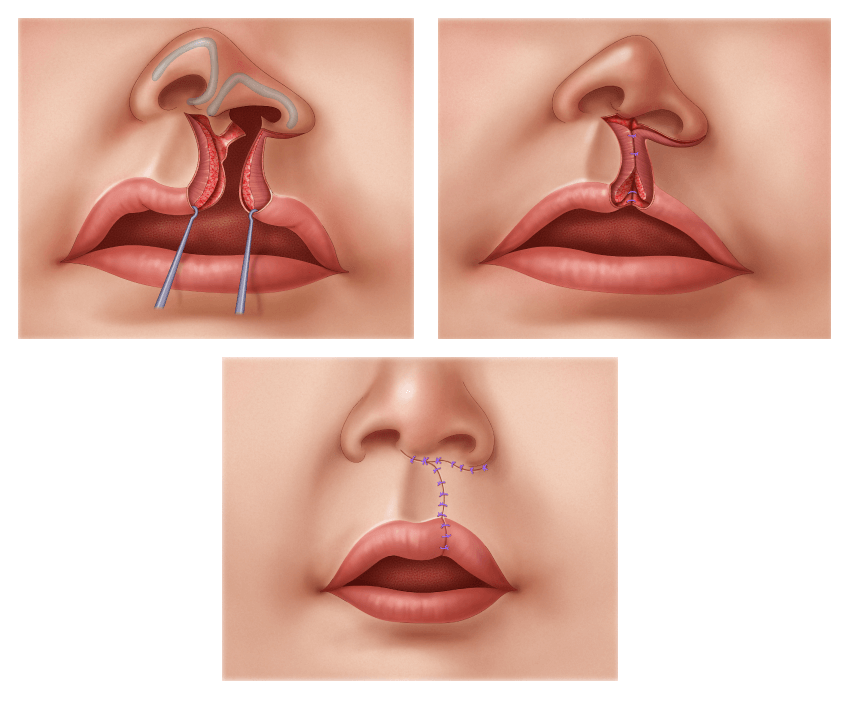
What Patients Find Most Helpful to Know About Unilateral Cleft Lip Repair

Feeding Recovery
Feeding resumes immediately after surgery, including breastfeeding or bottle-feeding without restriction.

Well Tolerated
Infants typically tolerate the procedure very well with a smooth early recovery.

Nasal Improvement
Nasal shape improves significantly, though further refinement may be performed later.

Absorbable Sutures
Stitches are absorbable and typically do not require removal.


Improved ability to feed and maintain oral hygiene

Enhanced speech development and clarity
Restored lip symmetry and facial balance

Takes advantage of enhanced infant healing capacity

Increased self-esteem and confidence as the child develops

Improved foundation for future dental, nasal, and facial development
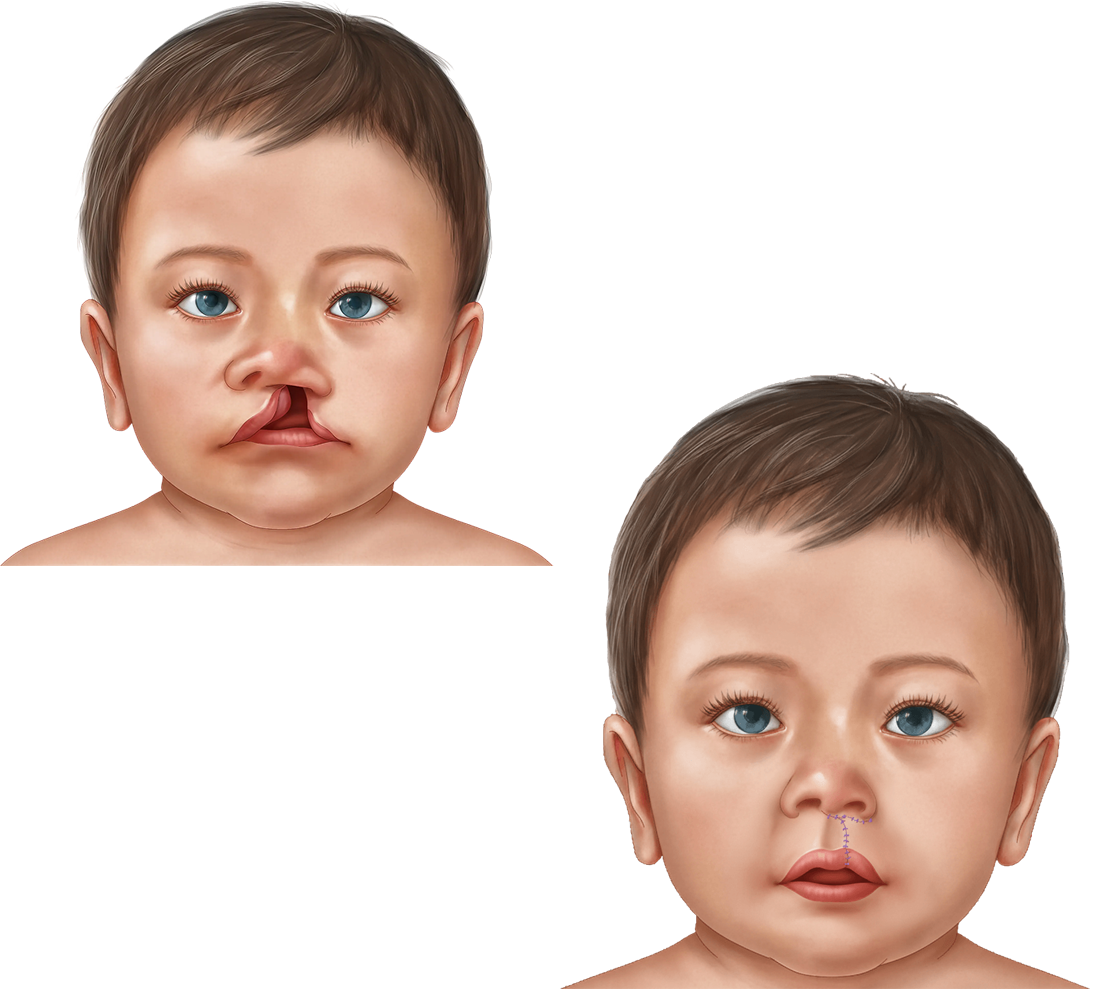
Unilateral Cleft Lip Repair Procedure
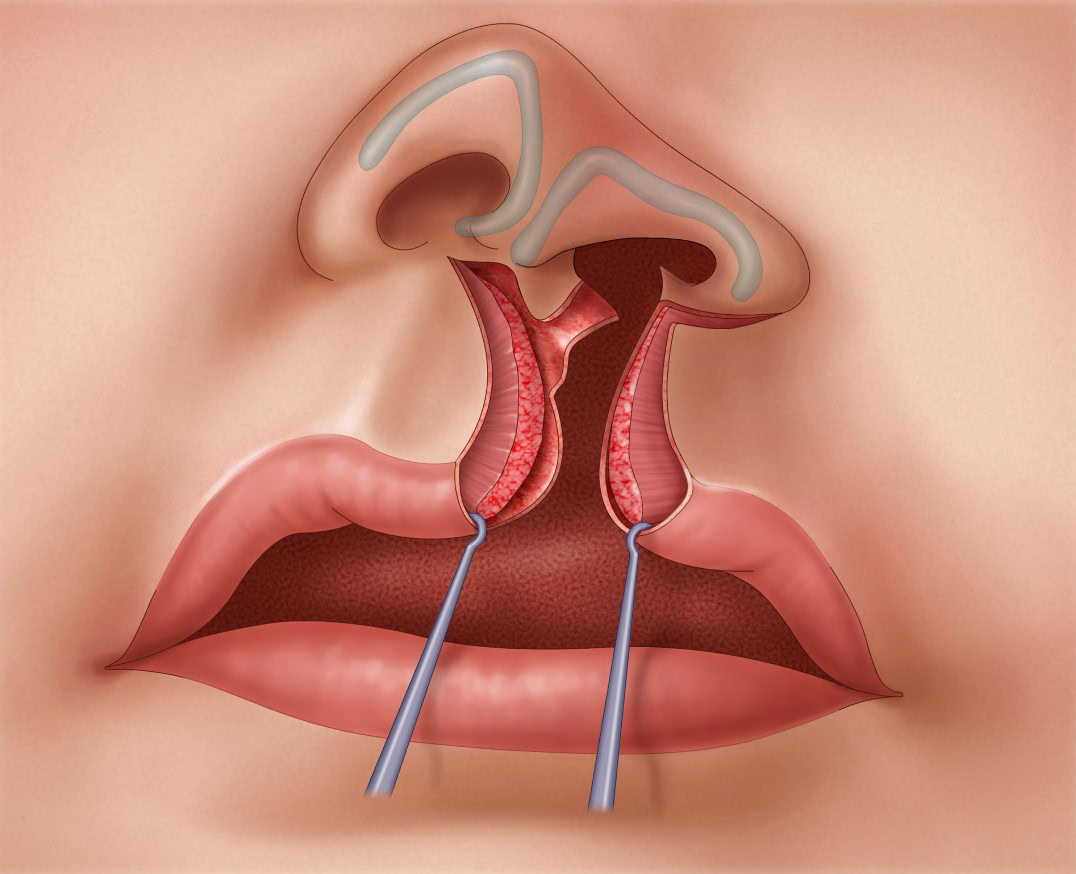
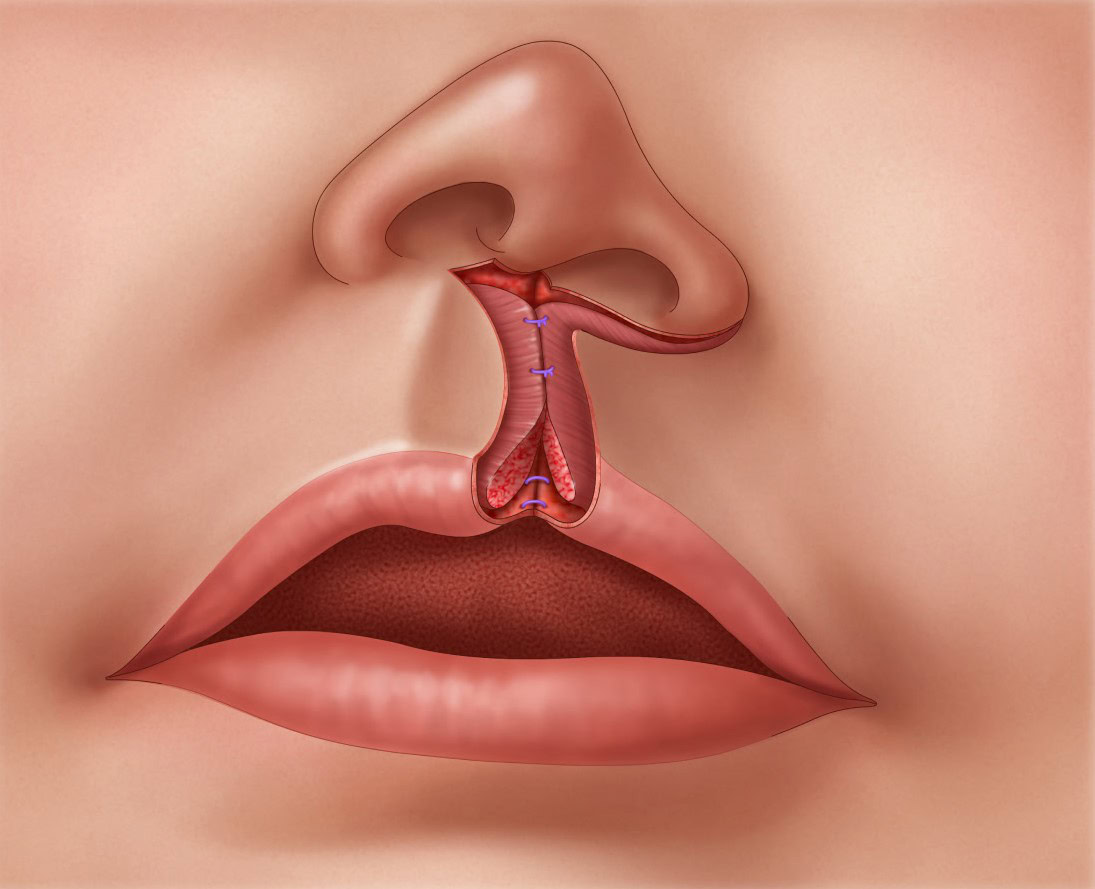
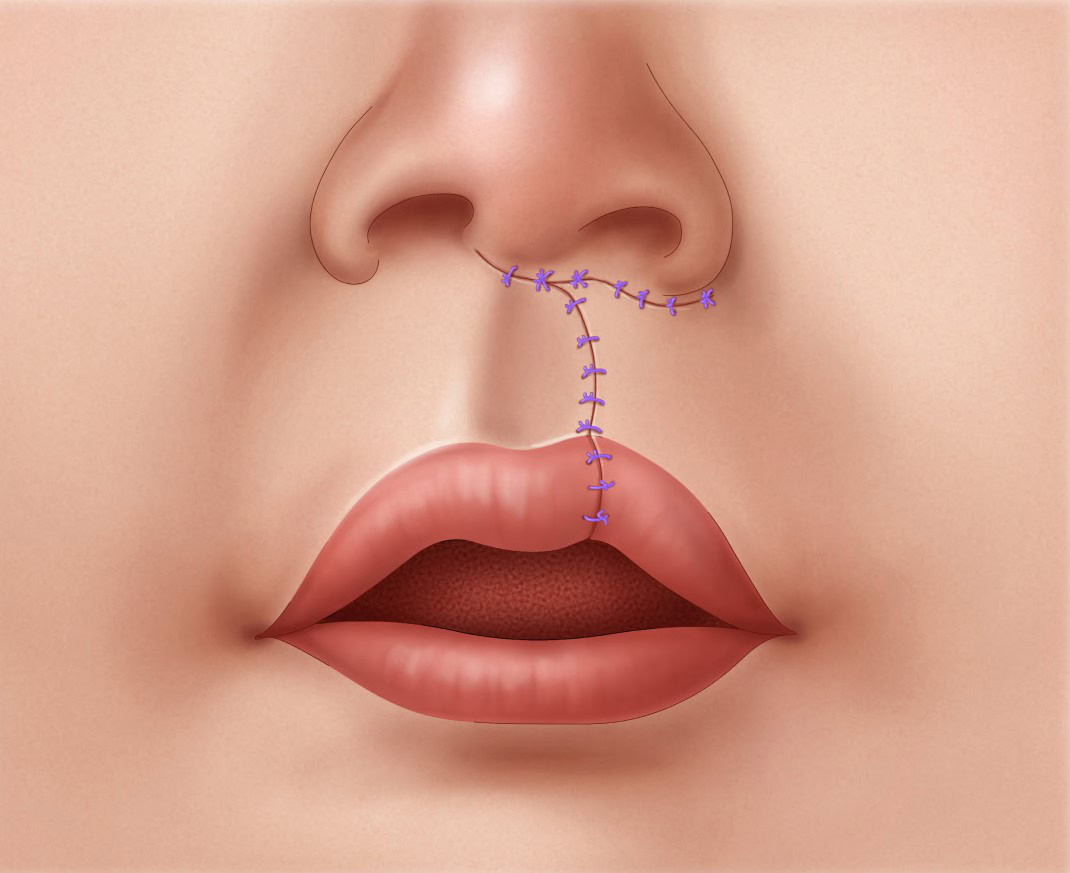
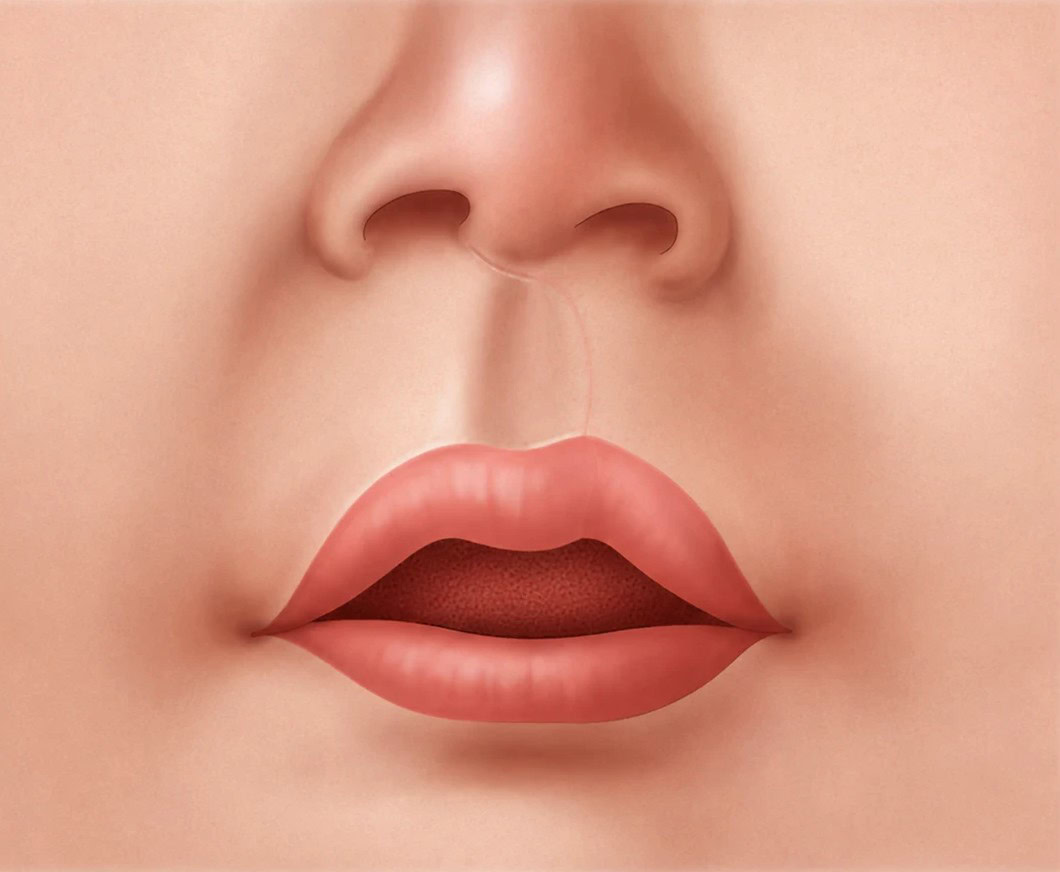
In a Millard rotation-advancement repair, the tissues of the lip are rotated and advanced into a more natural position, allowing the lip to be reconstructed with improved shape and length. The underlying muscles are repaired to restore normal function, and the nasal tissues are repositioned to improve symmetry. Incisions are placed along the natural contours of the philtrum whenever possible, helping the scar blend more naturally as it heals.
Timeline for Unilateral Cleft Lip Repair
Before & After Gallery
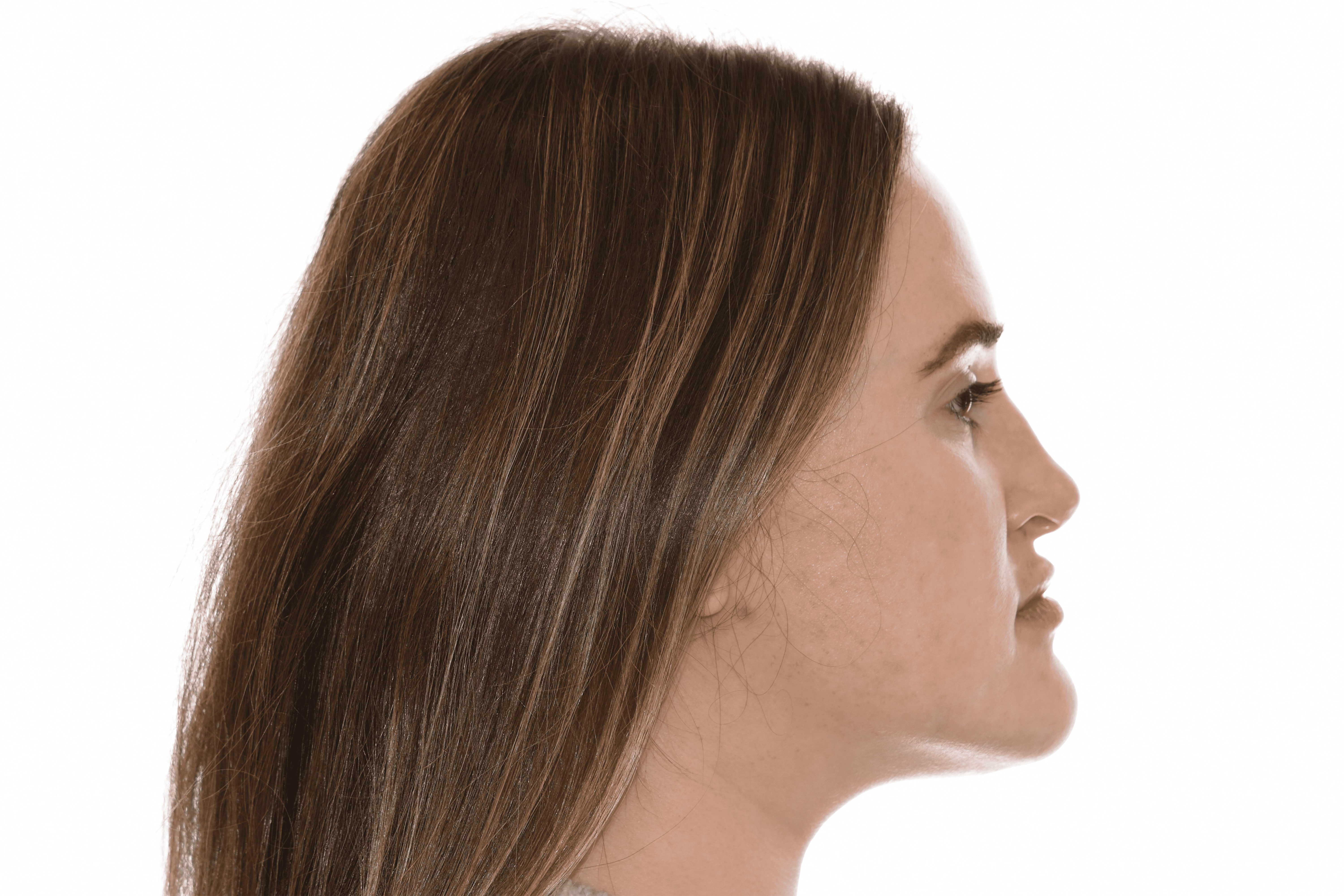
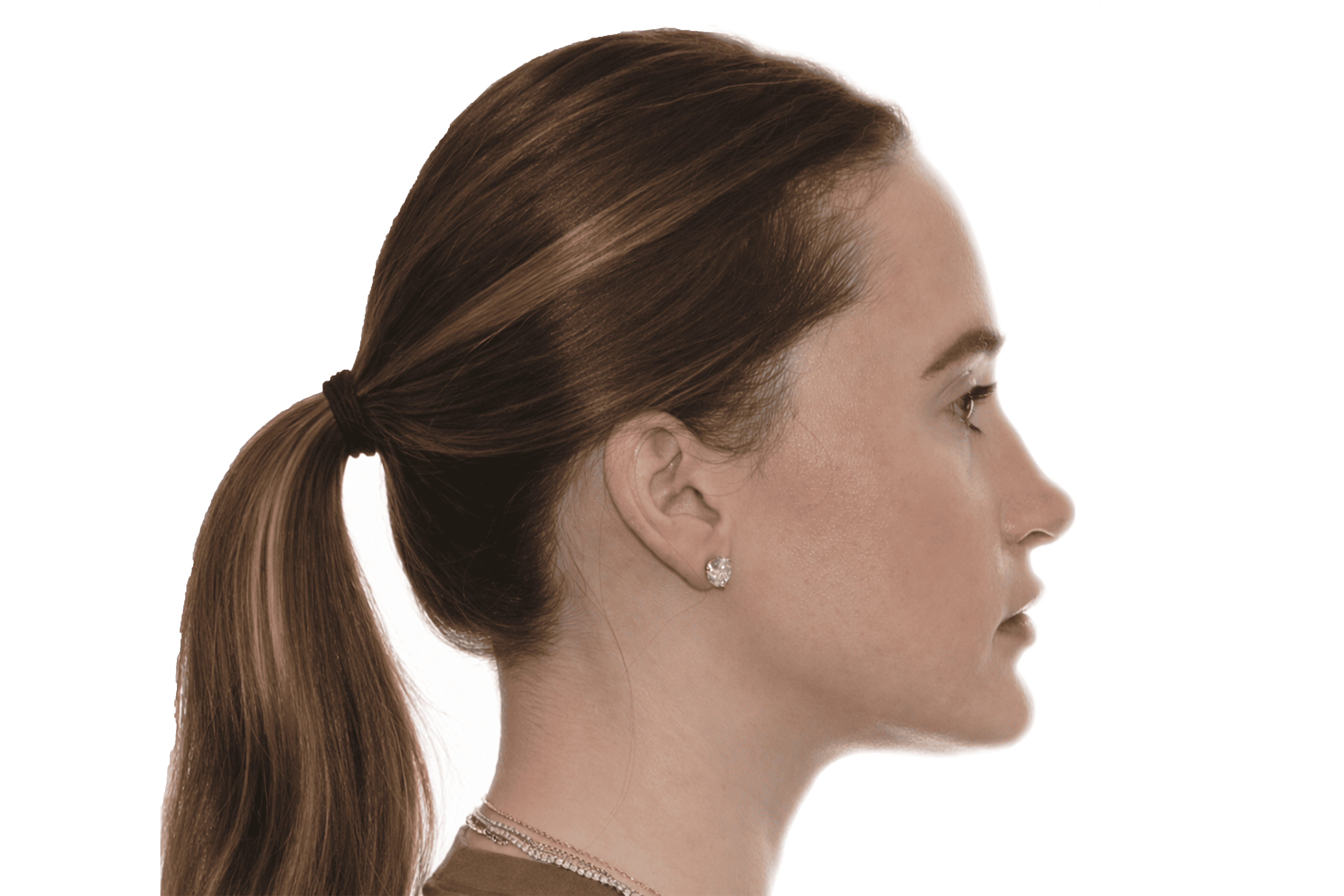
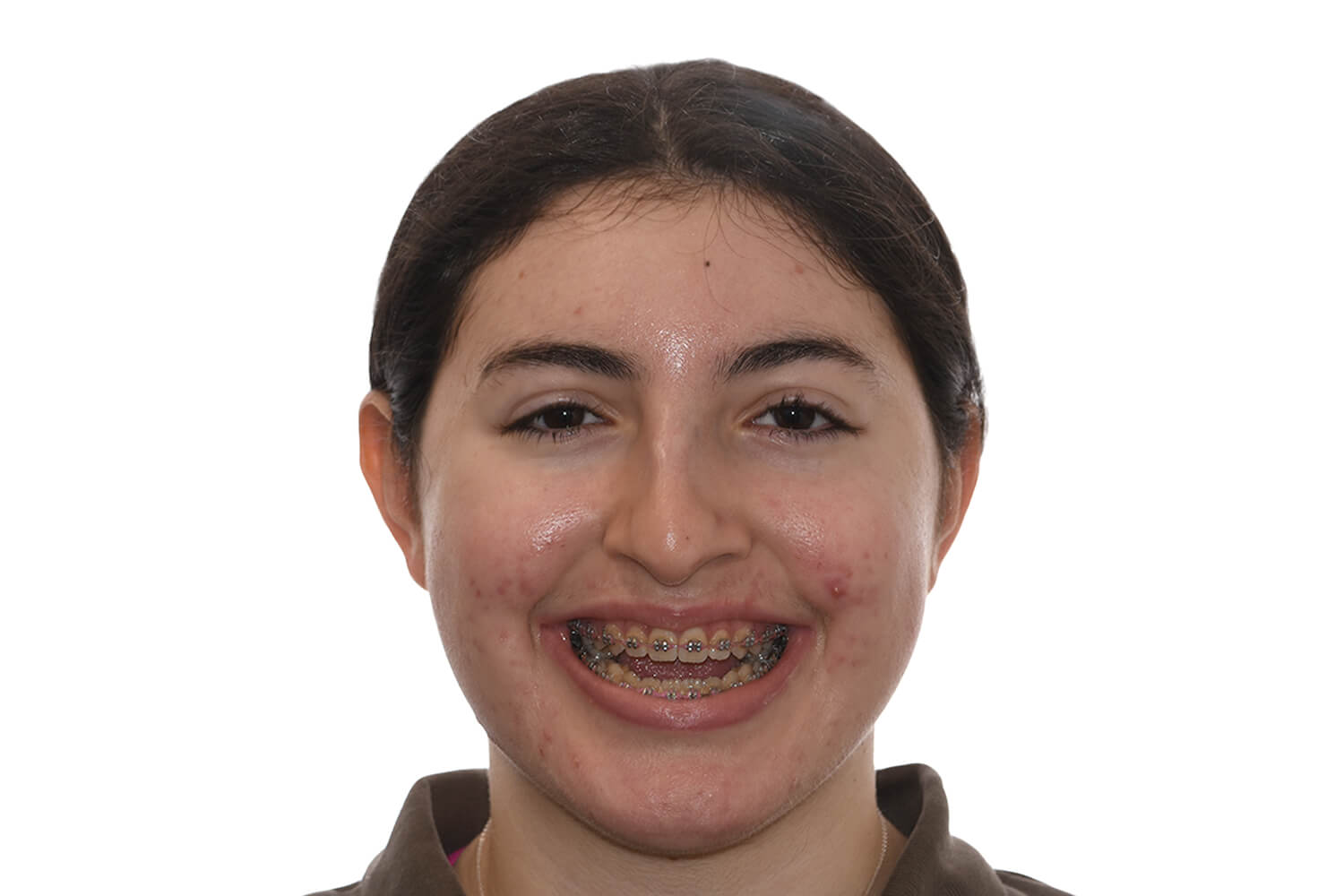
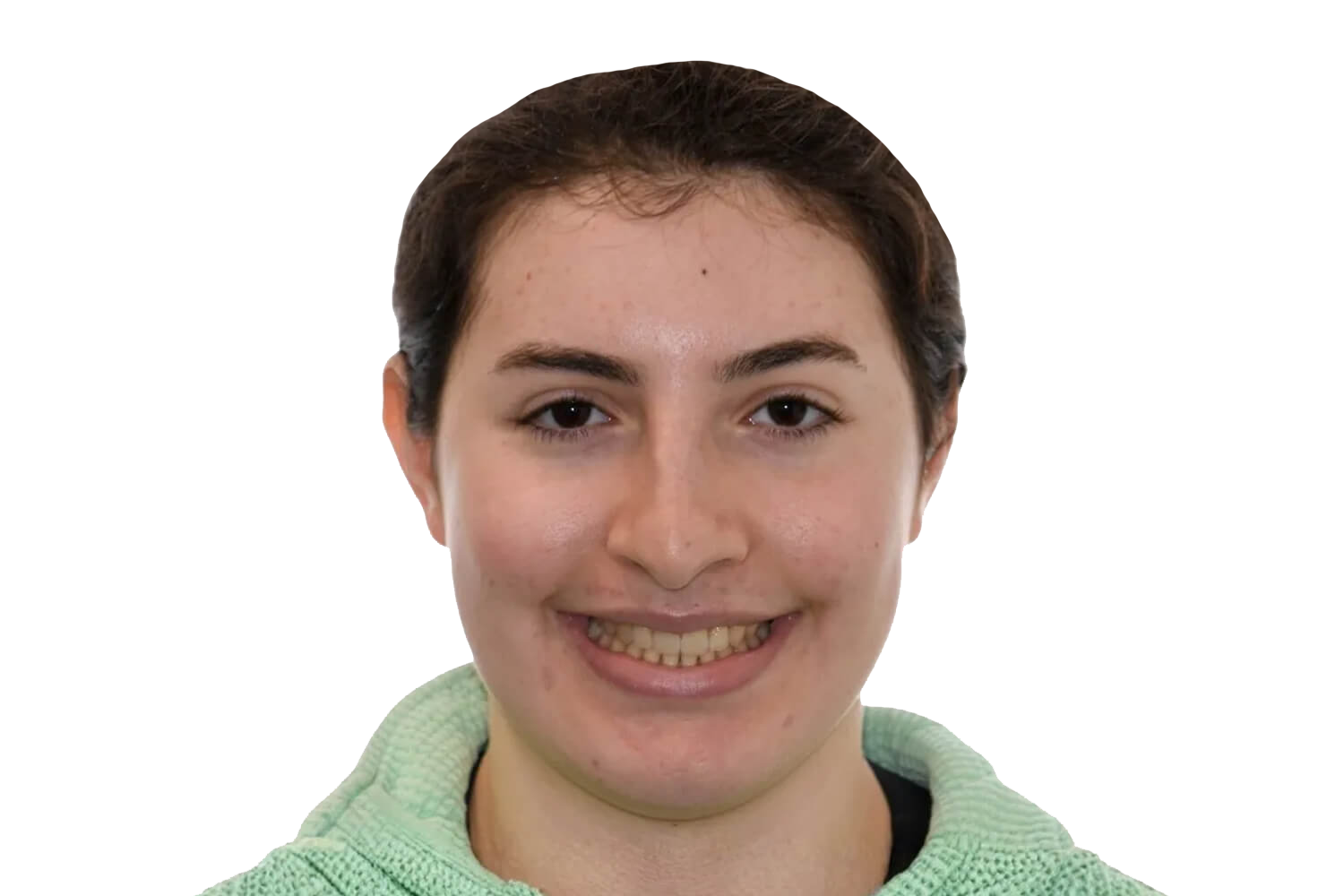
Recovery
Following unilateral cleft lip repair, recovery focuses on healing, feeding, and early return to normal routines with close monitoring.
First Week
Early Healing
Week 2–3
Initial Recovery
Months 1–3
Scar Maturation
Months 3–12
Long-Term Healing
What to Expect After Unilateral Cleft Lip Repair
Most children return quickly to normal routines with steady improvement.

Risks & Possible Complications

An experienced team and close follow-up care help maximize the likelihood of optimal outcomes.
Unilateral Cleft Lip Repair requires precise surgical judgment, specialized training, and familiarity with the anatomical and functional nuances of this procedure. Outcomes depend heavily on the surgeon's experience, technique, and ability to anticipate and manage the full range of possible findings. Surgeons who perform this procedure regularly are typically better positioned to achieve consistent, safe results.
In a private practice setting, care is often more streamlined and consistent, with the same surgeon closely involved in evaluation, treatment planning, surgery, and follow-up.
In academic or hospital-based settings, care may involve a larger team that can include residents or fellows participating under supervision. Both models can provide excellent care, but the structure and continuity of treatment may feel different. At our center, your care is delivered directly by your surgeon — not by residents, fellows, or surgeons in training.
It is important to understand who is performing each part of your procedure. In some settings, the attending surgeon performs all critical portions, while in others trainees may assist or participate under supervision. This should be discussed clearly in advance. At our center, your surgeon performs all critical portions of the procedure.
Depending on the treatment setting, residents, fellows, or students may be involved in aspects of care. Patients should feel comfortable asking about their role and how care is supervised.
At our center, there are no residents or fellows involved in performing surgery.
Post-operative follow-up is an important part of surgical care. At our center, your surgeon personally follows you through recovery and any additional visits required.
At our center, your surgeon is directly involved at every stage — from the initial consultation and treatment planning through surgery, post-operative visits, and long-term follow-up.
A unilateral cleft lip is a congenital gap in the upper lip on one side that occurs when the lip tissue does not fully fuse during early fetal development. It may range from a small notch at the lip border to a complete cleft extending through the lip into the nostril. The nose on the affected side is typically also involved and is addressed at the time of lip repair.
Repair involves carefully realigning and joining the tissue layers of the lip to create a continuous, symmetric lip with improved shape and function. The specific surgical technique used — most commonly a rotation-advancement repair — is chosen based on the anatomy of the individual cleft. The nose on the affected side is also repositioned and shaped at the time of repair.
Repair is typically performed at around three to five months of age, when the infant is growing well and considered a safe anesthetic candidate. The timing may vary slightly depending on the infant's overall health and the surgeon's approach.
Surgical repair leaves a scar in the philtrum of the lip, placed to align with the natural lines of the upper lip to minimize its appearance. Scars continue to mature and fade over one to two years. Many patients eventually achieve a very natural-looking result. Revision surgery may be performed later in childhood if refinement is desired.
Yes. The nasal deformity associated with unilateral cleft lip — including asymmetry of the nostril, nasal tip, and nasal base — is addressed at the time of lip repair through repositioning of the nasal cartilages and soft tissue. Additional nasal refinement may be planned later once facial growth is more complete.
The procedure is performed under general anesthesia and typically takes one to two hours. Most infants are discharged the same day or after one overnight stay. Arm restraints may be used briefly after surgery to prevent the infant from touching the repair while it heals.
Swelling and bruising around the lip and nose are expected and resolve over the first one to two weeks. Feeding modifications are advised immediately after surgery, and families are given specific guidance on how to feed safely during the early healing period. Most infants recover well and are comfortable within a few days.
Some children benefit from revision surgery later in childhood or adolescence to refine lip symmetry, scar appearance, or nasal shape as the face grows. The need for and timing of any future procedures is discussed at follow-up visits as the child develops.
Yes. We regularly care for patients traveling from outside the region for unilateral cleft lip repair.
Most patients undergoing unilateral cleft lip repair are discharged after one overnight stay and are recovering well. Out-of-town patients should plan to remain locally for approximately one week primarily to attend their first post-operative visit, at which the surgeon examines healing, addresses any questions, and clears the patient for travel home. Because this procedure is performed on infants, the post-operative visit is particularly important to confirm feeding, healing, and overall recovery before the family travels home.
Ground travel home is generally appropriate shortly after the first post-operative visit, once the surgeon has confirmed healing is on track. Air travel is generally cleared at approximately 7–10 days after surgery. Flying is approved somewhat later than driving because cabin pressure changes at altitude are a consideration during early healing. Your surgeon will confirm both clearances at the post-operative visit.
Yes. After returning home, a second follow-up visit will be needed to monitor continued healing and recovery. Depending on what needs to be assessed, this visit may be conducted via telemedicine or may require an in-person return visit. Your surgeon will advise on the format and timing of this follow-up before you travel home.
The consultation at our center includes a thorough clinical examination, review of any imaging or prior records, and a detailed discussion of the surgical plan, expected outcomes, recovery timeline, and what follow-up will involve. Patients leave with a clear understanding of the procedure and what to expect before, during, and after surgery.