



Monobloc Facial Bipartition
Reshaping, Balancing, and Advancing the Forehead and Midface to Improve Breathing, Eye Support, and Facial Balance
What Is a Monobloc Facial Bipartition?
What Patients Find Most Helpful to Know About Monobloc Facial Bipartition

Two Surgical Options
The procedure can be performed a single-stage advancement or more gradually with distraction.

Timing Matters
Commonly performed at about 6–12 years of age to support growth and function.

Comprehensive Correction
Addresses the forehead, eye position, and midface together in one procedure.

Airway Improvement
Increases airway space for improved breathing.


Improved eye spacing and orbital alignment
Enhanced midface projection and symmetry

Better airway and chewing function


Long-term skeletal stability

Improved facial proportion and aesthetics
Reduced need for additional staged procedures

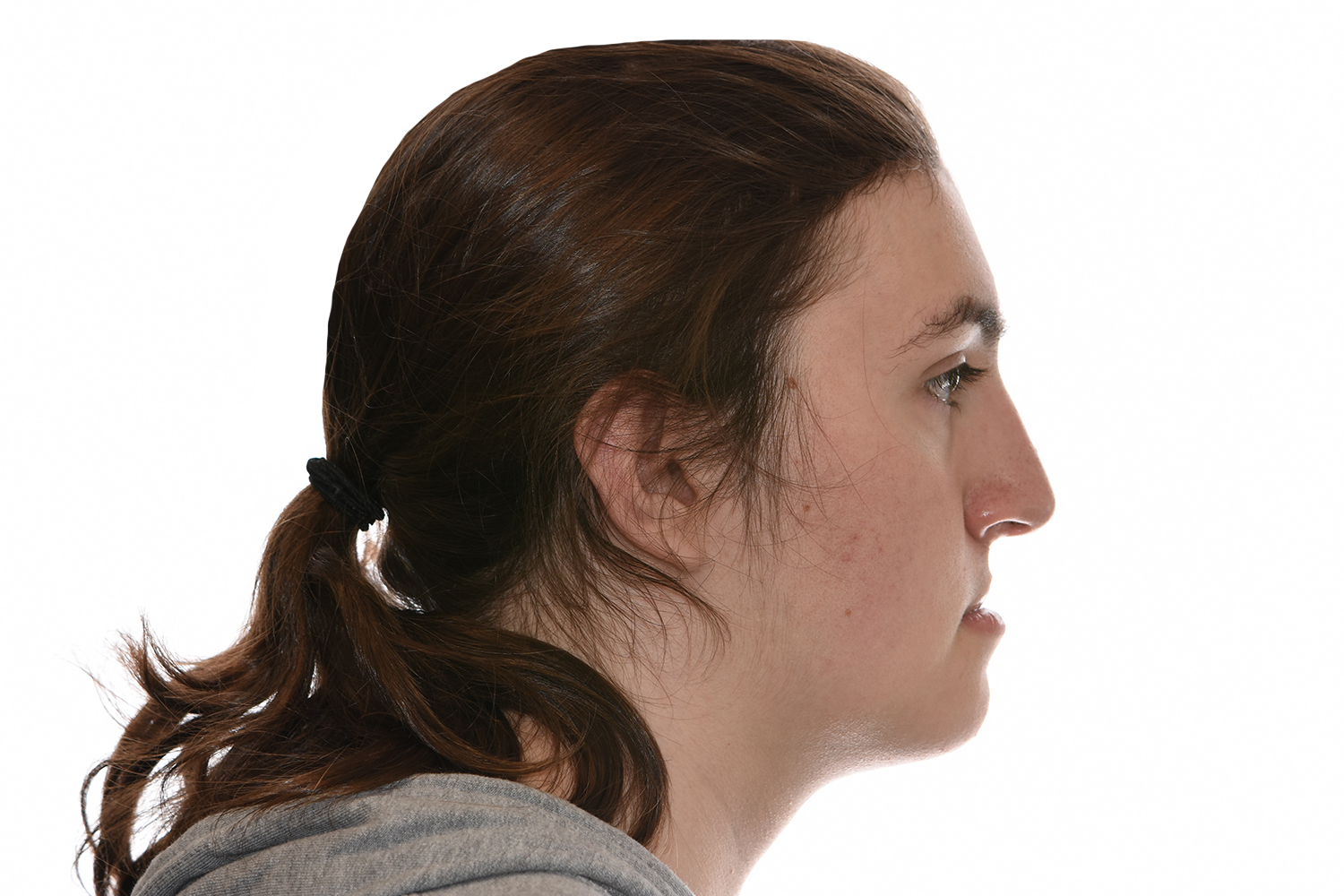
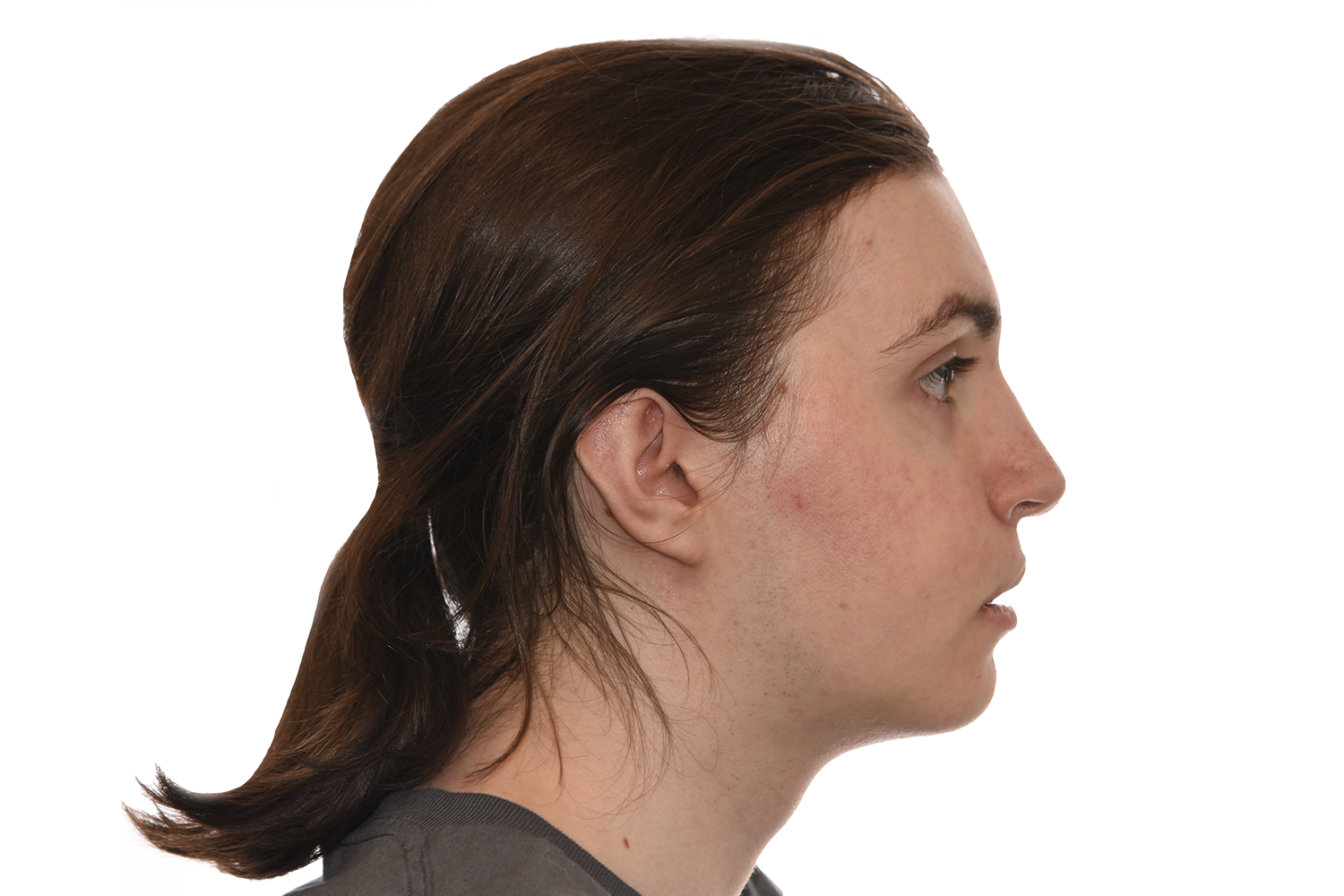
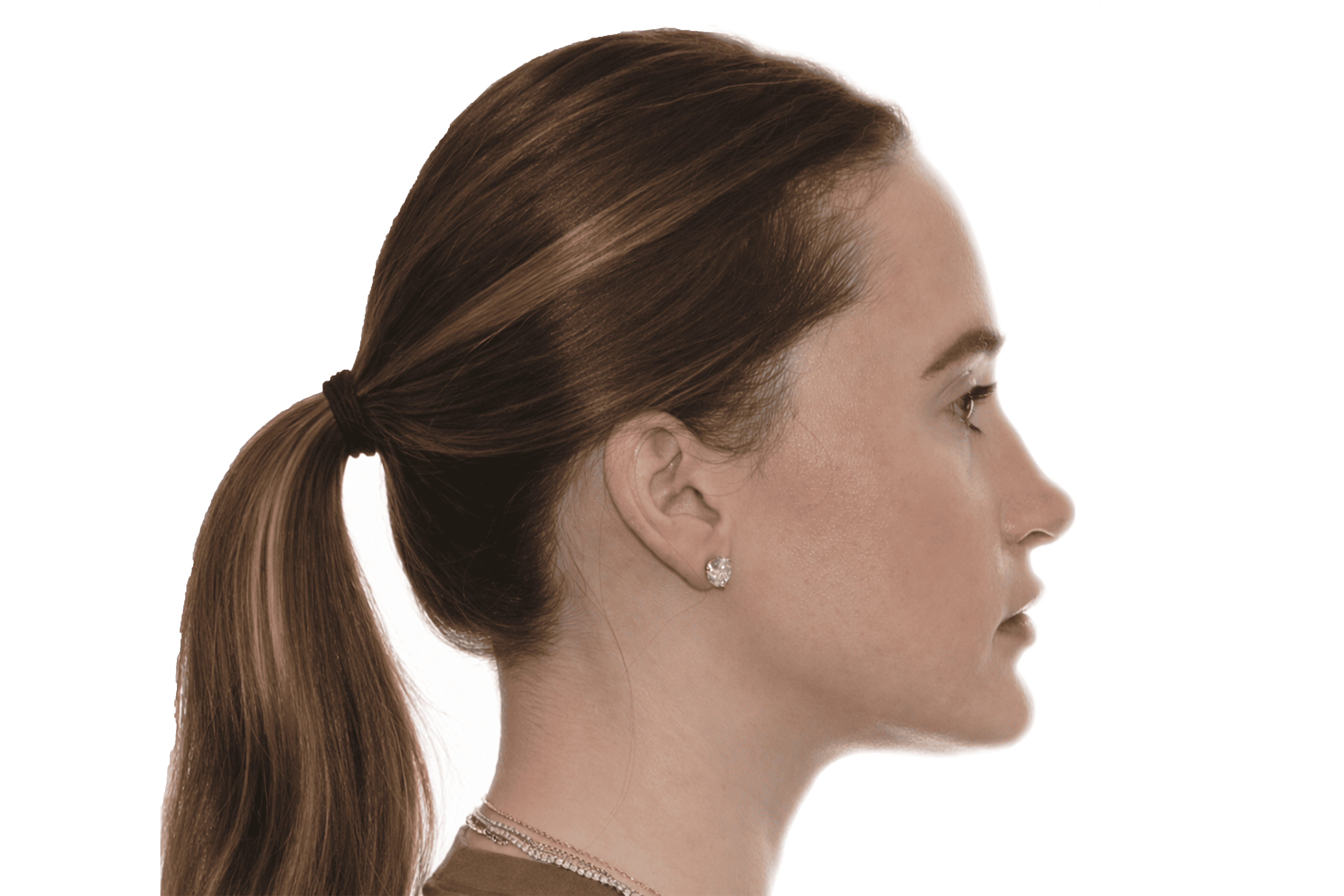
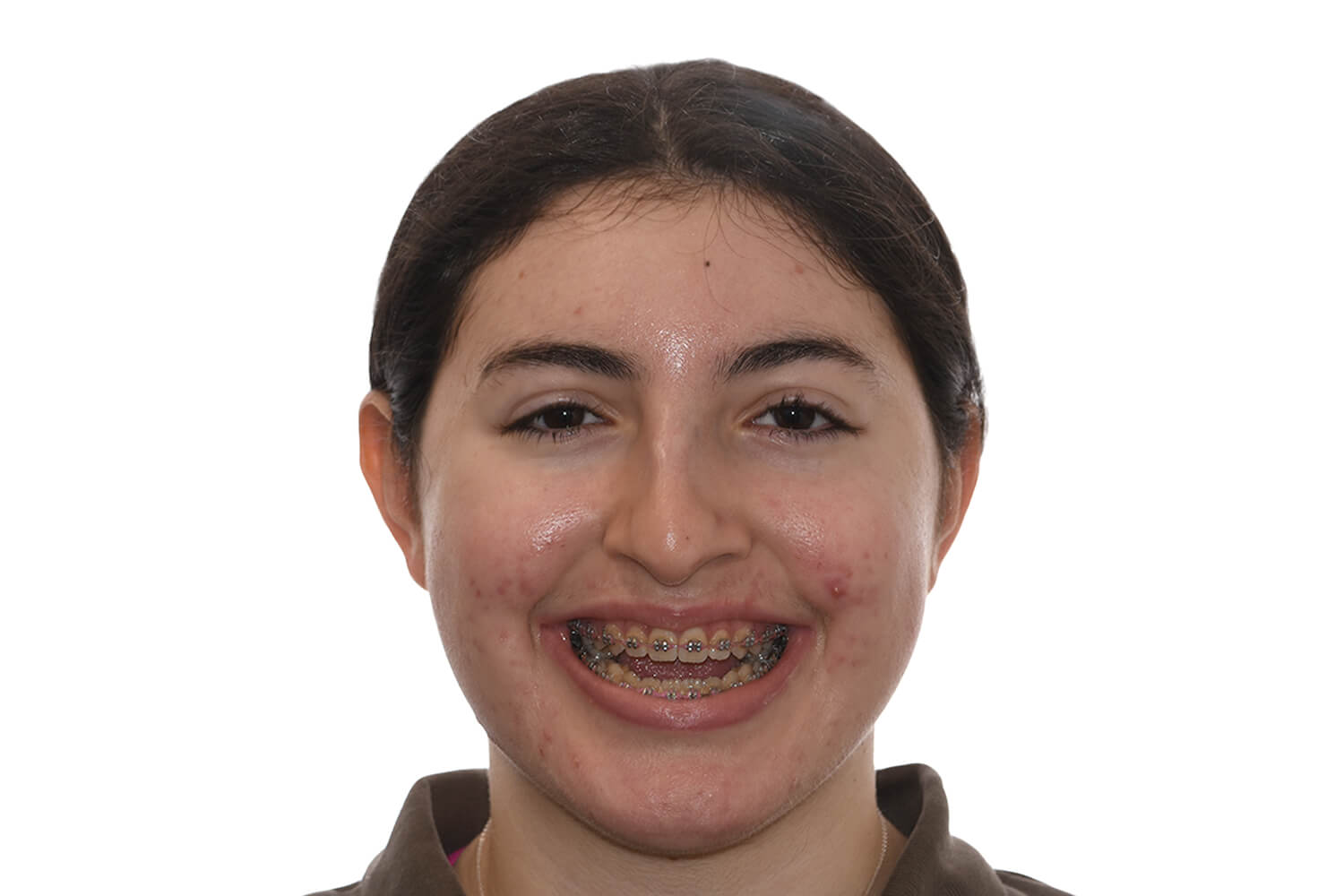
Before & After Gallery


Timeline For Monobloc Facial Bipartition
What to Expect After Monobloc Facial Bipartition
Most patients experience steady improvement and long-term stability with proper post-operative care.

Risks & Possible Complications

An experienced team and close follow-up care help maximize the likelihood of optimal outcomes.
Monobloc Facial Bipartition requires precise surgical judgment, specialized training, and familiarity with the anatomical and functional nuances of this procedure. Outcomes depend heavily on the surgeon's experience, technique, and ability to anticipate and manage the full range of possible findings. Surgeons who perform this procedure regularly are typically better positioned to achieve consistent, safe results.
In a private practice setting, care is often more streamlined and consistent, with the same surgeon closely involved in evaluation, treatment planning, surgery, and follow-up.
In academic or hospital-based settings, care may involve a larger team that can include residents or fellows participating under supervision. Both models can provide excellent care, but the structure and continuity of treatment may feel different. At our center, your care is delivered directly by your surgeon — not by residents, fellows, or surgeons in training.
It is important to understand who is performing each part of your procedure. In some settings, the attending surgeon performs all critical portions, while in others trainees may assist or participate under supervision. This should be discussed clearly in advance. At our center, your surgeon performs all critical portions of the procedure.
Depending on the treatment setting, residents, fellows, or students may be involved in aspects of care. Patients should feel comfortable asking about their role and how care is supervised.
At our center, there are no residents or fellows involved in performing surgery.
Post-operative follow-up is an important part of surgical care. At our center, your surgeon personally follows you through recovery and any additional visits required.
At our center, your surgeon is directly involved at every stage — from the initial consultation and treatment planning through surgery, post-operative visits, and long-term follow-up.
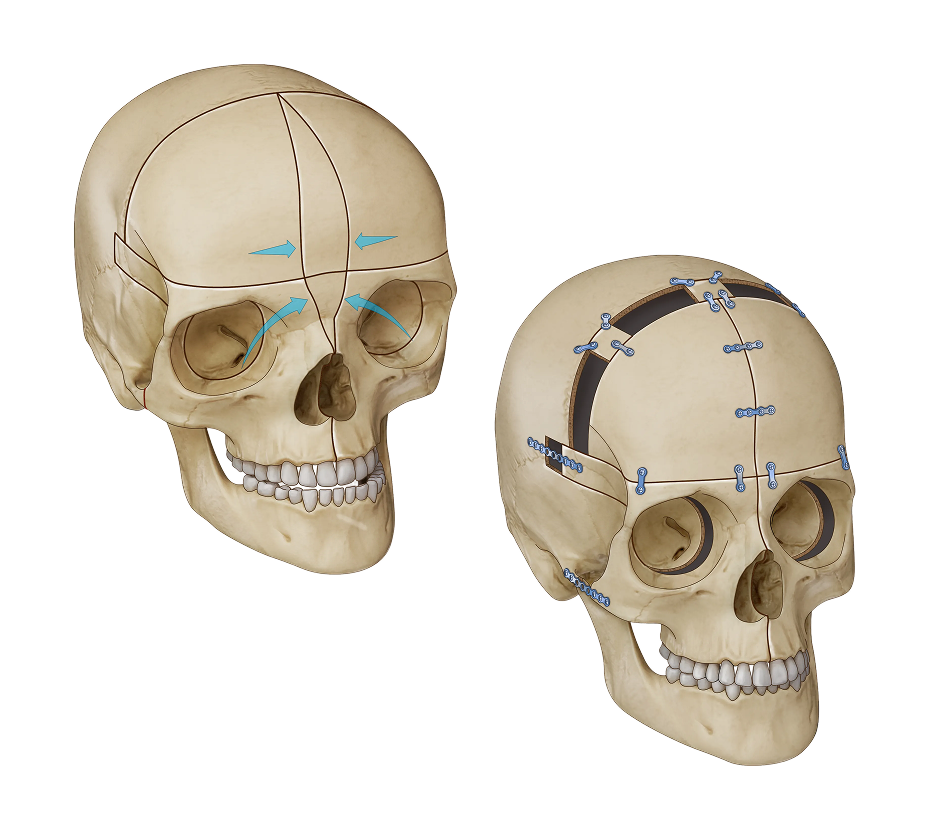
Monobloc facial bipartition is an advanced craniofacial procedure that combines the principles of monobloc advancement with a vertical division of the midface into two halves, which are then rotated inward toward the midline. It is used in patients with hypertelorism — widely spaced orbits — in addition to midface retrusion, and allows simultaneous correction of both the orbital spacing and the midface position in a single operation.
Standard monobloc advancement moves the entire fronto-facial unit forward as one piece. Facial bipartition goes further by splitting the midface vertically along the midline and rotating each half medially to reduce the distance between the orbits, narrowing the inter-orbital distance while simultaneously advancing the face. It is a more complex modification of monobloc surgery reserved for patients with the combination of hypertelorism and midface retrusion.
Facial bipartition is most commonly used in patients with Apert syndrome, where hypertelorism and midface retrusion are frequently combined, and in other syndromic craniosynostosis presentations where orbital widening is a significant component of the facial deformity.
Like monobloc advancement, facial bipartition can be performed acutely — moving the facial segments to their final position in one operation — or using distraction osteogenesis to gradually advance and reposition the segments over several weeks. Distraction is commonly preferred for larger movements given the complexity of the tissues involved and the benefits of gradual advancement.
Yes. Facial bipartition involves all of the complexity of monobloc advancement with the additional step of dividing and rotating the midface segments. It is among the most technically demanding procedures in craniofacial surgery and is performed at centers with specific expertise in complex craniofacial reconstruction. Close collaboration between the craniofacial and neurosurgical teams is essential.
The procedure is performed under general anesthesia through a coronal scalp incision and intraoral incisions. After mobilizing the fronto-facial unit in the manner of a monobloc procedure, the midface is divided along the midline and each half is repositioned to reduce the inter-orbital distance. The segments are secured with titanium fixation, or a distraction device is attached when the distraction approach is used. A blood transfusion is typically required. The procedure takes several hours.
Recovery involves extensive swelling of the forehead, orbits, and midface. Marked periorbital swelling is expected in the early post-operative days. Close inpatient monitoring is essential. Most patients are hospitalized for three to five days after the acute procedure. Recovery and swelling resolution occur over weeks to months, and final results are appreciated fully over several months to a year.
Yes. As with monobloc advancement, osteotomies adjacent to the intracranial space carry a risk of pneumocephalus — air entering the cranial vault during surgery. Flying clearance after facial bipartition follows the same conservative approach as for monobloc, requiring imaging confirmation of intracranial air resolution before air travel is approved.
Yes. We regularly care for families traveling from outside the region for monobloc facial bipartition surgery.
Monobloc facial bipartition requires among the longest and most carefully managed local stays of any craniofacial procedure. After the acute procedure, families should plan for a minimum local stay of approximately two to three weeks. The hospital stay is three to five days, followed by close outpatient monitoring of intracranial pressure, orbital healing, airway status, and overall recovery. For facial bipartition with distraction, families must remain locally through the entire active distraction phase and return for device removal after consolidation. Given the complexity of this procedure, timelines are individualized and discussed in detail with families well before surgery so that all planning and accommodations can be arranged in advance.
Yes, for the same reason as monobloc advancement. Pneumocephalus from osteotomies adjacent to the intracranial space means that air travel is not cleared until imaging has confirmed resolution of any intracranial air. Flying is typically cleared at approximately two to three weeks or later based on imaging, and your surgeon will advise specifically on when flying is safe. Families should plan their return travel with this in mind from the outset.
Yes. Long-term follow-up is an essential part of post-bipartition care and includes monitoring of intracranial pressure, orbital spacing and vision, facial growth, airway, and the overall surgical result. Additional procedures may be planned in later years depending on growth and development. Some follow-up may be conducted via telemedicine, while key in-person visits are required at defined intervals. Your surgeon will outline the complete follow-up plan before the family travels home.
The consultation includes a thorough craniofacial, orbital, and airway assessment, imaging review including three-dimensional analysis of orbital spacing and midface anatomy, neurosurgical input, and a detailed discussion of the acute versus distraction approach, recovery expectations, the local stay, flying considerations, and long-term follow-up. Families leave with a comprehensive understanding of this major procedure and what each phase of care will involve.