

Happy woman with curly hair smiling, wearing a striped shirt and necklace.

BSSO

Correcting Lower Jaw Position to Restore Function, Balance, and Aesthetics

What Is A Bilateral Sagittal Split Osteotomy (BSSO)?
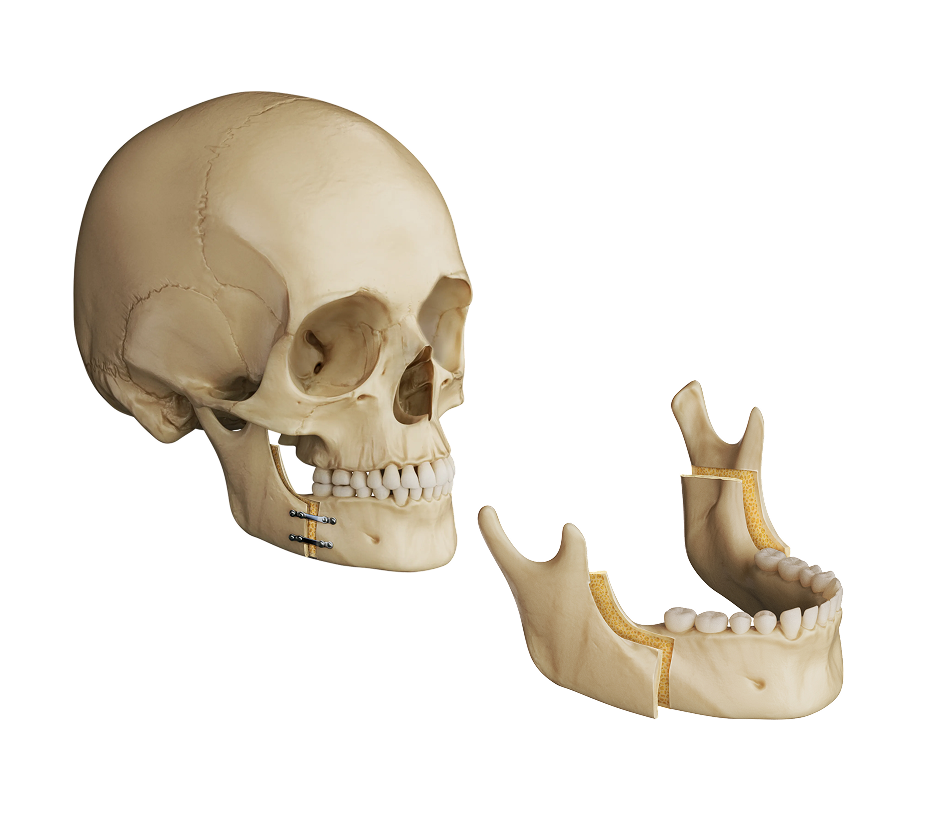
Understanding the BSSO Procedure

A Bilateral Sagittal Split Osteotomy (BSSO) is a precise surgical procedure used to reposition the lower jaw to improve bite alignment, facial balance, and jaw function. The procedure can move the lower jaw forward, backward, upward, downward, or correct asymmetry, depending on the patient’s underlying skeletal concerns. It is commonly performed to treat underbites, overbites, open bites, facial asymmetry, and other jaw discrepancies that cannot be corrected with orthodontics alone.

While orthodontics repositions the teeth, BSSO corrects the foundation of the bite: the jaw itself. By addressing the underlying skeletal imbalance, the procedure can provide lasting improvements in facial harmony, bite function, and long term oral stability.

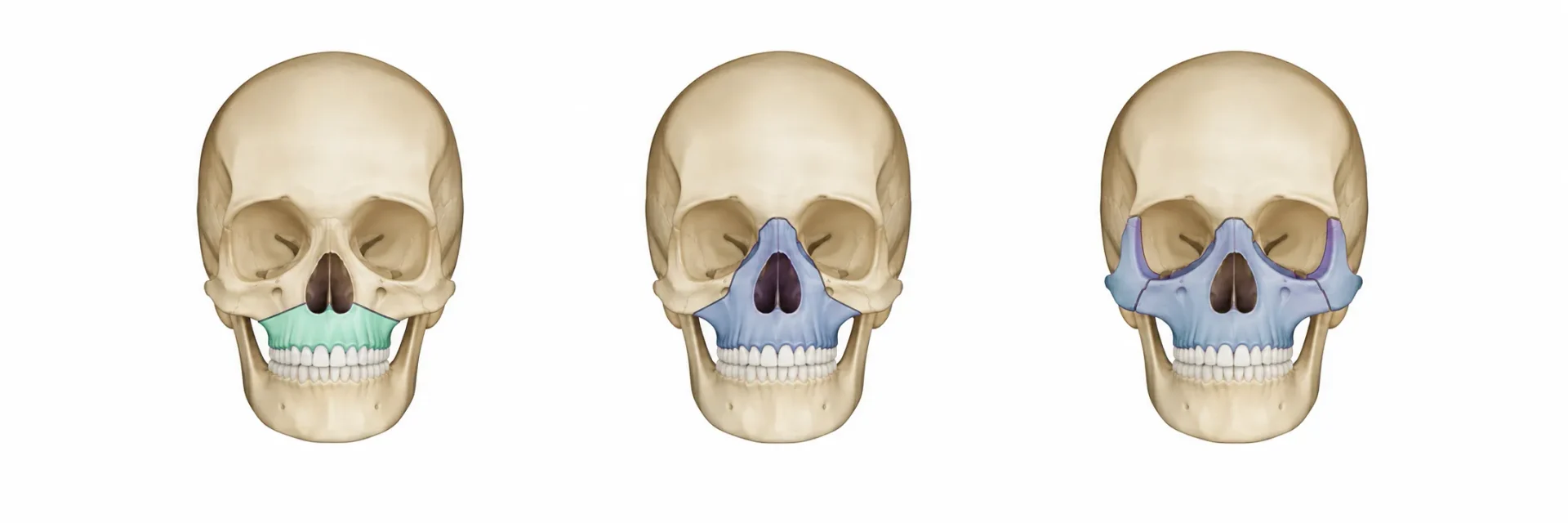
BSSO Surgical Illustration

What Patients Find Most Helpful To Know About the BSSO Procedure

Facial Feature Icon (13)

You won’t see your final look right away

The initial swelling improves within 1–2 weeks, but residual swelling can take 2–3 months to fully resolve.

Facial Feature Icon (11)

Numbness improves gradually

Many patients notice steady return of feeling across several months.

Facial Feature Icon (12)

The first week is the toughest

Healing becomes much easier after the first 7–10 days pass.

Facial Feature Icon (14)

Your jaws will not be wired shut

Titanium plates secure the bones, so wiring is usually unnecessary.

When Is A BSSO Performed?
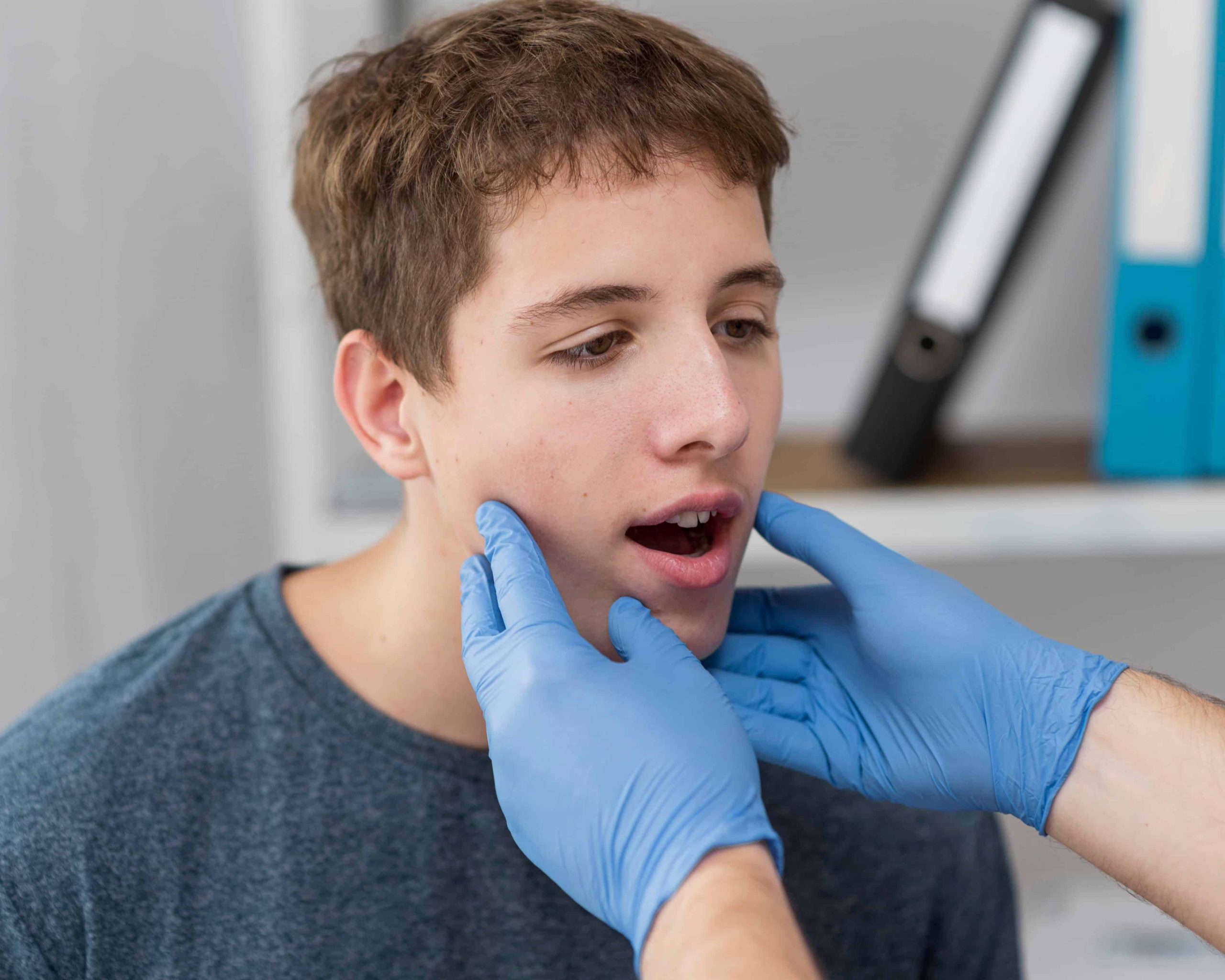
Young man getting facial surgery examination

Indications for BSSO Surgery

A BSSO is usually recommended when the lower jaw is not aligned properly with the upper jaw. This mismatch can be due to genetics, growth patterns, trauma, or developmental conditions. BSSO may be used to:

Correct an underbite (lower jaw too far forward)
Correct an overbite/open bite due to a small or retruded lower jaw
Improve chewing and biting when the teeth do not meet properly
Reduce jaw joint (TMJ) strain related to an imbalanced bite
Improve speech in some patients whose jaw position affects articulation
Enhance facial balance and profile when the lower jaw position affects appearance

Benefits Of BSSO

The goal is not just to change jaw position, but to improve function, comfort, and confidence in a way that lasts.
For the right patient, the benefits of bilateral sagittal split osteotomy can be significant:

Facial Feature Icon (19)

A more balanced and comfortable bite with improved chewing ability.

Facial Feature Icon (18)

Improved speech, with a reduction in lisping and abnormal sounds.

Facial Feature Icon (15)

Reduced daily strain placed on the teeth and jaw joints

Male in gray T-shirt smiling
Jaw Icon (5)

Facial balance and a profile that matches natural bone form

Facial Feature Icon (16)

Long-term stable results for improved oral-facial health

Facial Feature Icon (17)

Enhanced confidence and overall comfort in daily jaw function
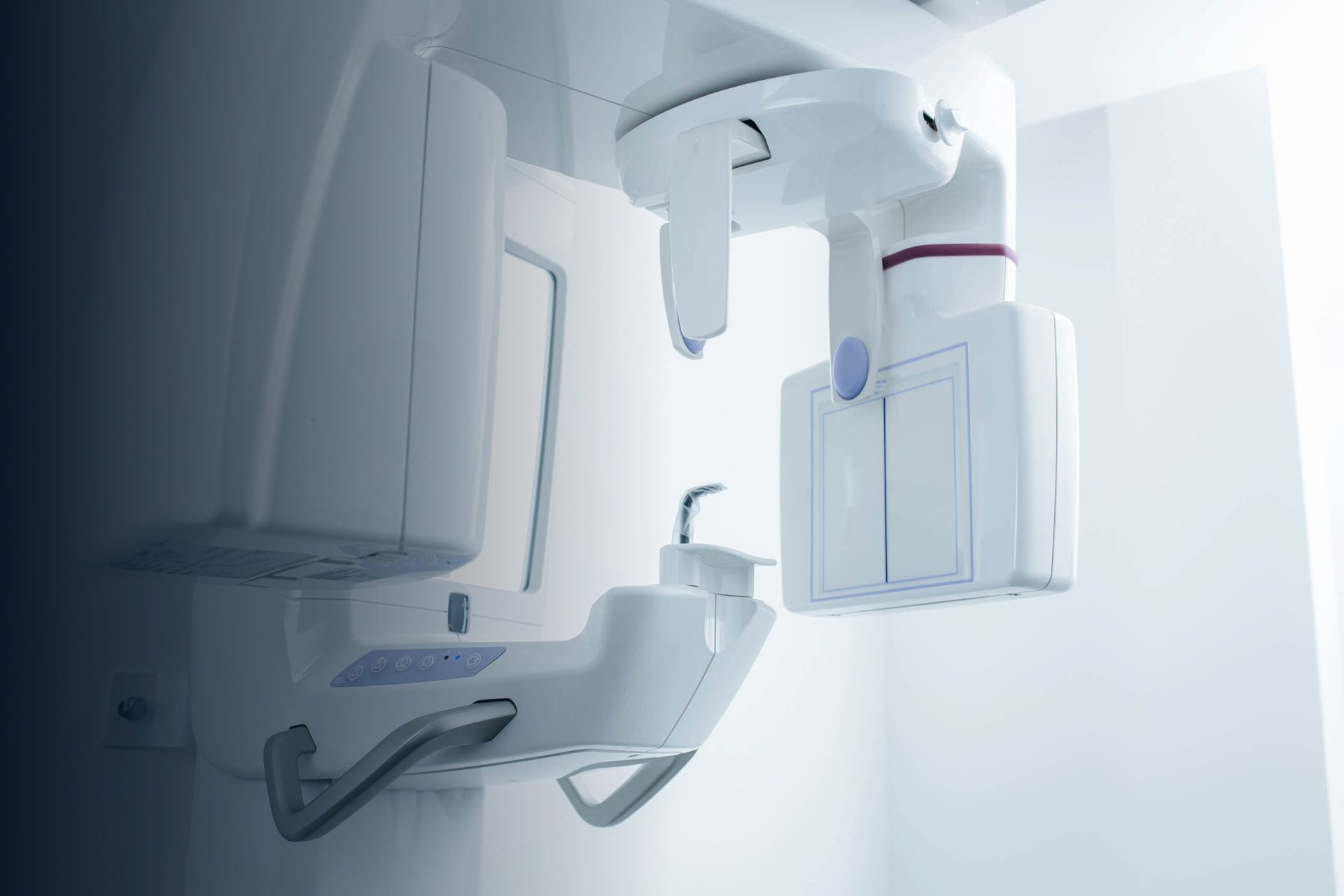
Virtual Surgical Planning

Precision-Guided Surgical Planning with 3D Analysis and Simulation.

Digital Records

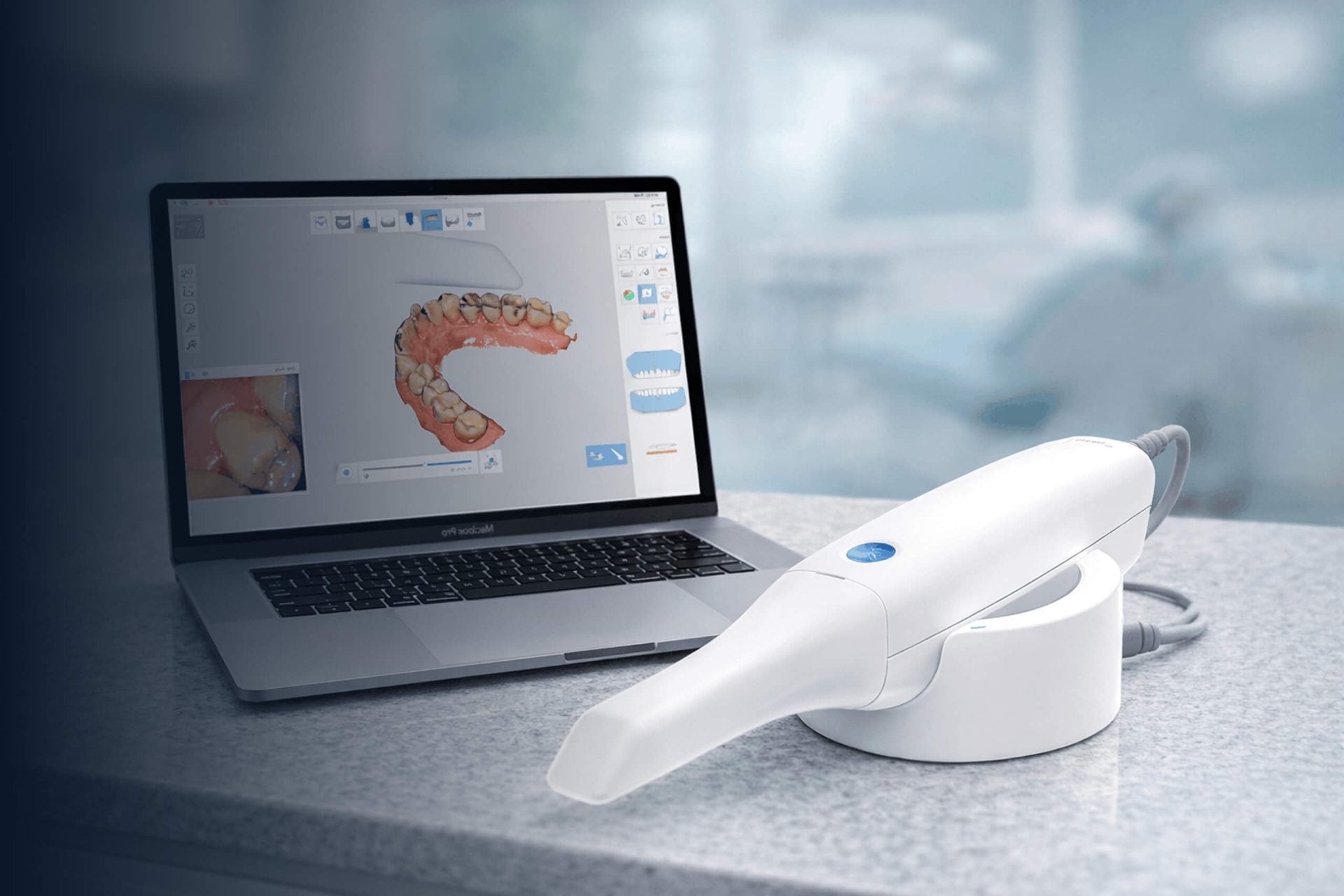
CBCT and intraoral scans capture bone and tooth anatomy, enabling sub-millimeter precision surgical planning.

0.1 mm Accuracy

Virtual Surgical Planning

Surgeons collaborate with biomedical engineers in real time to simulate and perfect the surgical plan, visualizing movements from every angle before surgery.

360° Simulation

Custom Surgical Splints

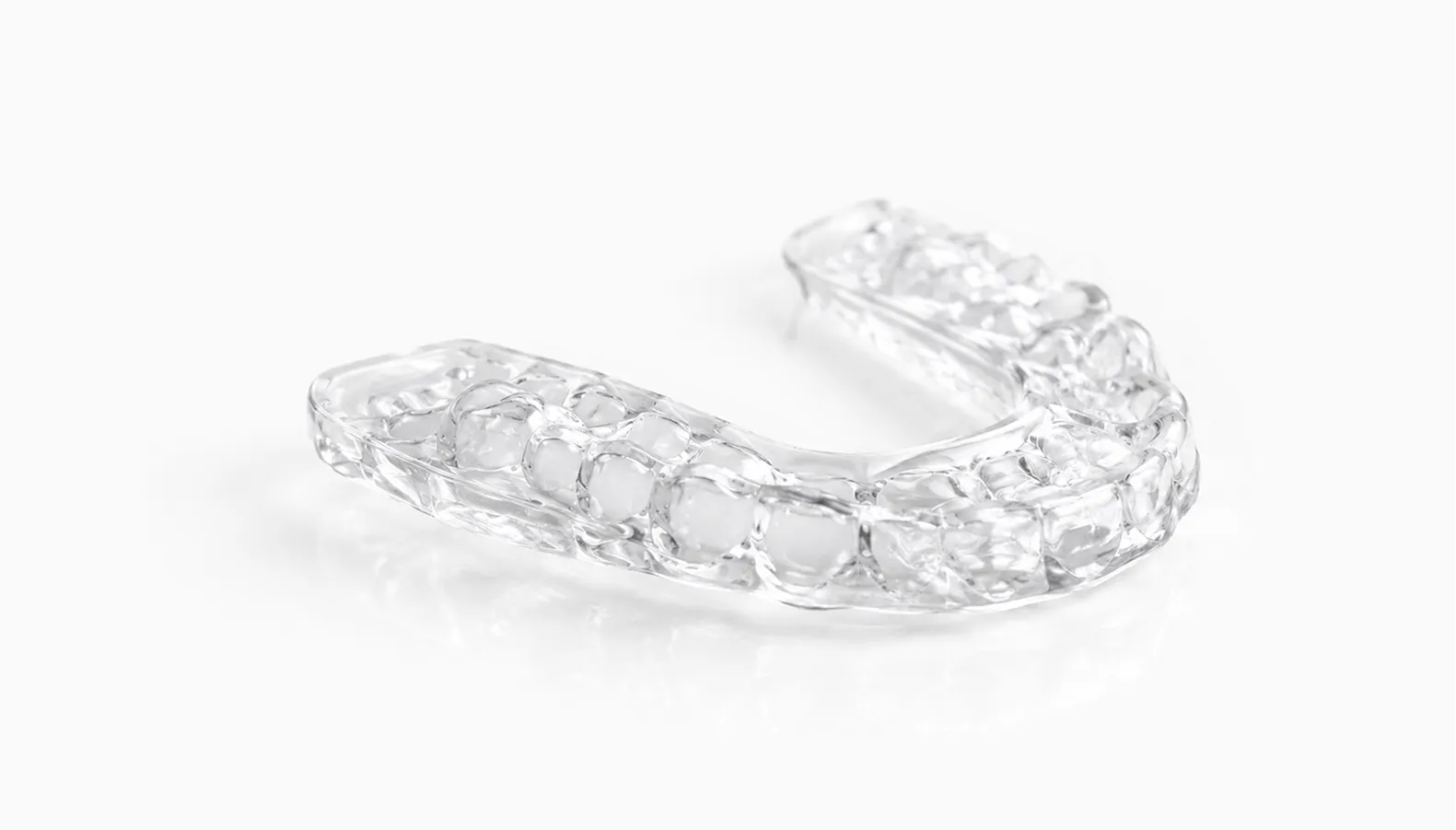
Patient-specific surgical splints guide the jaw into the exact planned position during surgery.
100% Custom Fit

Custom Cutting Guides

Custom osteotomy guides ensure bone cuts are made precisely as planned, maximizing accuracy.
<1mm Precision

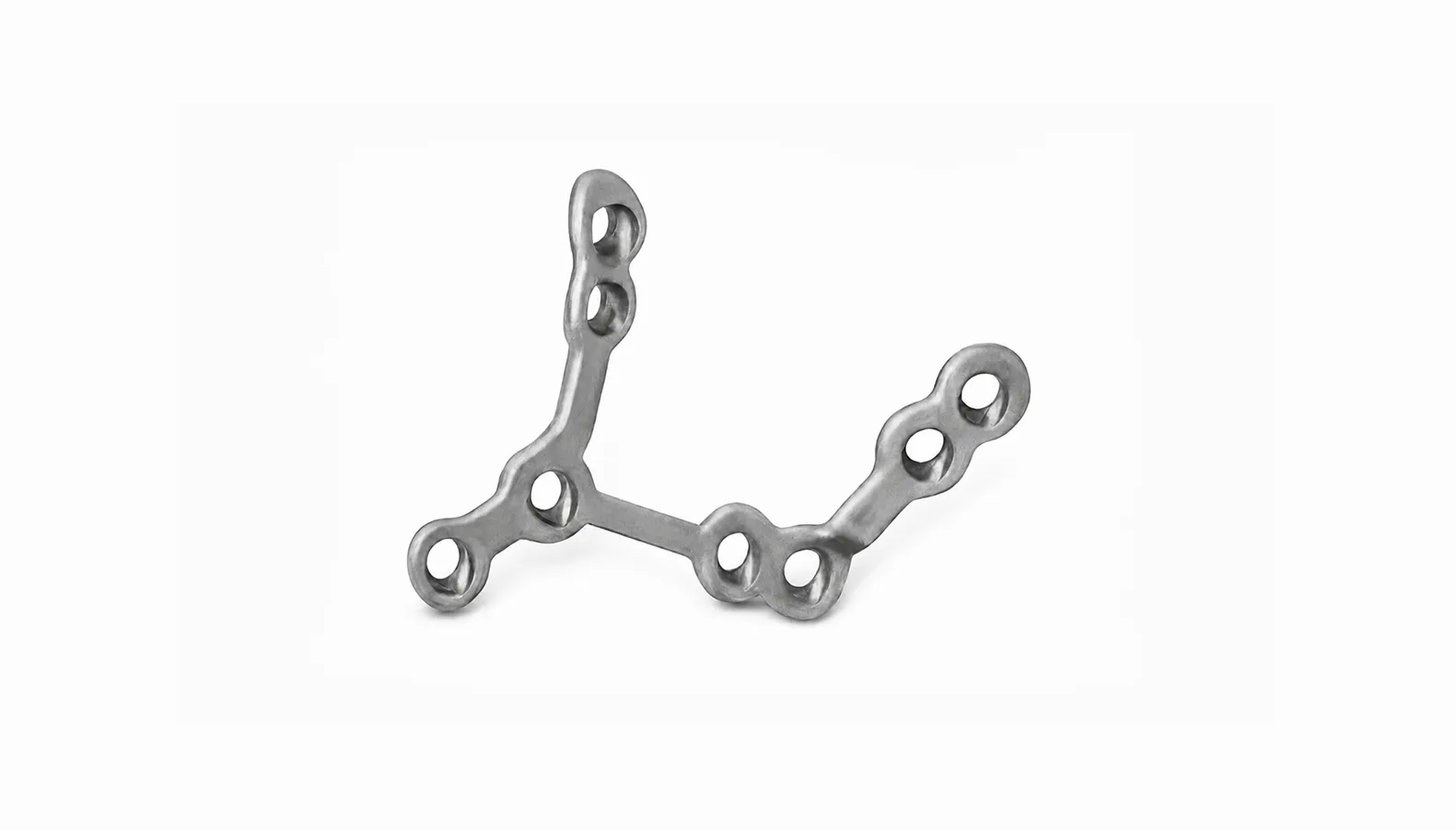
Custom Titanium Plates

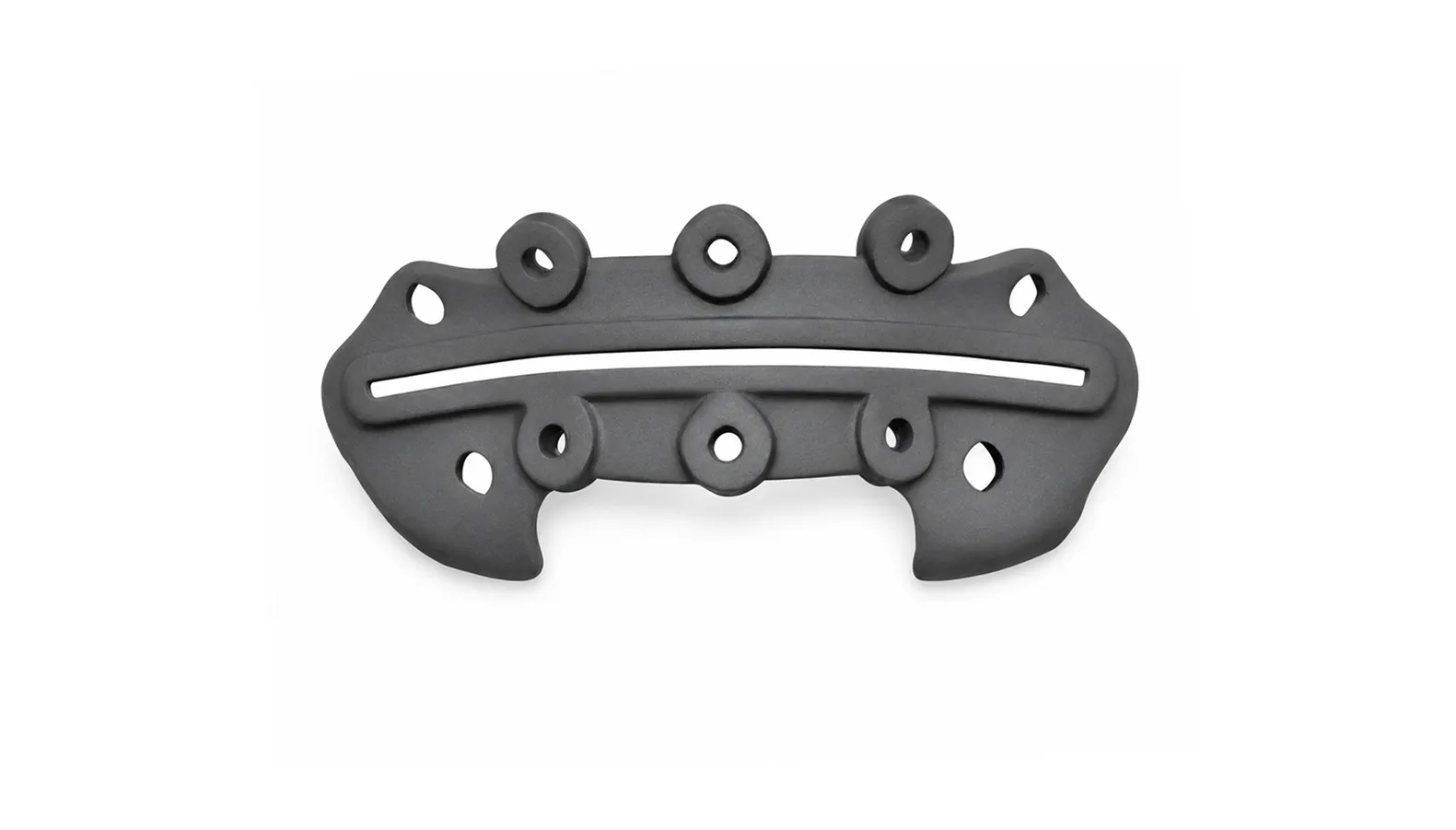
Patient-specific titanium fixation plates contoured to the patient’s anatomy for optimal stability and healing.
Ti-6Al-4V Medical Grade

How Is A BSSO Performed?

BSSO is performed in the operating room under general anesthesia, so you are completely asleep and comfortable.

Pretty Smiling Joyfully Female With Blonde hair

BSSO Surgery

Mandibular Advancement

Mandibular Advancement is performed to reposition the lower jaw forward, improving bite alignment, facial balance, and overall jaw function. During the procedure, the surgeon carefully separates the lower jaw bone, advances it to the planned position, and secures it with small titanium plates and screws for long-term stability. This treatment is commonly recommended for patients with a recessed lower jaw, underdeveloped chin projection, or obstructive sleep apnea related to jaw anatomy. By moving the mandible into proper alignment, mandibular advancement enhances chewing, speaking, breathing, and facial aesthetics while providing stable, long-lasting functional and cosmetic results.

Mandibular Setback

Mandibular Setback is performed to reposition the lower jaw backward, improving bite alignment, facial balance, and overall jaw function. During the procedure, the surgeon carefully separates the lower jaw bone, moves it into its planned position, and secures it with small titanium plates and screws for long-term stability. This treatment is commonly recommended for patients with an overly prominent lower jaw, severe underbite, or jaw misalignment that affects chewing, speaking, and facial appearance. By restoring proper jaw alignment and facial proportions, mandibular setback enhances function, improves aesthetics, and provides stable, long-lasting results.

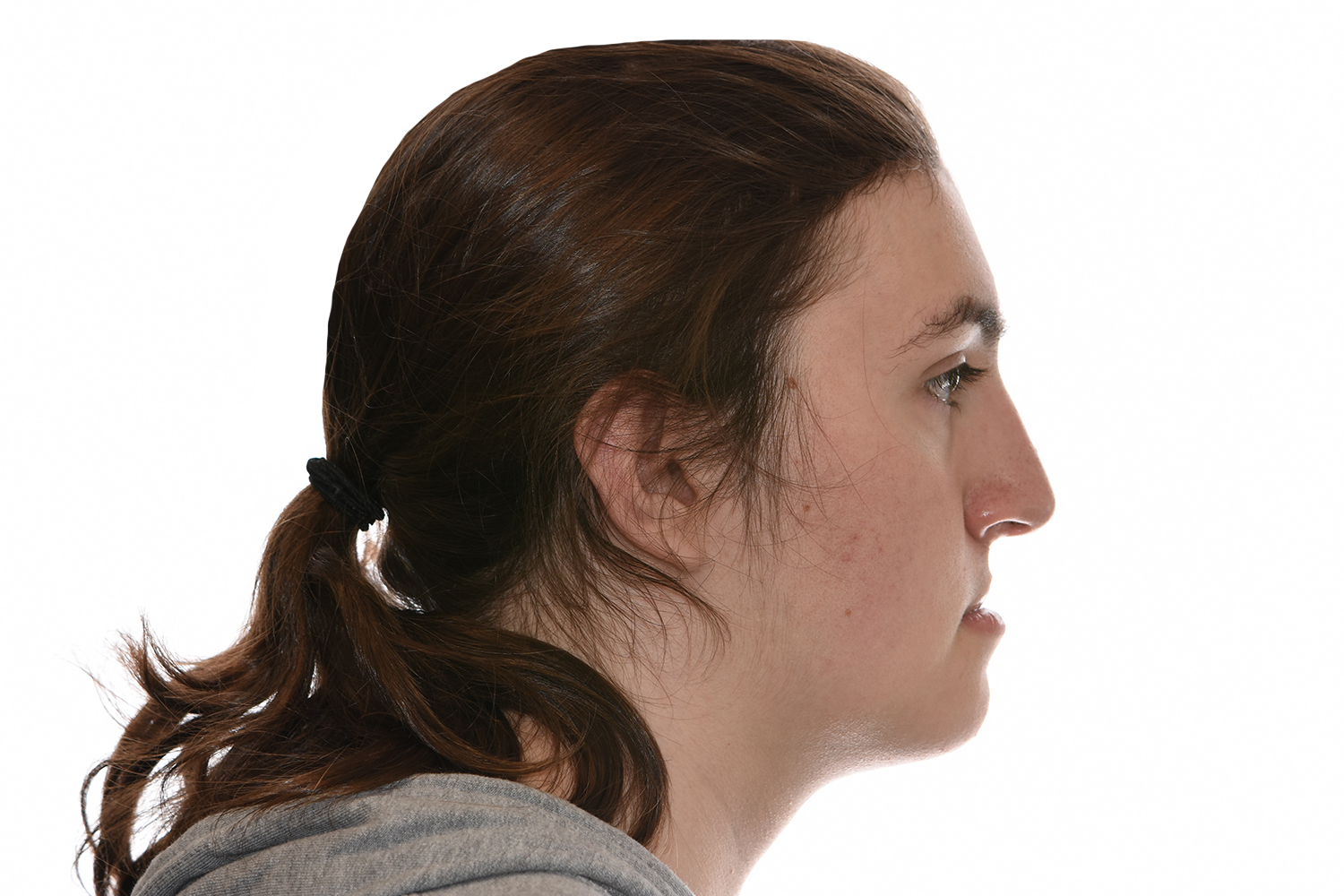
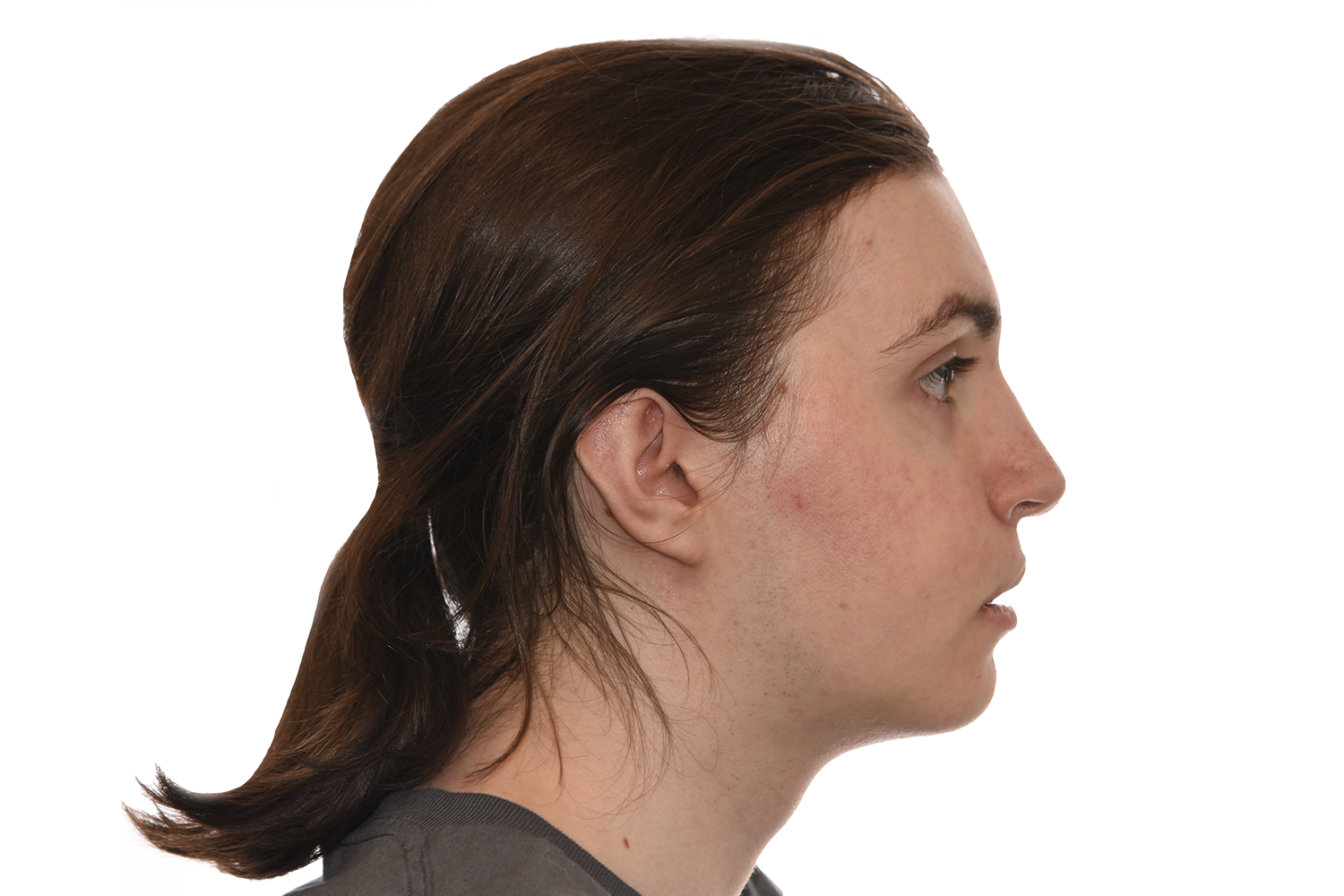
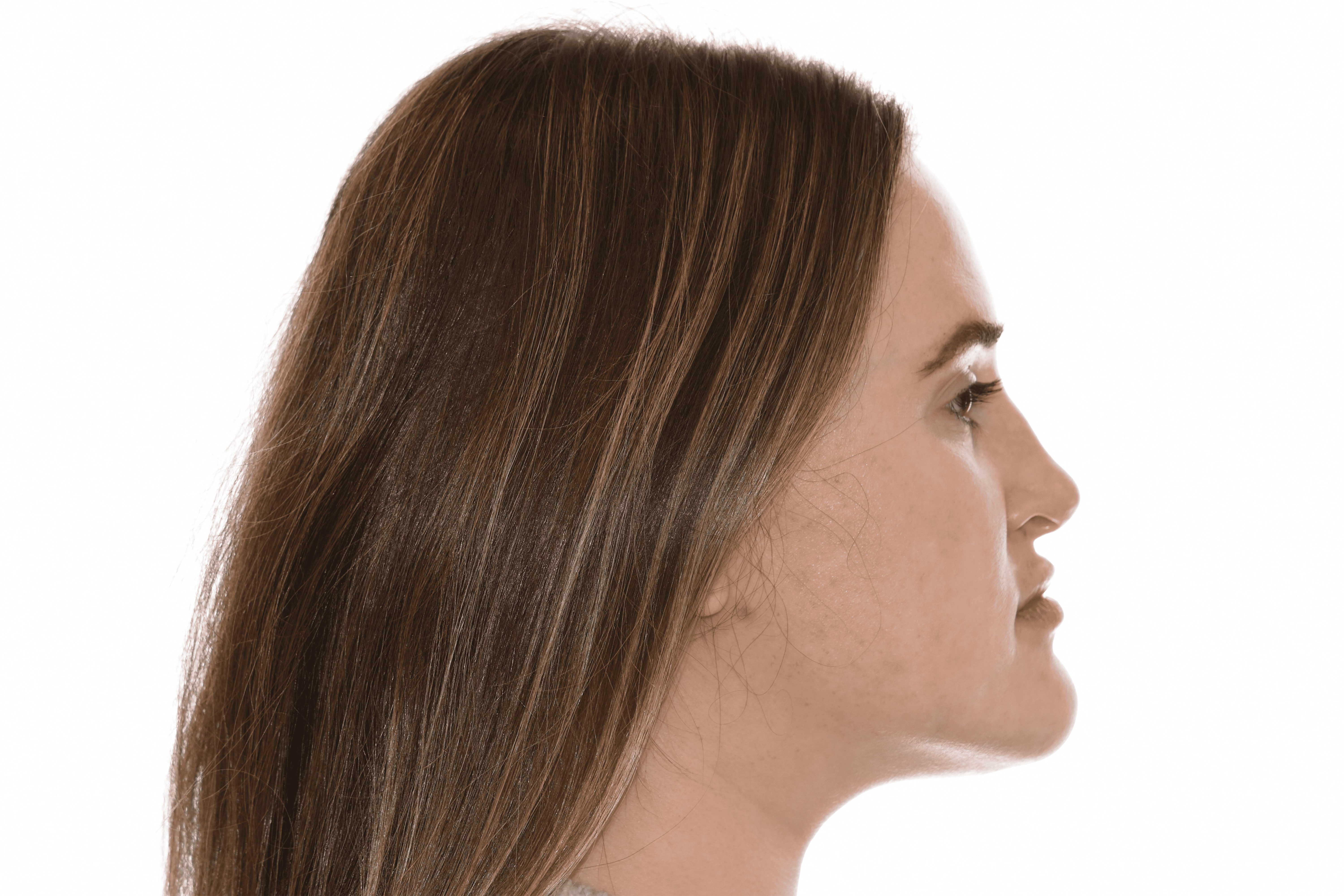
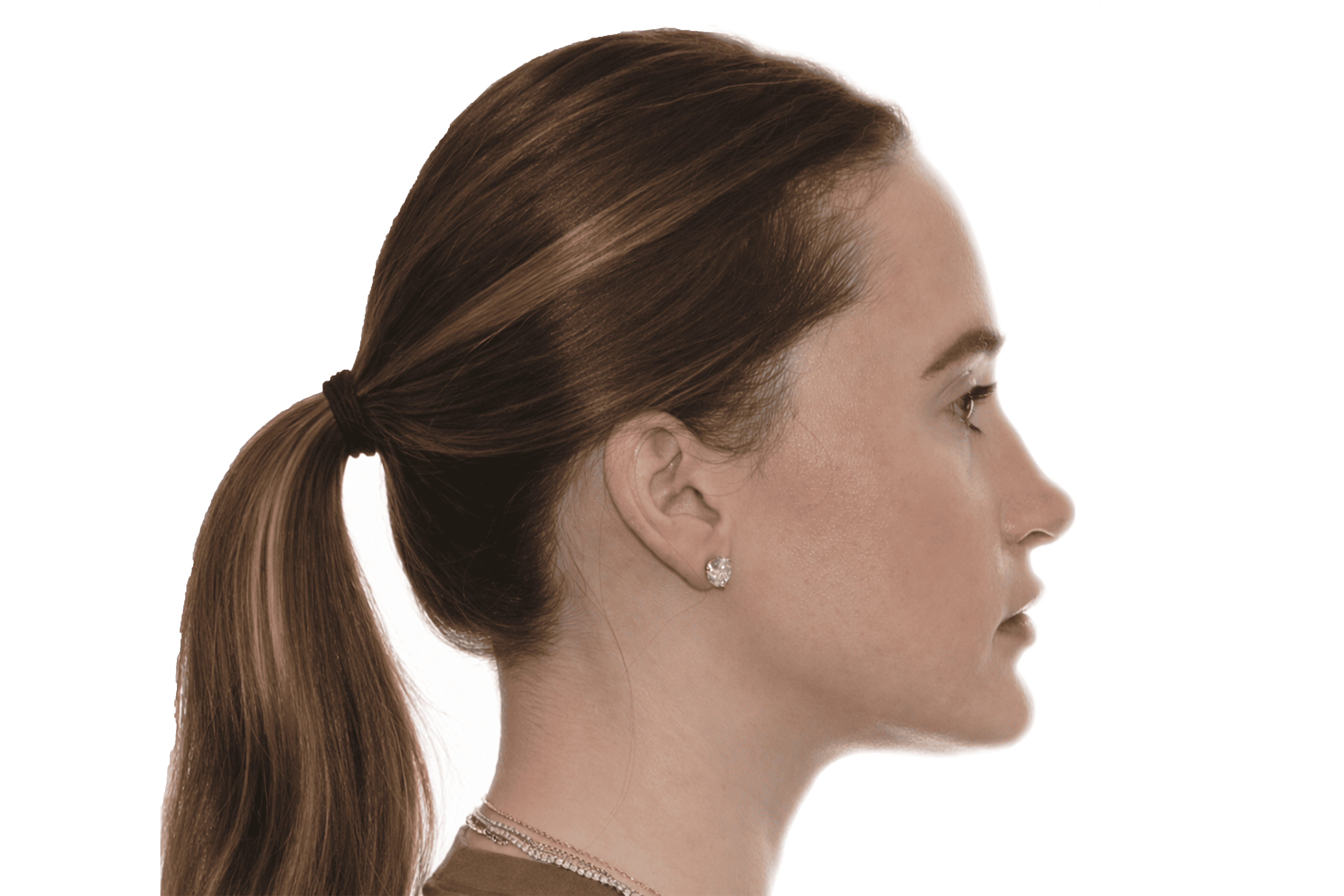
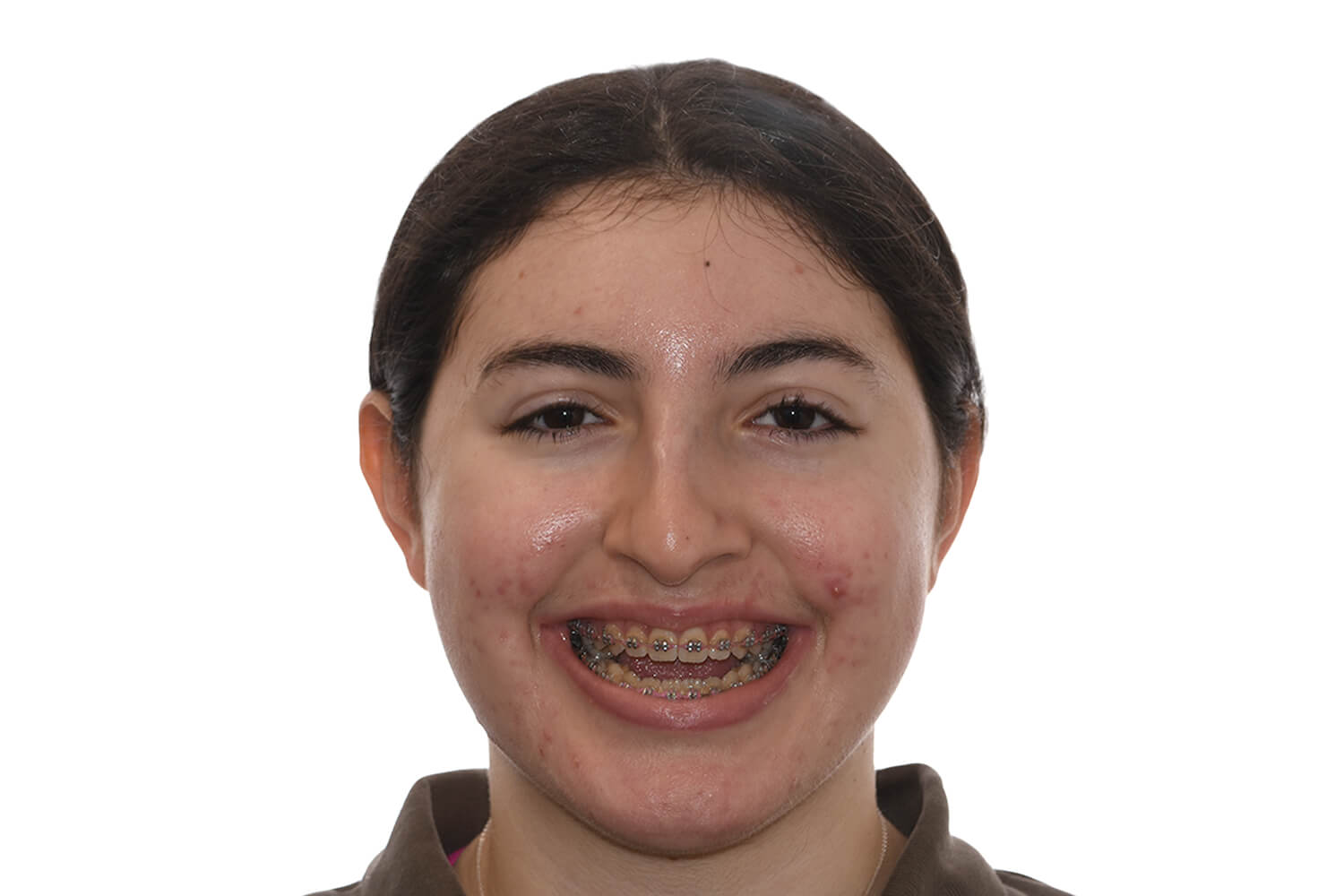
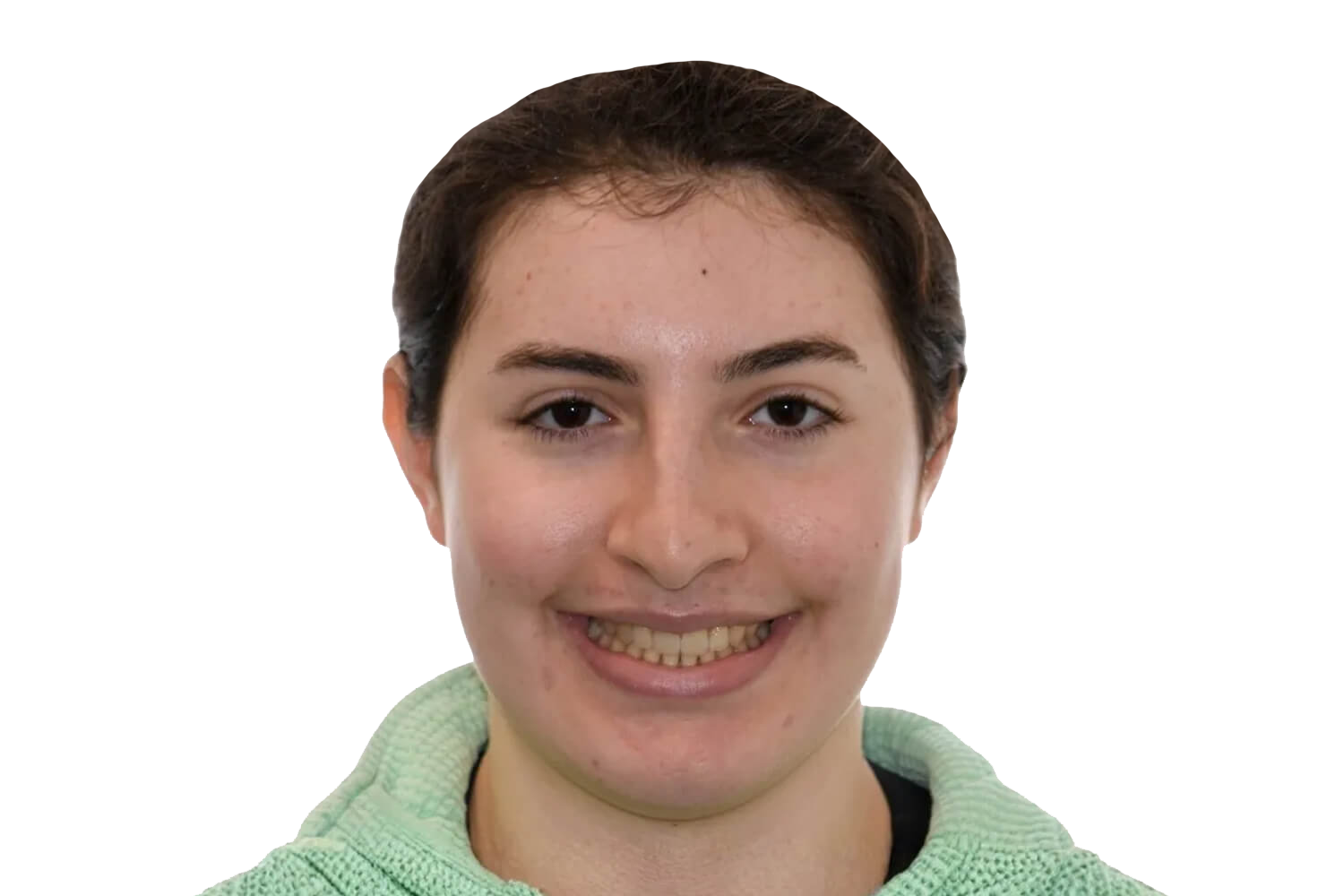
Before & After Gallery

Timeline For Bilateral Sagittal Split Osteotomy (BSSO)

Month 0

Initial Consultation

Comprehensive history, clinical evaluation, 3D scans, X-rays, photographs, and impressions to assess jaw position and bite.

2–4 weeks after initial consultation

Treatment Planning Visit

Once your records are reviewed and the doctor has coordinated with your orthodontist, you’ll return either in person or via telemedicine to review your treatment plan, see prediction images, and go over the steps and timeline ahead.

6–12 months (if necessary)

Orthodontic Preparation

Braces or aligners gradually guide the teeth into proper positions to prepare the jaws for surgical correction. In select cases, a surgery-first approach or no orthodontic preparation may be possible.

3-6 weeks prior to surgery

Final Surgical Planning

Virtual surgical planning determines precise bone movements for optimal symmetry, stability, and facial balance.

2–4 weeks prior to surgery

Pre-Op Medical Clearance

Medical exams, lab testing, and final instructions ensure the body is fully prepared for surgery.

Typically a one-night hospital stay

Surgery Day

Corrective jaw surgery is performed to reposition the jaws, improve bite function, and enhance facial balance.

3–9 months after surgery

Post-Surgical Orthodontics

Final orthodontic treatment fine-tunes tooth position and bite, optimizing aesthetics, function, and long-term stability.

Recovery

Following corrective jaw surgery, the recovery phase focuses on controlled healing, swelling reduction, and gradual return to normal jaw function while your care team closely monitors comfort, progress, and bite stability.

Early Recovery

Facial Swelling improves
Light daily activity
Jaw movement is limited
Liquid and blended diets begins

Return to Light Activities

School & desk work resume
Soft foods are started
Swelling visibly decreases
Light activities and short walks

Bite Stabilization

Bone healing strengthens
Orthodontics resumes
Diet progresses to normal
Full physical activity (5 weeks)

Final Results

Final orthodontic detailing
Retainers are introduced
Swelling fully resolves
Full bone strength restored

What to Expect After BSSO

Post-Surgery Recovery Process

Most patients remain in the hospital overnight and are able to return home the following day.

In the first days and weeks:

Swelling of the cheeks and lower face are common and peak in the first few days before gradually improving.
Numbness or tingling of the lower lip and chin is very common at first because the nerve that brings sensation to this area travels through the lower jaw. Sensation usually improves over time, but some degree of permanent altered feeling is possible.
Diet changes are necessary. You’ll start with liquids and very soft foods and gradually progress as instructed by your surgeon.
Jaw movement will be restricted initially. You may have elastics (rubber bands) placed on your braces or splints to help guide the new bite.
Oral hygiene is important. You will be shown how to gently keep your mouth clean while the incisions heal.

Most patients start feeling significantly better after the first week and continue to improve steadily, with full bone healing occurring over several months while orthodontic treatment refines the final bite.

Pretty blonde girl with black turtleneck and bun outside

Risks & Possible Complications

Handsome young man, blue shirt, short hair, smiling

Safety Information for Patients

While uncommon, potential risks and complications may include the following, along with other procedure-specific concerns. Because every case is unique, our surgical team will review the risks, benefits, alternatives, and important considerations specific to each patient during consultation and preoperative visits.

Temporary or permanent numbness/altered sensation of the lower lip, chin, or gums
Infection at the surgical site
Bleeding or bruising
Jaw stiffness or limited opening during early healing
Relapse or minor shifting of the jaw position over time
TMJ discomfort or new jaw joint symptoms
The need for additional procedures, adjustments, or hardware removal in the future

An experienced team and close follow-up care help maximize the likelihood of optimal outcomes.

Frequently Asked Questions

These frequently asked questions address what families most often want to know before and after BSSO surgery.

Choosing Your Surgical Team

How important is experience when choosing a surgeon for Bilateral Sagittal Split Osteotomy?

Genioplasty requires precise surgical judgment, specialized training, and familiarity with the anatomical and functional nuances of this procedure. Outcomes depend heavily on the surgeon's experience, technique, and ability to anticipate and manage the full range of possible findings. Surgeons who perform this procedure regularly are typically better positioned to achieve consistent, safe results.

What is the difference between private practice and academic or hospital-based care?

In a private practice setting, care is often more streamlined and consistent, with the same surgeon closely involved in evaluation, treatment planning, surgery, and follow-up.

In academic or hospital-based settings, care may involve a larger team that can include residents or fellows participating under supervision. Both models can provide excellent care, but the structure and continuity of treatment may feel different. At our center, your care is delivered directly by your surgeon — not by residents, fellows, or surgeons in training.

Who will perform my surgery?

It is important to understand who is performing each part of your procedure. In some settings, the attending surgeon performs all critical portions, while in others trainees may assist or participate under supervision. This should be discussed clearly in advance. At our center, your surgeon performs all critical portions of the procedure.

Will trainees be involved in my care?

Depending on the treatment setting, residents, fellows, or students may be involved in aspects of care. Patients should feel comfortable asking about their role and how care is supervised.

At our center, there are no residents or fellows involved in performing surgery.

Who will follow me after surgery?

Post-operative follow-up is an important part of surgical care. At our center, your surgeon personally follows you through recovery and any additional visits required.

How involved is the surgeon throughout the process?

At our center, your surgeon is directly involved at every stage — from the initial consultation and treatment planning through surgery, post-operative visits, and long-term follow-up.

Understanding The BSSO Procedure

What is a bilateral sagittal split osteotomy?

A bilateral sagittal split osteotomy, or BSSO, is a surgical procedure that repositions the lower jaw by making precise cuts through the jawbone on both sides and moving the tooth-bearing segment forward, backward, or to a new vertical position. It is one of the most commonly performed jaw surgery procedures and is used to correct a wide range of lower jaw discrepancies.

What conditions does BSSO address?

BSSO is used to correct a lower jaw that is too far forward or too far back relative to the upper jaw, to improve bite function, to address facial asymmetry involving the lower jaw, and in some patients to help improve the airway. It is commonly performed in combination with upper jaw surgery and is frequently part of the surgical correction for sleep apnea.

Is BSSO usually performed alone or with other jaw procedures?

BSSO may be performed as a standalone procedure when the lower jaw is the only jaw requiring correction, or as part of a double jaw surgery when both upper and lower jaws need to be repositioned. The decision depends on the patient's bite, facial profile, and treatment goals established through orthodontic and surgical planning.

How is orthodontic treatment related to BSSO?

Most patients undergoing BSSO will have completed a course of pre-surgical orthodontic treatment to align the teeth within each jaw before surgery. Orthodontic treatment continues after surgery to finalize the bite. The orthodontist and surgeon work closely together throughout the process.

Will the jaw be wired shut after surgery?

Most patients today are not wired shut after jaw surgery. The bones are stabilized with small titanium plates and screws, allowing controlled jaw movement during recovery. Light elastic bands on the braces are typically used to guide the bite during healing, but these are far less restrictive than wiring.

Surgery & Recovery

How is BSSO performed?

The procedure is performed under general anesthesia through incisions inside the mouth. The surgeon makes carefully planned cuts through the lower jawbone on each side to allow the tooth-bearing portion to be moved to the planned position, where it is secured with titanium plates and screws. There are no external incisions or visible scars.

What is recovery like after BSSO?

Swelling, jaw stiffness, and some numbness of the lower lip and chin are expected after surgery and gradually improve over weeks to months. A soft diet is required during the initial healing period. Most patients manage discomfort well and return to normal activities within a few weeks, though full bone healing takes several months.

Will there be numbness after surgery?

Temporary numbness or altered sensation of the lower lip, chin, and teeth is very common after BSSO due to the proximity of the inferior alveolar nerve. In most patients this resolves over weeks to months. Some degree of permanent altered sensation is a recognized risk and is discussed thoroughly during the consent process.

What long-term results can patients expect?

BSSO produces lasting improvement in jaw position, bite function, and facial profile. Results are fully appreciated once post-operative swelling has resolved, typically over several months. Relapse is uncommon when surgery is well planned and healing proceeds normally, and the titanium fixation hardware typically remains in place without issue.

Traveling & Out-Of-Town Patients

Do patients travel to your center for this procedure?

Yes. We regularly care for patients traveling from outside the region for genioplasty.

How long do out-of-town patients typically need to stay near our center?

Most patients undergoing bilateral sagittal split osteotomy are discharged after one overnight stay and recovering well. Out-of-town patients should plan to remain locally for approximately one week primarily to attend their first post-operative visit, at which the surgeon examines healing, addresses any questions, and clears the patient for travel home.

When can I travel home — and is driving different from flying?

Ground travel home is generally appropriate shortly after the first post-operative visit, once the surgeon has confirmed healing is on track. Air travel is generally cleared at approximately 5 to 7 days after surgery. Flying is approved somewhat later than driving because cabin pressure changes at altitude are a consideration during early healing. Your surgeon will confirm both clearances at the post-operative visit.

Will I need to come back for additional visits?

Yes. After returning home, a second follow-up visit will be needed to monitor continued healing and recovery. Depending on what needs to be assessed, this visit may be conducted via telemedicine or may require an in-person return visit. Your surgeon will advise on the format and timing of this follow-up before you travel home.

What can patients expect during the initial consultation?

The consultation at our center includes a thorough clinical examination, review of any imaging or prior records, and a detailed discussion of the surgical plan, expected outcomes, recovery timeline, and what follow-up will involve. Patients leave with a clear understanding of the procedure and what to expect before, during, and after surgery.

Sporty girl smiling outdoor.
Take the first step of your journey.

Schedule a private consultation today

Scroll to Top