



Microtia Repair
Reconstructing the External Ear for Form, Function, and Confidence
What Is Microtia Repair?
What Patients Find Most Helpful to Know About Microtia Repair

Two Reconstruction Options
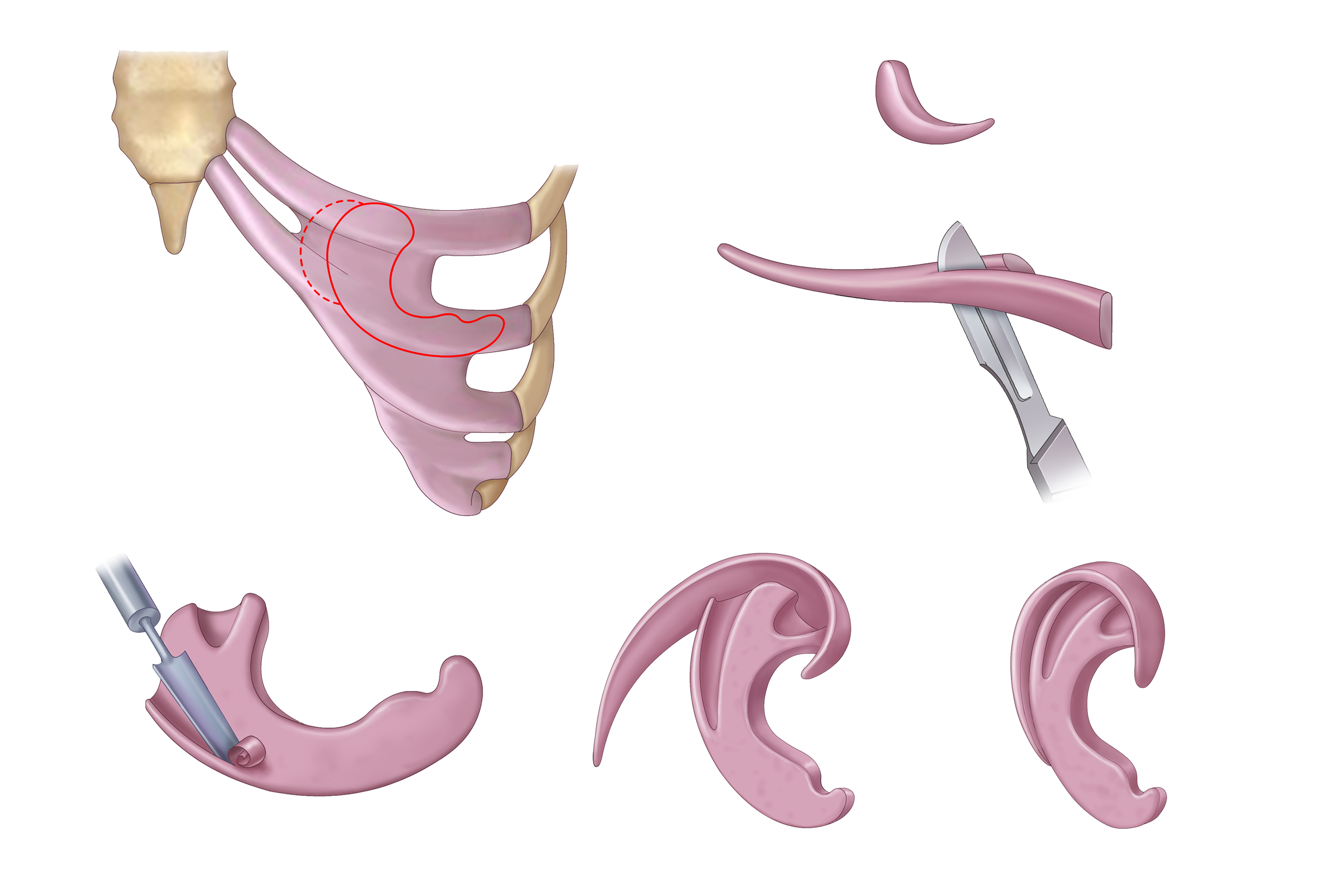
Reconstruction may use the patient’s rib cartilage or a synthetic implant.

Possible Staged Treatment
Reconstruction may occur over multiple procedures to achieve the final result.

Timing of Surgery
Microtia repair is typically performed after age six, when ear growth is nearly complete.

Coordinated Care
Treatment is carefully timed in coordination with any planned hearing restoration procedures.


Creation of a natural-looking external ear

Support for glasses and hearing aids
Enhanced confidence and self-image


Durable, long-lasting results

Coordinated with hearing restoration procedures

Improved facial balance and symmetry

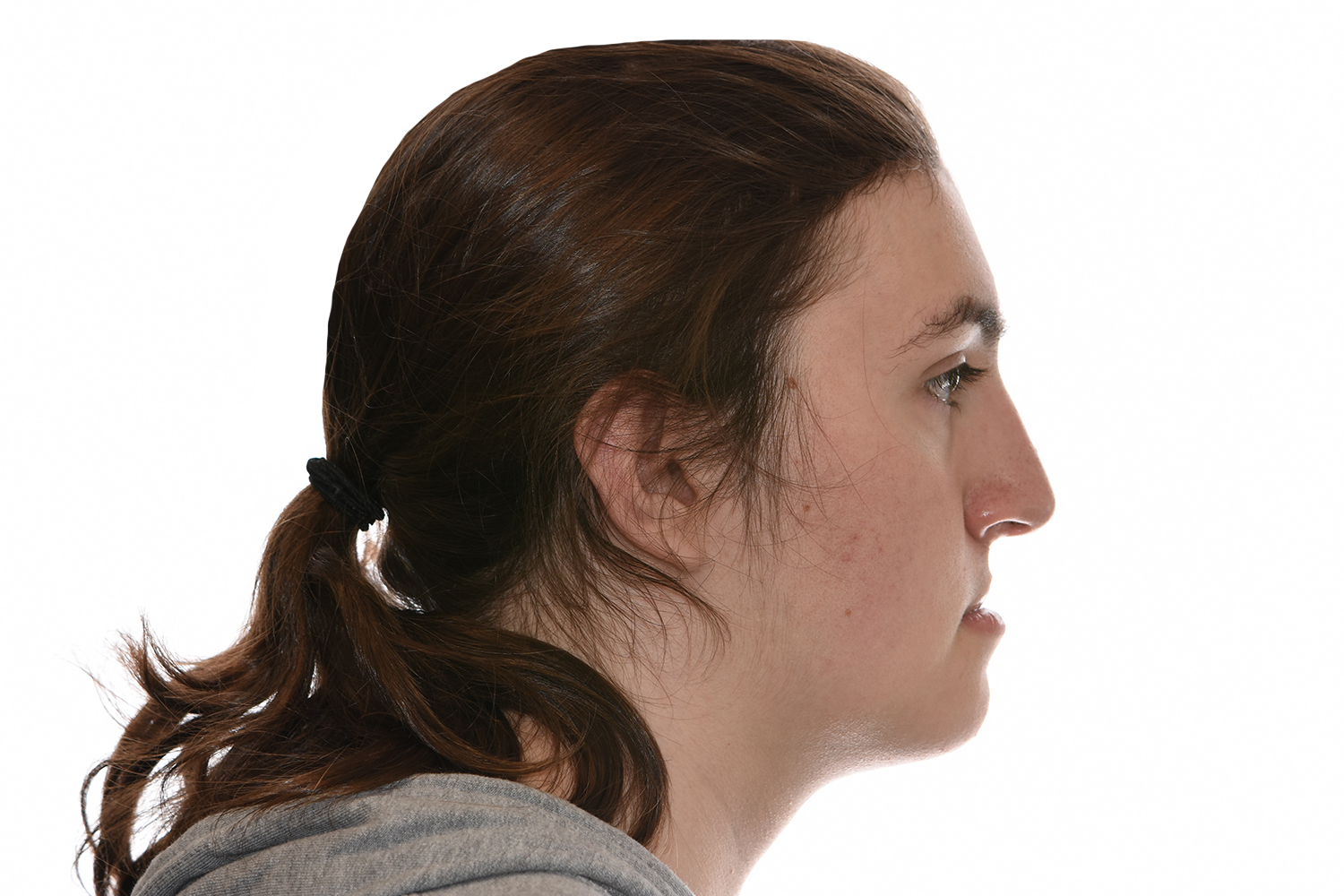
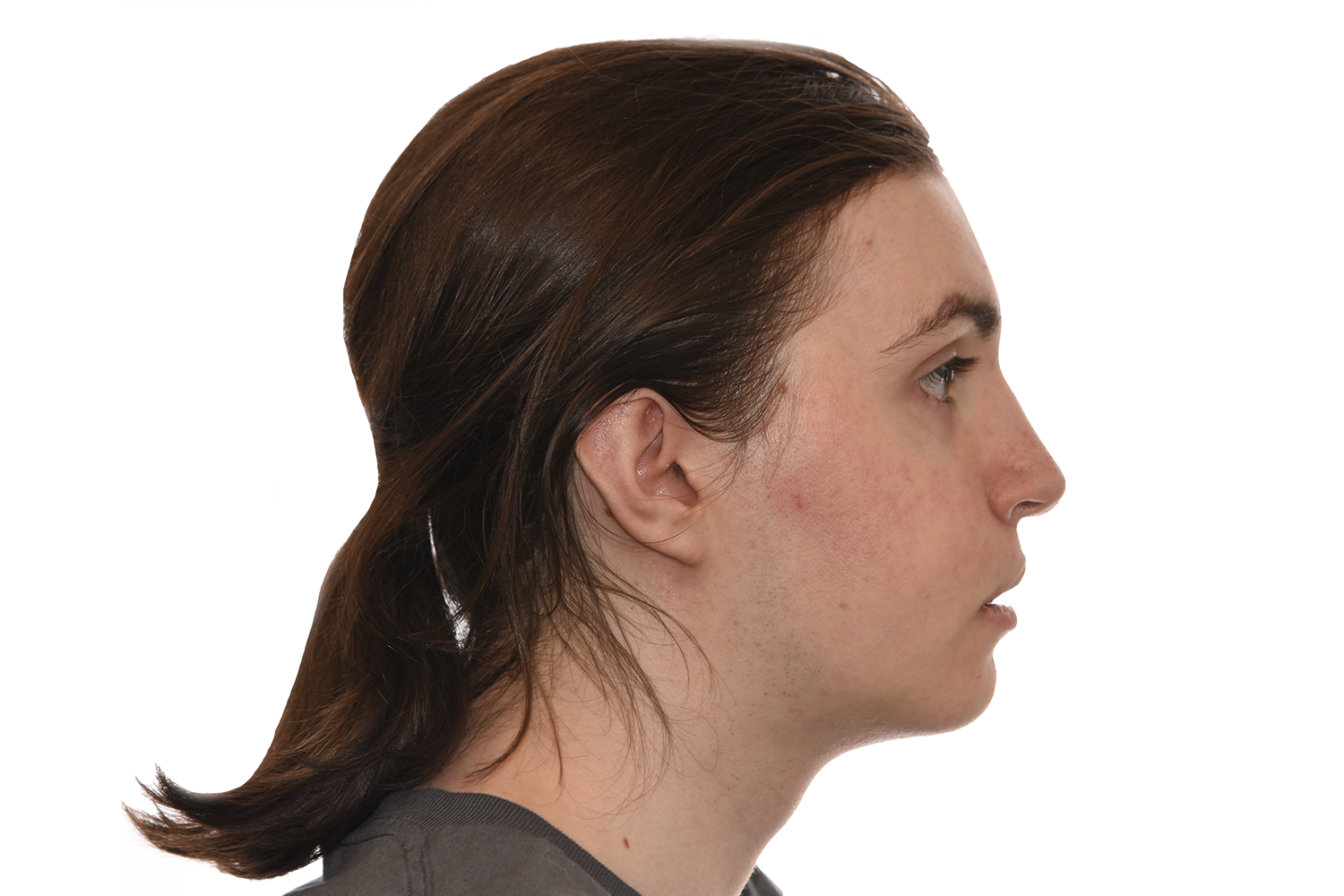
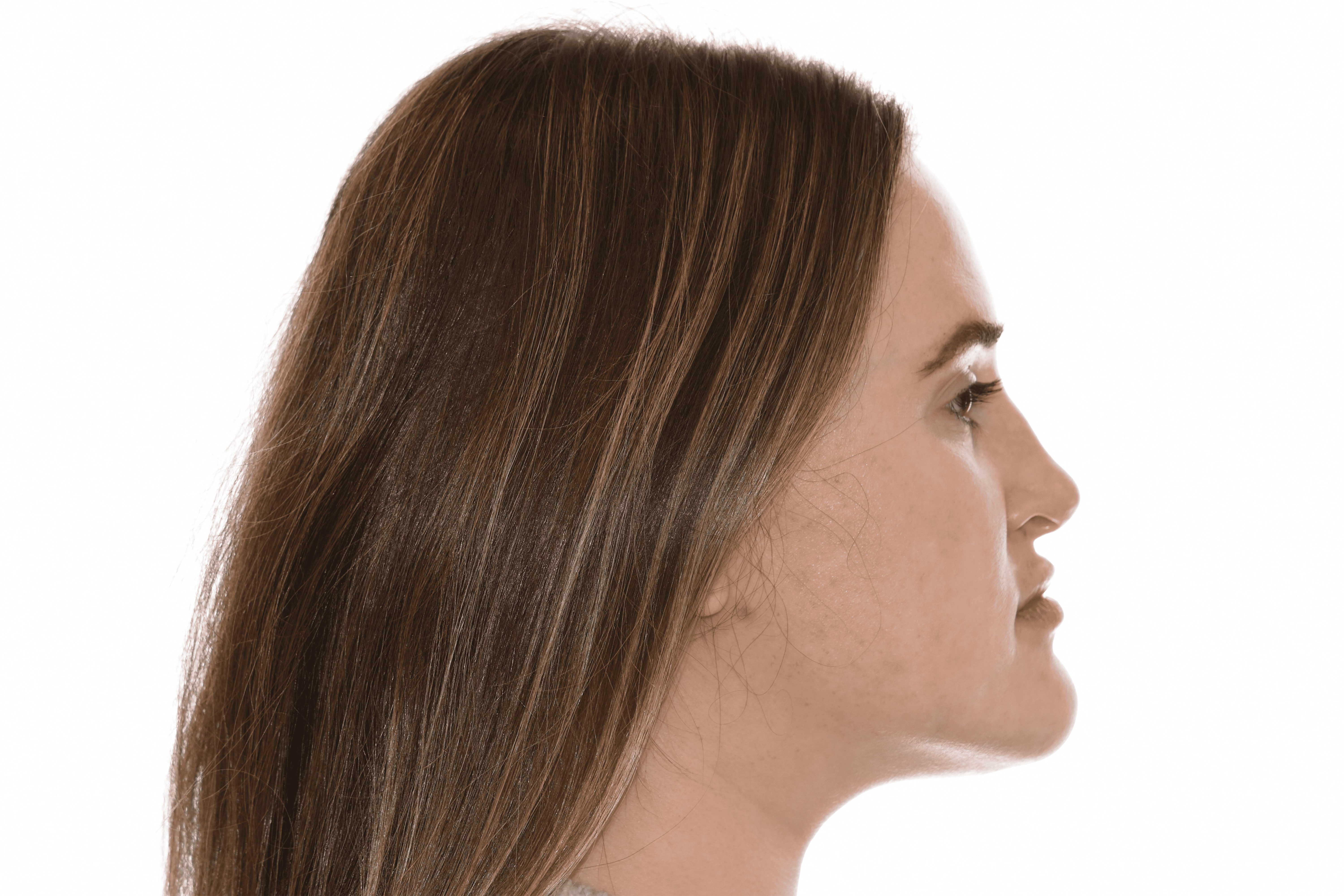
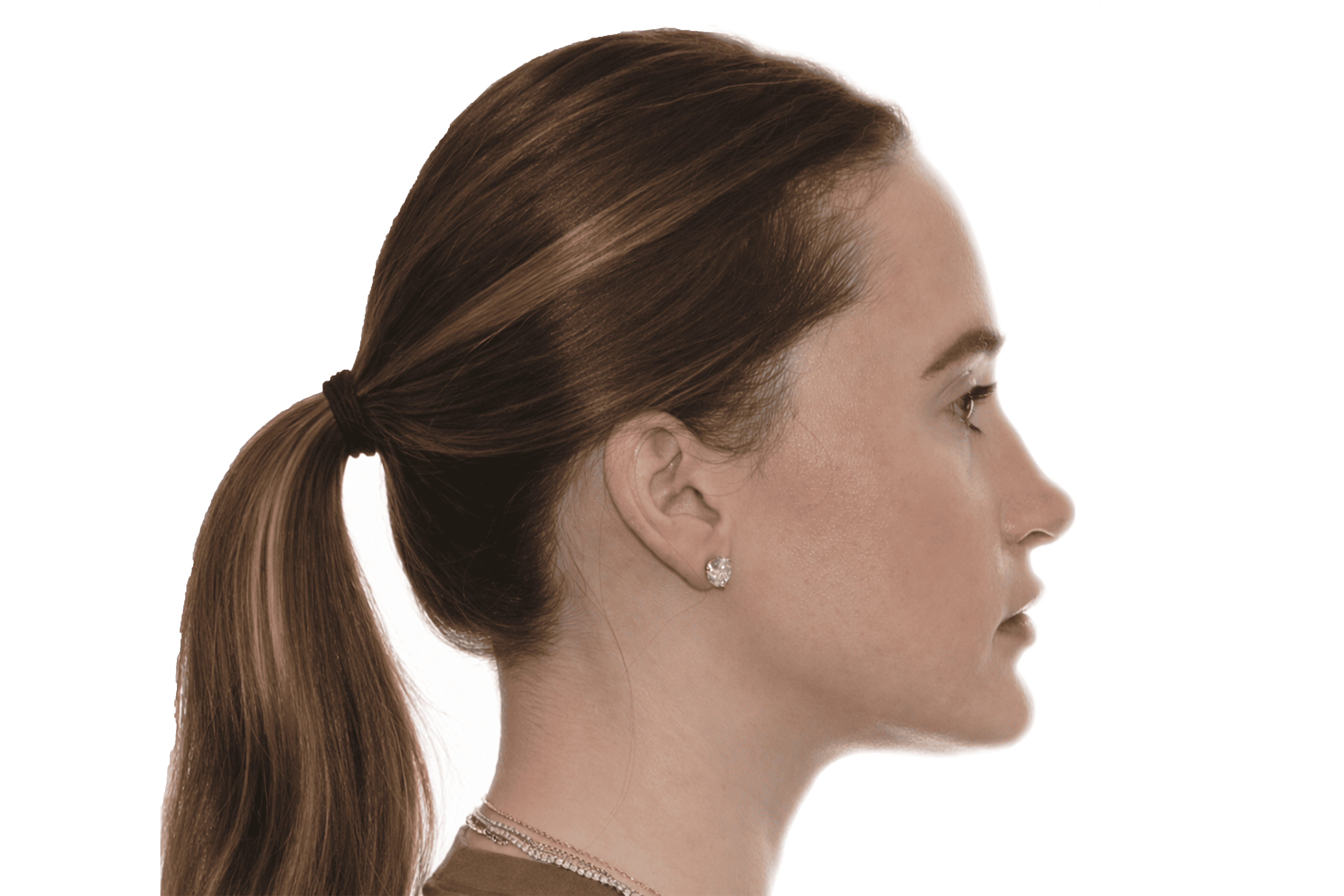
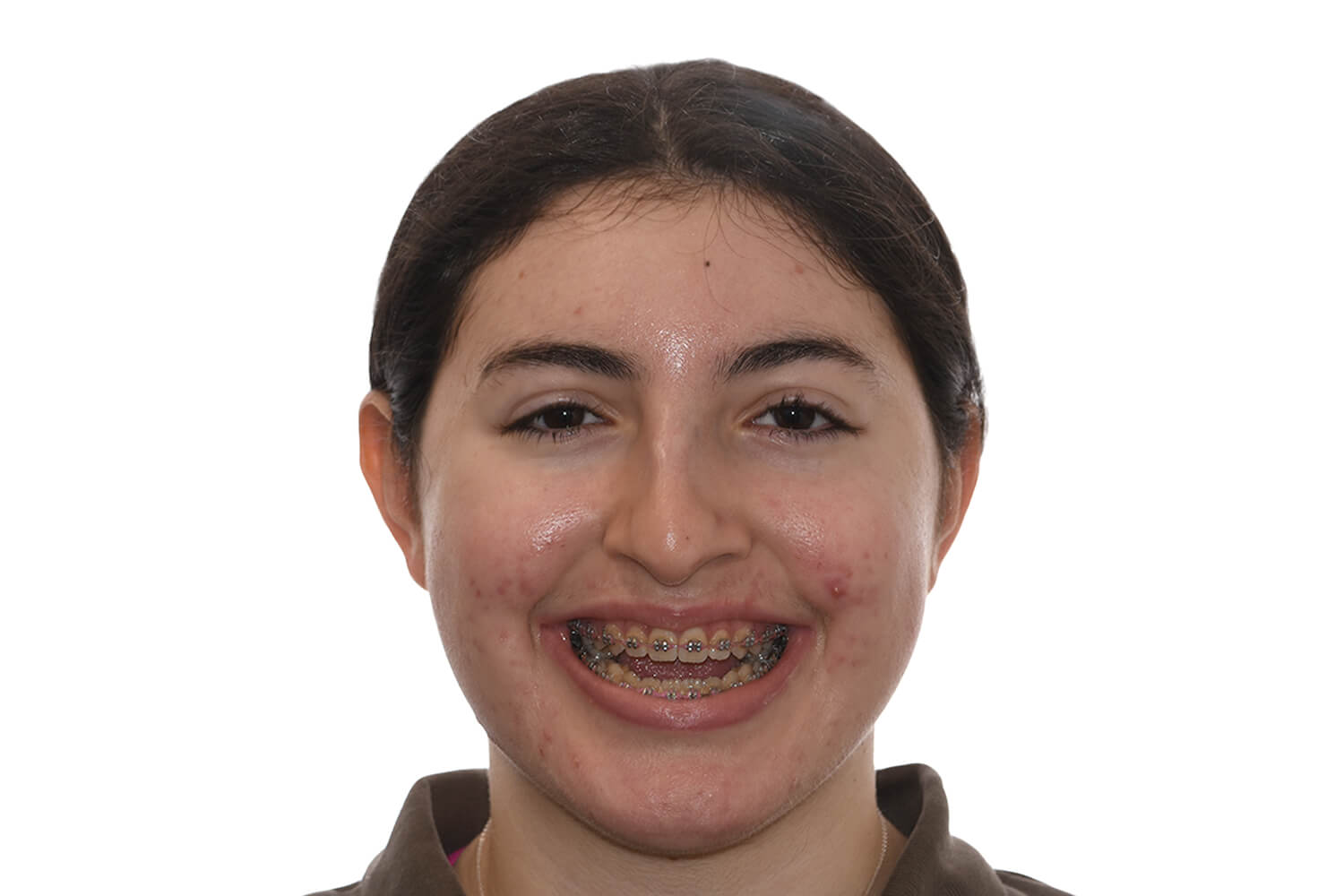
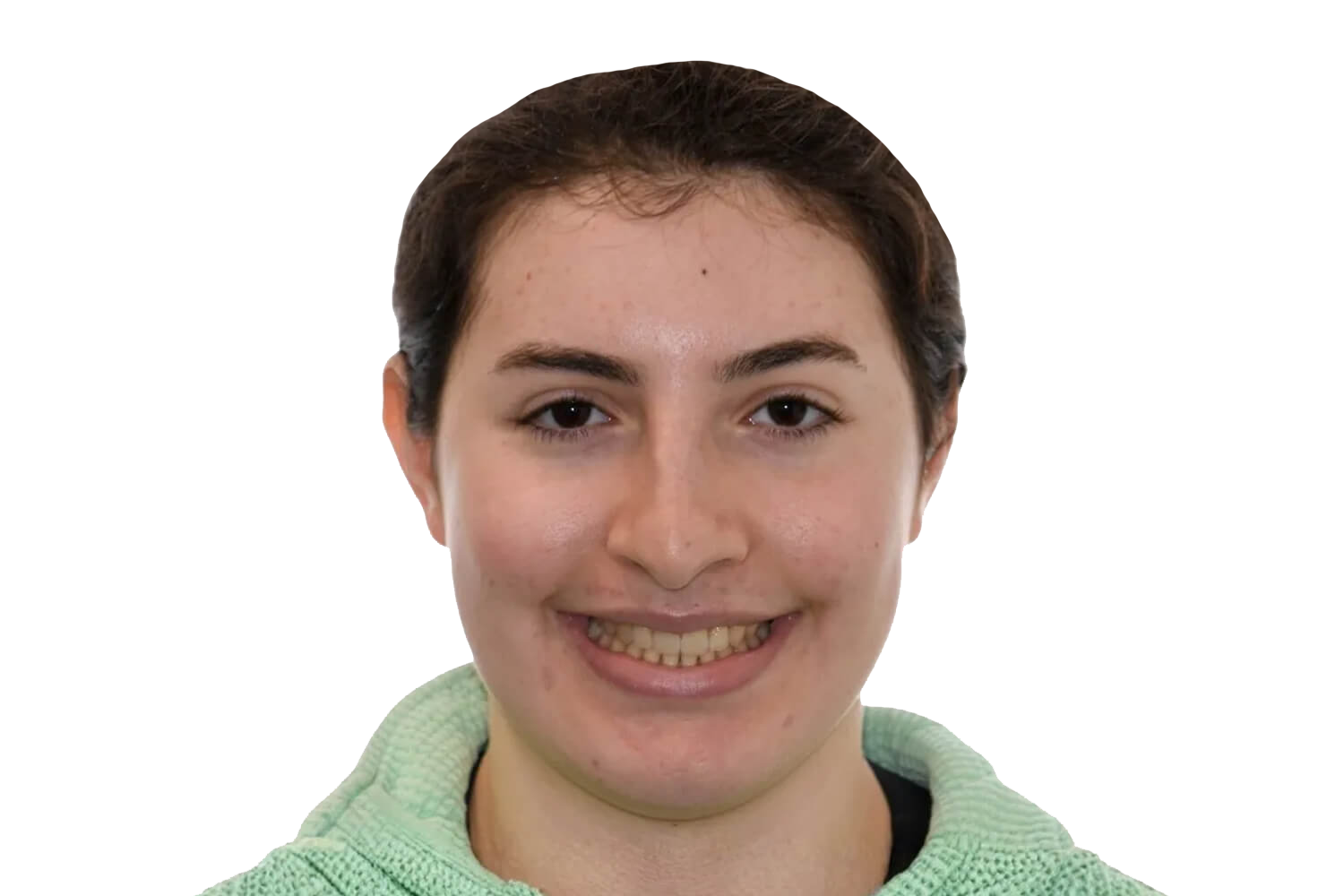
Before & After Gallery
Timeline for Microtia Repair
Rib Graft Reconstruction
Medpor Implant Reconstruction
Recovery
Following microtia reconstruction, recovery focuses on protecting the new ear, supporting healing, and allowing the final shape to develop over time.
First Week
Early Healing
Week 2–4
Initial Recovery
Months 1–3
Healing and Planning
Months 3–12
Staged Completion
What to Expect After Surgery
Most children recover smoothly and begin showing improved ear function.

Risks & Possible Complications

An experienced team and close follow-up care help maximize the likelihood of optimal outcomes.
Microtia repair requires precise surgical judgment, specialized training, and familiarity with the anatomical and functional nuances of this procedure. Outcomes depend heavily on the surgeon's experience, technique, and ability to anticipate and manage the full range of possible findings. Surgeons who perform this procedure regularly are typically better positioned to achieve consistent, safe results.
In a private practice setting, care is often more streamlined and consistent, with the same surgeon closely involved in evaluation, treatment planning, surgery, and follow-up.
In academic or hospital-based settings, care may involve a larger team that can include residents or fellows participating under supervision. Both models can provide excellent care, but the structure and continuity of treatment may feel different. At our center, your care is delivered directly by your surgeon — not by residents, fellows, or surgeons in training.
It is important to understand who is performing each part of your procedure. In some settings, the attending surgeon performs all critical portions, while in others trainees may assist or participate under supervision. This should be discussed clearly in advance. At our center, your surgeon performs all critical portions of the procedure.
Depending on the treatment setting, residents, fellows, or students may be involved in aspects of care. Patients should feel comfortable asking about their role and how care is supervised.
At our center, there are no residents or fellows involved in performing surgery.
Post-operative follow-up is an important part of surgical care. At our center, your surgeon personally follows you through recovery and any additional visits required.
At our center, your surgeon is directly involved at every stage — from the initial consultation and treatment planning through surgery, post-operative visits, and long-term follow-up.
Microtia is a congenital condition in which the outer ear is underdeveloped or absent. It ranges from a small but recognizable ear with normal or near-normal structure to complete absence of the outer ear. Microtia may affect one ear or both and is often associated with atresia — absence or narrowing of the ear canal — and conductive hearing loss.
Two primary approaches are used for ear reconstruction. The first uses the patient's own rib cartilage, harvested from the chest, to carve a framework that is implanted under the skin of the ear region. This is a staged procedure requiring multiple operations. The second uses a porous polyethylene implant — often referred to by the brand name Medpor — as a pre-fabricated ear framework that is covered with local tissue and, in some techniques, a skin graft. Each approach has distinct advantages, trade-offs, and aesthetic characteristics that are discussed with families during the consultation.
Rib cartilage reconstruction uses the patient's own living tissue, which grows with the child and carries no risk of implant-related complications. It requires a chest donor site with associated temporary discomfort and a small scar, and involves multiple staged procedures over several years. Medpor reconstruction uses a synthetic framework, is typically performed in fewer stages, does not require a donor site, and can be performed at a younger age. However, as a synthetic material it carries a different long-term risk profile. The choice between approaches depends on patient age, anatomy, and family preference, and is discussed in detail during the consultation.
For rib cartilage reconstruction, surgery is typically deferred until the child is approximately six to ten years old, when there is sufficient rib cartilage available for harvest and the opposite ear has reached near-adult size to serve as a template. Medpor reconstruction can be performed somewhat earlier in some cases. The timing is discussed based on the individual child's anatomy and growth.
Hearing evaluation and management is an important parallel component of microtia care. Many patients benefit from bone-anchored hearing devices or other hearing solutions. Ear canal reconstruction — atresia repair — may be considered in appropriate candidates. Coordination between the reconstructive surgeon and audiology and otolaryngology is part of comprehensive care.
Rib cartilage reconstruction is typically performed in two to three stages. The first stage involves harvesting rib cartilage and carving it into an ear framework, which is then placed under the skin of the ear region. Subsequent stages refine the ear shape, elevate the ear from the scalp, and create the earlobe and tragus. Each stage requires general anesthesia and a recovery period.
Medpor reconstruction is typically performed in one or two stages under general anesthesia. The synthetic framework is covered with local tissue and, when needed, a thin skin graft. The procedure is technically demanding and is best performed by surgeons with specific experience in this technique.
Recovery varies by the stage of reconstruction and the technique used. Rib cartilage harvest involves temporary chest wall discomfort at the donor site in addition to the ear surgical site. Patients and families are given specific guidance on activity restrictions, wound care, and what to expect during healing after each stage.
Yes. We regularly care for families traveling from outside the region for microtia reconstruction.
The local stay after microtia surgery is flexible and depends on the technique used, the stage of reconstruction being performed, and recovery progress. For Medpor reconstruction, most patients are discharged after one to two nights, and out-of-town families should plan for approximately one week locally to attend the first post-operative visit before traveling home. For rib cartilage reconstruction, the donor site adds a component to recovery, and the local stay may be somewhat longer — though this varies and is discussed individually. In either case, families should plan for the possibility that the surgeon may recommend a slightly extended local stay depending on how healing is progressing. A return visit for the subsequent stage of reconstruction will also be needed, and the timing of that is discussed before the family travels home.
Yes. Ground travel is generally approved before air travel. For rib graft procedures, chest donor site comfort is an additional consideration for travel, and both ground and air clearance are given at the post-operative visit based on healing. Your surgeon will advise on both based on the specific procedure and recovery.
Yes. Microtia reconstruction involves staged procedures over time, and each stage requires planning, preparation, and follow-up visits. Families should expect to return to our center for subsequent stages of reconstruction as well as for post-operative monitoring. Some interval follow-up between stages may be possible via telemedicine. Your surgeon will outline the full staged plan before the family travels home after each procedure.
The consultation includes examination of the ear anatomy, discussion of reconstruction options including rib cartilage versus Medpor, review of hearing status, and a detailed explanation of the staged treatment plan, recovery expectations, and what travel and follow-up will involve. Families leave with a clear picture of the full reconstruction journey and what each stage entails.