



Condylar Resorption
Progressive loss of condylar bone affecting jaw position, bite function, and facial balance.
Condylar Resorption
Understanding Condylar Resorption
Condylar resorption is a condition involving progressive loss of bone within the mandibular condyles, the portions of the lower jaw that form the jaw joints. It most commonly affects both condyles and can cause the lower jaw to gradually rotate backward and downward, leading to bite changes, reduced chin projection, facial imbalance, and, in some cases, TMJ dysfunction or discomfort.
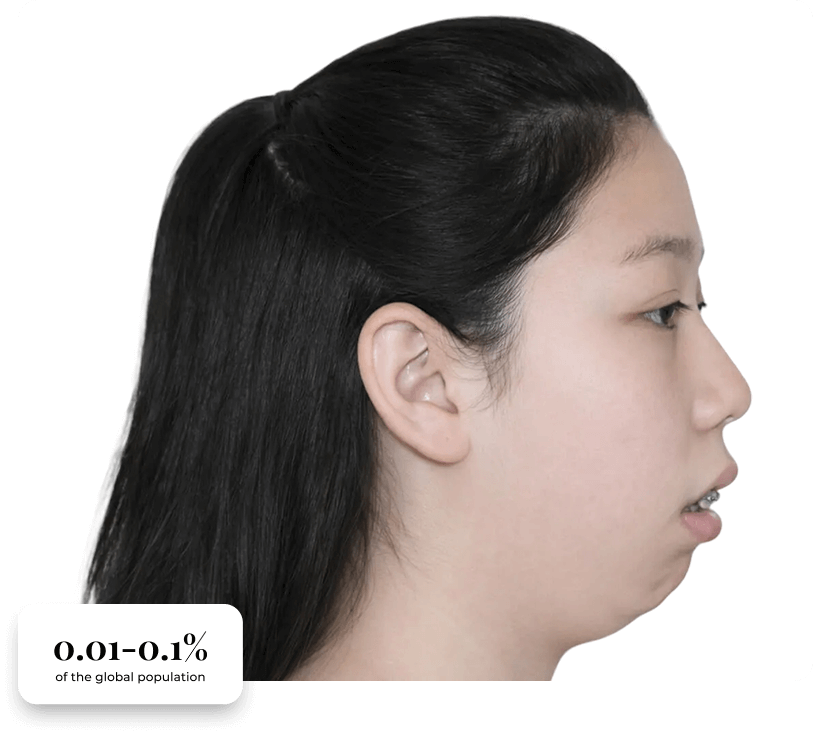
Clinical Presentation
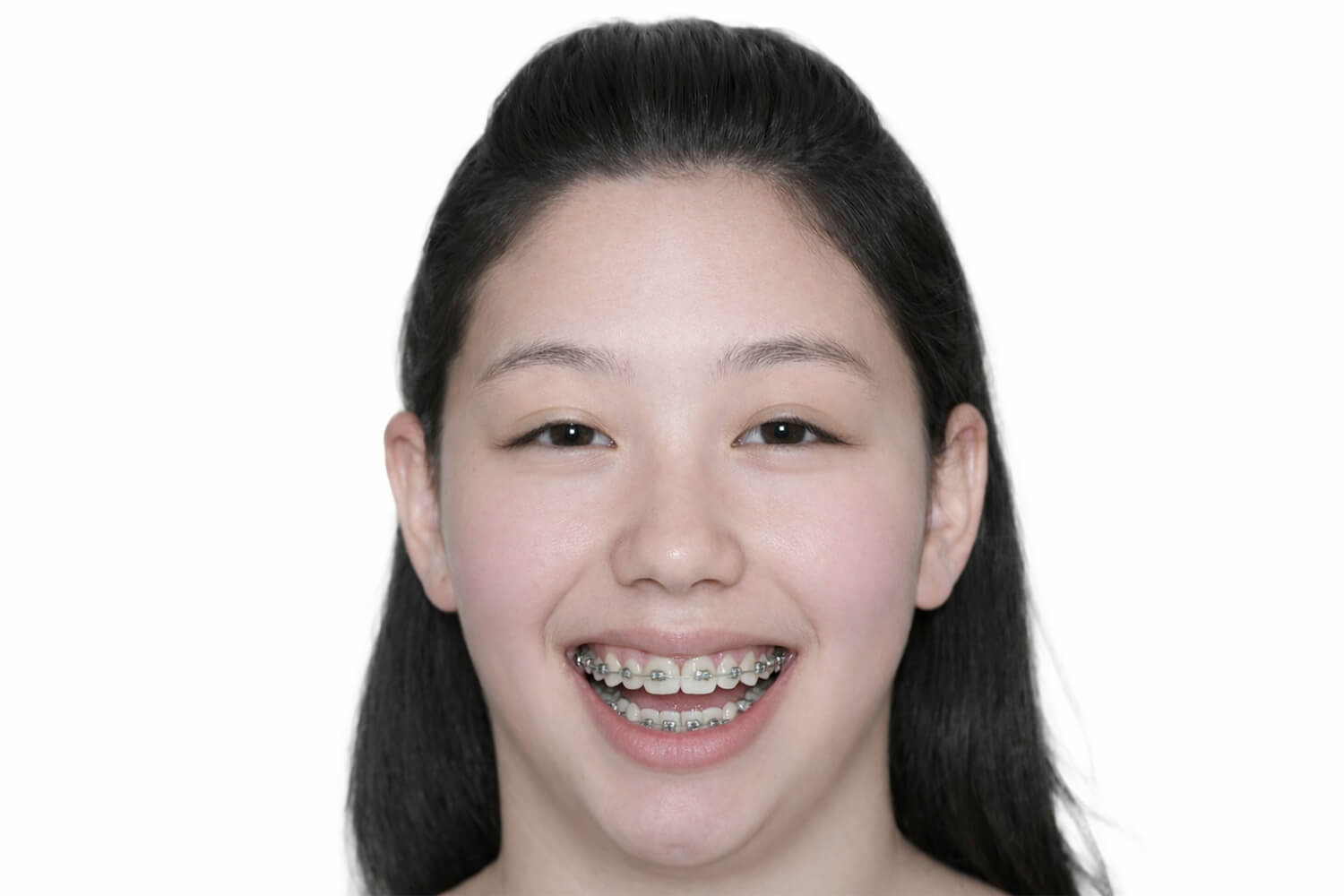
Key Assessments:
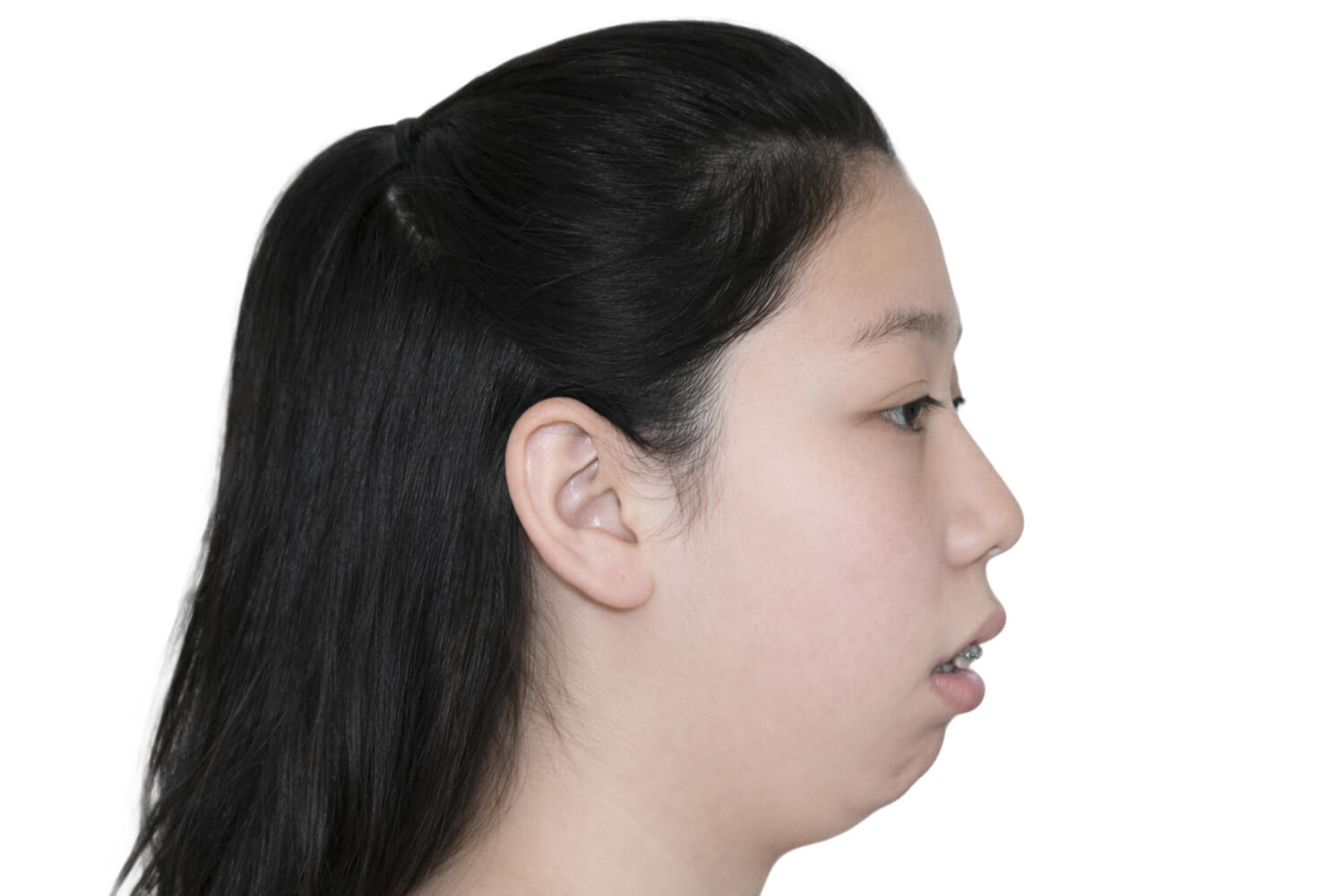
Key Assessments:
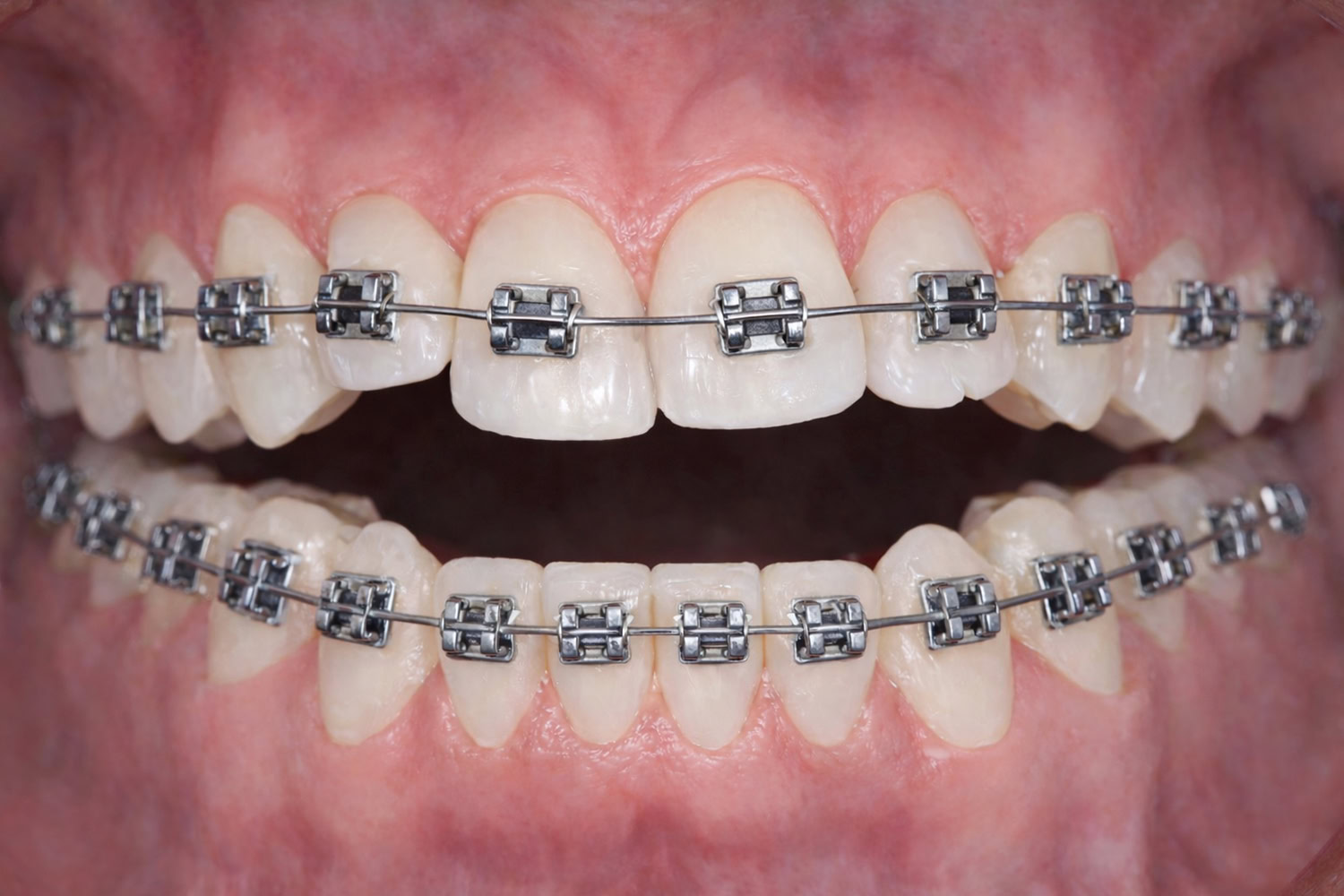
Key Assessments:
Condylar Resorption
Functional Considerations

Eating
Loss of joint support can destabilize the bite, making chewing inefficient and uncomfortable.

Speech
Changing jaw position and an anterior open bite may affect articulation and speech coordination.

TMJ Pain
Joint inflammation or degeneration can cause pain, stiffness, or functional limitation.

Jaw Fatigue
Reduced joint stability may increase muscular strain during routine jaw use.

Bite Stability
Progressive resorption can undo prior orthodontic or surgical corrections.

Psychosocial Effects
Visible facial change and chronic discomfort may affect confidence and emotional well-being.
Before & After Gallery
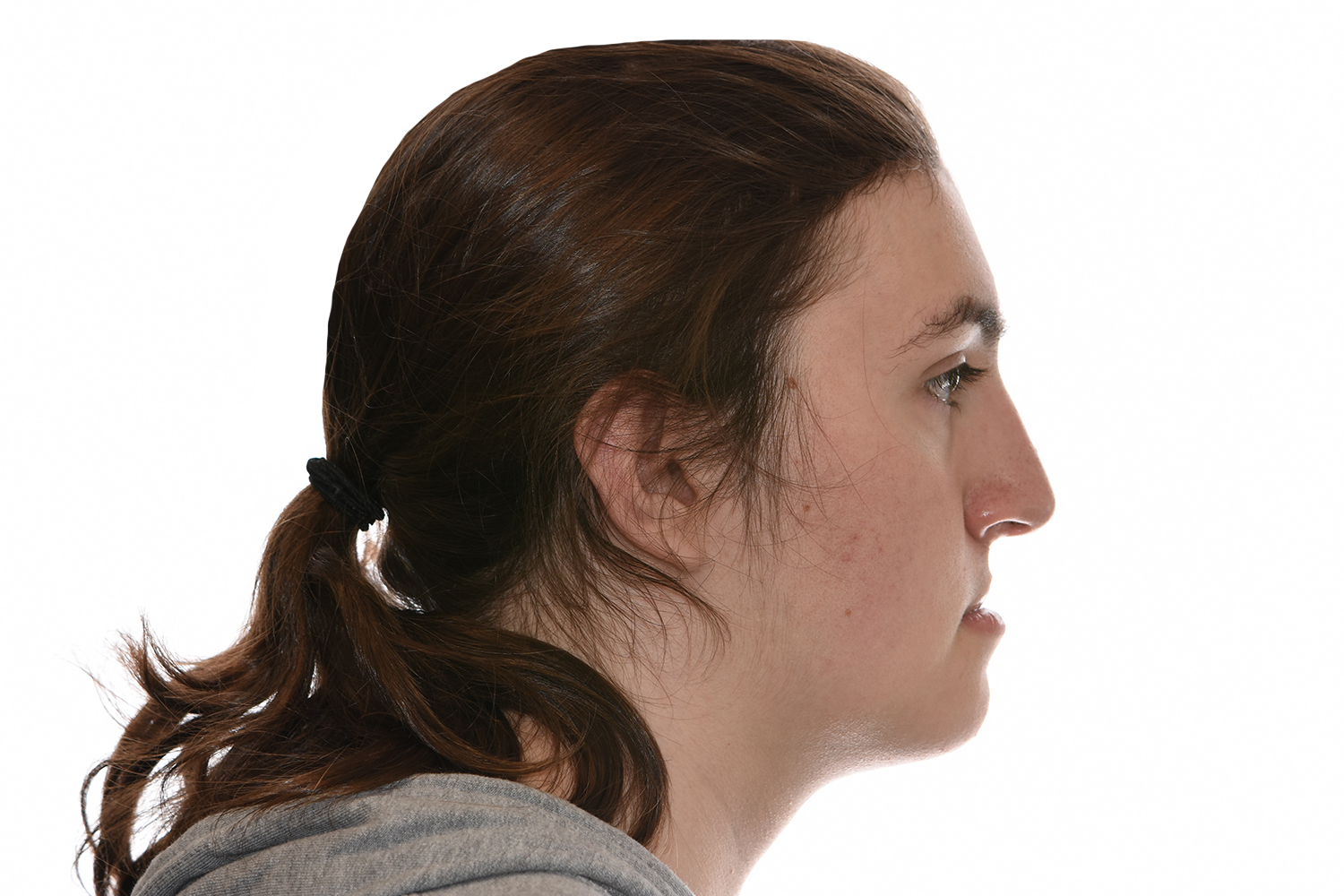
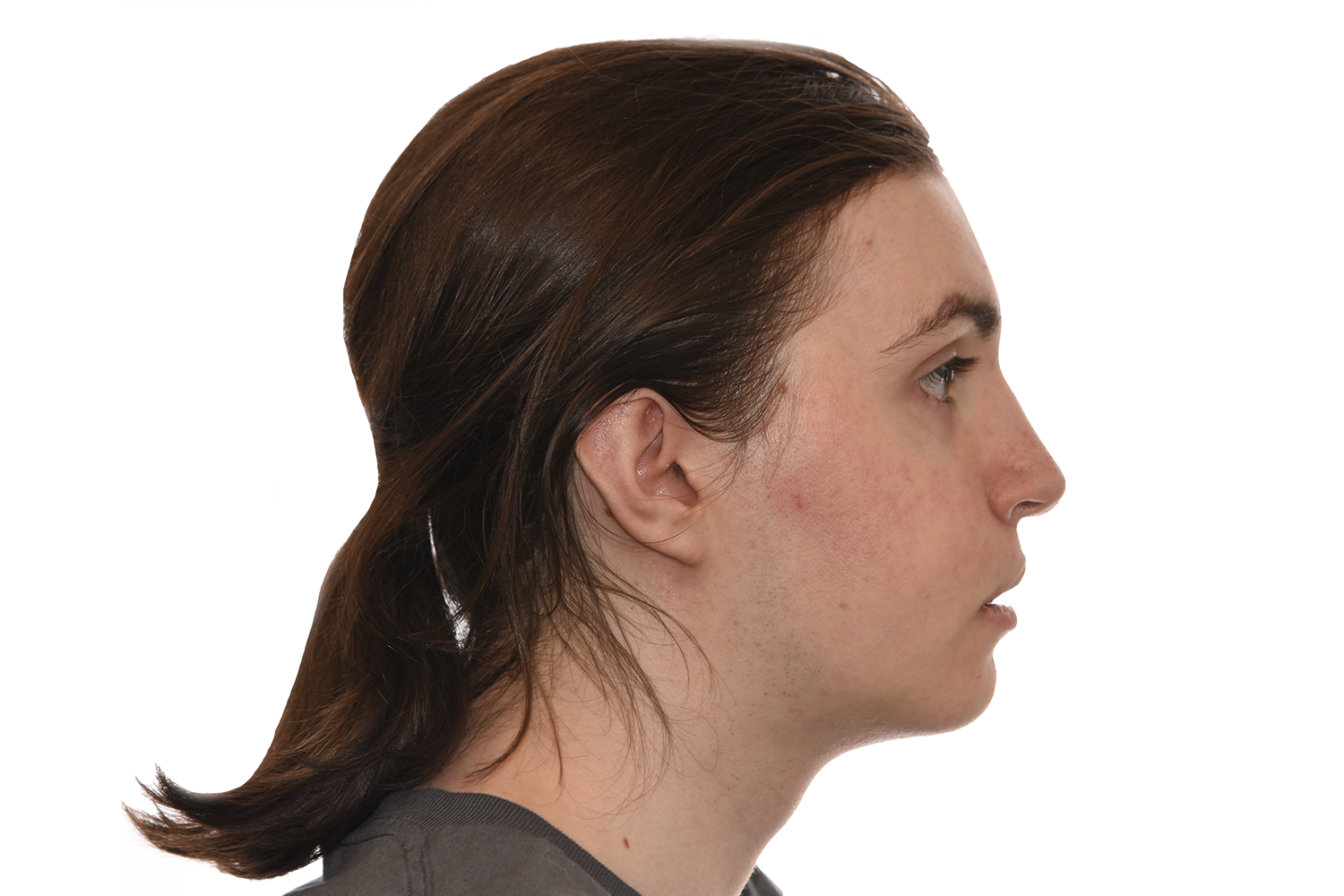
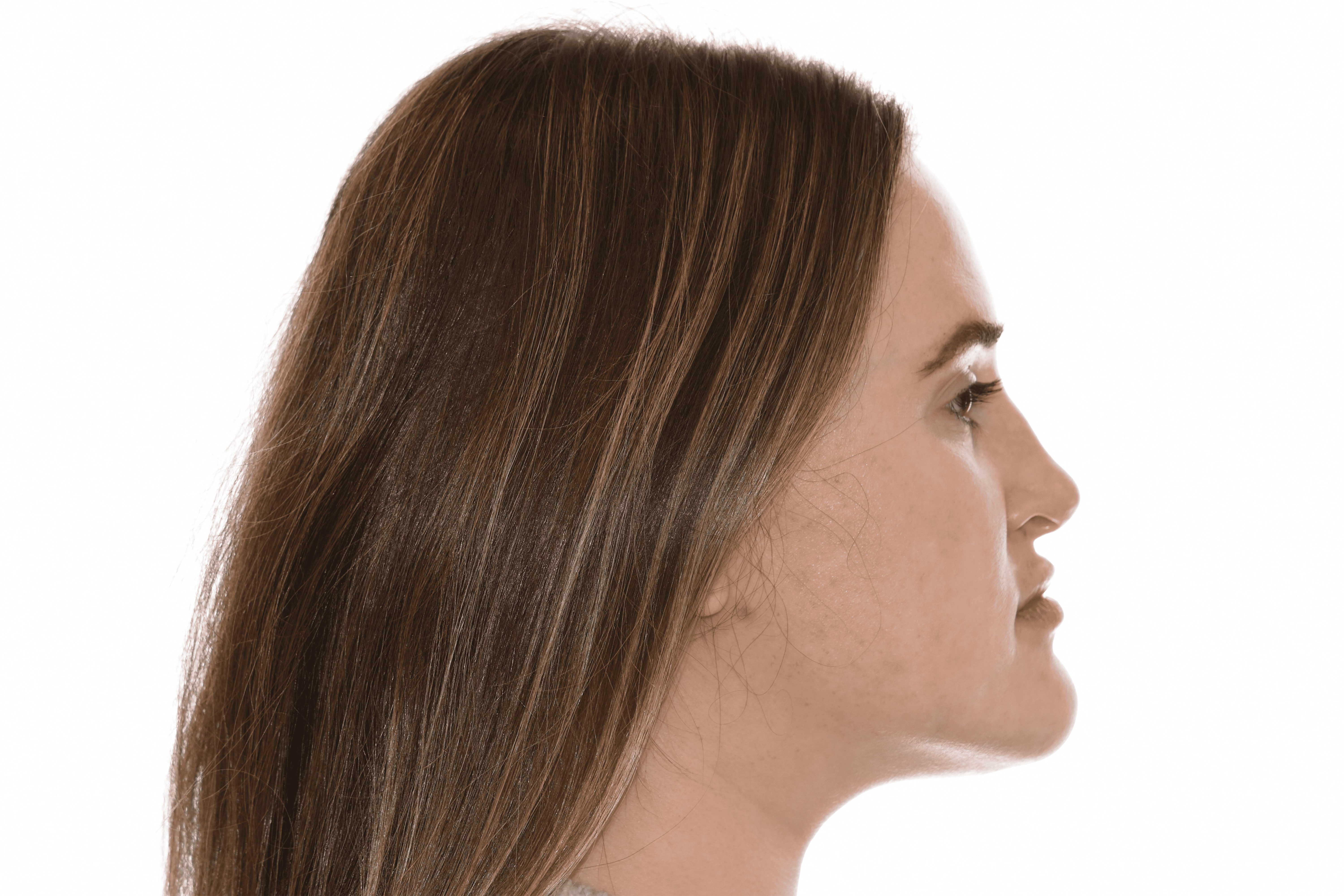
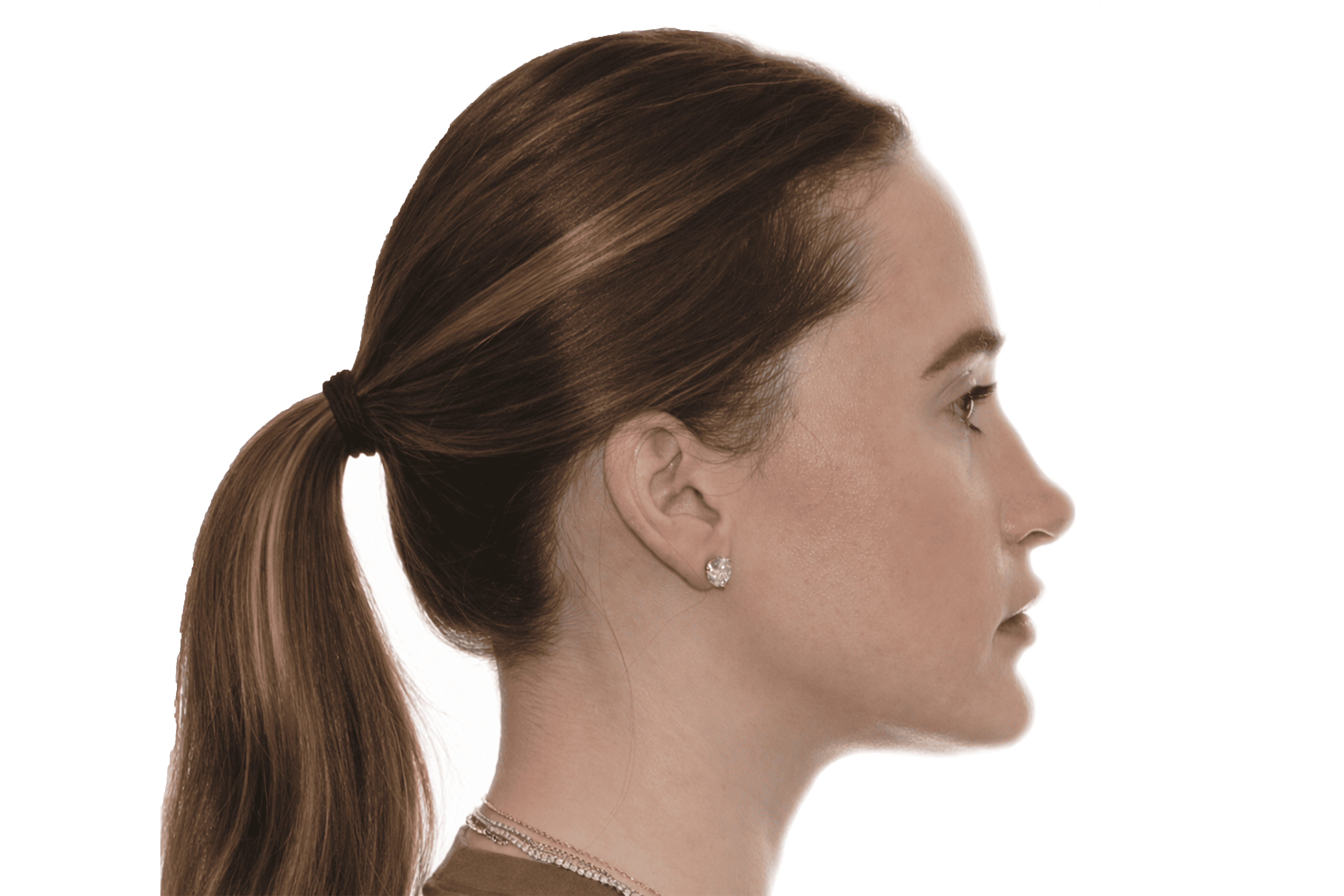
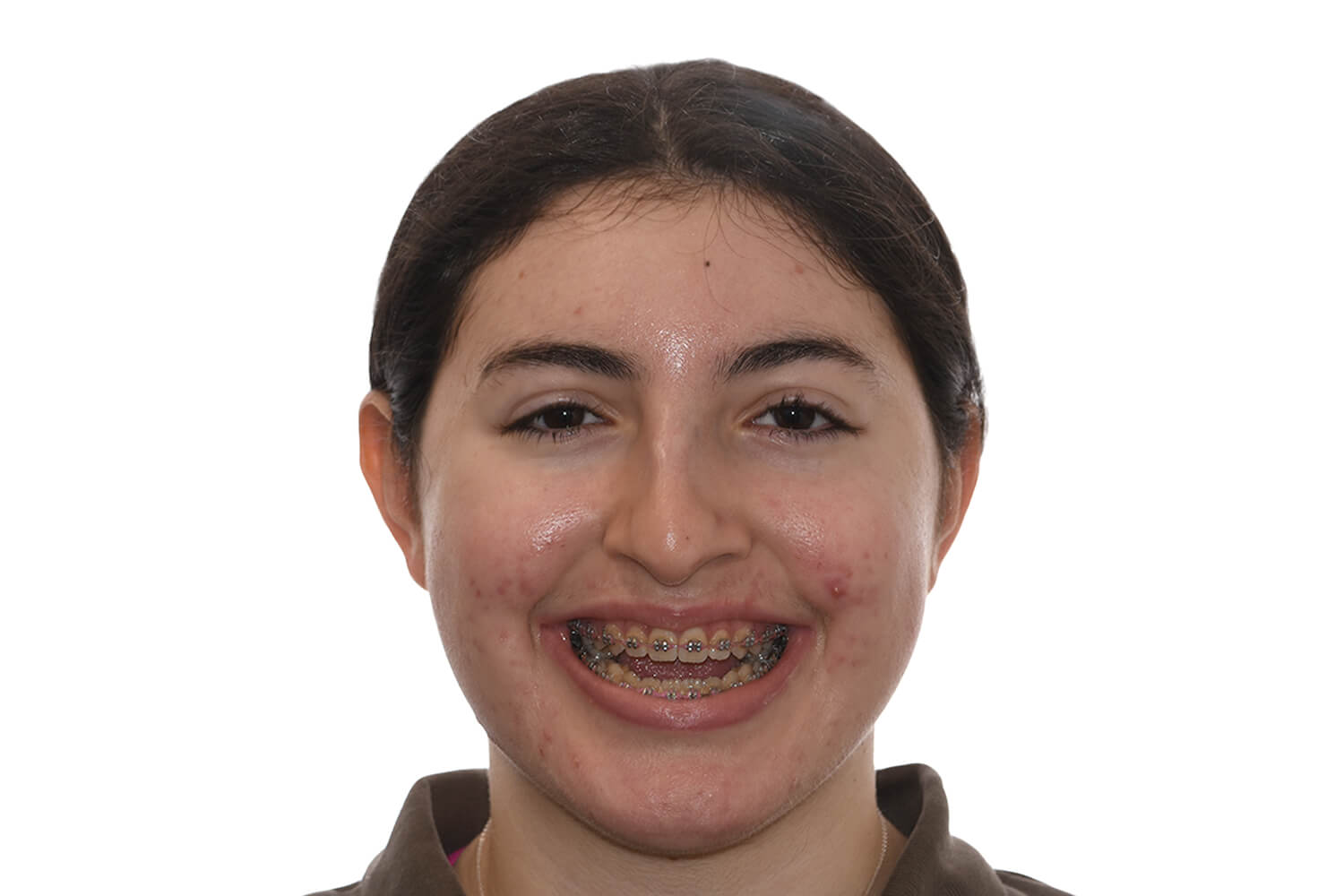
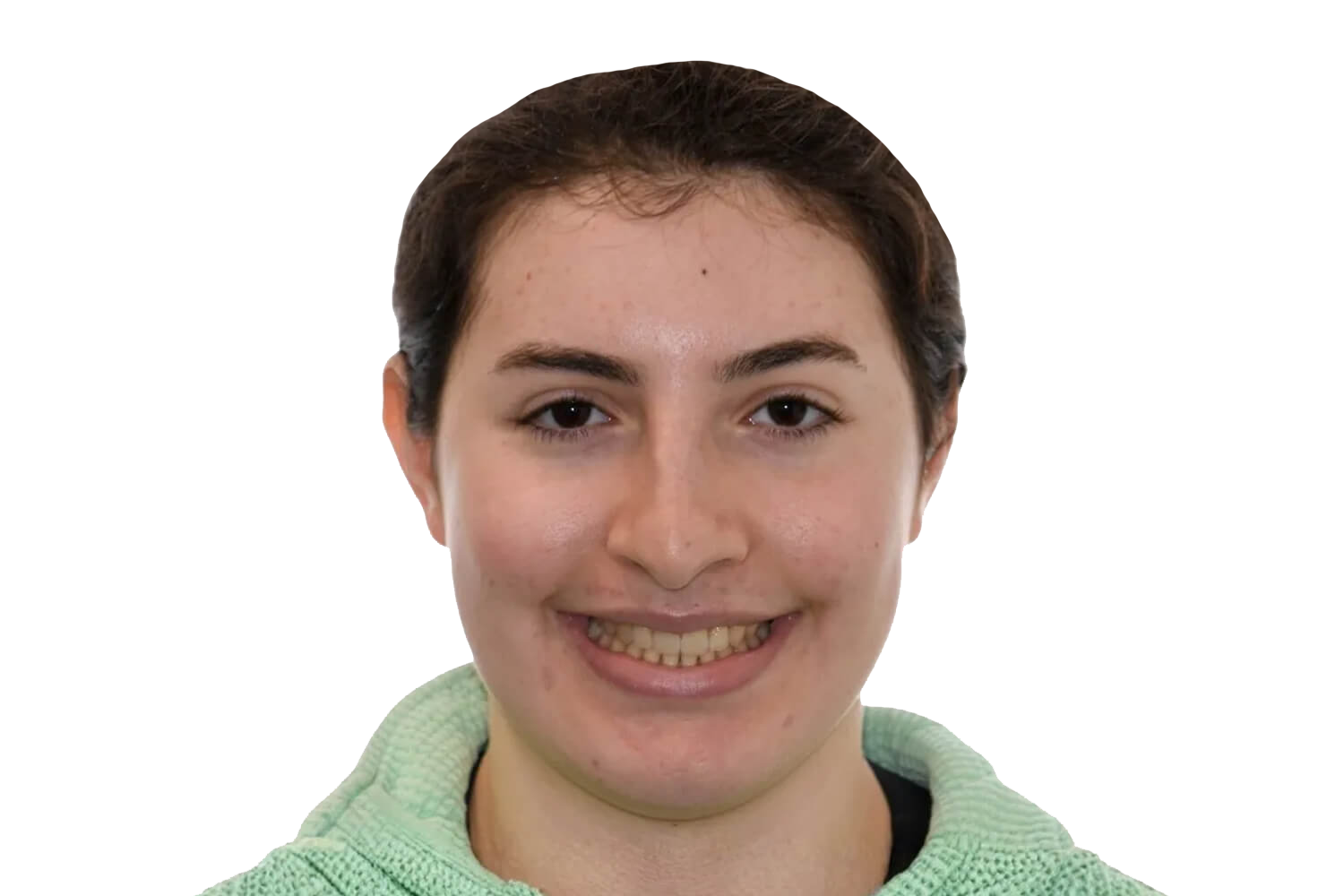
Surgical Management of Condylar Resorption
Presurgical Considerations
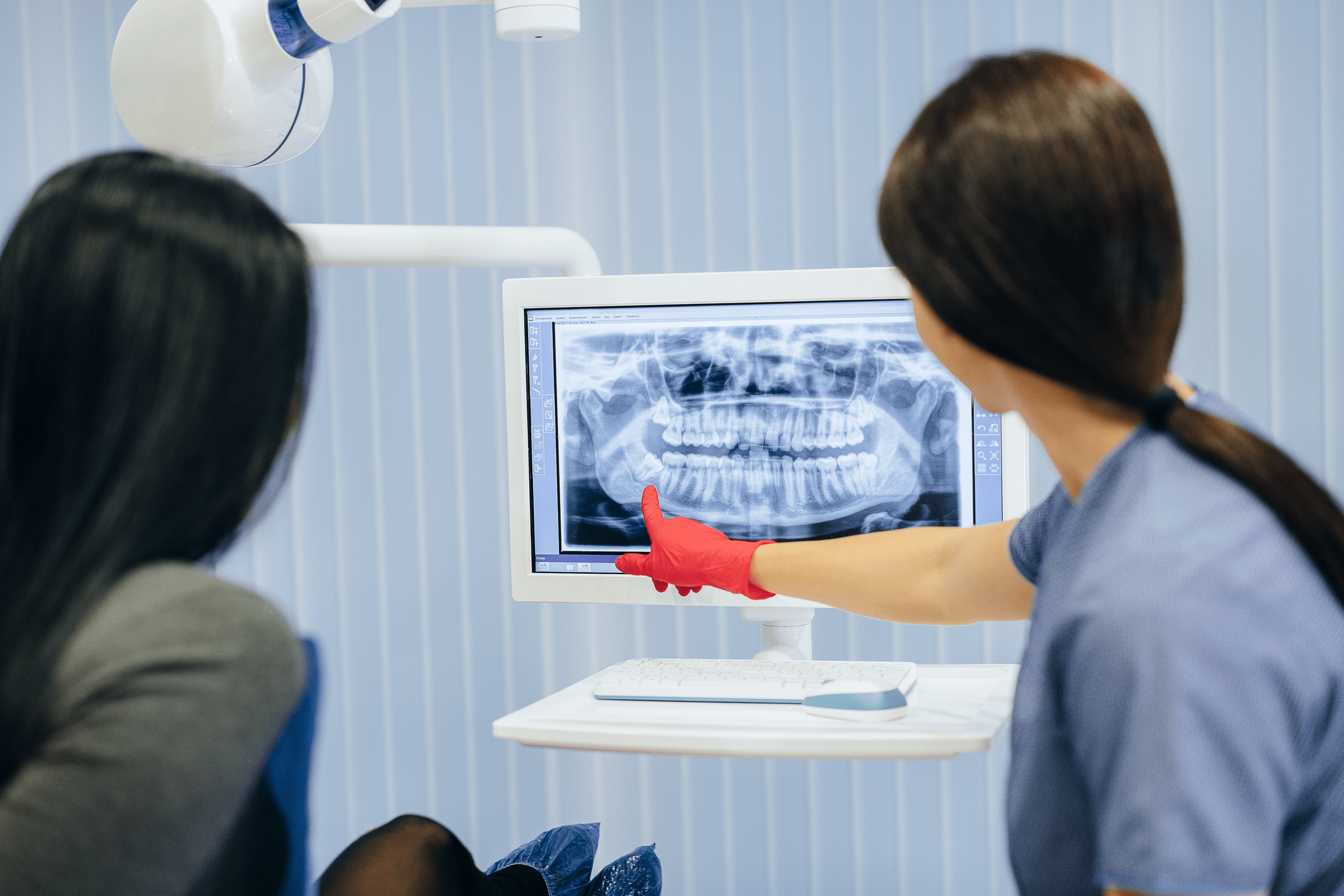
Activity Assessment
Key Assessment Points:

Occlusal Management
Key Assessment Points:
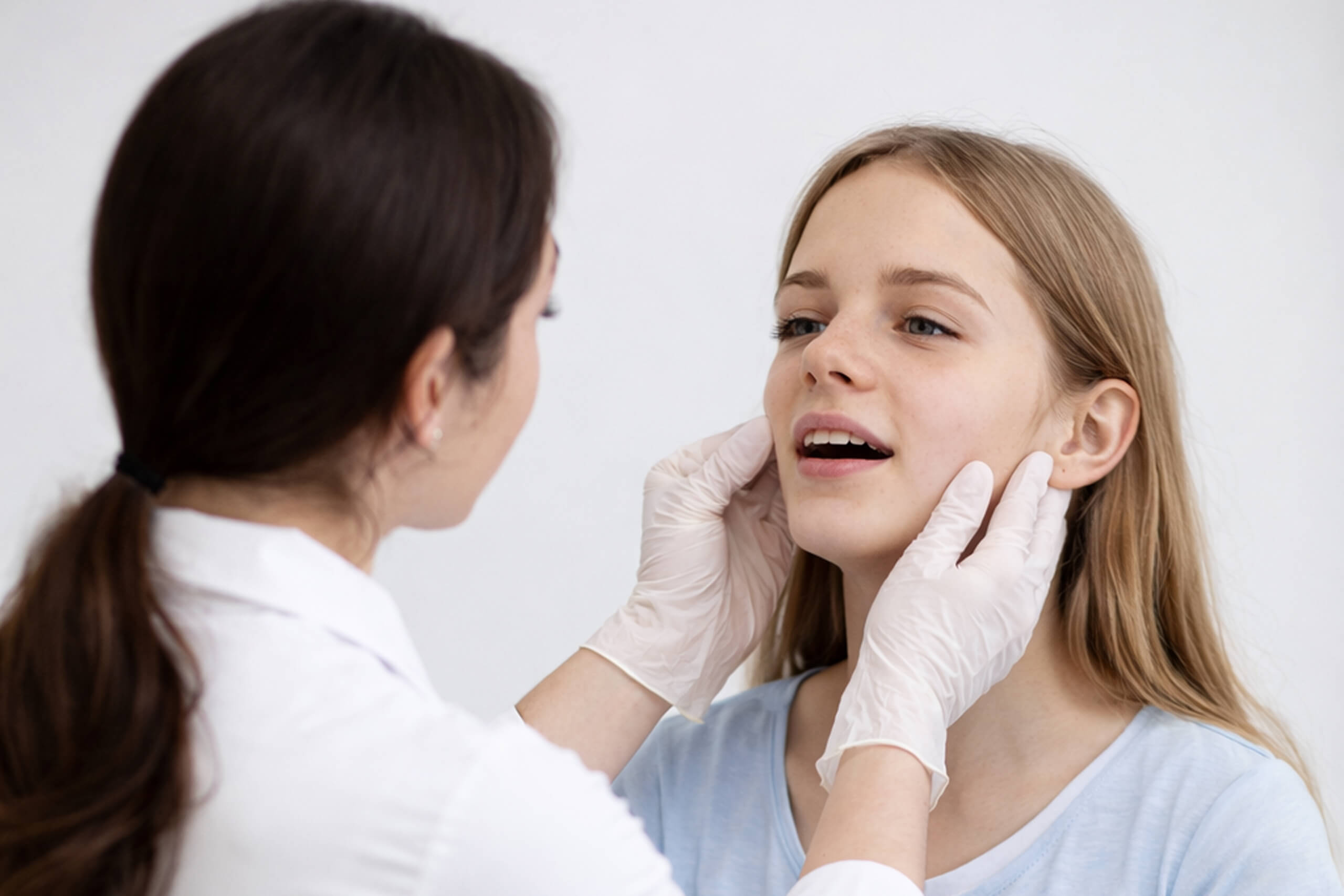
TMJ Evaluation
Key Assessment Points:
Treatment Timeline
Experience Matters
“We personally plan your care, perform your surgery, and guide your recovery. No residents, no fellows, no handoffs.”
Choosing the right surgical team matters. You should feel informed, comfortable, and confident in every step of the process. At our practice, your care is provided by one of the most highly trained and experienced jaw surgery teams in the country.
When you come to our office, you meet directly with your surgeons. We are the ones who plan your treatment, perform your surgery, see you after surgery, and remain personally available to you throughout your recovery. Unlike larger institutions, your care is not delegated to residents, fellows, or doctors in training. Every critical aspect of your treatment is handled by your surgeons.




Founding Members of the American Society of Orthognathic Surgery

What Our Patients Are Saying





Condylar Resorption often involves complex surgical, developmental, and functional concerns that require coordinated, specialized management. Outcomes depend heavily on a surgeon's training, clinical judgment, and familiarity with the nuances of this condition. Teams that regularly treat patients with Condylar Resorption are typically better equipped to manage both immediate surgical needs and long-term outcomes.
In a private practice setting, care is often more streamlined and consistent, with the same surgeon closely involved in evaluation, treatment planning, surgery, and follow-up.
In academic or hospital-based settings, care may involve a larger team that can include residents or fellows participating under supervision. Both models can provide excellent care, but the structure and continuity of treatment may feel different. At our center, your care is delivered directly by your surgeon — not by residents, fellows, or surgeons in training.
It is important to understand who is performing each part of your treatment. In some settings, the attending surgeon performs all critical portions of the procedure, while in others trainees may assist or participate under supervision. This should be discussed clearly in advance. At our center, your surgeon performs all critical portions of the procedure.
Depending on the treatment setting, residents, fellows, or students may be involved in aspects of care. Patients and families should feel comfortable asking about their role and how care is supervised throughout treatment.
At our center, there are no residents or fellows involved in performing surgery.
Long-term follow-up is an important part of care for many conditions managed at our center. In some practices, post-treatment care may be shared among multiple providers, while in others the surgeon remains closely involved throughout recovery and monitoring. At our center, your surgeon personally follows you throughout recovery and long-term care.
Comprehensive care includes direct surgical involvement in evaluation, treatment planning, surgery, and long-term follow-up. Consistency throughout the process helps maintain continuity of care.
At our center, your surgeon is directly involved at every stage — from initial evaluation through treatment and follow-up.
Condylar resorption is a condition in which the condyles, the rounded upper portions of the lower jaw that form the jaw joint, progressively break down and lose volume over time. As the condyles resorb, the lower jaw moves backward and rotates, causing changes in the bite, facial profile, and jaw function.
Condylar resorption most commonly affects young women, particularly those in their teens and twenties. It may be idiopathic, meaning no clear cause is identified, or it may be associated with hormonal factors, systemic inflammatory conditions, mechanical loading, or prior orthognathic surgery.
Symptoms may include progressive changes in the bite, particularly an open bite in the front teeth, a worsening of the jaw profile with increasing chin recession, jaw joint pain or clicking, difficulty chewing, and in some cases airway changes related to backward rotation of the lower jaw.
Diagnosis involves a combination of clinical evaluation, dental and facial imaging, and in some cases nuclear medicine bone scanning or MRI to assess joint anatomy and confirm whether resorptive activity is ongoing. Monitoring over time helps determine whether the process is stable or progressing.
The cause is often multifactorial and not fully understood. Contributing factors may include hormonal influences, inflammatory joint disease, mechanical overloading, and individual biological susceptibility. In many patients, no single identifiable cause is found, and it is not the result of anything the patient did.
There is no universally effective method to halt resorption once it has begun. Management focuses on monitoring the condition, minimizing contributing factors where possible, and planning surgical correction after the process has stabilized.
Surgery is typically considered once condylar resorption has stabilized, as operating during active resorption carries a higher risk of relapse. Surgical options depend on the severity of joint destruction and the degree of bite and facial profile changes that have occurred.
Surgical options range from orthognathic surgery to reposition the jaws once the joints are stable, to total temporomandibular joint replacement combined with jaw repositioning when the condyles are severely damaged. Joint replacement allows simultaneous correction of the bite and facial profile regardless of whether the joints remain active.
Total temporomandibular joint replacement involves replacing the condyle and joint socket with custom-fabricated prosthetic components. This is appropriate when the condyles are significantly destroyed and a stable joint foundation is necessary for durable surgical results.
Yes. In many patients with advanced condylar resorption, orthognathic surgery and joint replacement are performed simultaneously to address both the joint pathology and the resulting skeletal and bite deformity in a single procedure.
Long-term follow-up is important to monitor bite stability, joint function, and the surgical result over time. Regular imaging and clinical assessment allow the care team to detect any changes early and adjust recommendations accordingly.
With appropriate timing and treatment selection, many patients experience meaningful improvement in bite function, facial profile, and jaw comfort. Outcomes depend on the severity of resorption, the stability of the condition at the time of surgery, and the treatment approach chosen.
Yes. We regularly care for patients traveling from outside the region for condylar resorption evaluation and surgical treatment, including total joint replacement.
Condylar resorption treatment often involves more complex procedures than standard orthognathic surgery, and the local stay reflects that. For orthognathic surgery alone performed once joints are stable, patients are typically discharged within two to three days. Out-of-town patients should plan to remain locally for approximately seven to ten days before ground travel, with the first post-operative visit serving as the key clearance checkpoint before departure. Air travel is generally approximately ten to fourteen days after surgery. For combined total joint replacement and orthognathic surgery, the recovery involves closer early monitoring and patients should plan for approximately ten to fourteen days locally before ground travel and approximately two weeks before flying — again with the post-op visit as the milestone that confirms readiness for travel. All timelines are estimates and depend on the complexity of the surgery, recovery progress, and the individual case, and your surgeon will give you a specific plan well before the procedure.
Yes. Ground travel is generally approved before air travel, and for the more complex procedures involved in condylar resorption treatment, the difference between the two is meaningful. Your surgeon will confirm both clearances at or following the post-operative visit.
Evaluation at our center includes detailed clinical examination, imaging review, joint assessment, and a thorough discussion of whether resorption is active or stable, what surgical options are appropriate, and what the timing and staging of treatment would look like. Patients leave with a clear understanding of their diagnosis and a personalized plan.
Yes. Long-term follow-up is an essential part of care after condylar resorption treatment and includes monitoring of bite stability, joint function, and the surgical result over time. Some visits may be conducted via telemedicine, while imaging and in-person assessments will require a return to the center. Your surgeon will outline the full follow-up schedule before you travel home.