

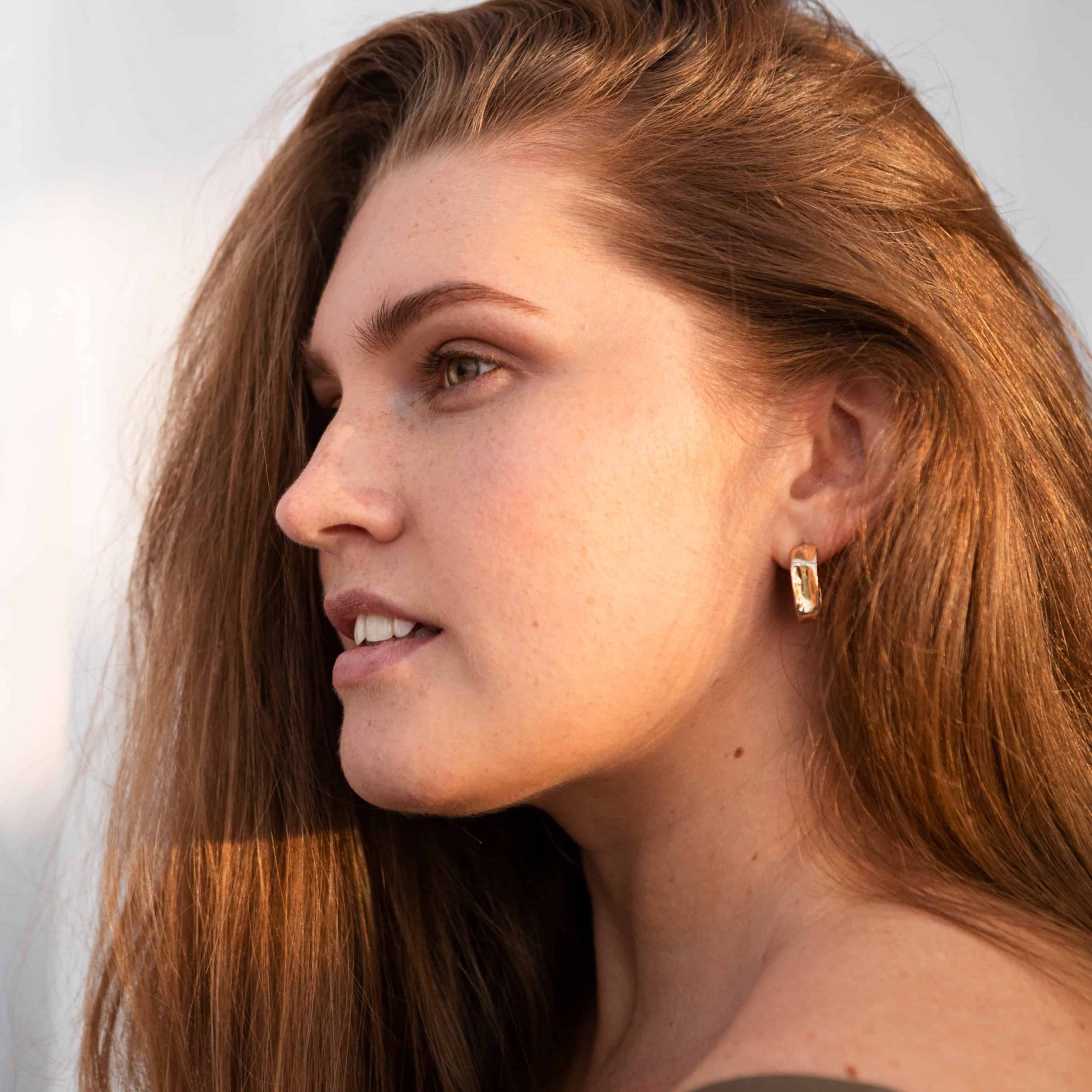
Close up beautiful young woman.

Vertical Maxillary Excess

A well-recognized condition we frequently treat, vertical maxillary excess is highly correctable with outcomes that reduce excess gum display and improve facial harmony.

What Is Vertical Maxillary Excess

Understanding Vertical Maxillary Excess

Vertical maxillary excess is a skeletal condition characterized by excessive downward growth of the upper jaw, resulting in increased vertical facial height. This disproportionate vertical development can affect dental exposure, lip posture, and facial balance, often leading to a “long face” appearance and a “gummy smile”. Treatment commonly involves Orthognathic surgery to reposition the upper jaw and, when necessary, the lower jaw, restoring facial height, correcting bite alignment, and improving overall facial balance.
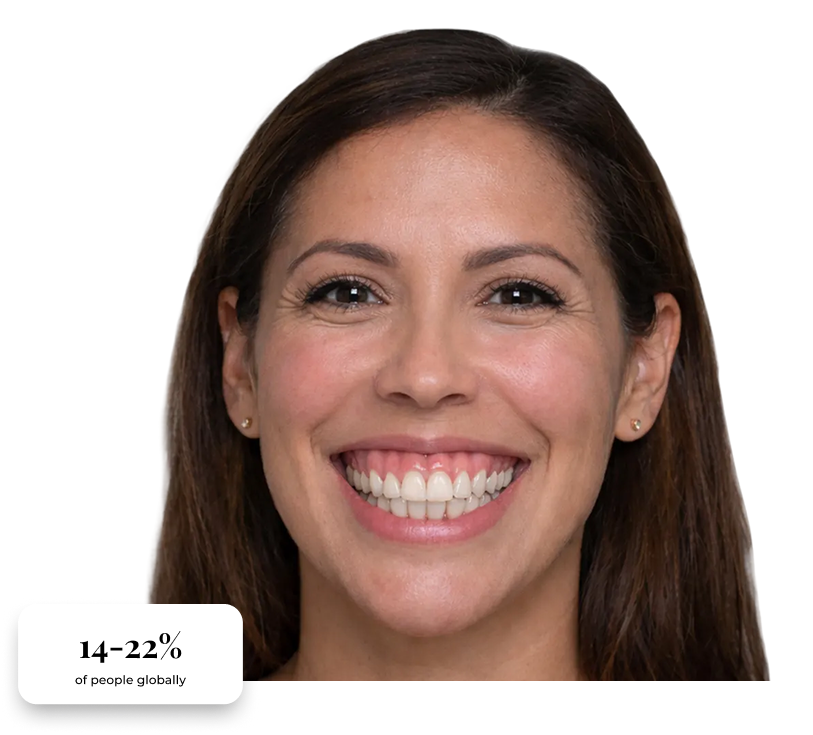
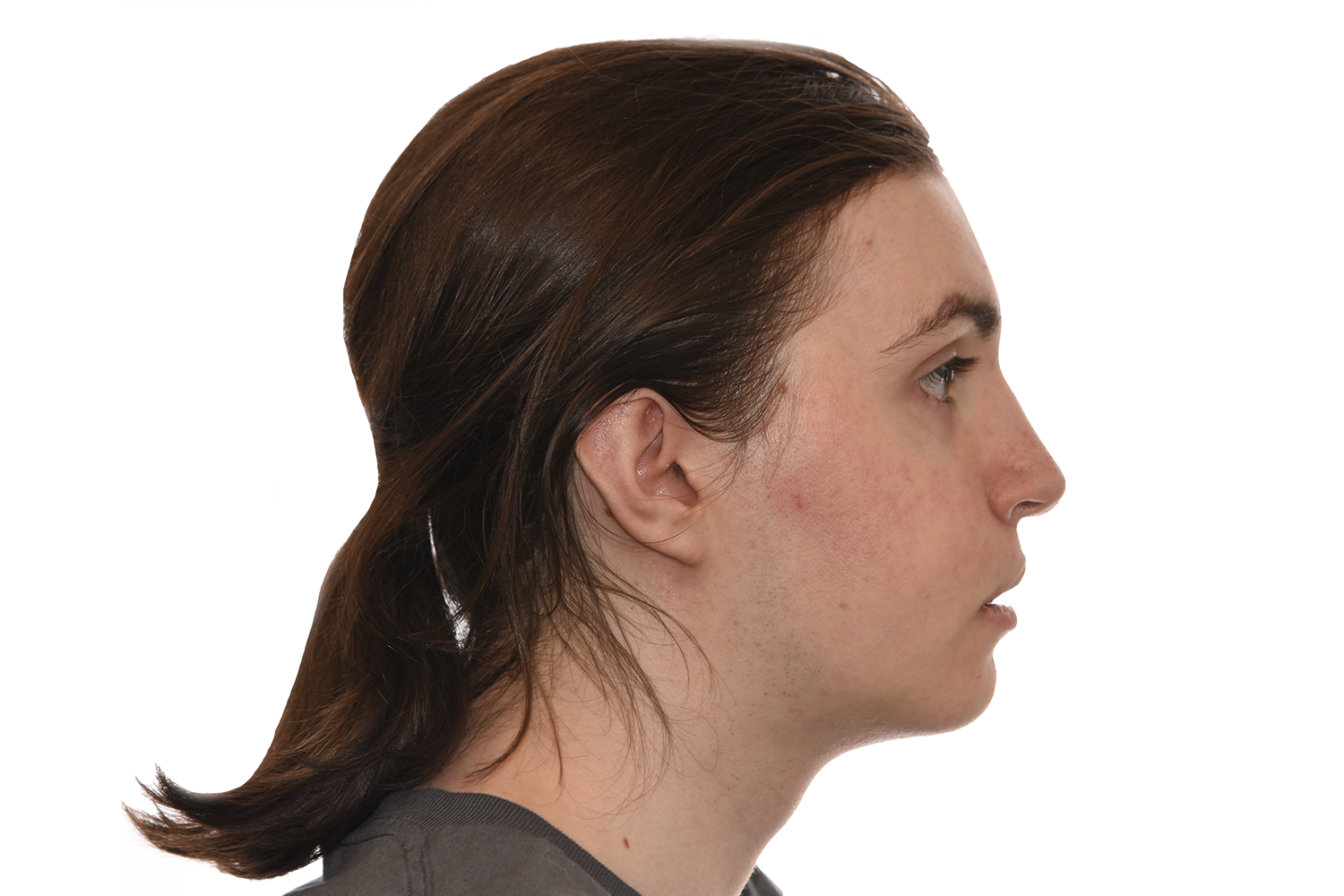
Clinical presentation of vertical maxillary excess, with stats.

Clinical Presentation

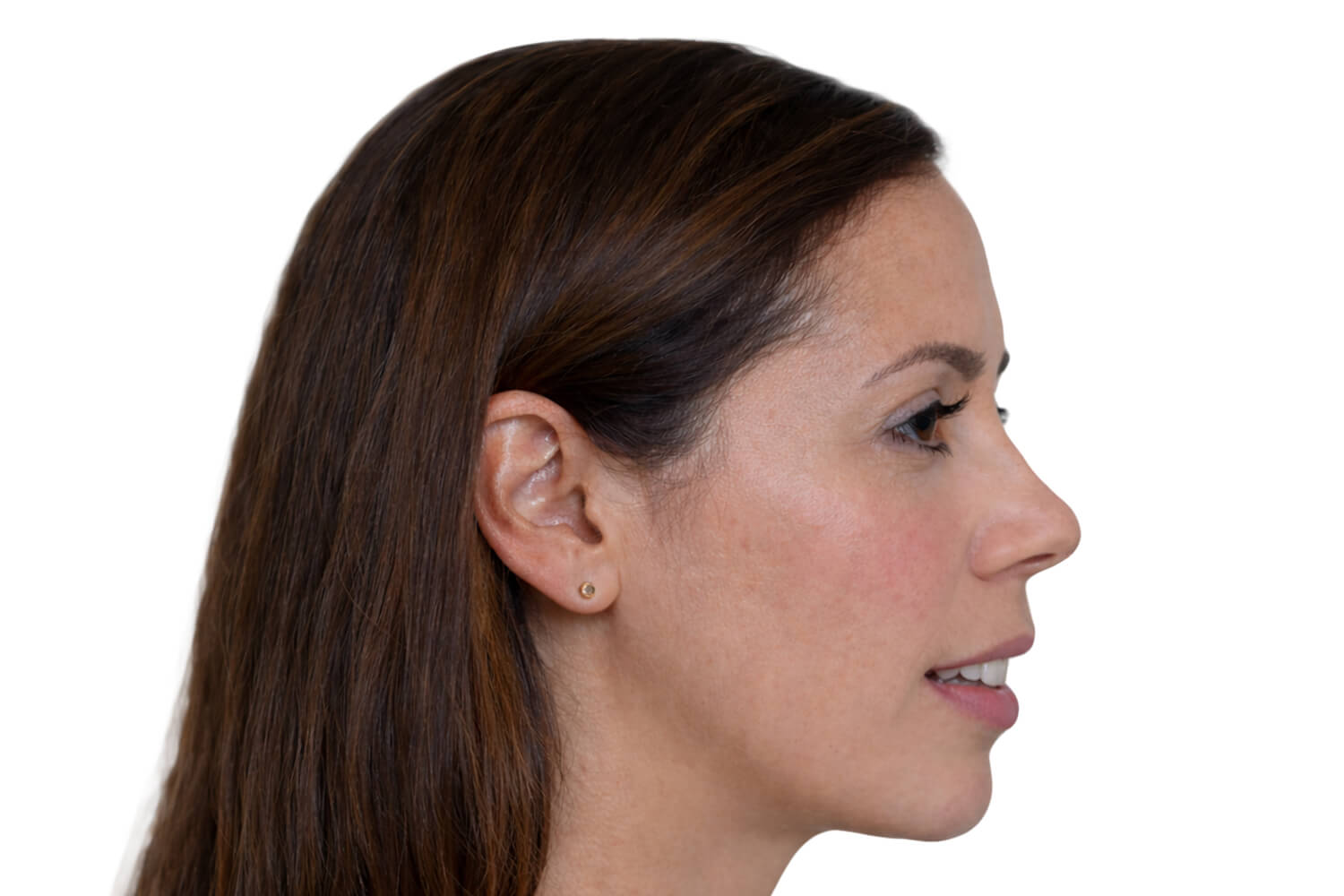
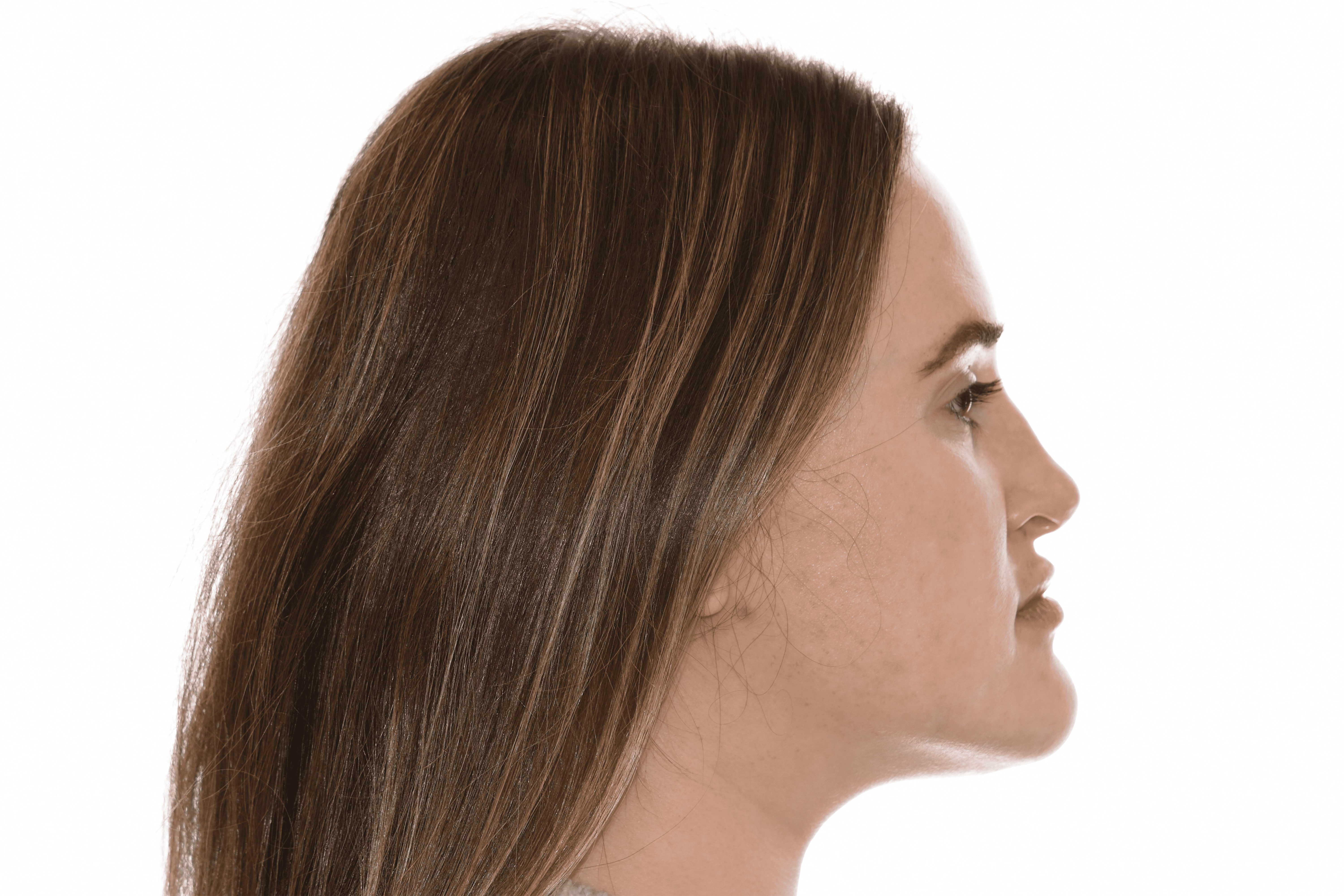
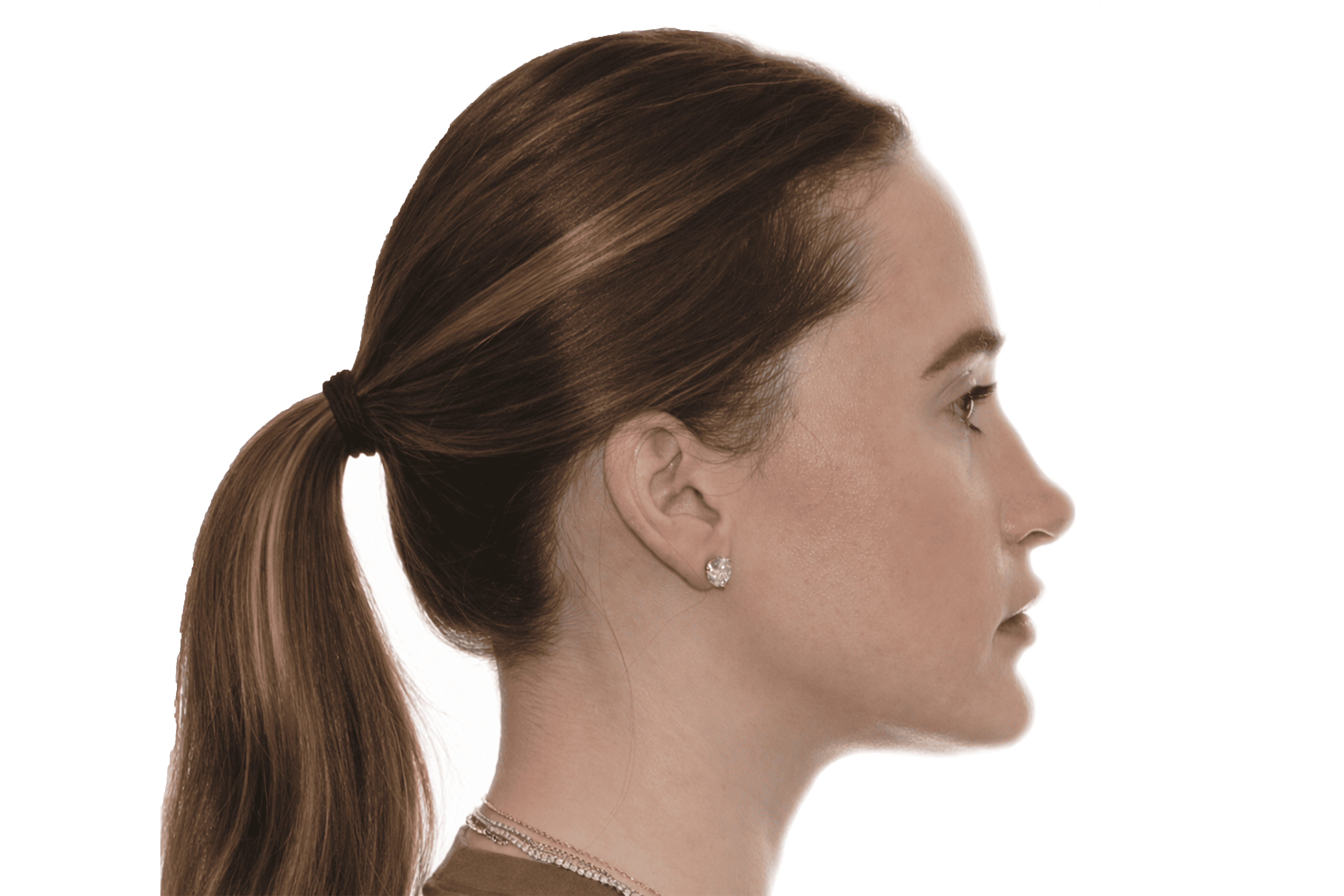
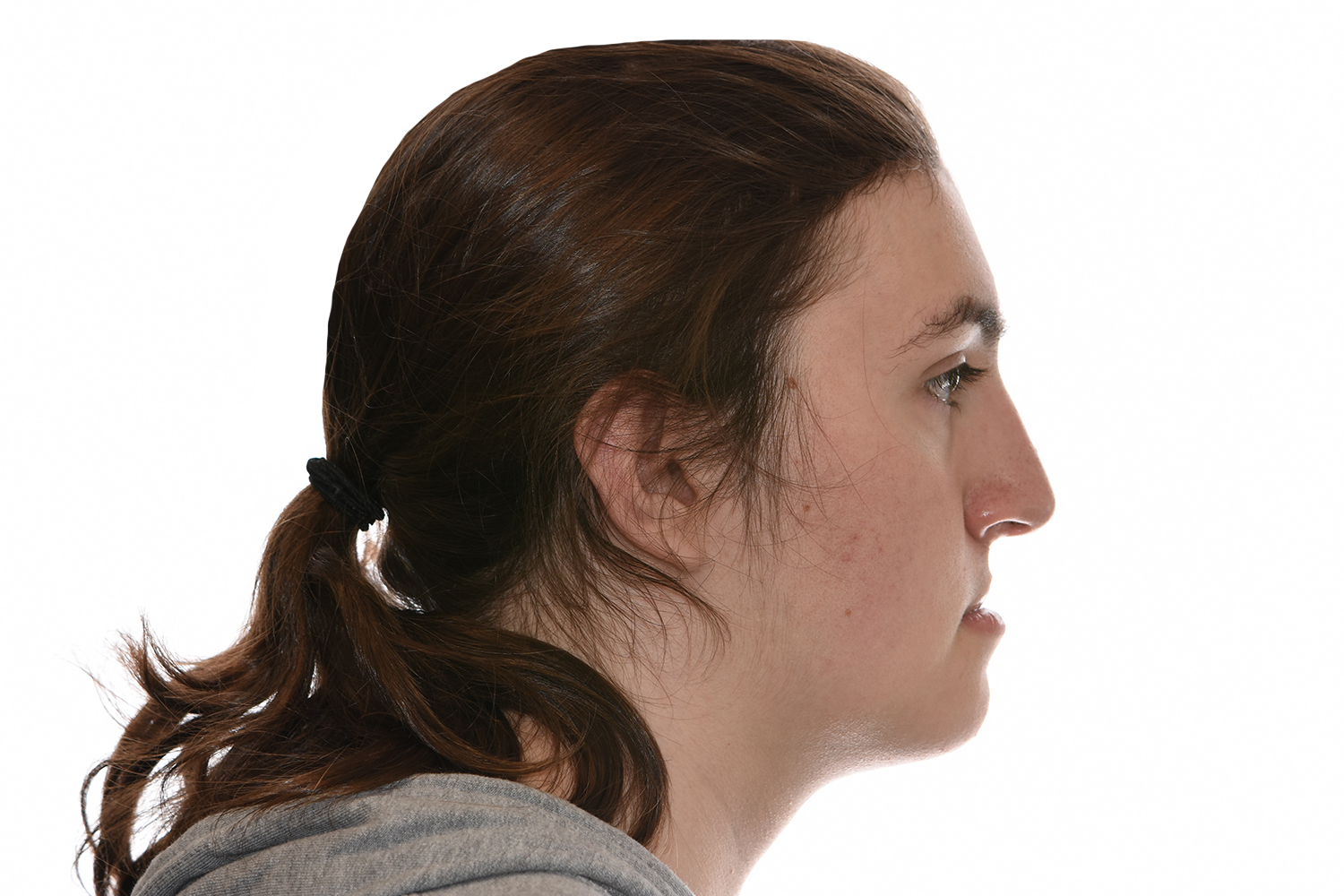
Clinical presentation of vertical maxillary excess, profile view.
Side View

Profile Analysis

From the side, vertical maxillary excess contributes to increased lower facial height and downward positioning of the upper jaw, affecting overall facial proportions.

Key Assessments:

Increased lower facial height
Downward maxillary position
Steep mandibular plane
Lip strain on closure
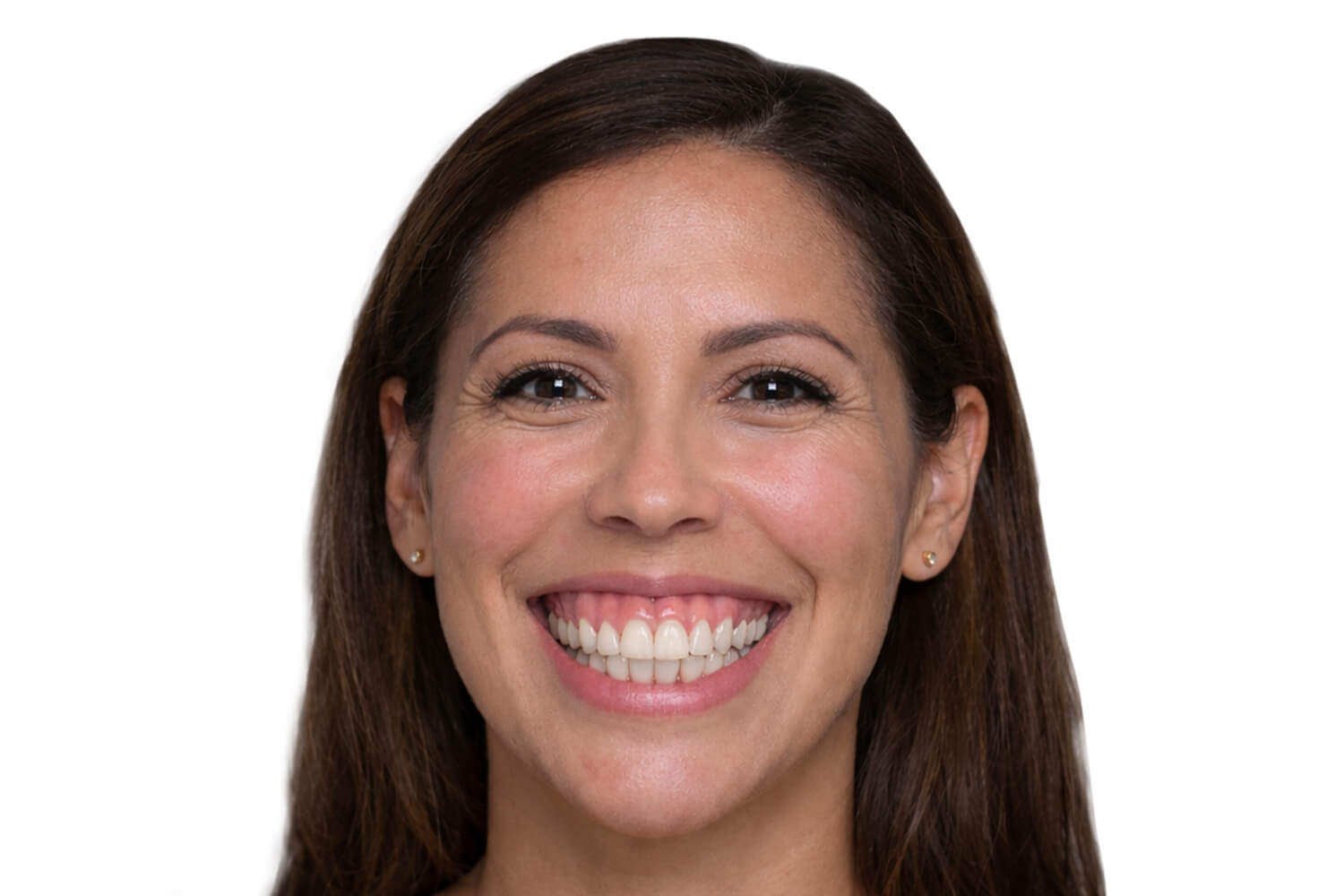
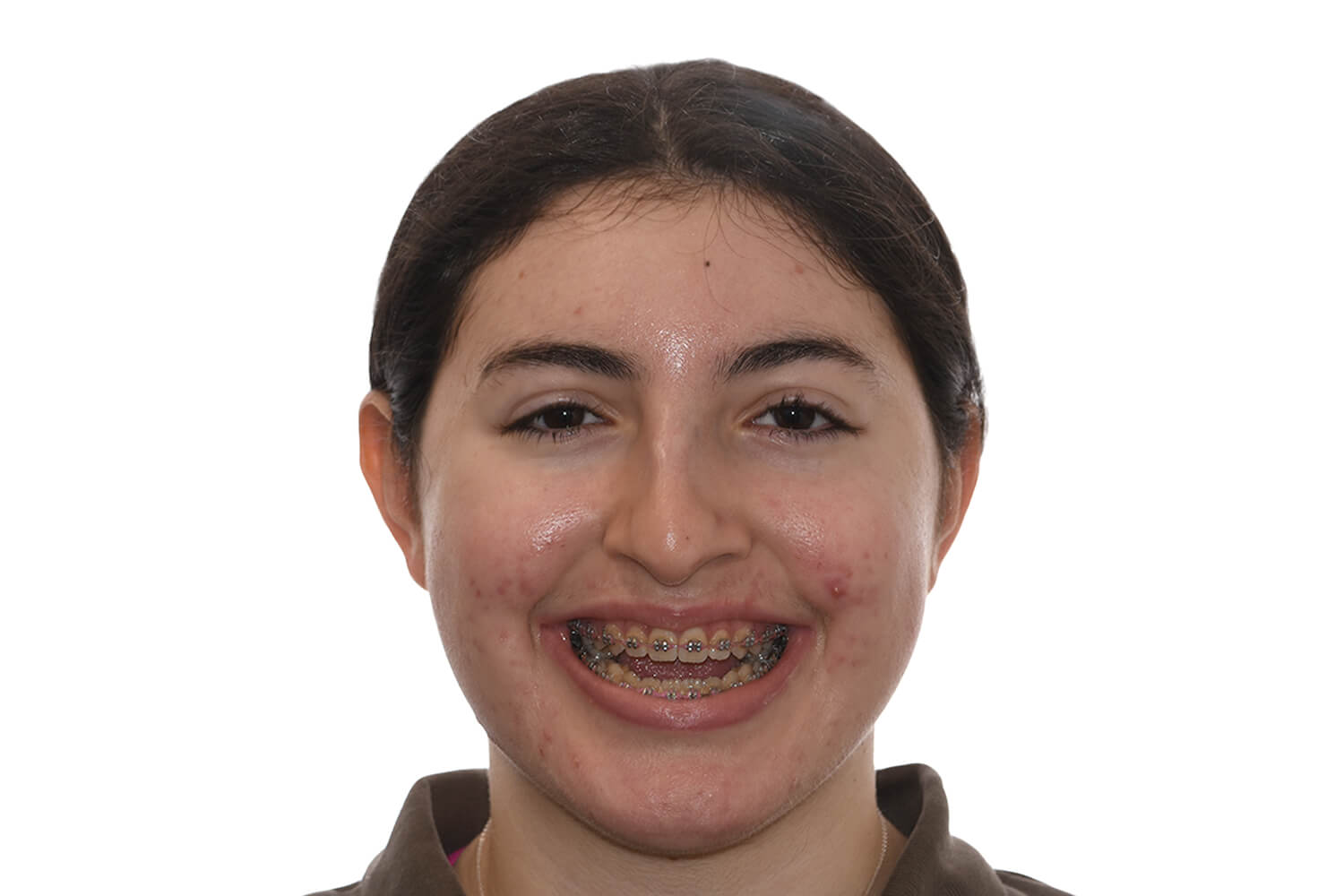
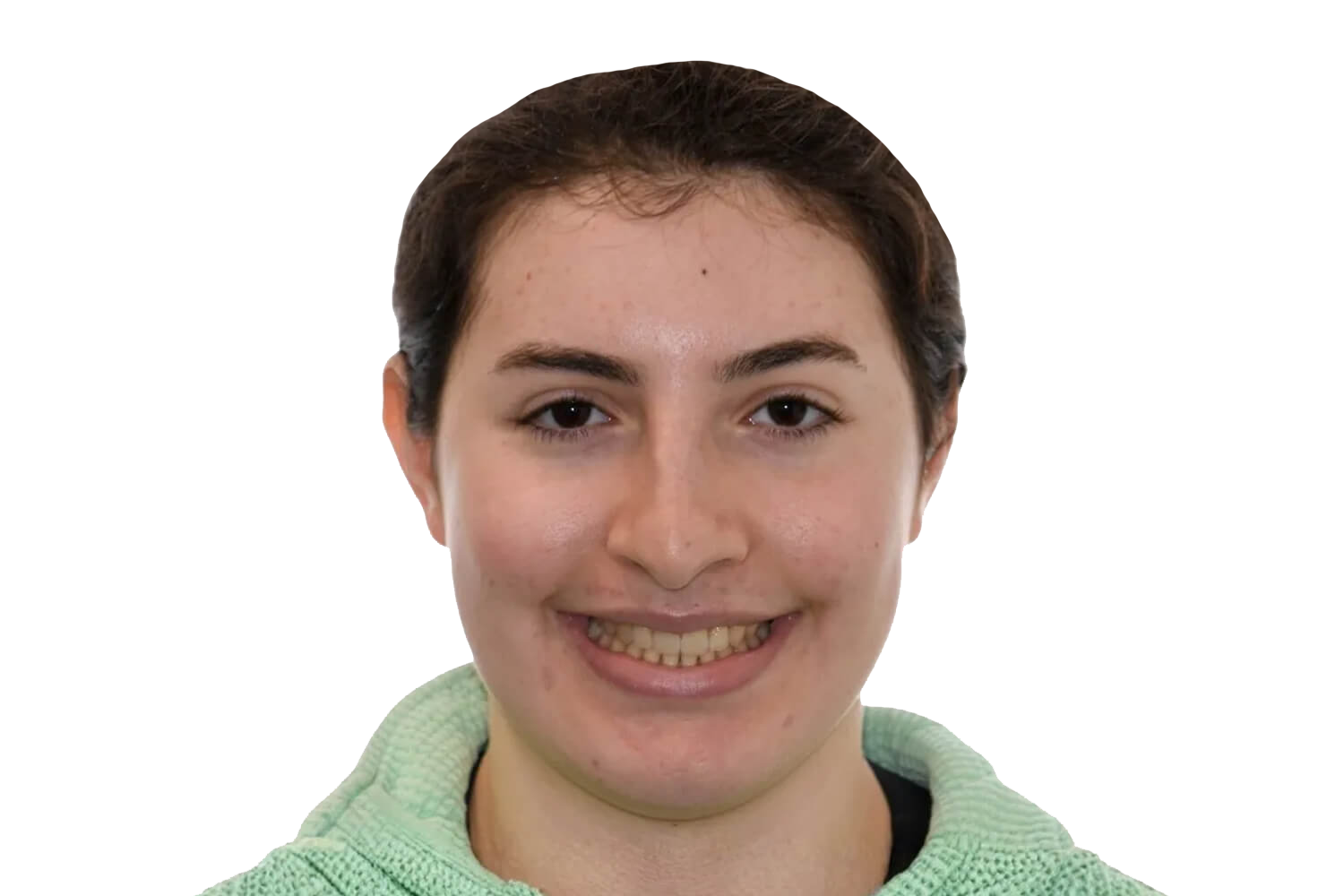
Clinical presentation of vertical maxillary excess, frontal view.
Frontal View

Facial Symmetry

Vertical maxillary excess is characterized by increased vertical height of the upper jaw, often resulting in excessive gingival display and elongation of the midface.

Key Assessments:

Increased vertical maxillary height
Excessive gum display
Elongated midface appearance
Lip incompetence at rest
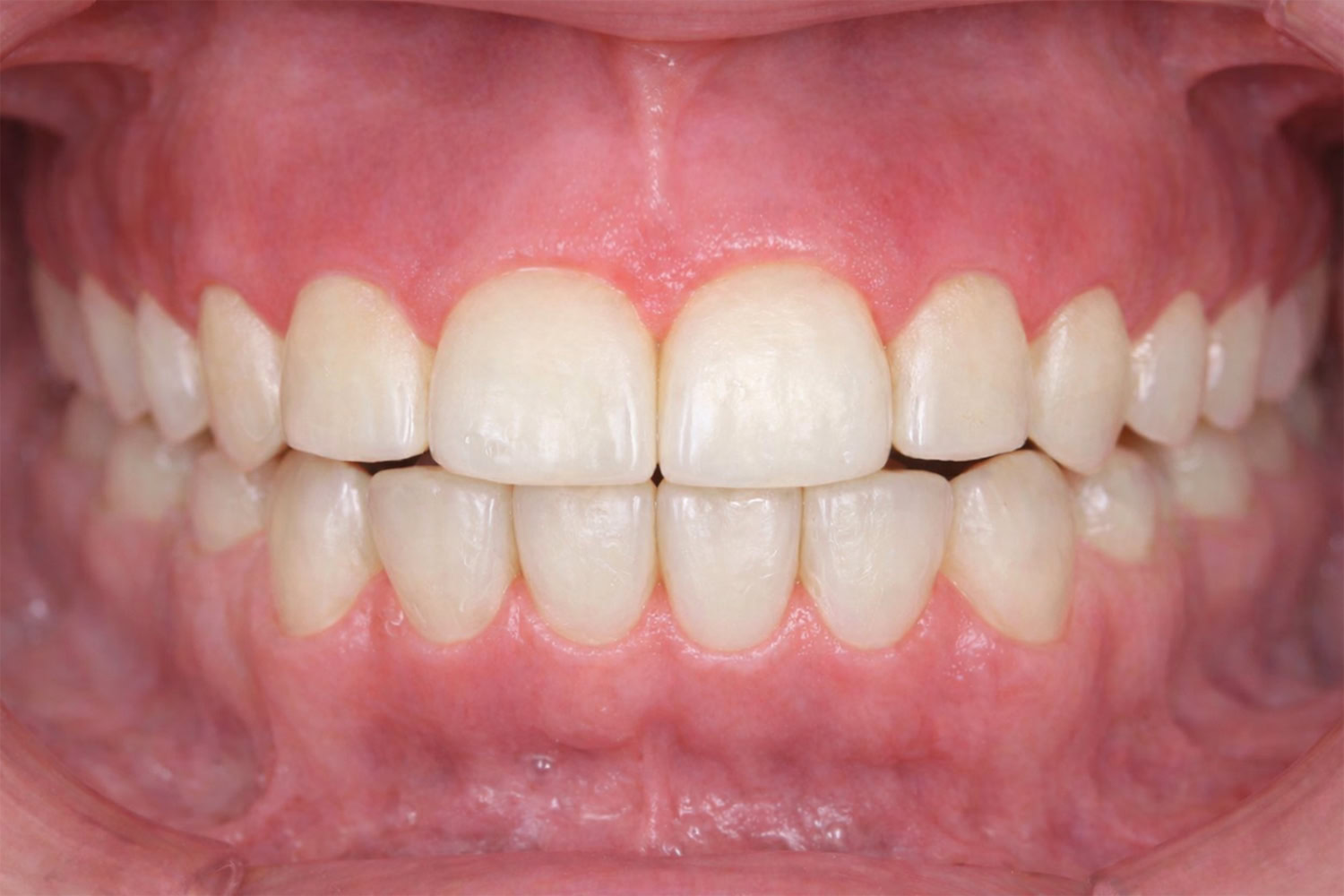
Clinical presentation of vertical maxillary excess, occlusal view.
Bite View

Occlusal Relationship

Vertical maxillary excess may be associated with open bite tendencies or altered vertical relationships between the upper and lower teeth.

Key Assessments:

Open bite tendency
Excessive Incisor Display
Steep Occlusal Plane
Lip Incompetence

Vertical Maxillary Excess

Common Functional Issues

Icon representing eating and chewing.

Eating

Excess vertical growth can reduce effective bite force, making chewing less efficient and sometimes tiring.

Icon representing speech.

Speech

Speech is typically unaffected but may be influenced by excessive tooth or gum display, especially if an open bite is present.

Icon representing TMJ symptoms.

TMJ

Increased vertical dimensions can alter joint mechanics, occasionally leading to muscle fatigue or discomfort.

Icon representing breathing.

Mouth Breathing

This pattern is often associated with mouth breathing, which can contribute to ongoing facial growth changes.

Icon representing nasal congestion.

Nasal Congestion

Nasal airway function may be compromised, contributing to inefficient breathing or snoring.

Icon representing physiological factors.

Psychosocial Effects

Excessive gum display and elongated facial proportions can affect smile confidence and self-image.

Before & After Gallery
Vertical Maxillary Excess

Jaw Surgery Procedures

Orthognathic surgery corrects vertical maxillary excess by repositioning the upper jaw to reduce excessive facial height, improve facial balance, and establish a more functional bite. Most commonly, a Le Fort I impaction is performed, sometimes combined with lower jaw surgery to optimize the result.

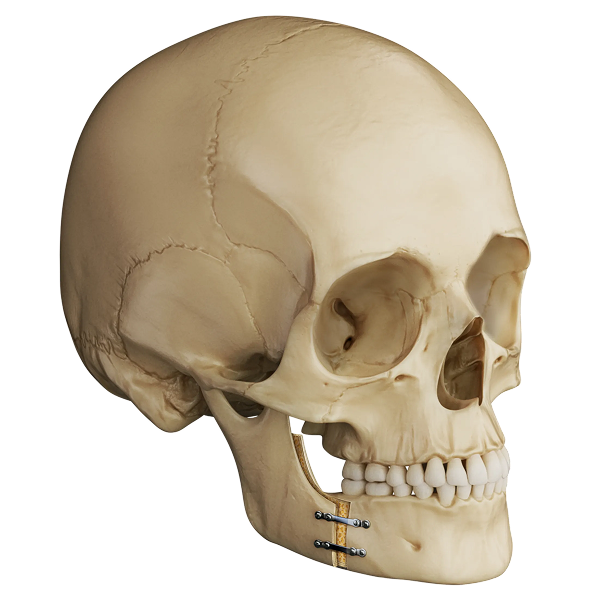
BSSO

BSSO Result Illustration

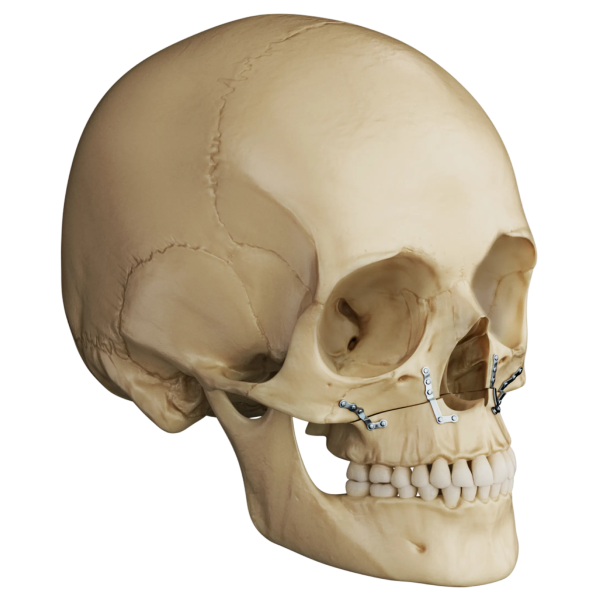
Le Fort I

Le Fort I Osteotomy Result Illustration

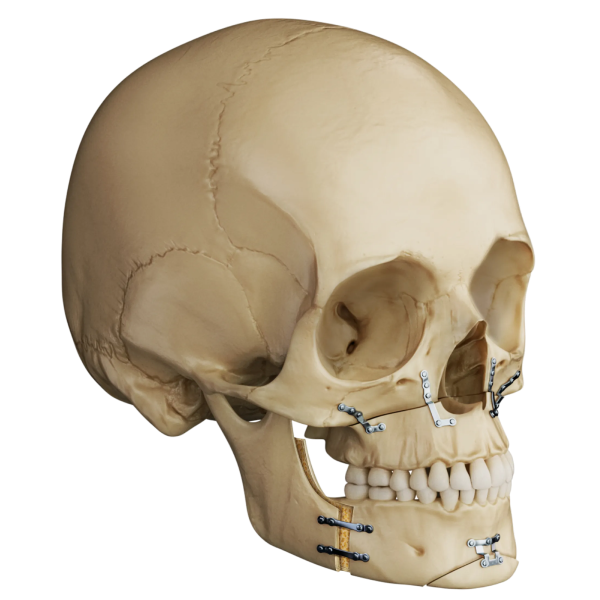
Double Jaw

Double Jaw Surgery Result Illustration

Life-Changing Benefits

Reducing excessive vertical growth improves smile aesthetics, bite function, and facial proportions.

Reduced gum display
Improved bite efficiency
Balanced facial height
Improved lip competence
Reduced muscle strain
Increased confidence

Surgical Management of Vertical Maxillary Excess

Upper Jaw

Le fort I osteotomy corrects vertical maxillary excess by separating the upper jaw from the surrounding facial skeleton, allowing it to be impacted upward to reduce excessive vertical height. This single-jaw procedure shortens the lower facial third, improves lip closure, and reduces gummy smile. The jaw is secured with titanium plates and screws, improving chewing, speech, and facial proportions. Each case is planned with advanced imaging and surgical

Both Jaws

When vertical maxillary excess is severe or accompanied by additional skeletal discrepancies, double jaw surgery is recommended. A Le fort I osteotomy with maxillary impaction is combined with a bilateral sagittal split osteotomy to simultaneously reposition both jaws. The resulting occlusal plane change is coordinated with a counterclockwise rotation of the mandible to achieve ideal chin position and facial balance. Both jaws are secured with titanium plates and screws, improving chewing, speech, breathing, and facial harmony.

Presurgical Considerations

Smiling woman with curly hair in a casual striped shirt at a cafe.

Growth Completion

Key Assessment Points:
Facial height no longer increasing
Gum show stable
Post-menarche growth complete (females)
Vertical ceph X-ray stable
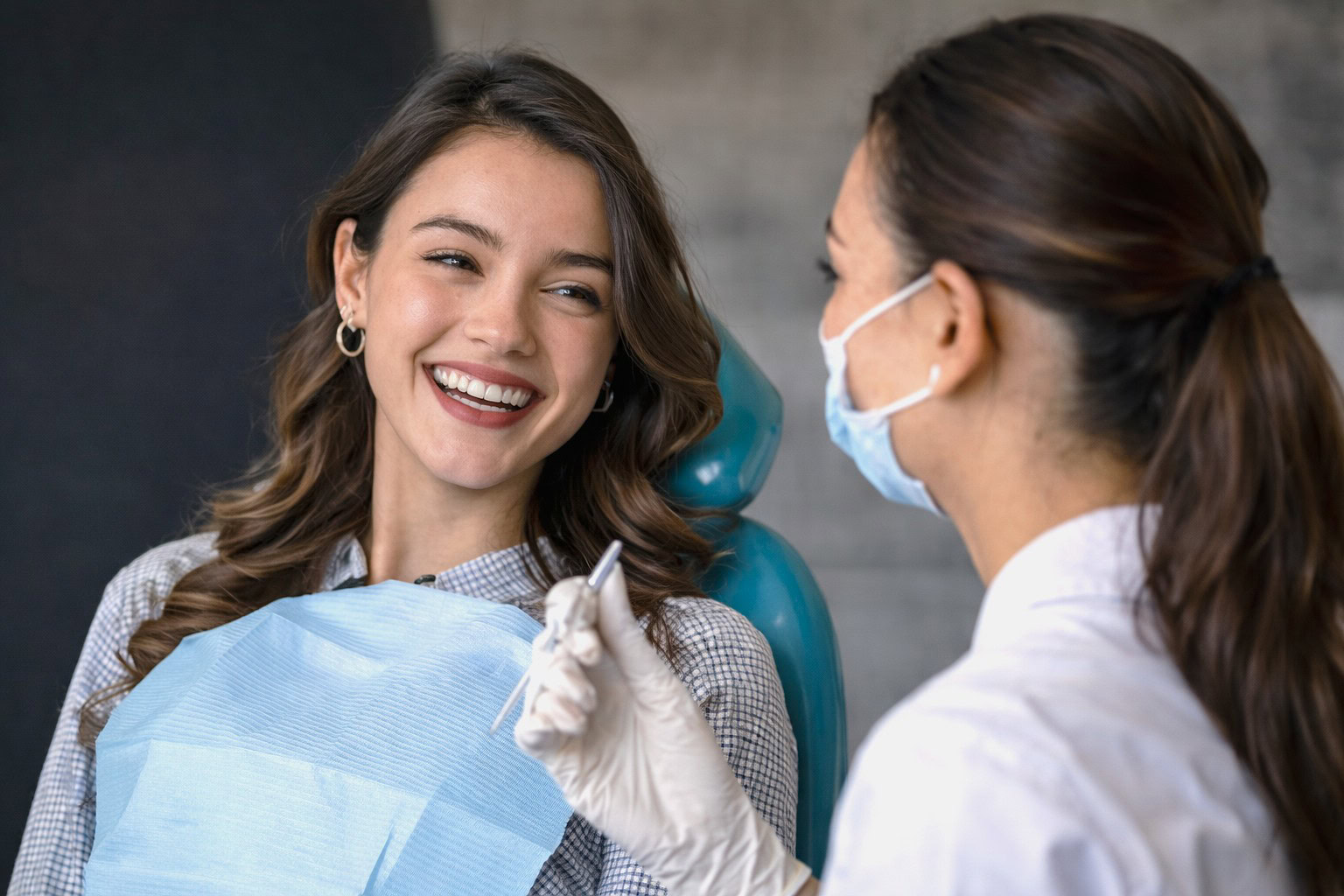
Beautiful-positive-young-woman-smiling in exam chair

Orthodontic Preparation

Key Assessment Points:

Arches leveled and aligned
Arches coordinated
Arch width corrected
Open bite addressed
Vertical maxillary excess cover.

Smile & Facial Proportions

Key Assessment Points:

Smile line evaluation
Gingival display measured
Lip competence assessed
Facial thirds analyzed

Timeline for Vertical Maxillary Excess

Month 0

Initial Consultation

Comprehensive history, clinical evaluation, 3D scans, X-rays, photographs, and impressions to assess jaw position and bite.

2–4 weeks after initial consultation

Treatment Planning Visit

Once your records are reviewed and the doctor has coordinated with your orthodontist, you’ll return either in person or via telemedicine to review your treatment plan, see prediction images, and go over the steps and timeline ahead.

6–12 months

Orthodontic Preparation (if necessary)

Braces or aligners gradually guide the teeth into proper positions to prepare the jaws for surgical
correction. In select cases, a surgery-first approach may be possible.

3-6 weeks prior to surgery

Final Surgical Planning

Virtual surgical planning determines precise bone movements for optimal symmetry, stability,
and facial balance.

2–4 weeks prior to surgery

Pre-Op Medical Clearance

Medical exams, lab testing, and final instructions ensure the body is fully prepared for surgery.

Typically a one-night hospital stay

Surgery Day

Corrective jaw surgery is performed to reposition the jaws, improve bite function, and enhance facial balance.

3–9 months after surgery

Post-Surgical Orthodontics

Final orthodontic treatment fine-tunes tooth position and bite, optimizing aesthetics, function, and long-term stability.

Experience Matters

“We personally plan your care, perform your surgery, and guide your recovery. No residents, no fellows, no handoffs.

Choosing the right surgical team matters. You should feel informed, comfortable, and confident in every step of the process. At our practice, your care is provided by one of the most highly trained and experienced jaw surgery teams in the country.

When you come to our office, you meet directly with your surgeons. We are the ones who plan your treatment, perform your surgery, see you after surgery, and remain personally available to you throughout your recovery. Unlike larger institutions, your care is not delegated to residents, fellows, or doctors in training. Every critical aspect of your treatment is handled by your surgeons.


Founding Members of the American Society of Orthognathic Surgery
What Our Patients Are Saying
Handsome young man, blue shirt, short hair, smiling
★★★★★

Dr Lee and the team at Northeast Facial are incredible. I was very nervous about my procedure but Dr Lee walked me through it step by step, never once making me feel rushed. Silvanna at the front desk went above and beyond to help me schedule an appointment that worked for me. I would highly recommend NEFOSS!

Stephanie Brown

★★★★★

“I had double jaw surgery done with Dr. Jacob in June 2021. I am extremely happy with my results. No more jaw pain and chewing problems. I also feel much more confident with my new smile. The surgery was definitely well worth it, thanks to Dr. Jacob and his team!”

Amelia Chen

★★★★★

“I would definitely recommend Dr. Jacob and his team at NEFOSS! Dr. Jacob and the team of doctors are very knowledgeable about all aspects of the TMJ process. They are such a nice group of doctors! The office staff is also very helpful and very friendly.”

Tiffany Puopolo

Frequently Asked Questions

Here are some common questions about Vertical Maxillary Excess and available treatment options.

Beautiful Asian Woman Smiling Outside
Take the first step of your journey.

Schedule a private consultation today

Scroll to Top