



Sleep Apnea
A structural airway condition often linked to jaw position, with predictable long-term improvement.
What Is Obstructive Sleep Apnea?
Understanding Sleep Apnea
Obstructive sleep apnea is a sleep-related breathing disorder caused by repeated collapse or narrowing of the airway during sleep. These interruptions reduce oxygen levels, disrupt normal sleep, and are often influenced by jaw position and airway anatomy. Over time, untreated sleep apnea can affect cardiovascular health, cognition, energy levels, and overall quality of life.
Clinical Presentation

Key Assessments:
Key Assessments:
Key Assessments:
Sleep Apnea
Common Functional Issues

Sleep Quality
Repeated breathing interruptions fragment sleep, preventing restorative rest.

Daytime Fatigue
Chronic sleep disruption often results in excessive daytime sleepiness and reduced energy.

Cognitive Function
Poor sleep quality can impair memory, focus, and concentration.

Breathing Disturbances
Snoring, gasping, or choking episodes may occur during sleep.

Cardiovascular Strain
Sleep apnea can place significant strain on the cardiovascular system by causing repeated surges in blood pressure during sleep.

Psychosocial Effects
Persistent fatigue and sleep disruption may affect mood, relationships, and overall well-being.
Before & After Gallery
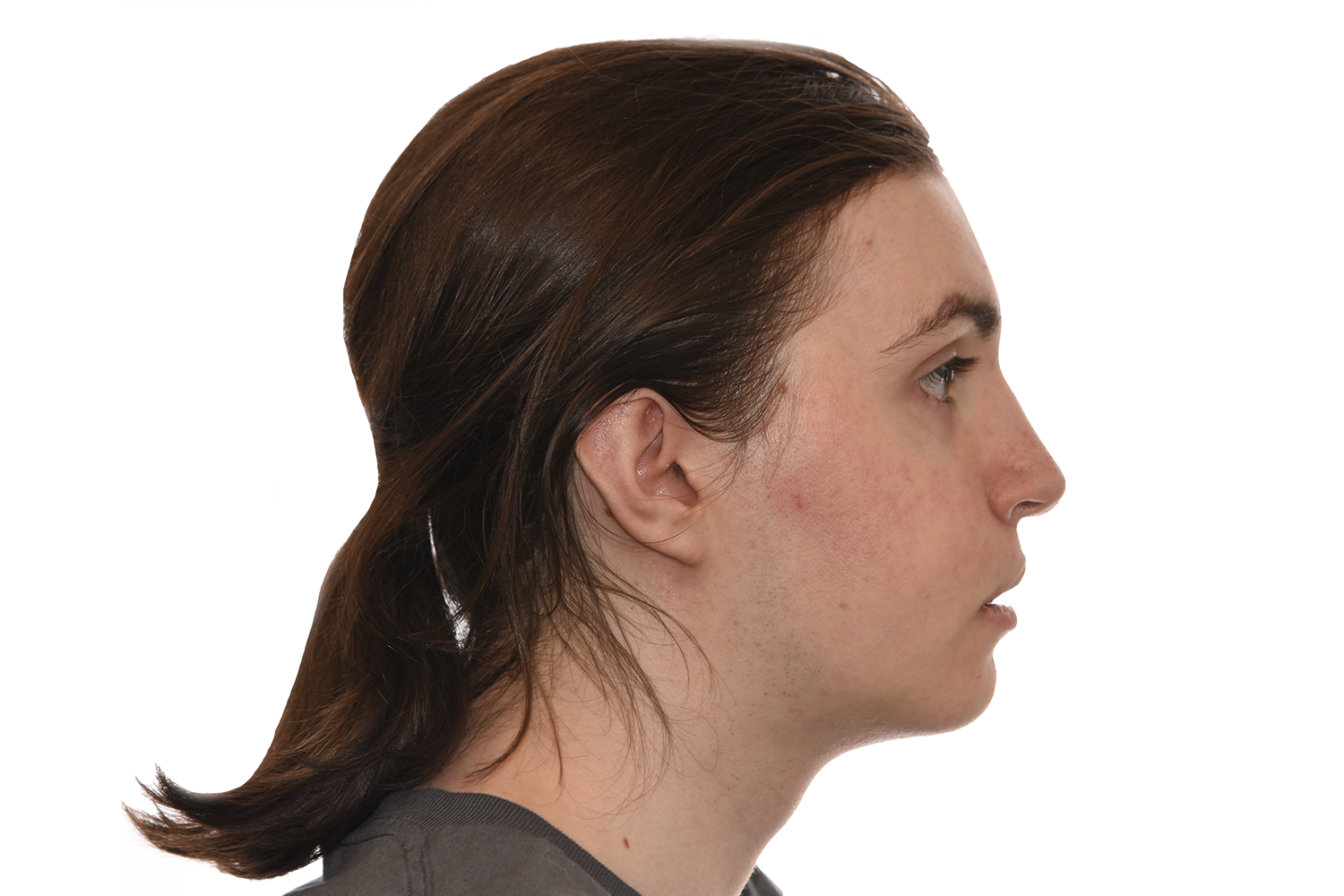
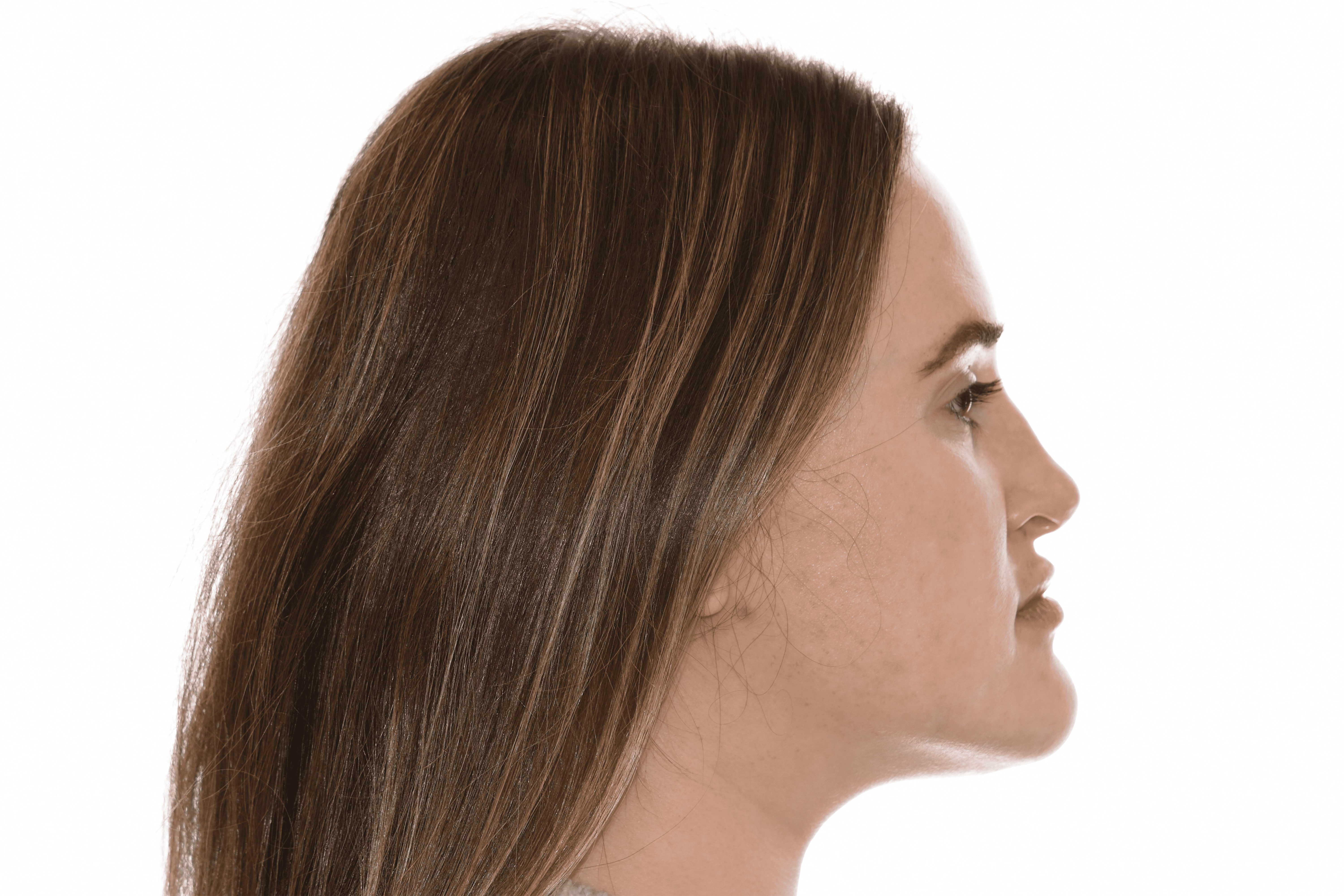
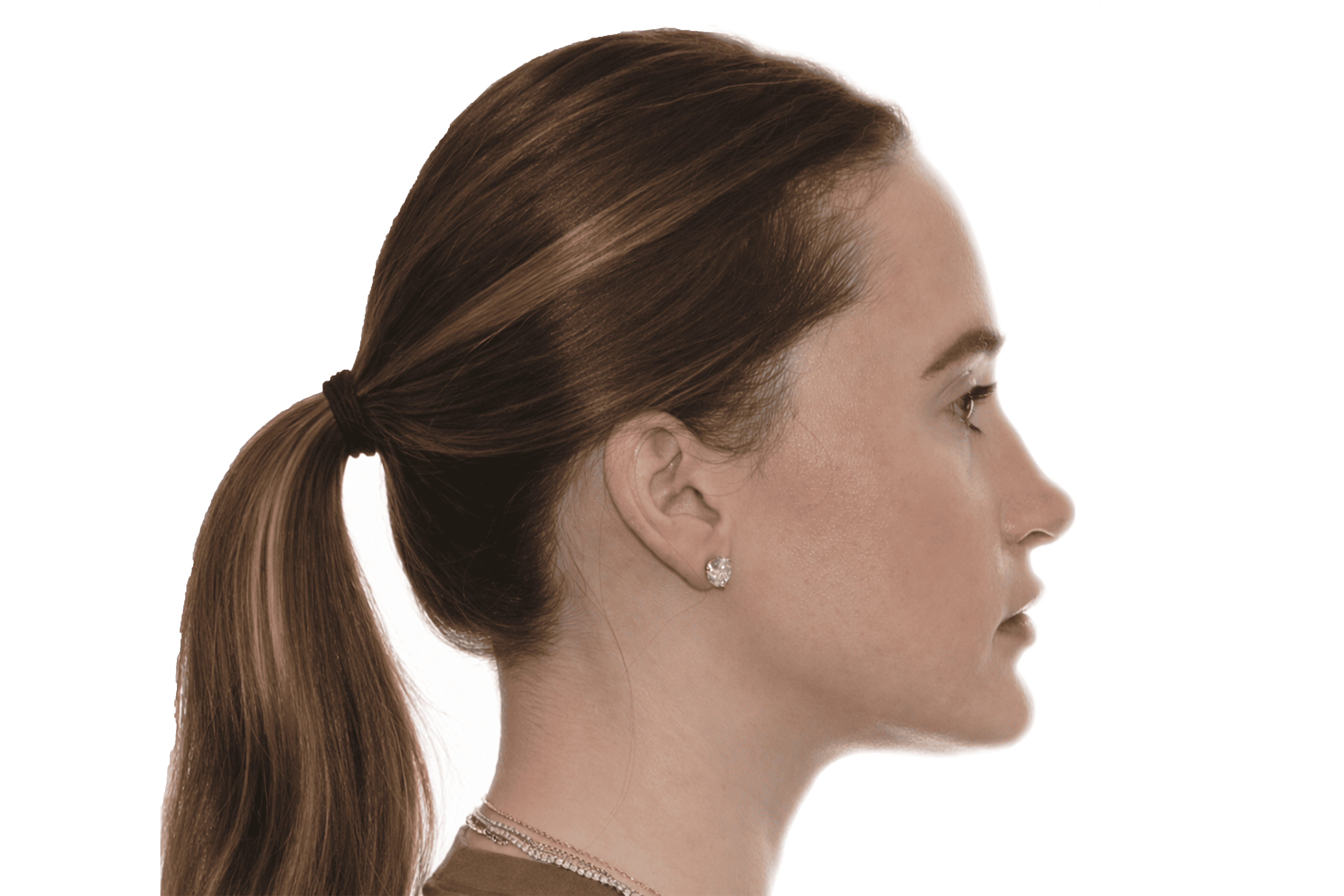
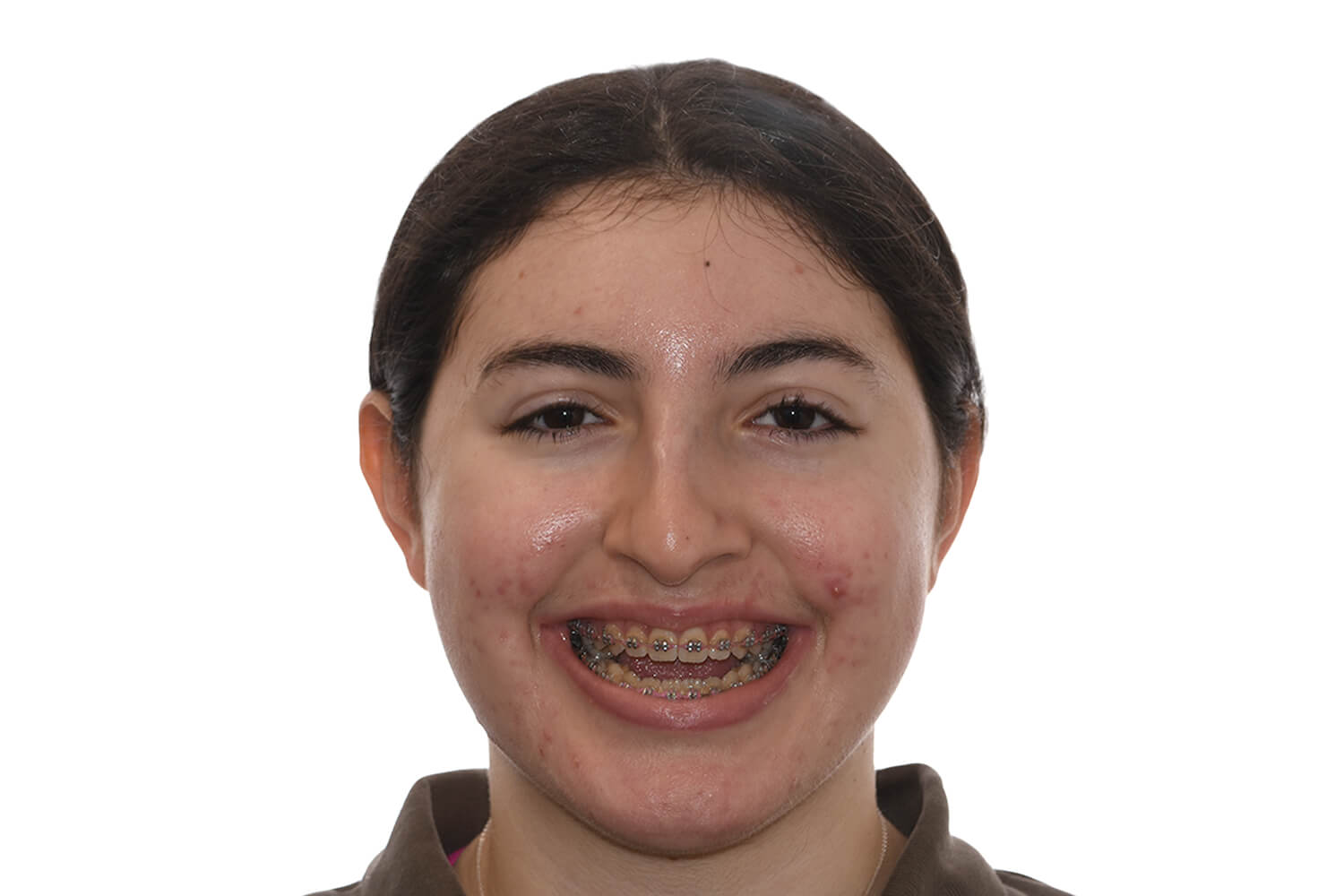

Surgical Management of Sleep Apnea
Presurgical Considerations

Sleep Study
Key Assessment Points:

Airway Evaluation
Key Assessment Points:

Dental and Jaw Analysis
Key Assessment Points:
Treatment Timelines
Experience Matters
“We personally plan your care, perform your surgery, and guide your recovery. No residents, no fellows, no handoffs.”
Choosing the right surgical team matters. You should feel informed, comfortable, and confident in every step of the process. At our practice, your care is provided by one of the most highly trained and experienced jaw surgery teams in the country.
When you come to our office, you meet directly with your surgeons. We are the ones who plan your treatment, perform your surgery, see you after surgery, and remain personally available to you throughout your recovery. Unlike larger institutions, your care is not delegated to residents, fellows, or doctors in training. Every critical aspect of your treatment is handled by your surgeons.




Founding Members of the American Society of Orthognathic Surgery

What Our Patients Are Saying





Sleep Apnea often involves complex surgical, developmental, and functional concerns that require coordinated, specialized management. Outcomes depend heavily on a surgeon's training, clinical judgment, and familiarity with the nuances of this condition. Teams that regularly treat patients with Sleep Apnea are typically better equipped to manage both immediate surgical needs and long-term outcomes.
In a private practice setting, care is often more streamlined and consistent, with the same surgeon closely involved in evaluation, treatment planning, surgery, and follow-up.
In academic or hospital-based settings, care may involve a larger team that can include residents or fellows participating under supervision. Both models can provide excellent care, but the structure and continuity of treatment may feel different. At our center, your care is delivered directly by your surgeon — not by residents, fellows, or surgeons in training.
It is important to understand who is performing each part of your treatment. In some settings, the attending surgeon performs all critical portions of the procedure, while in others trainees may assist or participate under supervision. This should be discussed clearly in advance. At our center, your surgeon performs all critical portions of the procedure.
Depending on the treatment setting, residents, fellows, or students may be involved in aspects of care. Patients and families should feel comfortable asking about their role and how care is supervised throughout treatment.
At our center, there are no residents or fellows involved in performing surgery.
Long-term follow-up is an important part of care for many conditions managed at our center. In some practices, post-treatment care may be shared among multiple providers, while in others the surgeon remains closely involved throughout recovery and monitoring. At our center, your surgeon personally follows you throughout recovery and long-term care.
Comprehensive care includes direct surgical involvement in evaluation, treatment planning, surgery, and long-term follow-up. Consistency throughout the process helps maintain continuity of care.
At our center, your surgeon is directly involved at every stage — from initial evaluation through treatment and follow-up.
Sleep apnea is a condition in which breathing repeatedly stops or becomes significantly reduced during sleep. The most common form is obstructive sleep apnea, in which the soft tissues of the throat collapse and block the airway. It can affect both adults and children and ranges in severity from mild to severe.
Obstructive sleep apnea occurs when the muscles that support the soft tissues of the throat relax during sleep, allowing the airway to narrow or close. Contributing factors include the size and position of the jaw and tongue, soft tissue anatomy of the throat, nasal obstruction, and body weight in adults. In many patients, jaw anatomy plays a significant role, and this is not something within a person's control.
Common symptoms include loud snoring, witnessed pauses in breathing during sleep, waking unrefreshed, excessive daytime sleepiness, difficulty concentrating, and morning headaches. In children, symptoms may include restless sleep, behavioral changes, poor school performance, and mouth breathing.
Diagnosis is confirmed through a sleep study, also called polysomnography, which measures breathing patterns, oxygen levels, and sleep stages. Home sleep testing is available for adults in appropriate circumstances. The apnea-hypopnea index from the study indicates the severity of the condition.
Yes. Untreated sleep apnea is associated with increased risk of cardiovascular disease, hypertension, metabolic disorders, and impaired daytime function. The good news is that it is very treatable, and most patients see significant improvement with the right intervention.
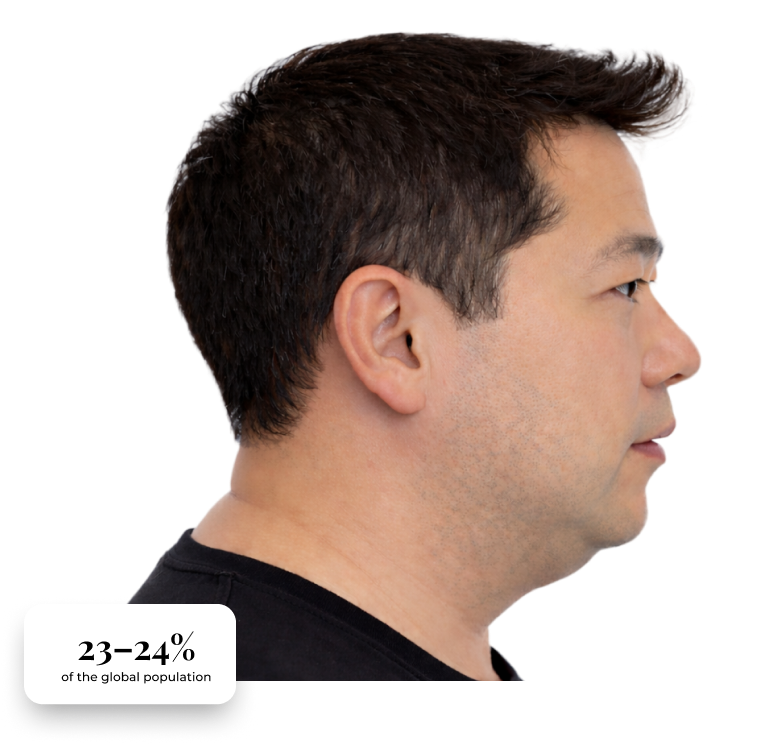
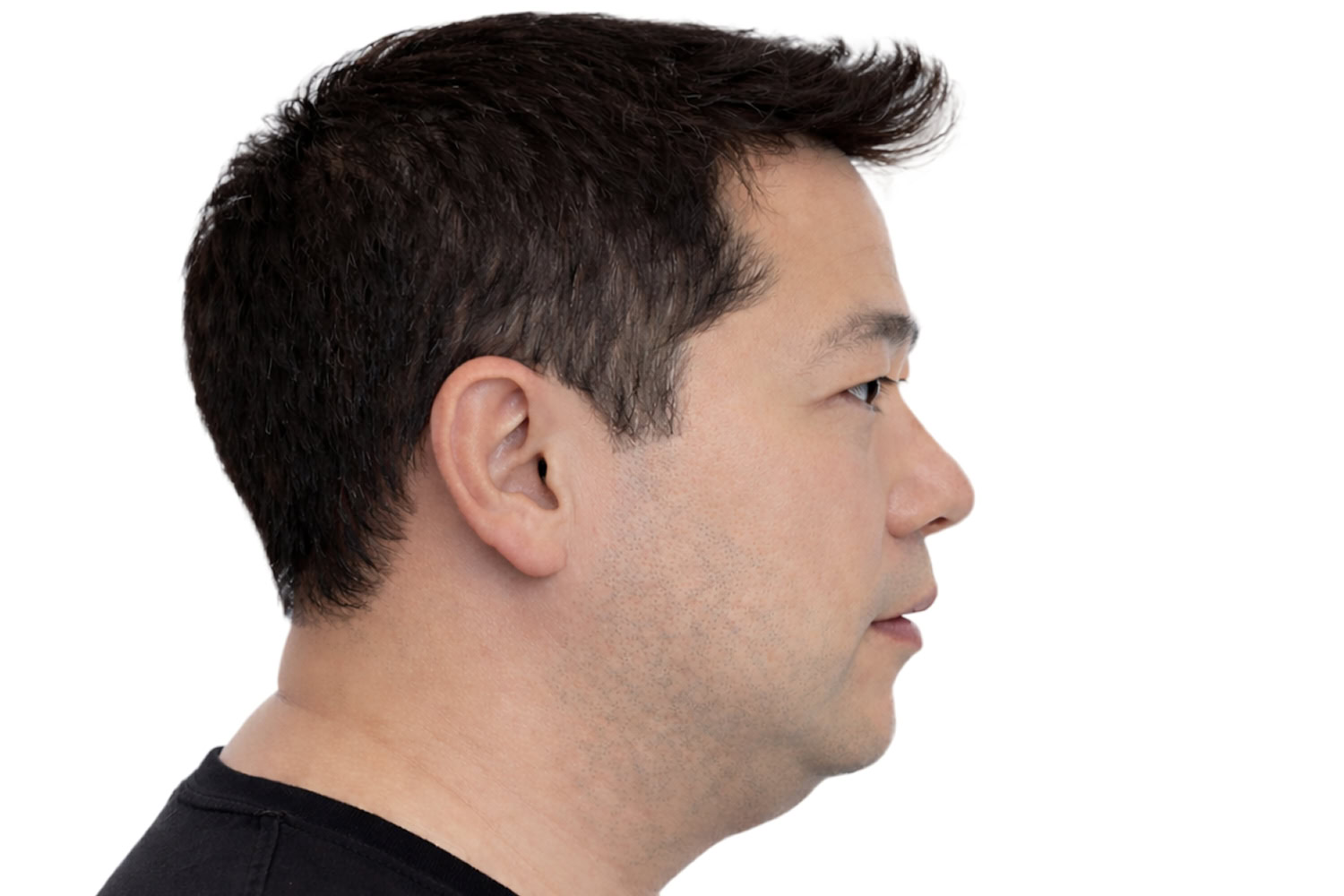
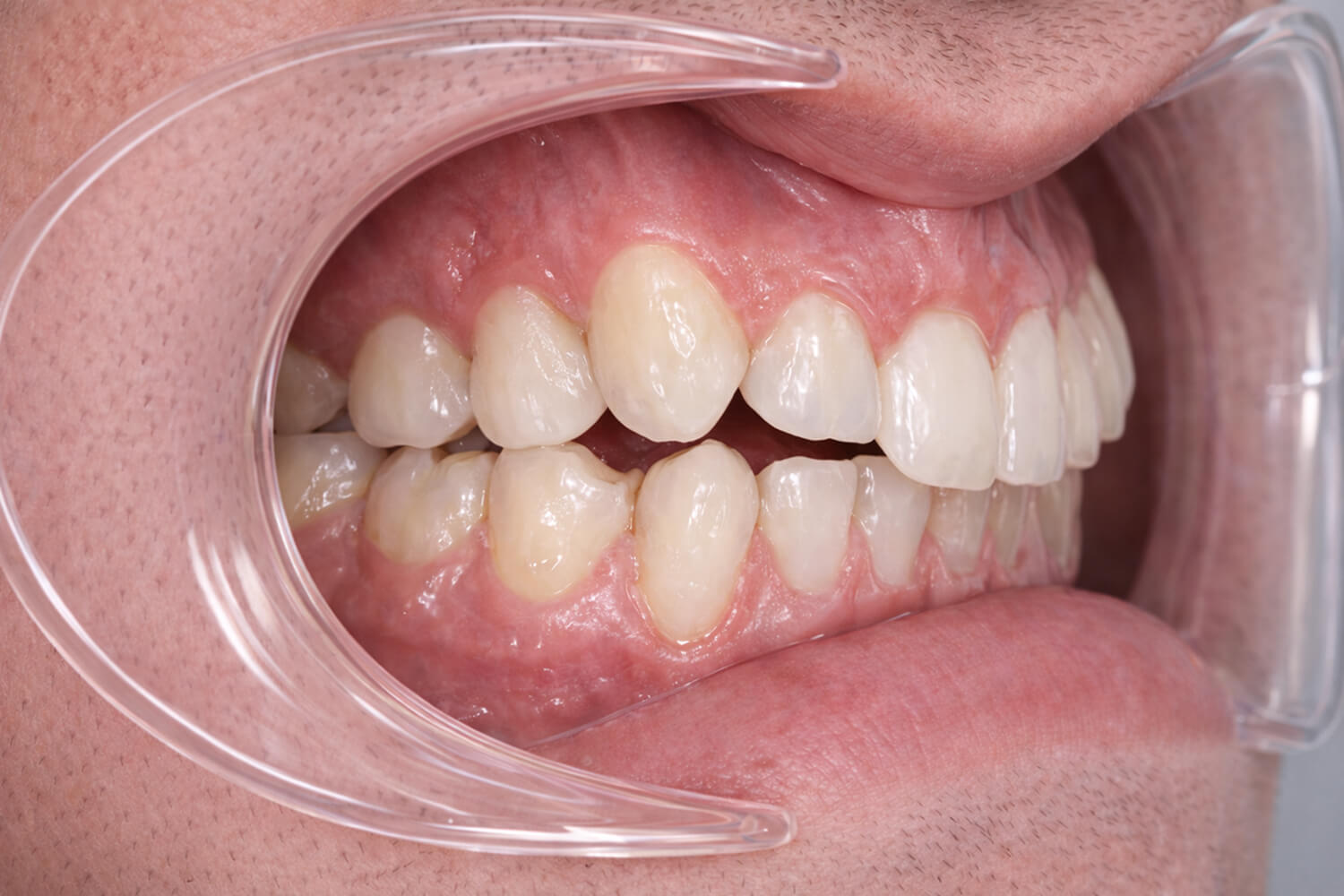
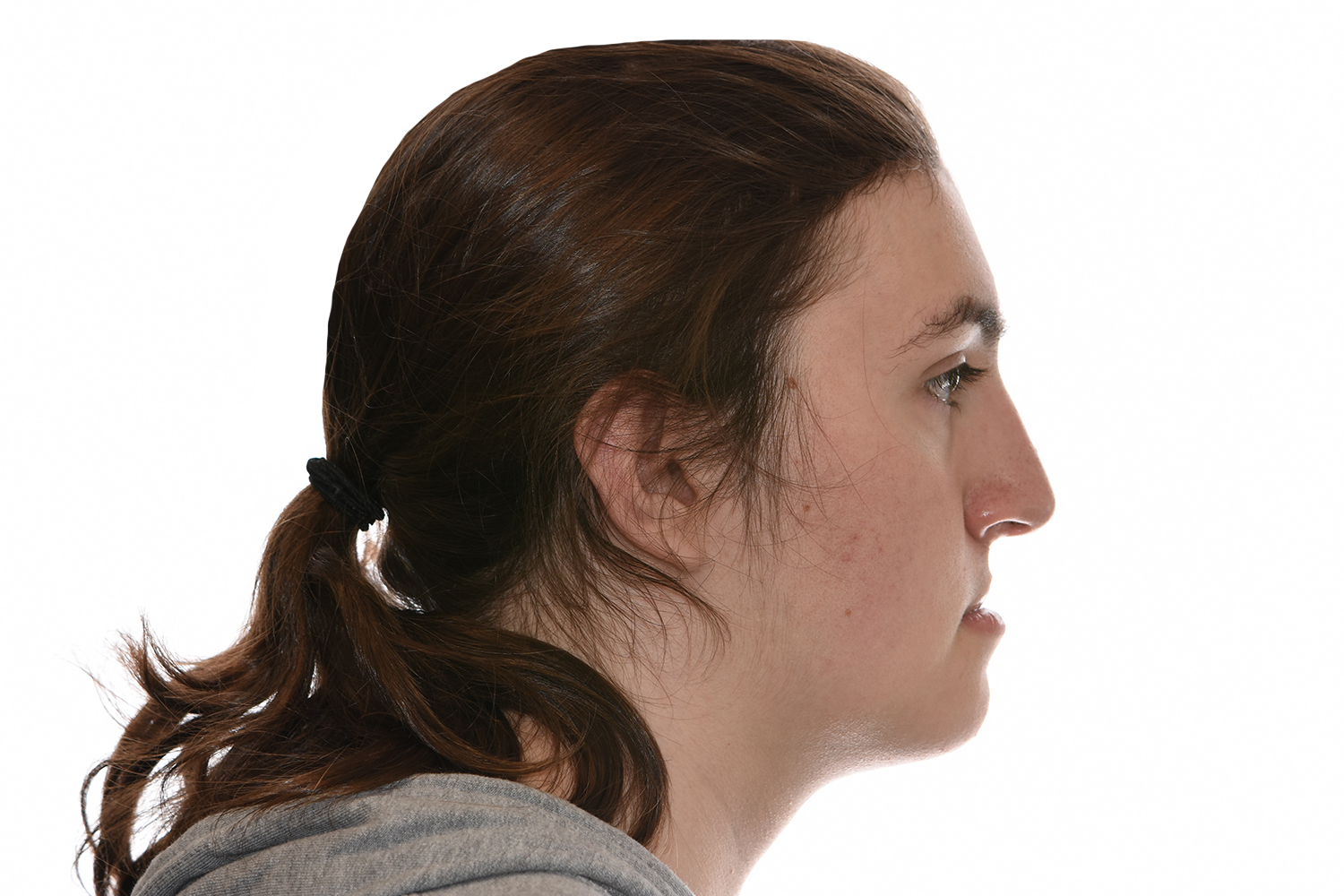
The size and position of the upper and lower jaws directly influence the space available for the tongue and soft tissues of the throat. In patients with a small or receded lower jaw, the tongue is positioned farther back toward the airway, increasing the risk and severity of obstruction during sleep.
Treatment options include continuous positive airway pressure therapy, oral appliance therapy, weight management, positional strategies, upper airway surgery, and in appropriate candidates, jaw surgery. The best approach depends on the cause and severity of the apnea, patient anatomy, and individual factors.
Maxillomandibular advancement surgery, which moves both the upper and lower jaws forward, is one of the most effective surgical treatments for obstructive sleep apnea in appropriately selected patients. It enlarges the airway by moving the bony structures and attached soft tissues forward, reducing the tendency for collapse during sleep.
Maxillomandibular advancement has demonstrated high success rates in appropriately selected patients, including many who have not responded to or tolerated CPAP therapy. Response rates vary by patient anatomy, severity, and the degree of advancement achieved.
CPAP works by providing pressurized air to keep the airway open during sleep. It is highly effective but requires nightly use of a mask and machine. Jaw surgery addresses the underlying structural cause and does not require ongoing device use, though it involves a recovery period and is appropriate only in selected patients.
Yes. Depending on the patient's anatomy and the site of obstruction, options may include nasal surgery, soft palate procedures, hypoglossal nerve stimulation, or other upper airway procedures. A thorough airway evaluation helps identify the most appropriate treatment for each individual.
Many patients who undergo successful maxillomandibular advancement are able to discontinue CPAP therapy. A follow-up sleep study is typically performed after surgery to confirm improvement. Some patients may still benefit from continued CPAP or other therapies depending on residual apnea severity.
Follow-up after surgical treatment includes monitoring the surgical outcome, bite stability, and airway function over time. A repeat sleep study is performed to document response to treatment, and patients are advised to maintain ongoing monitoring given the chronic nature of sleep apnea.
In some patients, particularly children after adenotonsillectomy or appropriately selected adults after jaw surgery, sleep apnea can be significantly reduced or resolved. For many patients, sleep apnea is a chronic condition requiring long-term management, and treatment plans are adjusted over time as needed.
Yes. We regularly care for patients traveling from outside the region for sleep apnea evaluation and surgical treatment, including jaw surgery for airway improvement.
For maxillomandibular advancement surgery, most patients are discharged within two to three days and recovering well. Out-of-town patients should plan to remain locally for approximately five to seven days primarily to attend their first post-operative visit, at which the surgeon examines the jaw position, confirms healing, and clears the patient for travel home. Air travel is generally appropriate within approximately seven to ten days after surgery. The timeline may vary based on the extent of the advancement, the patient's overall health, and how recovery progresses, and your surgeon will give you a specific recommendation and confirm the post-op appointment schedule before the procedure.
Yes. Once the post-operative visit has taken place and the surgeon is satisfied with healing and jaw stability, ground travel is generally approved shortly thereafter. Air travel is cleared within a few days of that. Most patients find the transition straightforward when recovery is on track, and the timeline is discussed clearly at your pre-surgical visit.
Evaluation at our center includes review of prior sleep study results, airway examination, facial and jaw assessment, and a detailed discussion of treatment options including both surgical and non-surgical approaches. Patients leave with a clear understanding of whether jaw surgery is the right fit for their anatomy and apnea severity, and what the surgical plan, recovery, and follow-up would involve.
Yes. A follow-up sleep study is performed after surgery to confirm improvement, and additional monitoring of jaw stability and airway function is part of long-term care. Some follow-up may be conducted via telemedicine, while in-person assessments — including post-operative sleep study coordination — will be discussed before you travel home. Your surgeon will outline the follow-up plan at the post-operative visit.